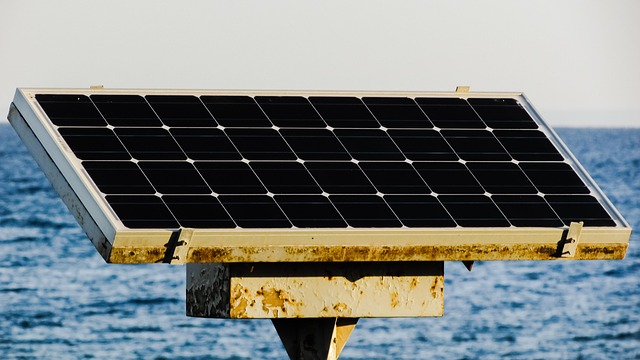

Minnesota Lawmakers Considering Whether to Allow Plug-In or ’Balcony’ Solar Power
Minnesota’s energy debate is shifting toward the practicality of allowing plug-in or balcony solar power systems. The state’s current electrical codes restrict direct consumer connections, but rapid advances in mini solar panel technology are challenging those boundaries. With compact, efficient, and safer photovoltaic units now available, the question is less about technical feasibility and more about how regulation can adapt to a decentralized energy future. Experts argue that Minnesota’s policy evolution could set a precedent for distributed generation across the Midwest.
The Emergence of Mini Solar Panel Technology
The growing popularity of compact renewable systems has reshaped how consumers engage with clean energy production. Mini solar panels stand at the center of this transformation.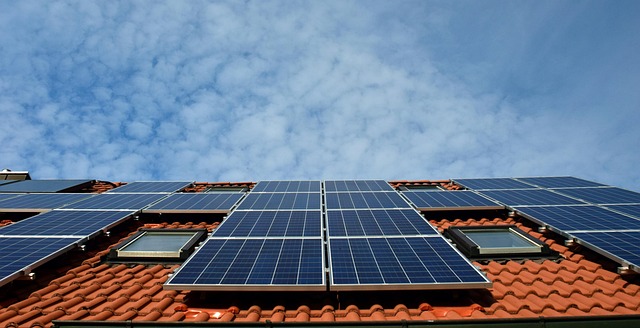
Defining Mini Solar Panels and Their Core Characteristics
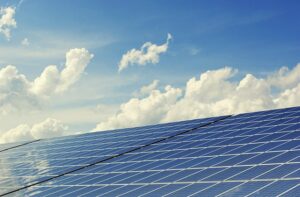
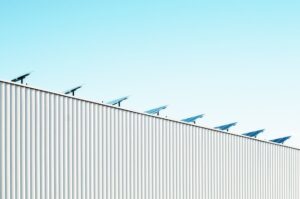
Mini solar panels are small-scale photovoltaic systems designed for limited-space environments such as apartments or urban homes. They convert sunlight into electricity through high-efficiency cells while occupying minimal surface area. These systems often integrate plug-in or balcony configurations that connect directly to household circuits, enabling residents to generate power without complex installation. Their modularity allows users to expand capacity incrementally, fitting both aesthetic and functional needs in dense residential areas.
Technological Advances Driving Mini Solar Panel Efficiency
Recent progress in micro-inverter design has made plug-in use safer by converting DC output into grid-compatible AC current at the module level. Manufacturers have also introduced lightweight composite frames that simplify mounting on balconies or façades. Meanwhile, advances in thin-film and heterojunction photovoltaic materials have improved conversion efficiency beyond 22 percent in some commercial models, rivaling traditional rooftop installations. These innovations collectively make mini solar panels a viable entry point for urban dwellers seeking self-sufficiency in energy use.
The Regulatory Landscape of Distributed Solar in Minnesota
While technology races ahead, policy tends to move slower. Minnesota’s regulatory framework remains cautious toward consumer-installed generation.
Overview of Current Minnesota Solar Policy Framework
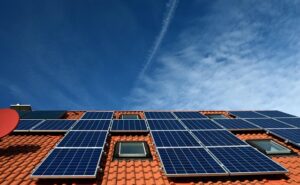
State incentives currently favor conventional rooftop solar under net metering programs administered by utilities. However, existing electrical codes limit unlicensed plug-in connections due to safety concerns over backfeed and grounding. Utilities maintain oversight through interconnection agreements that require inspection and metering compliance before activation. This structure ensures reliability but restricts innovation at the microgeneration level.
Comparison with Other Jurisdictions Allowing Plug-In Systems
Across Europe, balcony solar units are legally recognized under standardized safety certifications such as IEC 62109 for inverter protection and EN 50549 for grid interaction. Countries like Germany allow residents to register small systems up to 800 watts without formal permits, provided they meet these standards. In the United States, states including California and New York are piloting microgeneration-friendly policies that streamline approval for low-capacity plug-in devices. Lessons from these regions highlight how clear technical criteria can coexist with consumer autonomy while maintaining grid integrity.
Potential Influence of Mini Solar Innovation on Plug-In Policy Reform
Minnesota’s policymakers face growing pressure to reconcile rapid technological readiness with legacy regulatory structures.
How Mini Solar Panels Challenge Traditional Regulatory Models
Decentralized generation blurs distinctions between producers and consumers—often called “prosumers.” Simplified installation processes mean homeowners can deploy panels without professional electricians, undermining existing licensing frameworks. Yet this convenience raises legitimate questions about grid stability and accurate metering when thousands of small sources inject power simultaneously.
Policy Considerations Stemming from Technological Readiness
Revising building codes may be necessary to recognize plug-and-play renewable devices explicitly. Utilities will need clearer protocols for monitoring distributed inputs through smart meters capable of two-way data communication. Liability frameworks must also evolve: if a consumer-installed device causes a fault or fire, determining responsibility between manufacturer, installer, and homeowner becomes critical for insurance clarity.
Economic and Environmental Implications for Minnesota’s Energy Transition
The adoption of mini solar panel systems could reshape both household economics and statewide sustainability metrics.
Cost-Benefit Analysis of Widespread Mini Solar Adoption
Compared with full-scale rooftop arrays averaging $15,000 or more per home, mini units cost only a fraction—sometimes under $1,000—making entry far more accessible. By offsetting daytime consumption during peak hours, they reduce strain on the grid and lower utility bills for participants. Local businesses could benefit too; manufacturing modular mounts or providing certified installation services creates new economic niches within Minnesota’s clean-tech sector.
Environmental Impact on Statewide Renewable Energy Goals
Distributed generation contributes directly toward meeting Minnesota’s renewable portfolio standards by expanding total installed capacity without major infrastructure projects. Each kilowatt generated locally reduces reliance on fossil-fueled peaker plants during demand spikes. When paired with household battery storage, mini solar systems enhance resilience against outages while cutting cumulative carbon emissions across neighborhoods.
Technical Challenges and Infrastructure Adaptation Needs
Despite promise, widespread integration introduces complex engineering challenges that cannot be ignored.
Grid Integration Issues Associated with Plug-In Systems
Multiple small inputs can cause localized voltage fluctuations if unmanaged. Smart meters equipped with real-time telemetry become essential tools for balancing load flow dynamically across distribution circuits. Additionally, cybersecurity risks emerge as each connected inverter represents a potential access point; securing firmware updates and encryption protocols will be crucial as adoption scales.
Safety Standards and Certification Requirements for Mini Solar Panels
Establishing UL 1741 compliance benchmarks specific to plug-in configurations would provide clarity on isolation requirements between grid and user circuits. Fire safety measures—including automatic disconnects upon outage detection—must be enforced through product certification rather than post-install inspection alone. Coordination among regulators, utilities, and manufacturers ensures consistent enforcement while preserving consumer confidence in system reliability.
Strategic Pathways Toward a Balanced Policy Framework in Minnesota
Crafting balanced legislation requires collaboration grounded in empirical testing rather than theoretical modeling alone.
Stakeholder Collaboration Models Supporting Policy Evolution
Joint working groups involving policymakers, utility engineers, technology developers, and consumer advocates can pilot controlled deployment scenarios before statewide approval. Such pilots would gather operational data on voltage stability, user behavior, and safety performance under real conditions—valuable evidence for shaping practical regulations rather than speculative restrictions.
Future Outlook: Integrating Innovation into State Energy Planning
Long-term energy strategies should explicitly include mini solar potential within distributed energy resource planning frameworks. Aligning innovation incentives with ongoing grid modernization efforts would position Minnesota as an early adopter of adaptive renewable policy within the Midwest region—a reputation beneficial both economically and politically as federal climate targets tighten further over the decade ahead.
FAQ
Q1: What defines a mini solar panel compared to standard rooftop systems?
A: A mini solar panel is a compact photovoltaic unit typically rated below one kilowatt that connects directly through household outlets or microinverters rather than dedicated wiring infrastructure.
Q2: Are plug-in solar panels currently legal in Minnesota?
A: No explicit authorization exists yet; current codes restrict direct consumer connection without licensed installation due to safety regulations.
Q3: How do European countries handle balcony solar installations?
A: Many European nations permit small balcony units under standardized IEC-based safety certifications allowing simplified registration instead of full permitting processes.
Q4: What economic benefits could result from adopting mini solar technology?
A: Lower equipment costs encourage broader participation while stimulating local manufacturing jobs tied to modular hardware production and service provision.
Q5: What technical upgrades does Minnesota’s grid need before allowing widespread plug-in use?
A: Deployment of smart meters capable of bidirectional monitoring plus updated cybersecurity measures will be essential before full-scale implementation becomes feasible.