
AI and Microgrids: Moving Toward Seamless, Resilient Energy Solutions
The energy sector is shifting toward decentralized, intelligent systems that can withstand disruption and operate autonomously. AI-driven microgrids are at the core of this transformation, combining digital control with distributed power generation. Generac Clean Energy exemplifies this shift through modular solutions that merge battery storage, smart inverters, and predictive analytics. The result is a more resilient grid architecture that supports decarbonization while improving operational efficiency.
The Evolution of Resilient Power Systems
The global energy landscape is undergoing rapid change as traditional grid infrastructure faces mounting stress from extreme weather and rising demand. This evolution has prompted utilities and technology providers to explore distributed energy models that improve flexibility and resilience.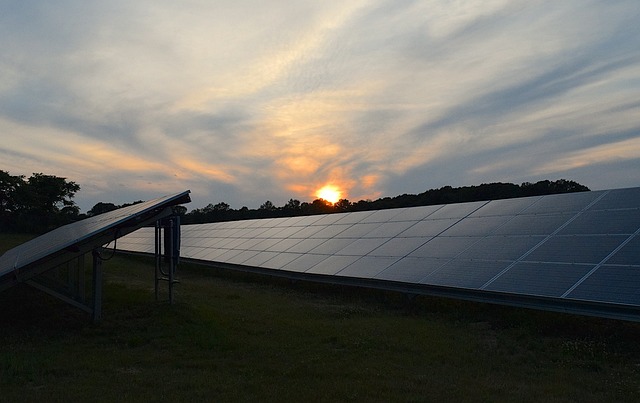
Shifting From Centralized Grids to Distributed Energy Networks
Conventional centralized grids were designed for one-way power flow—from large power plants to consumers. However, climate volatility and demand peaks expose their vulnerabilities. Distributed energy resources (DERs) such as rooftop solar, wind turbines, and localized storage now enable two-way energy exchange. These systems not only reduce transmission losses but also enhance grid reliability during outages. The integration of microgrids further strengthens this model by allowing communities or facilities to operate independently when the main grid fails, supporting broader decarbonization strategies.
The Role of Digitalization in Modern Energy Infrastructure
Digitalization has become essential for modern grid management. Real-time monitoring platforms track system performance at granular levels, enabling predictive maintenance before faults occur. AI-based analytics analyze patterns across distributed assets to balance generation and consumption dynamically. Moreover, data interoperability—guided by standards from IEEE and IEC—ensures seamless coordination between utilities, microgrid controllers, and independent producers.
Understanding Generac Clean Energy’s Approach to Microgrids
Generac Clean Energy represents a practical application of these principles through its scalable technology portfolio designed for residential, commercial, and industrial users.
Overview of Generac’s Clean Energy Portfolio
Generac’s clean energy suite includes battery storage units paired with smart inverters and backup generators that maintain continuity during outages. Its modular design allows customers to expand capacity as needs evolve—whether powering a single home or an entire business park. This flexibility aligns with global trends toward distributed generation where scalability determines long-term viability.
Integration of AI in Generac’s Energy Management Systems
AI plays a central role in Generac’s control architecture. Algorithms forecast load profiles using historical data combined with weather predictions to anticipate renewable generation fluctuations. Predictive control then adjusts dispatch schedules automatically to balance supply with demand in real time. Machine learning models continuously refine these operations by detecting anomalies early, improving fault tolerance and recovery speed during disturbances.
The Intersection of AI Microgrids and Resilient Power Design
As microgrids multiply across regions, AI becomes the connective tissue linking them into cohesive networks capable of autonomous operation under diverse conditions.
How AI Enhances Microgrid Autonomy
AI-driven controllers allow microgrids to function independently when disconnected from the main grid. Self-learning models adapt energy dispatch based on seasonal behavior or environmental input such as temperature or solar irradiance levels. This continuous adaptation minimizes downtime while maximizing renewable output utilization—a critical factor for sustainability-driven enterprises.
Coordinating Multiple Microgrids Through AI Networks
When multiple microgrids coexist within a region, AI facilitates communication among them for balanced load sharing. Decentralized decision-making reduces latency during emergencies since local nodes act without waiting for central commands. This collaborative approach transforms isolated installations into community-level resilience clusters capable of supporting hospitals, schools, or emergency shelters during crises.
Technological Foundations Supporting Generac’s Clean Energy Vision
Behind every resilient system lies robust hardware integrated with advanced software intelligence—an area where Generac continues to innovate aggressively.
Advanced Energy Storage Systems as the Core Enabler
Energy storage remains pivotal for balancing intermittent renewables like solar or wind. Lithium-ion batteries deliver rapid response times suitable for frequency regulation tasks while hybrid configurations incorporating hydrogen or thermal storage extend duration capacity for longer outages. Smart battery management systems monitor temperature, charge cycles, and voltage continuously to extend lifespan—a crucial factor in lowering total cost of ownership over years of operation.
Grid Interoperability and Cybersecurity Considerations
As connectivity expands across devices, cybersecurity becomes inseparable from reliability planning. Secure communication protocols protect data exchanged between field devices and control centers against interception or tampering. AI-based intrusion detection tools identify irregular network behavior faster than manual oversight could manage. Compliance with evolving standards such as ISO/IEC 27019 ensures safe integration into national grid infrastructures without compromising performance or privacy.
Economic and Environmental Implications of AI-Powered Microgrids
Beyond technical gains, AI-enabled microgrids reshape both cost structures and environmental outcomes across the energy value chain.
Cost Efficiency Through Predictive Optimization
Accurate forecasting reduces reliance on expensive peaking plants by smoothing load curves ahead of time. Dynamic pricing algorithms help asset owners monetize stored energy when market rates spike while conserving it during low-demand hours. In hybrid systems combining renewables with fuel-based generators, optimized scheduling lowers fuel use significantly—translating directly into operational savings over project lifecycles.
Contribution to Sustainability Goals and Carbon Reduction Targets
AI coordination increases renewable penetration by stabilizing variable output sources that would otherwise strain traditional grids. Intelligent load management supports corporate net-zero commitments by aligning consumption patterns with green generation availability. Lifecycle assessments consistently show lower emissions profiles compared with conventional centralized operations—a measurable step toward meeting international climate targets under frameworks like the Paris Agreement.
Future Outlook: Toward a Decentralized, Intelligent Energy Ecosystem
The convergence of policy innovation, market incentives, and emerging technologies will determine how quickly decentralized architectures become mainstream within global power systems.
The Role of Policy, Standards, and Market Incentives
Regulatory bodies must adapt existing frameworks to permit autonomous operation among interconnected microgrids without compromising safety or reliability standards set by IEEE or national agencies. Incentive programs—such as tax credits for battery installations or grants supporting community resilience projects—can accelerate adoption rates for clean technologies including those developed by Generac Clean Energy. Standardization remains key so diverse hardware platforms can communicate seamlessly across markets.
Emerging Trends Driving Next-Level Resilience in Power Systems
Edge computing now allows decision-making closer to generation sites rather than distant control rooms, reducing latency dramatically during fault events. Vehicle-to-grid (V2G) integration expands available storage capacity using parked electric vehicles as temporary batteries feeding local networks when needed most. Continuous advances in artificial intelligence promise even greater adaptability across all layers—from household controllers up through regional distribution hubs—redefining what resilience means in tomorrow’s decentralized grid ecosystem.
FAQ
Q1: How does Generac Clean Energy differ from traditional backup power providers?
A: It combines renewable integration with intelligent software controls rather than relying solely on fossil-fuel generators.
Q2: What benefits do AI-driven microgrids offer utilities?
A: They provide real-time visibility into distributed assets while automating responses during peak loads or outages.
Q3: Are there cybersecurity risks associated with connected microgrid systems?
A: Yes; however modern encryption standards and machine-learning-based threat detection significantly reduce exposure levels.
Q4: How do predictive algorithms improve cost performance?
A: By forecasting demand accurately they minimize unnecessary generator usage and maximize revenue opportunities through dynamic pricing participation.
Q5: What future developments could further enhance resilience?
A: Broader use of edge computing combined with V2G networks will likely create faster adaptive responses across regional grids worldwide.