
As Cuba’s Grid Fails, Solar Power Becomes a Lifeline
Cuba’s national grid is faltering under the weight of outdated infrastructure and fuel dependency. Rolling blackouts have become routine, prompting both policymakers and citizens to seek alternatives. The on grid solar system model offers a pragmatic path forward, not just as a supplement but as a structural transformation for Cuba’s energy landscape. By tying distributed solar generation directly into the grid, the country can stabilize supply, reduce import reliance, and unlock new investment channels even under sanctions. The shift is technically complex but increasingly inevitable.
The Current State of Cuba’s Energy Network
Cuba’s power system shows deep-rooted fragility shaped by decades of economic isolation and technological stagnation. Understanding these weaknesses is key to grasping why solar integration has become more than a sustainability goal—it’s an operational necessity.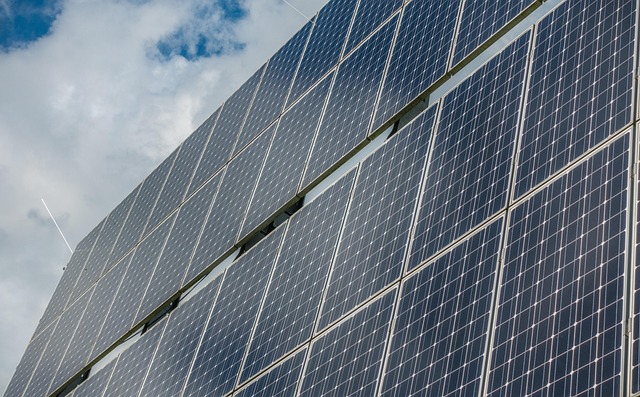
Structural Weaknesses in the National Grid
Aging infrastructure remains the core problem. Many generation units date back to the 1970s or earlier, with limited modernization since then. Maintenance gaps have led to frequent outages that ripple across provinces. Centralized thermal plants dominate supply and depend heavily on imported diesel and fuel oil, exposing the grid to global price shocks. Transmission losses are high—some estimates suggest over 10% of generated power dissipates before reaching consumers—worsening instability during peak demand.
Economic and Political Constraints on Energy Reform
Limited access to foreign capital restricts modernization efforts. Cuba’s state-owned utility faces chronic liquidity shortages that prevent large-scale refurbishment projects. U.S. sanctions further complicate procurement of modern turbines, inverters, and spare parts from Western suppliers. Domestic policy also plays a role: regulatory rigidity slows private participation in renewable projects, leaving most distributed generation pilots small and isolated from the main grid.
Understanding the On Grid Solar System Model
Transitioning toward an on grid solar system requires both technical adaptation and institutional reform. It represents not just a new energy source but a new operational philosophy—one that decentralizes production while maintaining synchronized control.
Core Components and Operational Principles
An on grid solar system connects photovoltaic arrays directly to the national electricity network through smart inverters that match voltage and frequency parameters. These systems feed real-time power into existing distribution lines while allowing surplus energy to flow back into the grid when local consumption is low. This bidirectional exchange improves overall energy balance and reduces strain on central plants during daytime peaks.
Technical Requirements for Integration into Weak Grids
Integrating variable solar output into an already fragile network demands precise voltage regulation and reactive power management. Advanced inverters equipped with communication interfaces can interact dynamically with grid control centers, adjusting output within milliseconds to maintain stability. In regions where fluctuations exceed tolerance limits, hybrid setups combining battery storage or small diesel backups may be required to smooth supply curves.
Potential of On Grid Solar Systems in Cuba’s Context
Cuba’s geography makes it one of the most promising Caribbean nations for photovoltaic deployment. Yet technical potential must align with policy readiness for meaningful progress.
Geographic and Climatic Suitability for Solar Deployment
The island enjoys high solar irradiance averaging over 5 kWh/m² per day across much of its territory, enabling efficient PV conversion rates year-round. Seasonal variation is modest compared with wind resources, ensuring consistent production even during rainy months. Rooftop installations in urban areas like Havana or Santiago de Cuba can minimize land-use conflicts with agriculture or tourism zones while cutting transmission distances.
Contribution to Grid Stability and Energy Resilience
Distributed solar generation eases pressure on long-distance transmission corridors by producing electricity closer to consumption points such as homes or factories. This localized production reduces line losses and helps stabilize voltage levels at distribution nodes. Moreover, diversifying generation sources weakens dependence on centralized thermal plants vulnerable to mechanical failure or fuel shortages. Smart-grid coordination among distributed systems can further enhance load balancing during peak hours.
Challenges Facing On Grid Solar Implementation in Cuba
While potential is vast, practical execution faces formidable barriers—from outdated hardware to opaque regulation—that slow adoption despite evident need.
Technical Barriers and Infrastructure Limitations
The existing Cuban grid lacks digital monitoring tools essential for managing variable renewable inputs. Most substations operate with analog controls incompatible with modern inverter communications protocols like IEC 61850 or IEEE 1547 standards used globally for distributed generation synchronization. Forecasting tools necessary for predicting solar output variability remain scarce locally, limiting operators’ ability to plan dispatch schedules efficiently.
Regulatory, Financial, and Institutional Obstacles
Current legislation provides no clear net-metering or feed-in tariff mechanisms that would allow private producers to sell excess electricity back into the grid profitably. Currency duality complicates importation of PV modules priced in foreign exchange while revenues remain denominated in local pesos. Training programs for technicians capable of installing and maintaining advanced systems are limited, creating skill bottlenecks as pilot projects scale up.
Strategic Pathways Toward a Solar-Supported Grid Transition
For Cuba to move beyond crisis management toward sustainable resilience, coordinated policy design must accompany targeted technology upgrades across all levels of the power chain.
Policy Measures to Enable Integration of On Grid Solar Systems
Transparent regulatory frameworks should define rights and obligations for distributed generators connected under standardized interconnection codes aligned with international norms such as IEEE 1547-2018. Public-private partnerships could mobilize financing from development banks or diaspora investors willing to fund community-scale PV plants. Incentives like tax reductions or low-interest loans would accelerate adoption among households and industries seeking stable electricity supply.
Technological Innovations Supporting Grid Modernization
Microgrid architectures can isolate local circuits during blackouts while maintaining service using embedded renewables—a concept already proven in island grids worldwide according to IRENA reports (2023). Battery storage deployments at substation level could buffer intermittent supply from rooftop arrays, improving reliability metrics such as SAIDI and SAIFI indices tracked by utilities globally. Artificial intelligence–based management platforms may optimize dispatch decisions through predictive analytics drawn from weather data streams.
Long-Term Outlook for Cuba’s Energy Security Through Solar Integration
Solar integration will not replace fossil fuels overnight but can reshape national energy security if combined strategically with other renewables under coherent planning frameworks.
Building a Hybrid Renewable Ecosystem
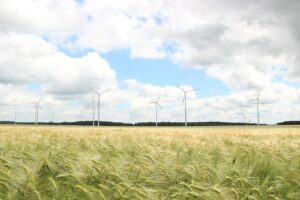
Combining solar capacity with biomass residues from sugarcane mills, coastal wind farms in Holguín Province, and micro-hydro units in mountain regions would diversify seasonal generation profiles while keeping operations domestic-resource based. Regional interconnections within CARICOM could add redundancy against local disruptions caused by hurricanes or equipment failures.
Socioeconomic Impacts of a Decentralized Energy Transition
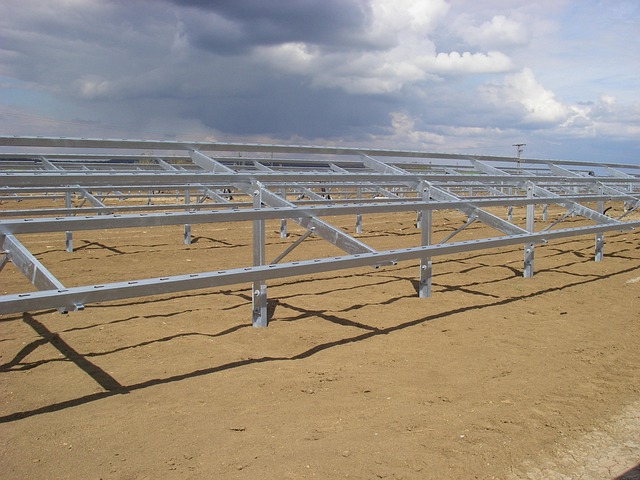
Decentralized production encourages community participation through cooperative ownership models already familiar from agricultural sectors. Local manufacturing of mounting structures or inverter assembly could create skilled jobs while reducing import costs over time. As fuel imports decline gradually, national trade balances improve—strengthening economic sovereignty alongside environmental performance gains.
FAQ
Q1: Why is Cuba experiencing frequent power outages?
A: The outages stem from aging thermal plants reliant on imported fuels combined with inadequate maintenance budgets that limit reliability improvements.
Q2: What distinguishes an on grid solar system from off-grid setups?
A: On grid systems connect directly to the public electricity network using synchronized inverters that allow two-way power flow between users and utility lines.
Q3: Can Cuba’s weak grid handle large-scale solar input?
A: Not without upgrades; advanced control equipment and localized storage will be needed to manage voltage fluctuations effectively before scaling up capacity.
Q4: How do U.S. sanctions affect renewable energy projects?
A: Sanctions restrict access to financing channels and modern components sourced from U.S.-linked suppliers, forcing reliance on alternative markets often at higher cost.
Q5: What long-term benefits could widespread solar adoption bring?
A: It would reduce dependence on imported fuels, stabilize rural electrification networks, generate local employment opportunities, and enhance overall energy resilience nationwide.