
Timely Energy Summit Highlights Energy Infrastructure in Nome and Region
Nome’s energy transition is no longer theoretical—it’s happening. The city is moving from a fossil-fuel-dependent system to a diversified network of renewable energy systems that combine wind, solar, and storage. This shift is driven by escalating fuel costs, logistical hurdles of remote supply, and the broader goal of energy resilience in Arctic conditions. Nome’s modernization efforts, including smart grid development and microgrid expansion, show how small communities can lead large-scale innovation. The region’s experience offers a real-world model for balancing sustainability with reliability across Alaska’s isolated grids.
The Transition Toward Renewable Energy Systems in Nome
Nome’s shift toward renewables reflects both necessity and opportunity. Its isolated geography has long shaped the city’s energy choices, but new technologies are opening paths once considered impractical.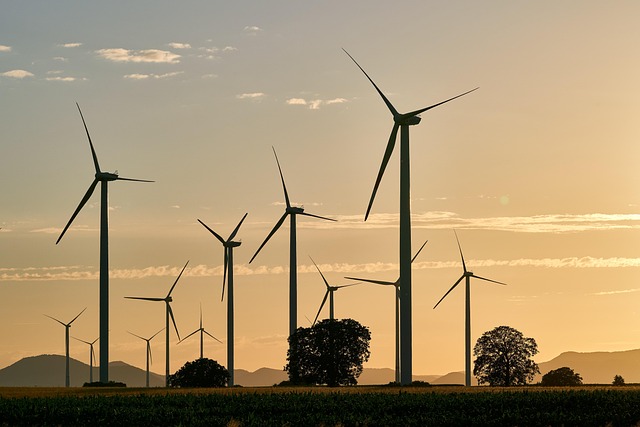
Historical Context of Nome’s Energy Infrastructure
For decades, Nome relied on imported diesel fuel as its main power source. Shipments arrived seasonally, often delayed by ice or weather. This dependence created price volatility and vulnerability to global fuel markets. Early diversification attempts included small-scale wind projects near Anvil Mountain and feasibility studies for local biomass use. These efforts laid the groundwork for today’s integrated renewable strategies.
Drivers Behind the Shift to Renewable Energy
Rising fuel costs have been a key catalyst. When diesel prices surged above $6 per gallon during winter deliveries, utilities faced unsustainable expenses. Federal initiatives such as the U.S. Department of Energy’s Arctic Energy Office programs and Alaska’s Renewable Energy Fund provided financial incentives for renewable adoption. Locally, environmental concerns—especially emissions reduction and protection of coastal ecosystems—added urgency to achieving energy independence through sustainable means.
Integration of Renewable Technologies into Nome’s Grid
Integrating renewables into Nome’s grid involves both technical adaptation and strategic planning. Each technology brings unique benefits and challenges that must align with the town’s isolated infrastructure.
Wind Energy Deployment and Grid Compatibility
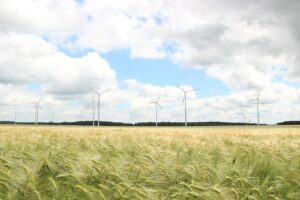
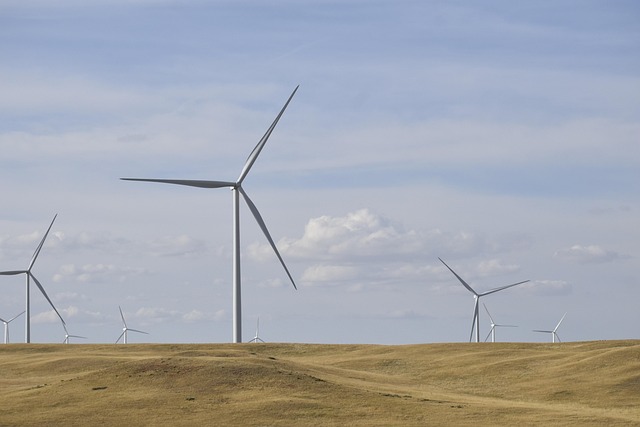
Nome currently operates several medium-sized wind turbines contributing roughly 20% of its annual electricity mix during optimal conditions. However, intermittent generation creates grid stability issues common to remote microgrids. Engineers have introduced advanced control systems capable of balancing variable output with diesel generation, maintaining consistent frequency and voltage even during gusty Arctic storms.
Solar Power Potential in Arctic Conditions
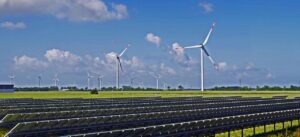
Despite long winter nights, Nome experiences extended daylight in summer months—ideal for solar generation peaks between May and August. Modern photovoltaic panels designed for cold climates perform efficiently at low temperatures, offsetting reduced sunlight hours in winter. Hybrid configurations now pair solar arrays with battery banks or existing diesel units to ensure uninterrupted supply through seasonal transitions.
Emerging Role of Energy Storage Solutions
Battery storage has become central to smoothing fluctuations from renewable inputs. Lithium-ion systems allow excess wind or solar power to be stored during production peaks and released during lulls or high demand periods. Longer-term research explores hydrogen-based storage and thermal retention systems that could sustain power over multi-day outages—a critical feature for Arctic resilience planning.
Modernization of Nome’s Energy Infrastructure
Nome’s modernization extends beyond generation technologies; it redefines how electricity is managed, monitored, and distributed across the community.
Smart Grid Development and Digitalization Efforts
Smart meters are being deployed throughout residential and commercial sectors to capture real-time consumption data. This digital layer enables predictive maintenance on aging equipment and supports demand-response programs that adjust loads automatically when renewable output dips. As connectivity grows, cybersecurity measures are prioritized to protect grid integrity against digital threats increasingly targeting critical infrastructure worldwide.
Microgrid Applications for Remote Communities
Microgrids have proven especially effective in Alaska’s dispersed settlements where centralized networks are impractical. In Nome, hybrid microgrids integrate wind turbines with traditional diesel generators under automated control schemes that minimize fuel use while preserving reliability. These systems enhance resilience against weather disruptions and reduce overall operating costs by cutting diesel consumption significantly over time.
Regional Collaboration and Policy Frameworks Supporting Transition
Collaboration among local governments, tribal organizations, utilities, and state agencies underpins Nome’s progress toward renewable integration.
Role of Local Governance and Utility Partnerships
Regional utilities coordinate closely with municipal authorities to align project priorities with community goals. Tribal councils participate actively in planning discussions to ensure equitable access to clean energy benefits across Native villages connected via shared transmission lines or independent microgrids. Transparent governance fosters public trust essential for long-term project success.
Policy Instruments Accelerating Renewable Adoption
Alaska maintains flexible renewable portfolio standards encouraging investment in non-fossil sources suited to regional conditions rather than strict statewide quotas. Federal funding through infrastructure modernization grants supports rural electrification upgrades including transmission reinforcement and energy storage deployment. Regulatory reforms have simplified interconnection procedures allowing smaller distributed generation assets—like rooftop solar—to feed back into local grids more easily.
Economic and Environmental Implications of Renewable Integration in Nome
The economic ripple effects from Nome’s renewable transition extend beyond utility operations into workforce development and ecological preservation.
Economic Diversification Through Renewable Investment
Renewable projects generate skilled employment opportunities ranging from turbine maintenance technicians to electrical engineers specializing in hybrid systems. Local contractors benefit from installation work while supply chains adapt to include regional material sourcing where feasible. Reduced dependence on imported fuels stabilizes long-term budgets for both households and municipal services—strengthening economic resilience against external shocks.
Environmental Outcomes from Reduced Fossil Fuel Reliance
Cutting diesel consumption directly lowers greenhouse gas emissions associated with power production—a measurable contribution toward Alaska’s climate objectives under Arctic Council frameworks. Reduced barge traffic carrying fuel also lessens spill risk along fragile coastlines where cleanup operations are logistically complex due to ice coverage or limited access windows each year.
Future Outlook for Nome’s Renewable Energy Landscape
Nome stands at an inflection point where continued innovation could transform it into a model hub for Arctic sustainability strategies applicable across northern regions.
Technological Innovations on the Horizon
Research groups are assessing tidal currents near Port Clarence as potential sites for marine energy pilots complementing existing wind assets. Geothermal mapping around hot spring zones north of town suggests additional untapped capacity suitable for small-scale heating applications or district systems. Advances in AI-driven analytics promise smarter coordination among multiple generation sources improving efficiency despite unpredictable weather patterns typical of coastal Alaska.
Strategic Vision for a Sustainable Energy Future in Western Alaska
Long-term planning emphasizes balance: maintaining affordability while protecting environmental integrity central to subsistence lifestyles still practiced by many residents. Collaboration among universities conducting Arctic research, private developers testing cold-weather technologies, and government agencies funding infrastructure will determine how rapidly progress continues. If current momentum holds steady, Nome could soon exemplify how remote communities achieve reliable modern power through integrated renewable energy systems tailored precisely to their environment.
FAQ
Q1: Why is Nome focusing so heavily on renewable energy?
A: Because imported fossil fuels make electricity costly and unreliable due to shipping constraints; renewables offer greater stability over time.
Q2: How does wind power operate effectively in Arctic climates?
A: Turbines designed for low temperatures use specialized lubricants and heating elements preventing ice buildup while maintaining output efficiency.
Q3: What role do batteries play in Nome’s power grid?
A: They store surplus electricity from renewables then discharge it when production drops ensuring smooth operation without blackouts.
Q4: Are there plans for geothermal or tidal projects near Nome?
A: Feasibility studies are underway exploring both resources as part of future diversification efforts within Western Alaska’s broader energy strategy.
Q5: How does digitalization improve grid performance?
A: Smart meters provide real-time usage data enabling faster fault detection predictive maintenance routines and better balancing between supply sources.