
Solar and Storage: Europe’s Response to Energy Crises
Europe’s energy transition is no longer theoretical; it is a structural shift driven by necessity. The continent’s response to repeated supply shocks and climate obligations has accelerated the integration of renewable energy systems, particularly solar and storage. These technologies now act as the backbone of a more resilient, decentralized, and decarbonized grid. The strategic combination of photovoltaic generation with advanced storage has turned Europe from a reactive market into a proactive energy innovator, redefining how nations balance sustainability with security.
The Strategic Role of Renewable Energy Systems in Europe’s Energy Transition
Europe’s path toward renewables is shaped by both urgency and opportunity. Energy independence, climate neutrality, and industrial competitiveness converge in this transformation.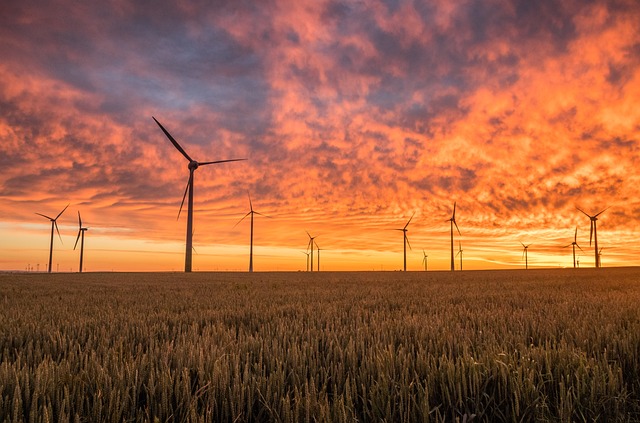
Contextualizing Europe’s Shift Toward Renewable Integration
The geopolitical tension following disruptions in gas supply from Eastern regions forced European economies to reconsider their dependence on fossil imports. This shift is not only environmental but also strategic, aimed at stabilizing markets and reducing exposure to external shocks. Policy frameworks such as the European Green Deal and REPowerEU have set ambitious targets for renewable energy systems deployment across all member states. These frameworks provide funding mechanisms, infrastructure modernization plans, and clear decarbonization pathways aligned with the 2050 climate neutrality goal.
The Interconnection Between Solar Power and Energy Storage
Solar power alone cannot guarantee stability in variable weather conditions. When paired with large-scale batteries or hybrid storage systems, photovoltaic installations can deliver predictable output even during peak demand or low sunlight hours. This synergy enhances grid flexibility while reducing curtailment losses. Advanced battery technologies—particularly lithium-ion and emerging solid-state variants—are transforming how operators manage intermittency. By balancing surplus generation with flexible capacity, integrated solar-storage networks form the operational core of modern renewable energy systems.
Redefining Solar Deployment Across European Markets
The rapid expansion of solar capacity across Europe reflects both technological progress and evolving market structures that favor distributed generation models.
Technological Advancements in Photovoltaic Systems
Recent innovations in high-efficiency modules, including bifacial panels that capture light from both sides, have lifted energy yields without expanding land use. Digitalization plays an equally critical role: AI-driven predictive maintenance tools detect anomalies before failures occur, improving uptime across utility-scale farms. In parallel, decentralized rooftop systems are gaining traction among industrial facilities seeking energy autonomy—a trend supported by declining equipment costs and simplified permitting procedures.
Market Dynamics Influencing Solar Expansion
Investment patterns reveal growing confidence in solar assets as stable long-term revenue sources. Institutional investors increasingly participate through green bonds or power purchase agreements (PPAs), which lock in fixed prices for renewable electricity over decades. Regulatory incentives such as feed-in tariffs once dominated early markets; today carbon pricing under the EU Emissions Trading System exerts stronger influence on project economics. Moreover, cross-border electricity trading under integrated European markets allows surplus solar generation from southern regions to meet northern demand efficiently.
The Evolution of Energy Storage as a Core Component of the Grid
Storage has evolved from a supportive technology into a central pillar of grid management strategy across Europe.
Advances in Battery Technologies and Hybrid Systems
Lithium-ion batteries remain dominant due to high energy density and falling costs per kilowatt-hour. Yet research into solid-state chemistries promises higher safety margins and extended lifespans suitable for stationary applications. Flow batteries offer scalability for multi-hour discharge durations ideal for balancing renewable fluctuations. Hybrid configurations—combining electrochemical units with mechanical or thermal storage—enable operators to tailor performance profiles to specific grid needs while addressing lifecycle sustainability through recycling initiatives.
Grid Flexibility and System Resilience Through Storage Integration
Distributed storage assets now perform critical ancillary services such as frequency regulation and peak shaving, reducing strain on transmission infrastructure during demand surges. Adaptive control systems coordinate these assets dynamically to counter volatility caused by variable renewables. Virtual power plants (VPPs) aggregate thousands of decentralized batteries into unified operational entities capable of participating in wholesale markets—an approach already piloted successfully in Germany and the Netherlands.
Policy, Regulation, and Market Design for Renewable System Integration
Policy coherence remains essential for scaling renewable energy systems effectively across diverse national contexts within the EU.
European Union Directives Driving Renewable System Adoption
The Fit for 55 package enforces emissions reductions through binding sectoral targets while incentivizing clean technology deployment via innovation funds. REPowerEU accelerates renewable permitting processes to cut dependency on imported fuels, whereas the Clean Energy Package redefines market rules around prosumer participation and demand response integration. Despite progress, harmonizing grid codes among member states continues to challenge cross-border coordination efforts necessary for seamless electricity trade.
Economic Instruments Supporting Solar and Storage Deployment
Carbon markets remain pivotal economic levers encouraging investment shifts toward low-carbon infrastructure. Green bonds finance large-scale solar-storage projects under transparent environmental criteria verified by independent agencies such as the Climate Bonds Initiative. Capacity markets further reward providers offering flexible generation or storage capacity during system stress events. Public-private partnerships are emerging as catalysts for innovation clusters developing next-generation renewable system components across Europe’s industrial corridors.
Digitalization as an Enabler for Next-generation Renewable Systems
The digital layer underpinning modern grids transforms raw data into actionable intelligence that maximizes asset value while securing operations against cyber threats.
Smart Grids, Data Analytics, and AI Optimization Models
Digital twins replicate physical assets virtually to test operational scenarios without risking downtime or damage. Predictive analytics analyze sensor data streams from solar-storage sites to forecast performance degradation patterns accurately, extending asset longevity through timely interventions. Cybersecurity frameworks aligned with ISO/IEC standards safeguard data integrity within interconnected networks where millions of devices communicate simultaneously—a nontrivial challenge given rising cyberattack sophistication.
Blockchain Applications in Energy Trading and Transparency
Blockchain introduces traceability into green certificate systems by recording every transaction immutably on distributed ledgers accessible to regulators and consumers alike. Tokenization enables peer-to-peer trading models where households exchange surplus solar power locally without intermediaries—a concept gaining traction under regulatory sandboxes in several EU countries. However, scalability limits persist due to transaction throughput constraints and interoperability issues between blockchain protocols used by different operators.
Future Outlook: Integrating Renewable Systems into a Unified European Energy Framework
Europe’s long-term vision extends beyond national strategies toward an interconnected ecosystem where renewables operate seamlessly across borders.
Pathways Toward a Decentralized Renewable Infrastructure
Community energy projects are reshaping local participation by allowing citizens to co-own microgrids powered by solar-storage combinations that enhance regional resilience during outages or price spikes. Integration of microgrids within national transmission networks supports autonomous operation when required yet contributes collectively to continental stability under normal conditions. Hydrogen coupling with solar-storage arrays offers promising seasonal balancing potential—storing excess summer electricity as hydrogen fuel usable throughout winter months.
Strategic Priorities for Achieving a Sustainable Energy Transition
Achieving full decarbonization demands synchronized investment across technology innovation pipelines, transmission upgrades, and policy harmonization mechanisms ensuring fair access for all market actors. Cross-border collaboration remains crucial for smoothing supply-demand imbalances between northern consumption centers and southern generation hubs connected through interregional corridors like the North Sea Wind Power Hub initiative. Ultimately, Europe aims to establish an integrated renewable ecosystem capable of sustaining net-zero operations while reinforcing economic sovereignty against external disruptions.
FAQ
Q1: Why are renewable energy systems central to Europe’s energy security?
A: They reduce reliance on imported fossil fuels while diversifying supply sources through domestic wind, solar, and hydro resources that enhance resilience against geopolitical risks.
Q2: How does battery storage improve grid reliability?
A: It provides rapid-response capacity during demand peaks or generation shortfalls, maintaining frequency stability even when intermittent renewables fluctuate unexpectedly.
Q3: What role do digital technologies play in managing renewable assets?
A: Tools like digital twins simulate real-world operations for optimization while AI-driven analytics predict maintenance needs before failures occur.
Q4: Are community microgrids economically viable?
A: Yes, especially when supported by local cooperatives or municipalities pooling resources; they lower distribution losses and keep revenues within communities.
Q5: How will hydrogen complement solar-storage systems?
A: Hydrogen acts as long-term chemical storage converting surplus electricity into storable fuel usable later for power generation or industrial processes when direct electrification is impractical.