
From Waste to Watts: Farm Bill Unlocks Rural Energy Potential
Renewable energy systems are reshaping rural economies by turning agricultural waste into usable power. The Farm Bill has become a key driver, channeling funding and incentives toward biogas, biomass, and hybrid microgrid projects that enhance local resilience. Rural communities are no longer passive consumers of electricity; they’re emerging as decentralized producers. This shift not only reduces methane emissions but also generates new revenue streams for farmers through energy sales and carbon credits. The transition marks a structural change in how rural power is produced, distributed, and sustained.
Renewable Energy Systems and Rural Power Development
Rural regions face distinctive challenges in achieving reliable energy access. Limited grid infrastructure, fluctuating fuel costs, and environmental constraints have made decentralized renewable energy systems increasingly relevant.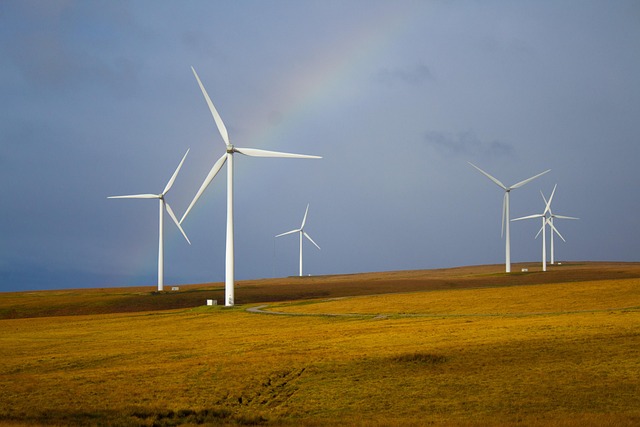
The Growing Relevance of Renewable Energy in Rural Areas
Rural communities often rely on outdated or diesel-based power sources that are costly and polluting. Renewable energy systems such as solar, wind, and biogas provide decentralized alternatives that can operate independently of the main grid. These systems not only stabilize supply but also integrate well with agricultural operations—pumping water, powering cold storage, or processing crops. When farms use their own waste to generate energy, they close resource loops and reduce dependence on external suppliers.
Policy Drivers Supporting Rural Energy Transition
The Farm Bill plays a pivotal role in financing renewable infrastructure across rural America. It includes provisions for grants and low-interest loans supporting biogas digesters, biomass boilers, and solar arrays on farms. Incentives for waste-to-energy technologies encourage farmers to convert manure or crop residues into electricity or heat instead of letting them decompose in open lagoons. Collaboration among federal agencies like USDA Rural Development and state-level energy offices accelerates deployment by streamlining permitting and technical support.
Converting Agricultural Waste Into Usable Energy
Turning agricultural residues into usable energy requires both technological sophistication and sound feedstock management practices.
Waste-to-Energy Technologies
Biomass conversion technologies such as anaerobic digestion, gasification, and pyrolysis transform organic matter into valuable fuels. Anaerobic digestion produces biogas from livestock manure or silage effluent, which can be used directly for heating or converted to electricity via generators. Gasification converts dry biomass into syngas—a mixture of hydrogen and carbon monoxide—while pyrolysis yields bio-oil and biochar. Integrating waste heat recovery enhances efficiency by capturing thermal energy from exhaust gases for reuse.
The Role of Feedstock Management in System Efficiency
Feedstock quality determines system performance more than most realize. Proper segregation of organic waste from non-biodegradable materials improves yield consistency. Seasonal variations in crop residues require flexible storage or co-digestion strategies to maintain steady biogas output throughout the year. Local sourcing of feedstock minimizes transport costs and emissions while ensuring steady supply chains for community-scale plants.
Technological Pathways for Waste-to-Power Conversion
Different conversion pathways suit different farm types depending on available feedstock, scale, and climate conditions.
Anaerobic Digestion Systems in Agricultural Settings
In anaerobic digestion systems, microorganisms break down organic material in oxygen-free tanks to produce methane-rich biogas. This gas powers combined heat and power (CHP) units that supply electricity to the farm or nearby users. The remaining digestate serves as a nutrient-rich fertilizer containing nitrogen, phosphorus, and potassium—returning value to the soil instead of creating disposal problems. Recent innovations include modular digesters designed for small farms that can be expanded over time without major reconstruction.
Gasification and Pyrolysis Applications in Rural Energy Systems
Gasification operates at high temperatures with limited oxygen to convert solid biomass into syngas suitable for engines or turbines. It’s ideal for woody residues like corn cobs or forestry waste common in rural areas. Pyrolysis occurs at slightly lower temperatures without oxygen, producing bio-oil that can substitute diesel fuel in some applications. The process also generates biochar—a stable carbon form that improves soil structure and water retention when applied back to fields.
Integrating Renewable Energy Systems Into Rural Infrastructure
Integration goes beyond individual technologies; it’s about designing interconnected systems that balance generation with demand across seasons.
Hybrid Systems Combining Multiple Renewable Sources
Hybrid configurations—such as combining biogas with solar PV—enhance reliability by compensating each other’s fluctuations. During sunny days solar panels dominate generation; at night or cloudy periods biogas engines take over seamlessly through automated control systems. Smart controllers manage load distribution between sources while optimizing battery use to prevent over-discharge during low-generation intervals.
Energy Storage and Distribution Strategies for Rural Communities
Battery storage remains essential where renewable output varies sharply during the day or across seasons. Lithium-ion systems are common due to falling costs and long cycle life, though flow batteries are gaining ground for larger installations requiring long-duration discharge. Localized microgrids built around these storage hubs improve resilience against outages from centralized utilities. However, grid interconnection policies—especially net metering rules—strongly influence whether rural producers can sell surplus power economically.
Economic and Environmental Implications of Waste-to-Energy Deployment
Adopting waste-to-energy solutions involves both financial calculations and environmental trade-offs that differ by region.
Cost-Benefit Analysis for Agricultural Producers
While installation costs remain significant—often exceeding $2 million for medium-scale digesters—the long-term benefits offset initial spending through reduced utility bills and potential income from renewable credits or feed-in tariffs. Farmers selling surplus electricity back to the grid can diversify revenue streams alongside traditional crop income. Economic feasibility depends heavily on technology type, plant size, available incentives, and local electricity tariffs.
Environmental Performance Metrics of Waste-Derived Energy Systems
Waste-derived energy significantly cuts methane emissions compared with open-lagoon manure storage since captured gas is combusted rather than vented into the atmosphere. Lifecycle assessments show lower carbon intensity than fossil fuels even when accounting for equipment manufacturing impacts. By recycling nutrients through digestate application or using biochar as soil amendment, these systems embody circular economy principles where nothing truly goes to waste.
Future Directions for Policy, Research, and Implementation
The momentum behind rural renewable projects depends on continuous innovation supported by coherent policy frameworks.
Advancing Innovation Through Research Collaboration
University-industry partnerships are driving advances in microbial engineering for faster digestion rates or improved gas yields under variable temperatures typical of farm environments. Data-driven modeling helps design site-specific configurations that match local feedstock availability with optimal reactor sizes. Pilot plants provide valuable operational data guiding commercial-scale deployment decisions across different climates.
Strengthening Policy Frameworks to Support Adoption
Simplifying permitting procedures encourages private investors wary of bureaucratic delays common in infrastructure projects. Long-term funding programs—beyond short grant cycles—help technologies mature from prototype to market-ready solutions without financial gaps interrupting progress. Aligning these initiatives with national climate action plans ensures rural development contributes meaningfully toward emission reduction targets while sustaining economic growth.
FAQ
Q1: What is the main benefit of converting farm waste into energy?
A: It transforms pollution liabilities into productive assets by generating renewable power while reducing greenhouse gas emissions from decomposing organic matter.
Q2: How does the Farm Bill support renewable projects?
A: It offers grants, loan guarantees, and technical assistance under programs like REAP (Rural Energy for America Program), enabling farmers to invest in clean technologies affordably.
Q3: Which technology suits small farms best?
A: Modular anaerobic digesters are most practical since they handle diverse feedstocks efficiently at smaller scales without complex maintenance requirements.
Q4: Can biochar from pyrolysis really improve soil health?
A: Yes, biochar enhances soil structure by increasing porosity and nutrient retention capacity while sequestering carbon over long periods.
Q5: Why are hybrid renewable systems gaining popularity?
A: They combine complementary sources like solar and biogas to maintain stable power output throughout seasonal changes typical in rural areas where grid access is limited.