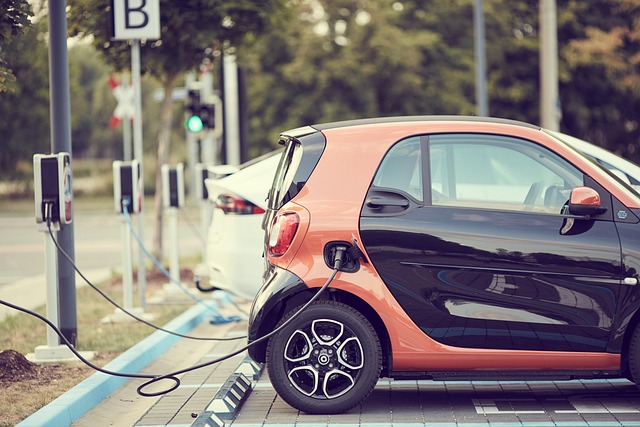

I Travel in Small Electric Car, Had Already Cut Expenditure: Himachal CM Mocks Centre
The Himachal Chief Minister’s statement about traveling in a small electric car and cutting expenditure is more than political humor—it reflects a fiscal and environmental philosophy. The use of small electric cars in governance settings signals how sustainability and financial prudence can align. When public leaders adopt electric mobility, they not only reduce operational costs but also demonstrate responsible stewardship of public funds. This article evaluates such policies through fiscal responsibility, economic efficiency, and governance frameworks that balance ecological goals with sound budgeting.
Evaluating Fiscal Responsibility Through Small Electric Car Policies
Adopting small electric cars within government operations raises critical questions about how sustainability intersects with fiscal management. The long-term impact of such policies depends on whether they deliver measurable savings while promoting cleaner mobility.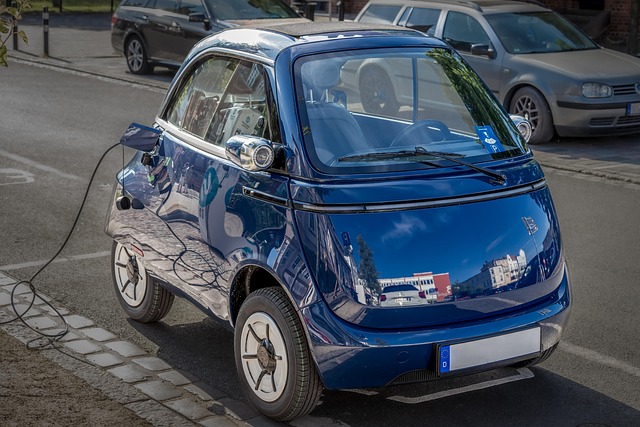
The Intersection of Sustainable Mobility and Public Finance
Small electric car initiatives can illustrate fiscal prudence when designed for long-term cost efficiency. Investment in electric mobility reduces fuel dependency and curtails public spending on subsidies. For instance, replacing conventional vehicles with small electric cars in administrative fleets can lower maintenance costs by up to 40%, as reported by the International Energy Agency (IEA). When policymakers themselves use these vehicles, it sends a message that fiscal discipline and environmental responsibility are not mutually exclusive.
Assessing Policy Decisions Through the Lens of Economic Efficiency
Government incentives for small electric cars must weigh immediate budget impacts against future economic benefits. Subsidies or tax credits should be targeted toward high-impact areas like urban fleets or public transport electrification. Transparent cost-benefit analyses—standard practice under ISO 14040 life cycle assessment frameworks—help governments maintain budget stability while supporting green transitions. Without such scrutiny, even well-intentioned policies risk becoming fiscally unsustainable.
Political Messaging and Symbolism in Electric Mobility Adoption
Beyond economics, the symbolic dimension of adopting small electric cars plays an essential role in shaping narratives around governance and accountability. Political gestures often influence how citizens interpret policy priorities.
The Role of Political Leadership in Shaping Public Perception
When leaders publicly use small electric cars, they embody messages of modesty and responsibility. It mirrors global trends where heads of state use low-emission vehicles to reinforce commitments to climate goals under agreements like the Paris Accord. However, symbolism must align with substance—if policy execution lags behind rhetoric, credibility suffers quickly.
Interpreting Mockery and Political Discourse Around Electric Vehicle Use
Political humor around small electric car usage often hides deeper commentary on fiscal strategy. The Himachal CM’s remarks mocking central expenditure patterns highlight contrasting approaches to budget discipline between local and national levels. Such exchanges reveal tensions over resource allocation rather than mere personal choices about vehicle type.
Economic Implications of Promoting Small Electric Cars in Governance Structures
Transitioning public fleets to small electric cars reshapes both short-term budgets and long-term expenditure patterns. Governments must evaluate total lifecycle costs rather than upfront expenses alone.
Budgetary Impact of Transitioning to Electric Vehicle Fleets
Switching from internal combustion fleets to small electric cars entails initial infrastructure investments—charging stations, grid upgrades—but operational savings accumulate over time through reduced fuel consumption and fewer mechanical failures. BloombergNEF data shows that EVs typically achieve cost parity within five years for fleet operations due to lower running costs.
Long-Term Fiscal Benefits from Reduced Carbon Expenditure
Cleaner transport reduces healthcare costs linked to pollution-related diseases, which can account for up to 2% of GDP losses in developing economies according to the World Health Organization (WHO). Moreover, lower fuel imports strengthen national reserves by conserving foreign exchange—a subtle yet powerful form of fiscal resilience.
Governance Frameworks Supporting Responsible Electric Vehicle Policies
Strong governance ensures that the shift toward small electric cars remains transparent, efficient, and fiscally prudent. Policy design must integrate accountability mechanisms at every stage.
Designing Policy Instruments That Reflect Fiscal Prudence
Effective incentive structures focus on measurable outcomes rather than blanket subsidies. Public-private partnerships distribute risk while accelerating infrastructure rollout—a model successfully applied in Scandinavian EV programs under EU funding guidelines. Regulatory oversight ensures funds allocated for EV adoption deliver tangible results rather than symbolic gestures.
Monitoring, Evaluation, and Transparency Mechanisms
Regular evaluation keeps policies aligned with fiscal goals as market conditions evolve. Governments increasingly employ digital dashboards for tracking EV program expenditures—a practice endorsed by the International Renewable Energy Agency (IRENA) for maintaining transparency in energy transition projects. Independent audits further enhance credibility among taxpayers.
Broader Impacts on Sustainable Governance Models
Integrating sustainable transport into fiscal policy frameworks demonstrates how ecological aims can reinforce financial integrity instead of competing with it.
Integrating Environmental Responsibility into Fiscal Policy Design
Sustainable mobility policies exemplify how environmental objectives complement disciplined budgeting. When ministries coordinate across sectors—energy, finance, transport—they foster innovation without overspending. Embedding sustainability indicators into annual budget reviews strengthens institutional accountability over time.
Lessons for Policymakers from Emerging Trends in Electric Mobility Governance
Comparative studies across states show that adaptive policymaking—adjusting incentives as technology costs fall—produces better long-term outcomes than static subsidy schemes. Effective communication also matters: explaining how a small electric car policy reflects prudent governance helps citizens view sustainability as a rational economic choice rather than ideological preference.
FAQ
Q1: How do small electric cars contribute to fiscal responsibility?
A: They reduce fuel expenses, maintenance costs, and health-related expenditures while signaling disciplined public spending.
Q2: What makes government EV programs economically efficient?
A: Programs grounded in lifecycle cost analysis and transparent reporting maintain fiscal balance while achieving environmental goals.
Q3: Why is leadership symbolism important in EV adoption?
A: It shapes citizen perception of accountability; visible adoption reinforces trust when matched with consistent policy action.
Q4: What are common financial challenges during fleet electrification?
A: High upfront procurement costs and infrastructure setup require careful phasing within existing budget cycles.
Q5: How can governments sustain transparency in EV policies?
A: Through continuous monitoring systems, independent audits, and open data sharing on program expenditures and outcomes.