
Electrical Failure in Solar Panel System Causes Roof Fire, Leaves Hainesville Home Uninhabitable
A roof fire in Hainesville traced to an electrical failure within a solar panel system underscores the hidden risks of photovoltaic installations. The incident, which rendered the home uninhabitable, highlights how small electrical faults can escalate into large-scale structural fires. Electrical degradation, poor installation practices, and inadequate maintenance remain key culprits. This article dissects the mechanisms that connect electrical failures to roof fires and explores how engineering controls, maintenance routines, and regulatory frameworks can mitigate such hazards in future solar projects.
Common Electrical Faults in Photovoltaic Installations
Electrical faults in solar panel systems often originate from subtle issues that develop over time. Even minor defects can trigger cascading failures that compromise safety and efficiency.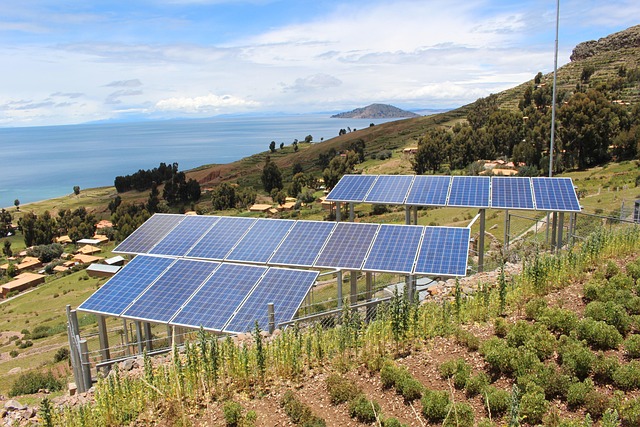
Loose Connections, Insulation Degradation, and Faulty Wiring as Key Contributors
Loose or improperly torqued connections create high-resistance points that generate heat under current load. Over time, insulation materials degrade due to thermal cycling and UV radiation exposure. Faulty wiring—especially on the DC side—can lead to localized heating or short circuits if not properly routed or protected.
The Role of DC Arcs and Short Circuits in Initiating Thermal Events
DC arcs occur when current bridges a gap between conductors due to damaged insulation or loose terminals. Unlike AC arcs that extinguish naturally at zero crossings, DC arcs persist until interrupted by protective devices. These arcs can reach temperatures exceeding 3,000°C, igniting nearby combustible materials such as polymer backsheets or roofing membranes.
Influence of Environmental Stressors Such as UV Exposure, Moisture, and Temperature Cycles
Outdoor exposure accelerates material fatigue. Moisture ingress into connectors or junction boxes promotes corrosion and insulation breakdown. Daily temperature swings cause expansion and contraction of metallic contacts, loosening joints over time—especially when torque specifications are not maintained.
Component-Level Vulnerabilities
The reliability of a solar panel system depends heavily on the integrity of its components. Each part—from connectors to inverters—presents unique vulnerabilities that can lead to electrical failure if neglected.
Junction Boxes, Connectors, and Inverters as Potential Failure Points
Junction boxes are frequent sites of overheating due to poor sealing or cracked housings that allow moisture penetration. Connectors exposed to weathering may corrode internally or lose contact pressure. Inverters face stress from continuous thermal cycling and harmonic distortion within power electronics.
Degradation of Bypass Diodes Leading to Localized Overheating
Bypass diodes protect modules from reverse bias conditions but degrade under repeated thermal stress. When they fail shorted or open-circuit, affected cells experience uneven current distribution leading to hot spots capable of melting encapsulant layers.
The Impact of Poor Installation Practices on Electrical Reliability
Improper cable routing across sharp edges or inadequate strain relief increases abrasion risk. Installers who skip torque verification leave terminals vulnerable to vibration-induced loosening—a common precursor to arcing events.
Mechanisms Linking Electrical Failure to Roof Fires
When electrical faults occur within a solar array, they can rapidly evolve into ignition sources capable of setting roofing materials alight.
Thermal Runaway and Arc Formation
Resistive heating intensifies when contact resistance rises at loose terminals or corroded joints. As temperatures climb, metal oxidation further increases resistance—a feedback loop known as thermal runaway. Once arcing begins within a DC circuit, plasma formation sustains high temperatures long enough to ignite adjacent polymers or bituminous roofing layers.
The Process of Arc Propagation Within DC Circuits of Solar Arrays
An arc initiated at one connector can jump across neighboring conductors if spacing is insufficient or insulation has degraded. The resulting plasma channel expands along cable runs until interrupted by an arc-fault circuit interrupter (AFCI) or physical separation.
Conditions Under Which Arcs Ignite Surrounding Combustible Materials
Combustion risk rises when arcs form near combustible substrates like plywood decking or asphalt shingles. Poor ventilation beneath panels traps heat pockets that accelerate ignition once radiant energy exceeds material flash points.
Interaction Between Electrical Components and Roofing Materials
The interface between photovoltaic hardware and roof structure determines how effectively heat dissipates during abnormal operation.
Heat Transfer From Malfunctioning Components to Roof Substrates
Overheated junction boxes radiate energy downward through mounting rails into roof sheathing. Prolonged exposure above 150°C weakens adhesives used in waterproof membranes and can char underlying wood structures.
Flammability Characteristics of Common Roofing Materials Near Solar Arrays
Asphalt shingles ignite around 260°C while PVC membranes soften at even lower temperatures. Once compromised by radiant heat from failed modules, these surfaces sustain flame spread across wide areas beneath arrays.
Influence of Mounting Design on Ventilation and Heat Dissipation Efficiency
Mounting systems with minimal air gaps restrict convective cooling. Designs incorporating raised standoffs improve airflow but must balance aerodynamics against wind uplift forces—a tradeoff often overlooked during cost-driven installations.
Fire Propagation Dynamics in Solar Roof Systems
Once ignition occurs beneath a solar array, fire behavior differs significantly from open-roof scenarios due to confined geometry and concealed pathways.
Structural Pathways for Fire Spread
Cables routed through attic spaces act as conduits for flame migration into interior cavities. Aluminum racking systems conduct heat laterally across multiple modules enabling rapid spread before detection.
Role of Racking Systems and Air Gaps in Supporting Fire Movement Across Panels
Air gaps between modules facilitate oxygen supply sustaining combustion underneath panels while limiting visibility from ground level—delaying response times during early stages.
Potential for Concealed Fires Beneath Modules Before Visible Detection
Fires often smolder beneath panels for extended periods before breaking through surface layers. By then structural damage may already compromise rafters and insulation materials below.
Detection and Suppression Challenges
Fire response involving energized photovoltaic arrays presents unique hazards not encountered in conventional building fires.
Limitations of Conventional Smoke Detectors Near Rooftop Installations
Standard detectors positioned indoors may not sense smoke generated externally until it infiltrates living spaces—by which time flames have intensified above the ceiling plane.
Difficulties Faced by Firefighters Due to Energized Circuits During Suppression Efforts
Even after grid disconnection, daylight keeps PV strings energized up to hundreds of volts DC posing electrocution risks for responders using conductive water streams or metal tools.
Importance of Rapid Isolation Mechanisms for DC Disconnects and String-Level Fuses
Modern codes require accessible disconnects allowing firefighters to de-energize arrays quickly; however older systems lacking module-level shutdown increase suppression complexity significantly.
Risk Mitigation Strategies for Solar Panel Installations
Preventing recurrence demands both robust engineering design and disciplined maintenance culture throughout system life cycles.
Design and Engineering Controls
Incorporating AFCIs detects arc signatures early preventing sustained plasma formation. Using non-combustible racking materials like aluminum alloys reduces fire load while fire-rated barriers shield combustible substrates beneath arrays. Proper cable management eliminates abrasion points minimizing mechanical wear over decades-long service life.
Maintenance and Inspection Protocols
Thermographic imaging identifies hotspots invisible during routine checks enabling corrective action before failure escalation. Periodic torque verification maintains secure terminations against vibration effects while inverter log analysis reveals irregular current patterns symptomatic of developing faults such as intermittent arcing events.
Regulatory Frameworks and Industry Standards Addressing Fire Safety in PV Systems
Regulations continue evolving globally as authorities refine standards governing photovoltaic safety performance under fire conditions.
National and International Guidelines
The U.S. National Electrical Code (NEC) Article 690 mandates design features addressing grounding continuity, conductor protection, rapid shutdown requirements, and labeling for firefighter awareness. IEC standards including IEC 61730 and IEC 61215 define module construction criteria ensuring flame spread resistance under simulated fault conditions while local building codes dictate installation clearances facilitating firefighting access routes around rooftop arrays.
Evolving Safety Technologies in the Solar Industry
Module-level power electronics (MLPE) now enable rapid shutdown compliance reducing live voltage exposure during emergencies. Manufacturers increasingly adopt flame-retardant encapsulants replacing traditional EVA films while AI-driven predictive maintenance platforms analyze operational data streams detecting anomalies before catastrophic failure occurs.
Lessons from Real Incidents Involving Solar-Induced Roof Fires
Documented incidents reveal recurring technical weaknesses emphasizing the importance of lifecycle vigilance beyond commissioning phases.
Identifying Patterns Across Documented Events
Connector degradation remains a leading ignition source often linked with improper crimping or incompatible mating between different manufacturer types resulting in resistive heating zones preceding ignition events observed globally across residential PV sites.
Observed Influence of Aging Systems Without Proper Maintenance Schedules
Systems exceeding ten years frequently exhibit insulation cracking around cable entries where UV exposure was underestimated during design phase underscoring necessity for mid-life refurbishment programs integrating updated safety hardware retrofits like AFCIs or MLPE units.
Importance of Post-Installation Audits to Ensure Compliance With Updated Safety Standards
Independent audits following major code revisions verify conformity with new isolation protocols preventing legacy risks persisting unnoticed within aging infrastructure portfolios across suburban housing sectors similar to Hainesville’s affected property stock built before 2015 standard updates took effect.
Future Directions in Fire-Safe Photovoltaic System Design
Ongoing innovation aims at eliminating root causes rather than merely containing consequences once faults arise within distributed generation assets atop buildings worldwide.
Innovations Enhancing Electrical Reliability
Emerging solid-state relays provide instantaneous arc suppression directly at module outputs removing need for mechanical contactors prone to wear-out cycles while smart monitoring networks deliver real-time diagnostics integrating temperature sensors along string harnesses improving situational awareness during transient anomalies otherwise undetectable until damage manifests physically on rooftops.
Integrating Fire Safety Into Sustainable Energy Infrastructure Planning
Future urban planning must reconcile renewable deployment goals with enhanced structural resilience frameworks combining expertise from electrical engineers alongside fire protection specialists ensuring integrated solutions balancing efficiency ambitions against occupant safety imperatives—a lesson reinforced tragically by the Hainesville event reminding industry stakeholders that sustainability without safety remains incomplete progress.
FAQ
Q1: What typically causes electrical fires in solar panel systems?
A: Most originate from loose connections, degraded insulation, or faulty wiring creating high-resistance heating points that eventually ignite nearby materials under sustained load conditions.
Q2: How do environmental factors accelerate PV component failure?
A: UV light breaks down polymers while moisture intrusion corrodes metallic parts; combined temperature cycling loosens joints accelerating fault development over years of exposure.
Q3: Why are DC arcs particularly dangerous compared with AC faults?
A: Direct current lacks natural zero-crossing points meaning arcs persist continuously generating extreme heat capable of melting conductors until forcibly interrupted by protective devices like AFCIs.
Q4: What preventive measures reduce fire risk on rooftops with solar panels?
A: Use non-combustible mounts, maintain proper ventilation gaps beneath modules, perform thermographic inspections annually, and install rapid-shutdown compliant electronics per NEC 690 guidelines.
Q5: How should firefighters handle energized PV arrays during a blaze?
A: They isolate circuits via external disconnects before applying suppression agents avoiding direct contact with live components; training now emphasizes recognizing PV-specific hazards during response operations.