
Any Small Storage Places Near Me?
Finding a reliable storage space near me is not just about size or price; it’s about operational quality, safety, and adaptability. The best professional storage facilities combine strategic location, efficient design, robust security, and sustainable management. For businesses and professionals, these factors directly affect logistics performance, cost control, and long-term reliability. In short, a well-managed storage space functions as an extension of business infrastructure rather than a passive holding area.
Key Factors That Define Quality in Professional Storage Spaces
Selecting a professional storage facility involves more than securing empty square footage. It requires evaluating how each element—from location to layout—supports daily operations and future growth.
The Importance of Location and Accessibility
Location is the backbone of any efficient storage operation. Proximity to business centers or industrial zones reduces transport time and fuel costs. A strategically placed facility also minimizes downtime between dispatches. Easy access for loading and unloading improves workflow rhythm, especially when vehicles operate on tight schedules. Facilities near major roads or logistics hubs offer added convenience for suppliers and clients alike, ensuring smoother supply chain movement.
Evaluating Space Design and Layout Efficiency
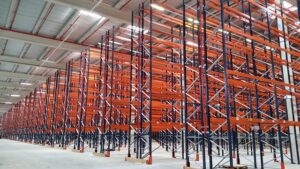
A well-designed layout determines how effectively space is used without creating cluttered aisles or unsafe conditions. Adequate aisle width supports forklift movement and prevents congestion during high-traffic hours. Modular units allow businesses to adjust capacity as inventory fluctuates throughout the year. Many modern facilities now incorporate adjustable shelving systems that help balance vertical and horizontal storage needs—a small but impactful design choice that saves both time and cost in handling operations.
Security and Safety Standards in Professional Storage Facilities
Security measures are no longer optional; they are central to maintaining client trust. High-value goods require constant monitoring, while regulatory compliance ensures operational continuity.
Advanced Security Infrastructure
Professional-grade facilities use surveillance systems with continuous recording to deter theft or vandalism. Controlled entry points with biometric or coded access restrict unauthorized personnel from entering sensitive areas. On-site security staff provide real-time response capabilities that automated systems alone cannot match. This combination creates multiple layers of protection—physical, digital, and human—that safeguard stored assets around the clock.
Compliance with Safety Regulations and Environmental Controls
Safety standards extend beyond fire alarms or extinguishers. Fire suppression systems using inert gas or mist technology minimize damage risk without harming stored materials. Proper ventilation prevents humidity buildup that could compromise packaging integrity or electronic components. Temperature-controlled zones maintain ideal conditions for perishable goods or precision instruments. Compliance with occupational safety standards such as ISO 45001 helps reduce workplace hazards while demonstrating due diligence to clients.
Operational Efficiency and Facility Management Practices
Operational excellence defines whether a storage provider can deliver consistent performance over time. Maintenance routines, cleanliness protocols, and staff professionalism all contribute to this reliability.
Maintenance Protocols and Cleanliness Standards
Routine inspections identify early signs of structural wear like roof leaks or floor cracks before they escalate into costly issues. Pest control programs prevent contamination risks for food-grade or pharmaceutical items. Clean environments also improve worker morale—no one wants to operate amid cluttered aisles or dusty shelves. Scheduled maintenance keeps lighting systems functional, HVAC units calibrated, and loading docks secure for daily use.
Staff Expertise and Customer Support Systems
The human factor remains crucial even in highly automated facilities. Trained managers understand compliance requirements across different industries—from document archiving to chemical storage—and can tailor solutions accordingly. Responsive customer service teams handle queries quickly, minimizing disruptions when clients need urgent access adjustments or billing clarifications. Transparent communication builds long-term trust between businesses and their storage providers.
Technological Integration in Modern Storage Spaces Near Professionals
Technology has transformed how professional spaces operate today. Automation reduces manual errors while data analytics enhances decision-making on capacity planning and asset tracking.
Smart Storage Management Systems
Digital inventory tracking platforms give real-time visibility into stock levels across multiple units or locations. Automated notifications remind clients about contract renewals or payment schedules, eliminating administrative delays. IoT-enabled sensors continuously monitor temperature, humidity, or motion within each unit—particularly valuable for sensitive goods like electronics or artworks where environmental stability is critical.
Data Security and Digital Infrastructure Reliability
As more management tasks move online, digital infrastructure becomes part of the facility’s backbone. Encrypted platforms protect client records from breaches while maintaining compliance with data protection laws such as GDPR standards in Europe or equivalent frameworks elsewhere. Cloud-based dashboards allow remote access for monitoring inventory without being physically present at the site. Redundant data backups ensure continuity even during network failures or cyber incidents.
Economic Considerations When Selecting a Storage Space Near Me
Cost efficiency matters as much as technical quality when choosing a storage space near me for business use. Financial planning should weigh both immediate expenses and long-term value retention.
Cost Structure and Value Assessment
Transparent pricing models make it easier to compare cost per square foot among competing providers. Some facilities bundle insurance coverage or transportation support into their packages—services that may justify slightly higher rates if they reduce overall operational workload elsewhere in the supply chain. Evaluating short-term versus long-term rental plans helps determine whether flexibility outweighs potential savings from fixed contracts.
Scalability and Future Expansion Potential
Businesses rarely remain static; therefore flexibility is key when selecting a professional storage partner. Facilities offering variable unit sizes allow companies to scale up during peak seasons without relocating entirely—a frequent issue for retail distributors managing cyclical demand spikes. Long-term partnerships often yield preferential terms such as discounted rates on larger spaces once expansion becomes necessary.
Sustainability and Environmental Responsibility in Storage Solutions
Environmental responsibility increasingly shapes corporate decisions about property usage—including storage operations that consume energy year-round.
Energy Efficiency and Resource Management Practices
Modern facilities integrate renewable energy solutions like rooftop solar panels to offset electricity consumption from lighting systems or climate controls. LED fixtures paired with motion sensors cut unnecessary power usage during low-traffic periods while maintaining adequate illumination for safety compliance under ISO 50001 guidelines on energy management systems. Water recycling mechanisms further reduce resource waste by reusing runoff from cleaning processes for non-potable applications around the site.
Corporate Responsibility and Green Certifications
Green certifications such as LEED (Leadership in Energy and Environmental Design) validate adherence to sustainable construction principles including insulation performance metrics, recycled material use, and efficient HVAC system design verified by independent audits under USGBC protocols (U.S Green Building Council). These certifications not only lower operating costs but also enhance brand reputation among environmentally conscious clients seeking ethical suppliers who align with broader corporate social responsibility goals.
FAQ
Q1: What defines a professional-grade small storage facility?
A: It combines accessibility, secure infrastructure, compliant safety systems, trained staff, digital management tools, and sustainability measures designed for consistent performance over time.
Q2: How does location influence operational cost?
A: Proximity to main distribution routes cuts fuel usage, reduces delivery times, and simplifies coordination between suppliers or clients located nearby industrial zones.
Q3: Are climate-controlled units worth the extra cost?
A: Yes, particularly when storing sensitive items like electronics, pharmaceuticals, artworks, or documents that degrade under fluctuating temperatures or humidity levels.
Q4: What kind of technology do modern storage spaces use?
A: They employ IoT sensors for environment monitoring, cloud-based dashboards for remote tracking, automated alerts for contract updates, and encrypted databases for information security.
Q5: How can sustainability impact long-term facility value?
A: Energy-efficient lighting systems, renewable power integration, water recycling loops, and certified green building materials lower utility costs while enhancing corporate reputation among eco-conscious partners.