
Why Does a Wind Generator Still Matter in 2026?
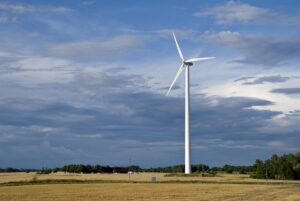
A wind generator is more than a turbine fixed on a tower. On farms, telecom sites, islands, workshops, ranches, coastal homes, and hybrid solar systems, it often covers the hours when solar output is low. If you are checking equipment for a new project, start with the market picture, then come back to your wind data, power load, and site limits. For more category guidance, you can also browse wind generator solutions for typical product directions.
Wind has moved into the regular power mix in many countries. The International Energy Agency reported in its Global Energy Review 2025 that wind supplied 8% of global electricity generation in 2024, while all renewables together supplied one-third. For buyers, this means wind power is not a trial product anymore; it is already part of normal power planning in many markets. (iea.org)
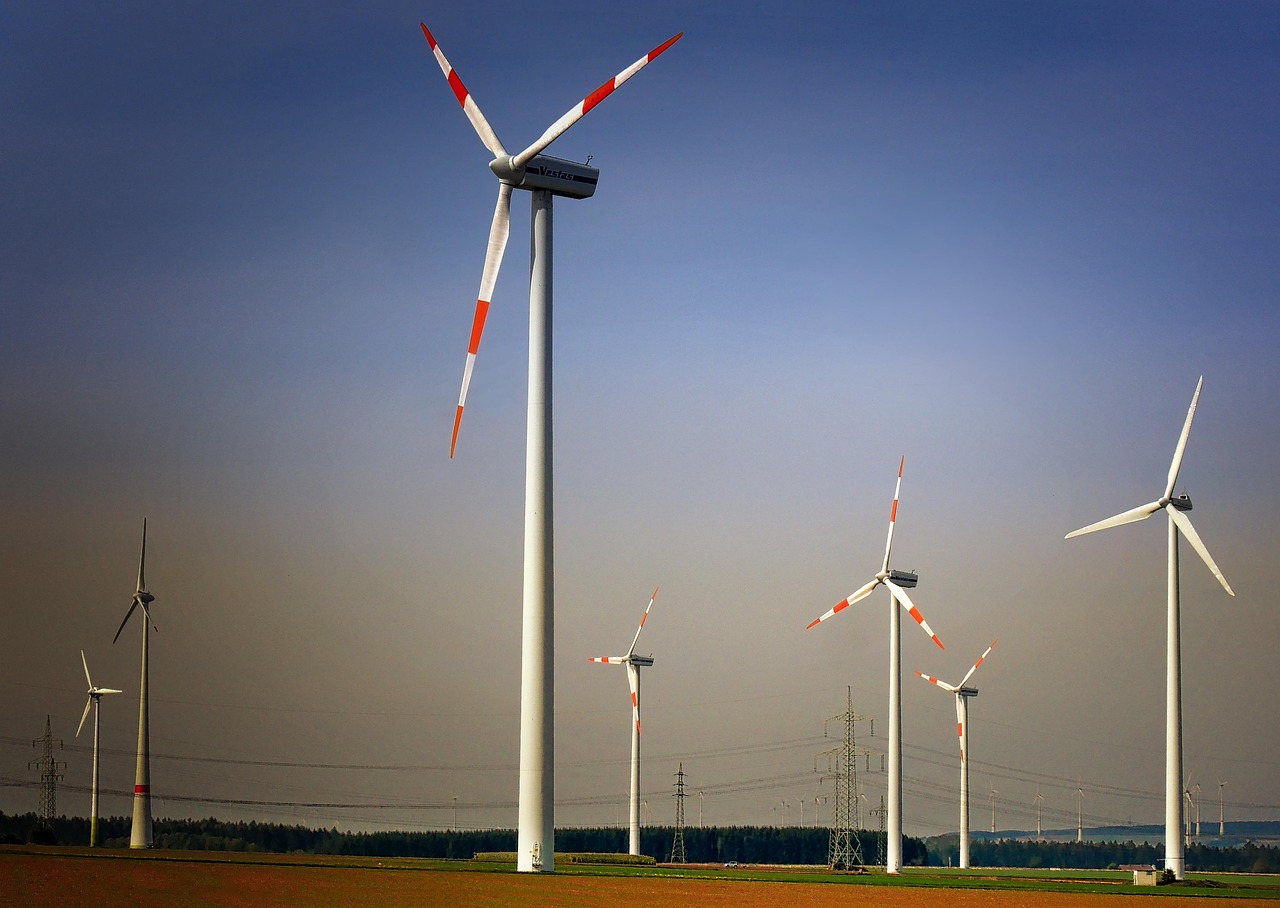
Global Demand Is Real
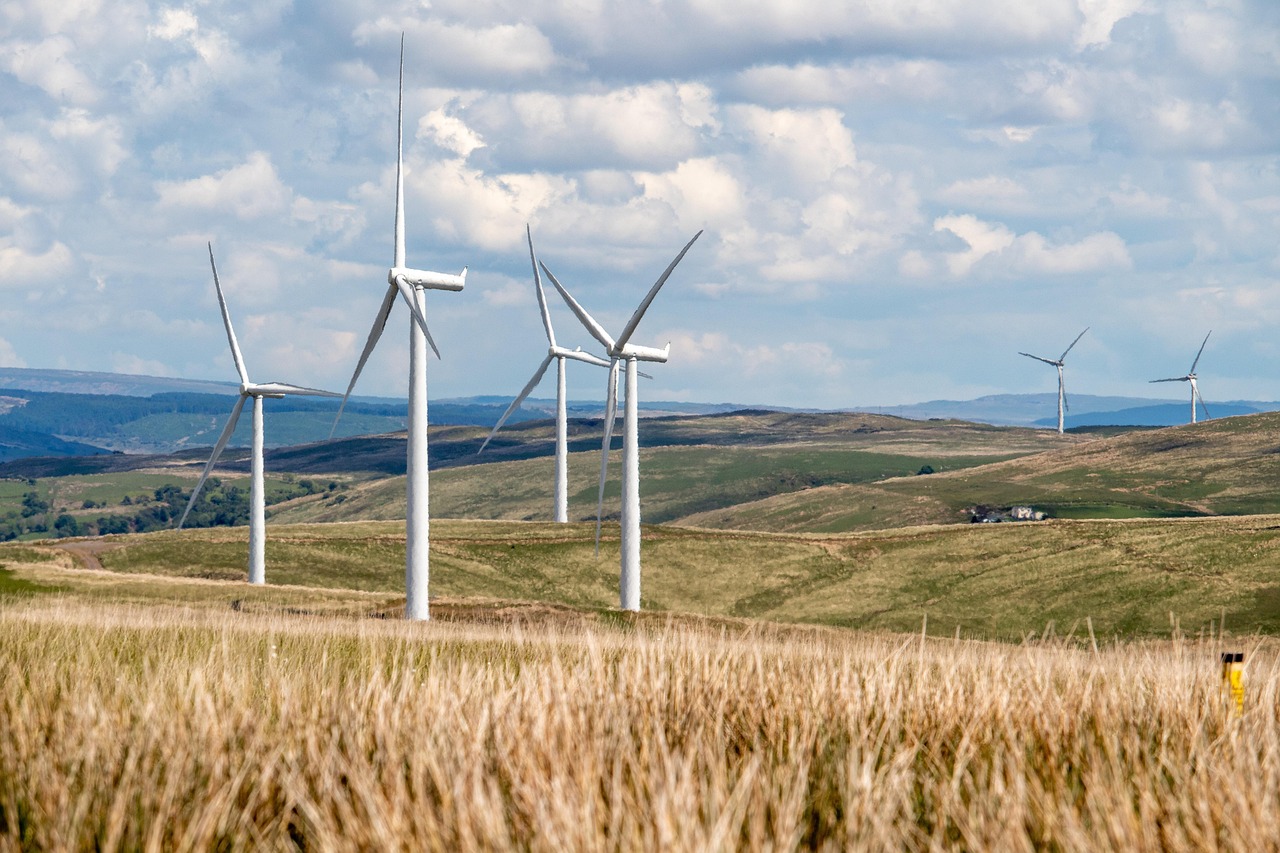
The Global Wind Energy Council stated in its Global Wind Report 2026 that the wind sector added a record 165 GW of new capacity in 2025, lifting global installed wind power to 1,299 GW. For a buyer, this scale has a clear upside: more factories, more component suppliers, more field cases, and better service knowledge than the market had ten years ago.
It also means buyers can compare more options instead of relying on one or two sellers. That helps when you need to check blade supply, controller quality, tower design, and long-term spare parts. (gwec.net)
Small Projects Have Their Place
Utility wind farms get most of the attention, but smaller systems still have a clear use. A small wind generator near the load can cut diesel runtime, add night production to a solar site, or support a remote battery bank.
The U.S. Department of Energy defines a small wind turbine as a unit rated up to 100 kW, normally installed near homes, businesses, villages, or other points of electricity use. That size range fits many rural, commercial, and off-grid projects where grid extension is costly or slow. (energy.gov)
Hybrid Power Needs Diversity
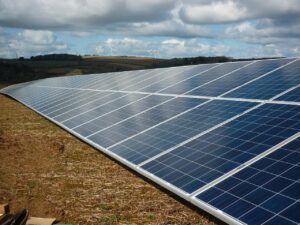
Solar and wind do not follow the same pattern. In many locations, wind is stronger in the evening, in winter, or during rough weather, when solar has less output.
That does not make wind a fix for every site. A calm valley will still give poor production. But at a good site, a wind generator can take pressure off the battery bank and reduce the need to add more solar panels just to cover weak seasons.
How Should You Check Your Wind Resource?
The most common buying mistake is still simple: people choose the turbine before checking the wind. Rated power may look strong on a datasheet, but a power curve only matters when the site has enough clean wind. A nearby airport record, a national wind map, and a walk around the property are useful first checks. For a serious project, measure wind at or near hub height if the budget and schedule allow it.
Average Wind Speed at Hub Height
The U.S. Department of Energy’s consumer guide says a site should have an average annual wind speed of at least 9 mph, or 4 m/s, at hub height. Treat that as an entry point, not as a promise of good output.
A commercial or off-grid buyer should usually look for stronger wind. Wiring losses, turbulence, downtime, battery charging limits, and controller settings all reduce the energy you actually use. (energy.gov)
Clean Airflow Above Obstacles
Wind around buildings, trees, ridges, and roof edges is often disturbed. It may feel windy at ground level, but the rotor may still be working in swirling air.
The DOE guide notes that placing the turbine high above and far from obstacles reduces turbulence, raises productivity, and helps turbine life. This is why a taller tower can give better results than a bigger nameplate rating on a poor tower.
Seasonal Match With Your Load
Check when the site uses power, not only how much it uses in a year. A water-pumping site may need more energy in dry months, while a farm workshop may peak on winter evenings.
A telecom station has a different profile because it needs steady power all year. Compare the local wind season with that demand. If wind is strongest when the load is high, the system is much more likely to feel right after installation.
What Size Wind Generator Do You Really Need?
Sizing should start with energy use, not the wattage printed on the machine. A 5 kW wind generator does not produce 5 kW all day. It reaches rated output only at a set rated wind speed, which is often higher than the site average. So the number to read carefully is annual energy output, usually shown in kWh per year at different average wind speeds.
Monthly kWh Comes First
List the loads by month. Include lights, pumps, cold storage, tools, routers, security systems, and battery charging.
A small error in this step can lead to the wrong turbine size. The DOE Small Wind Guidebook gives a useful example: a 1.5 kW turbine can meet a home using 300 kWh per month at a site with a 14 mph annual average wind speed. At a weaker site, the same turbine would produce much less. (energy.gov)
Rotor Diameter Matters More Than Hype
The rotor is the capture area. A wider rotor catches more wind, much like a wider net catches more fish.
The DOE guide explains that wind turbine power depends on rotor swept area and wind speed, and wind speed is cubed in the power equation. In plain words, a small increase in wind speed can bring a large increase in output. Poor wind, on the other hand, can make even a well-built turbine look weak. (energy.gov)
Battery and Grid Plans Change Sizing
A grid-tied system can send extra power out when the wind is strong, if local rules allow it. An off-grid system needs batteries, charge control, dump loads, and a safe plan for full-battery conditions.
For a hybrid solar and wind setup, the wind generator may not need to cover every load. It may only need to carry nights, cloudy days, or winter gaps. That changes the sizing work and also changes the budget.
Which Technical Features Deserve a Close Look?
Good product selection is usually plain work. The right wind generator for a project is not always the one with the loudest brochure. It is the one with a believable power curve, a suitable tower, proper protection, required certification where it applies, and parts that can be serviced without turning the job into a long delay.
Power Curve and Rated Wind Speed
Ask for the power curve, not only the rated wattage. Check cut-in wind speed, rated wind speed, survival wind speed, and expected annual energy output.
If a turbine claims high output at low wind without a large rotor, slow down and check the numbers. Physics is not kind to loose marketing claims. A clear power curve helps you compare models on the same basis.
Tower Height and Foundation Design
The tower is not an accessory. It is part of the power plant, and it has a direct effect on output and service life. See also: clean energy.
The DOE consumer guide says small wind turbine towers can range from 90 to 140 feet, depending on site needs and local limits. A taller tower may cost more at the start, but it can pay back through cleaner and faster wind. A poor tower choice can reduce output and shorten bearing life. (energy.gov)
Braking, Yaw, and Weather Protection
Check overspeed control, braking method, corrosion protection, lightning protection, and blade material. These details are easy to skip during price comparison, but they show up later in maintenance and downtime.
Coastal and island sites need extra care because salt mist gets into weak coatings and connectors. Cold regions need parts that can handle icing and low-temperature fatigue. In hot desert sites, UV resistance and dust protection may sound basic, but they matter in daily operation.
How Do Costs, Payback, and Maintenance Add Up?
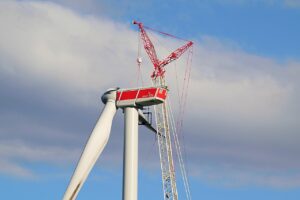
A wind generator project includes more than the turbine head. You may need a tower, foundation, cable, controller, inverter, batteries, metering, crane work, permits, and access for maintenance. Freight can also surprise buyers, especially with long blades or heavy tower sections. A workable budget should cover the full installed system, not just the equipment price.
Installed Cost Needs Context
The DOE consumer guide lists small wind system purchase and installation costs at about $5,000 to $10,000 per kW, though actual costs depend on tower height, soil, distance from the load, and local labor. This range is useful when you compare quotes.
If one offer looks far cheaper than the rest, check what is missing. It may leave out the tower, foundation, controller, wiring, freight, permits, or installation work that you still have to pay for. (energy.gov)
Useful Life and Service Access
The same DOE guide states that small wind energy systems have an average useful life of about 20 years with routine maintenance and periodic parts replacement, such as blades or bearings. That means service planning should be part of the purchase, not something left for later.
Before you buy, confirm how the turbine comes down, who can inspect it, and how fast spare parts can arrive. A machine that is hard to service can lose money even when the turbine price looked fine. (energy.gov)
Real Payback Depends on Displaced Energy
Payback changes from site to site. If the wind generator replaces costly diesel on an island, the numbers can work well.
If it only offsets cheap grid power at a weak wind site, the return may be poor. For a warehouse or farm, also count downtime risk. Power that keeps a pump, freezer, or network link running can be worth more than the kWh price alone.
What Buying Checklist Helps You Avoid Regret?
Before placing an order, slow down and check the small items. Wind projects can run into trouble because of missing permits, weak towers, wrong controllers, vague warranties, or a site owner who did not know a crane needed road access. These points are not exciting, but they protect the project budget.
Site and Permit Review
Confirm setbacks, height limits, noise rules, aviation rules, grid connection rules, and neighbor distance. Do this before shipment, especially for export projects where return costs are painful.
The DOE Small Wind Guidebook describes permitting as the legal process for project approval, usually involving review for safety, sound, aesthetics, setbacks, engineering, and completeness. These rules can change by city, county, and utility, so the local check needs to be done early. (energy.gov)
Supplier Documents and Test Data
Ask for datasheets, drawings, wiring diagrams, power curves, installation manuals, maintenance schedules, and warranty terms. These documents help your installer, electrician, and project owner speak from the same file.
If a public certified performance report is available, use it. If not, ask how the numbers were tested. When reliable third-party data is not available for a specific model, treat that as a risk instead of letting it sit in the small print.
Spare Parts and After-Sales Support
A good supplier can tell you which parts normally wear out, how often inspections should be done, and what should be kept on site. Bearings, brake parts, blades, controllers, rectifiers, and sensors all need a spare-parts plan.
For export projects, packaging quality also matters. A bent tower section or cracked blade at port can turn a tidy schedule into a very bad week.
FAQ
Q1: What Is the Best Wind Generator Size for a Home? A: It depends on monthly kWh use and local wind speed. A small home may use a 1 kW to 10 kW class turbine, but the right size should be based on annual energy output at your actual hub-height wind speed.
Q2: Can a Wind Generator Work With Solar Panels? A: Yes. Wind and solar often pair well because wind may produce more at night or in cloudy seasons. You need the right controller, inverter, battery setup, and dump load for safe operation.
Q3: Is a Rooftop Wind Generator a Good Idea? A: Usually not for serious output. Roofs create turbulent wind, vibration, and noise issues. A tower in clean airflow is normally a better choice if space and permits allow it.
Q4: How Much Wind Speed Does a Small Wind Generator Need? A: As a basic screen, the DOE suggests at least 9 mph, or 4 m/s, annual average wind speed at hub height. Stronger and cleaner wind will usually give a better result.
Q5: What Should You Ask a Supplier Before Buying? A: Ask for the power curve, annual energy estimates, tower requirements, braking method, warranty terms, certification details, spare-parts list, and installation manual. If those documents are missing, keep asking before paying.