
Solar clean energy has moved from option to infrastructure
Solar clean energy is now one of the main ways power systems add electricity supply. It is not replacing every resource by itself, and it still depends on grids, storage, flexible demand and workable permitting. Even so, the direction is clear. Recent electricity data shows solar PV supplying a larger share of growth, while energy planners increasingly treat it as a core source of new capacity. According to the International Energy Agency’s 2026 electricity updates, solar PV remains the largest contributor to global electricity supply growth and is forecast to overtake wind in 2026 as the second-largest renewable source of generation after hydropower. In practical terms, solar is no longer a niche environmental technology. It is becoming part of the infrastructure used to meet rising electricity demand.
For readers following the broader clean energy transition, the key point is not simply that more panels are being installed. The larger shift is that solar is changing how power markets plan capacity, price flexibility and think about reliability.
What the term solar clean energy really means
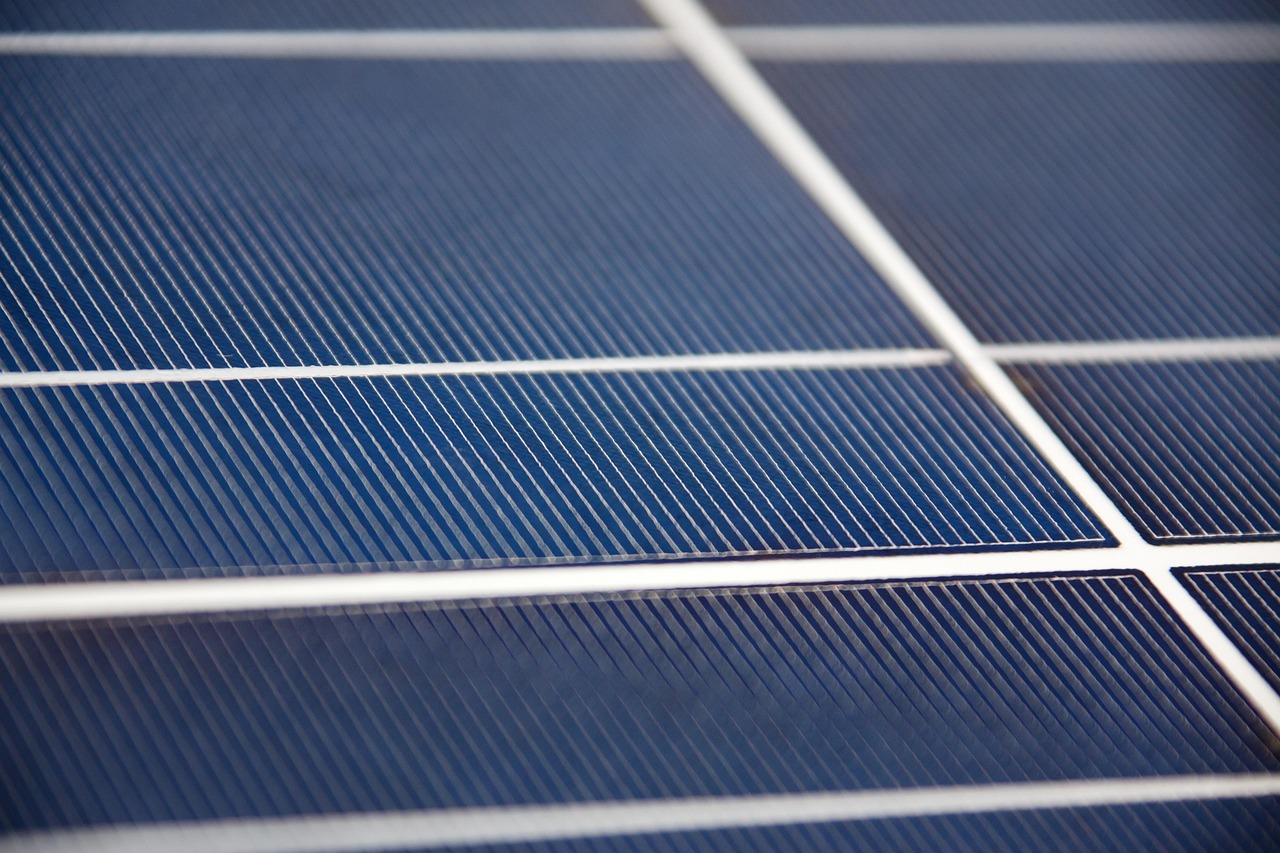
Solar clean energy usually refers to electricity generated from sunlight, mainly through photovoltaic modules. Solar thermal and concentrating solar power also exist, but most recent global growth has come from PV systems. These systems convert sunlight into direct current electricity and use inverters to supply alternating current to homes, businesses or the grid.
The word clean needs context. Solar PV does not burn fuel while generating electricity, so it avoids the ongoing fuel combustion emissions associated with coal, oil and natural gas power plants. It also has relatively low life-cycle greenhouse gas emissions compared with fossil generation. However, clean does not mean impact-free. Silicon refining, module manufacturing, glass, aluminum frames, wiring, inverters, transport, land use and end-of-life recycling all matter. A responsible view of solar recognizes both its climate value and its material footprint.
Solar’s clean-energy value is strongest when it does one of two things: displaces higher-emission generation that would otherwise run, or supplies new electricity demand that might otherwise be met by fossil fuels. The impact depends on the local grid mix, the timing of solar output, the availability of storage and the ability of transmission and distribution networks to use the power when it is produced.
The data behind the shift
Public energy reports released in 2026 point in the same direction: solar is now one of the strongest growth engines in electricity. The International Energy Agency reported that global electricity generation increased by more than 850 terawatt hours in 2025, with renewables accounting for the vast majority of that growth. In the same assessment, solar PV recorded its largest-ever increase in generation, rising by about 600 terawatt hours.
Capacity data tells a similar story, but it should not be confused with generation. The IEA reported that global solar PV capacity additions in 2025 surpassed 600 gigawatts for the first time and brought cumulative installed solar PV capacity to roughly 2,800 gigawatts. That made solar PV the technology with the largest installed capacity globally. Installed capacity is not the same as energy produced, because solar depends on sunlight hours, weather, panel orientation and grid availability. Still, capacity growth at this scale explains why solar is shaping investment, procurement and planning decisions.
| Source and period | What it adds | Why it matters |
|---|---|---|
| International Energy Agency, 2025 global electricity data | Solar PV generation rose by about 600 TWh, its largest annual increase to date. | Shows that solar is contributing to actual electricity output, not only installed capacity. |
| International Energy Agency, 2026 electricity outlook | Solar PV is forecast to add around 600 TWh of output in 2026 and overtake wind as the second-largest renewable generation source after hydropower. | Indicates that solar’s growth is expected to continue, while forecasts remain subject to demand, weather, policy and grid conditions. |
| IEA solar PV and wind technology assessment for 2025 | Annual solar PV additions surpassed 600 GW and cumulative capacity reached about 2,800 GW. | Highlights the scale of buildout and explains why solar is central to new power investment. |
| SEIA and Wood Mackenzie U.S. Solar Market Insight, 2025 and 2026 updates | The United States installed 43.2 GWdc of solar in 2025. In Q2 2026 alone, the U.S. market added 11.4 GWdc. | Shows that solar remains a major U.S. capacity source even amid policy and permitting uncertainty. |
| U.S. Energy Information Administration, 2026 planned capacity data | Developers planned 43.4 GW of new utility-scale solar and 24 GW of battery storage for 2026, based on preliminary project inventories. | Shows the pipeline, while also reminding readers that planned projects are not guaranteed completions. |
The most useful reading of these figures is balanced. Solar is growing quickly and becoming central to power-sector expansion. At the same time, the distinction between capacity, generation and reliable supply becomes more important as solar takes a larger share of the grid.
Why solar is expanding faster than many clean-energy options
Solar has several practical advantages that explain its speed. First, it is modular. A small rooftop array, a commercial carport and a multi-hundred-megawatt solar farm all use the same basic technology family. That modularity allows developers to match projects to many different sites, customer types and procurement models.
Second, solar projects can often be built in stages. Compared with large thermal plants, big hydro projects or nuclear reactors, many solar farms have shorter construction timelines once permits, interconnection agreements and supply chains are in place. This does not mean every solar project is easy. Interconnection queues, land approvals and transmission constraints can still delay projects for years. But the physical buildout of panels, trackers, inverters and site equipment is relatively repeatable.
Third, solar has no fuel cost. Once installed, its operating economics are not exposed to coal, gas or oil price volatility in the same way as fossil generation. That feature matters more when electricity demand is rising and fuel markets are unstable. Solar can also be paired with battery storage, allowing some daytime generation to move into evening demand periods.
Fourth, solar can serve both centralized and distributed needs. Utility-scale projects can add large volumes of power to wholesale markets. Rooftop and on-site systems can reduce grid purchases for homes, warehouses, schools and factories. Community solar can give renters or customers without suitable roofs a way to subscribe to off-site generation where programs exist.
Where solar clean energy creates the most value
Solar is especially valuable where demand and sunlight overlap. In many regions, air-conditioning load rises on hot sunny afternoons. Solar output can reduce the need to run more expensive or higher-emission generators during those periods. It can also reduce daytime wholesale prices, with consumer benefits depending on market design and retail tariffs.
Solar also supports energy security by diversifying supply. A grid with more solar relies less on fuel deliveries during sunny periods. For countries that import fossil fuels, this can reduce exposure to international fuel price shocks. For businesses, solar power purchase agreements or on-site systems can serve as a hedge against long-term electricity price volatility, although contract design and local regulations determine the actual savings.
New electricity demand is another reason solar matters. Electrification, heat pumps, electric vehicles, data centers, industrial loads and cooling are increasing the need for power in many regions. In its July 2026 electricity update, the IEA forecast global electricity demand growth of 3.6% in 2026 and 3.8% in 2027, up from 3% in 2025. If that demand is met mostly by fossil fuels, emissions rise. If a larger share is met by solar, wind, hydropower, nuclear and other low-emissions resources, the power system can grow with less carbon intensity.
Why solar alone is not a complete power system
The main limitation of solar is timing. Solar output is strong during daylight hours, lower under clouds and unavailable at night. A power system needs electricity every second, not only when panels are producing. This is why solar’s growth increases the value of storage, demand response, flexible generation, transmission and better forecasting.
High solar shares can also create operational challenges. During very sunny, low-demand hours, wholesale prices can fall sharply or even turn negative in some markets. That usually signals that the system does not have enough flexibility to absorb all available generation. The solution is not simply to stop building solar; it is to build the grid capabilities that let low-cost daytime electricity serve more hours of demand. See also: EVs.
Interconnection is another practical constraint. A solar project is not useful at full value until it can connect to the grid and deliver power where it is needed. In several markets, renewable developers face long queue times, network upgrade costs and uncertainty about when projects can begin commercial operation. These delays can turn technically viable projects into financially difficult ones.
Land and supply chains also require attention. Large solar farms need suitable land, community acceptance and wildlife-sensitive design. Rooftop and brownfield solar can reduce land pressure, but they cannot meet every demand center alone. On the supply side, buyers increasingly examine module sourcing, labor standards, recycling pathways and the environmental footprint of manufacturing. These issues do not erase solar’s benefits, but they shape what responsible deployment looks like.
The role of storage, demand flexibility and grids
Solar’s next stage is less about panels alone and more about the system around them. Battery storage can absorb midday solar output and discharge it during evening peaks. This improves the value of solar, reduces curtailment and can help avoid running expensive peaking plants. The U.S. Energy Information Administration expected battery storage to account for a large share of planned U.S. utility-scale capacity additions in 2026, second only to solar in its preliminary inventory.
Demand flexibility can deliver similar value from the customer side. Electric vehicle charging, water heating, cold storage, industrial processes and some data-center operations can shift consumption toward hours when solar output is abundant. When tariffs and controls are designed well, customers can lower costs while helping the grid use more renewable energy.
Transmission and distribution upgrades remain just as important. Utility-scale solar may be built far from load centers, requiring transmission capacity to move power. Rooftop solar can stress local distribution circuits if voltage management, smart inverters and grid planning do not keep pace. A high-solar grid therefore requires investment in wires, software, market rules and flexible resources, not only generation assets.
What this means for energy readers in 2026
The central takeaway is that solar clean energy has become a mainstream power-sector resource. It is growing because it is scalable, fuel-free in operation, comparatively quick to deploy and well suited to a world of rising electricity demand. But solar’s real value depends on integration. A megawatt of solar connected in a congested area without storage or flexible demand is less useful than a megawatt placed where the grid can absorb and dispatch its output effectively.
For policymakers, the priority is to reduce unnecessary permitting and interconnection delays while maintaining environmental and community safeguards. For utilities, the task is to plan solar, storage, transmission and flexible demand together rather than as separate projects. For businesses, the key is to evaluate solar based on hourly load, contract terms, resilience needs and exposure to future power prices. For households, solar decisions should consider roof condition, local incentives, retail tariff design, battery economics and expected electricity use.
Solar will not remove the need for other clean resources. Hydropower, wind, geothermal, nuclear, long-duration storage, demand-side management and modern grids all have roles. The significance of solar is that it is now large enough to influence the whole system. Its growth changes how electricity is priced, when storage earns value, where grid upgrades are needed and how quickly clean power can scale.
Frequently asked questions
Is solar energy really clean?
Solar PV is clean in the sense that it generates electricity without burning fuel at the point of operation and has much lower life-cycle greenhouse gas emissions than fossil fuel generation. It is not impact-free, because manufacturing, transport, land use and recycling still matter.
Can solar replace fossil fuels by itself?
No single resource can replace the full role of fossil fuels in every hour and every region. Solar can displace large amounts of fossil generation, but a reliable clean power system also needs storage, transmission, flexible demand and complementary resources such as wind, hydropower, geothermal or nuclear power where available.
Why does battery storage matter for solar?
Battery storage helps shift solar electricity from sunny hours into evening or peak-demand periods. That reduces curtailment, improves reliability and increases the economic value of solar generation as penetration rises.
Is rooftop solar better than utility-scale solar?
Neither is universally better. Rooftop solar uses existing buildings and can reduce customer bills where tariffs support it. Utility-scale solar usually delivers larger volumes at lower project cost per watt. The best choice depends on land, grid capacity, demand patterns, policy and customer goals.
What should readers watch next?
The most important signals are actual solar generation, not only installed capacity; storage deployment; interconnection timelines; curtailment levels; electricity demand growth; and policy changes affecting project economics. Together, these factors will determine how much solar clean energy can contribute to reliable, lower-carbon power systems.