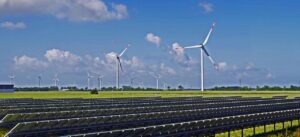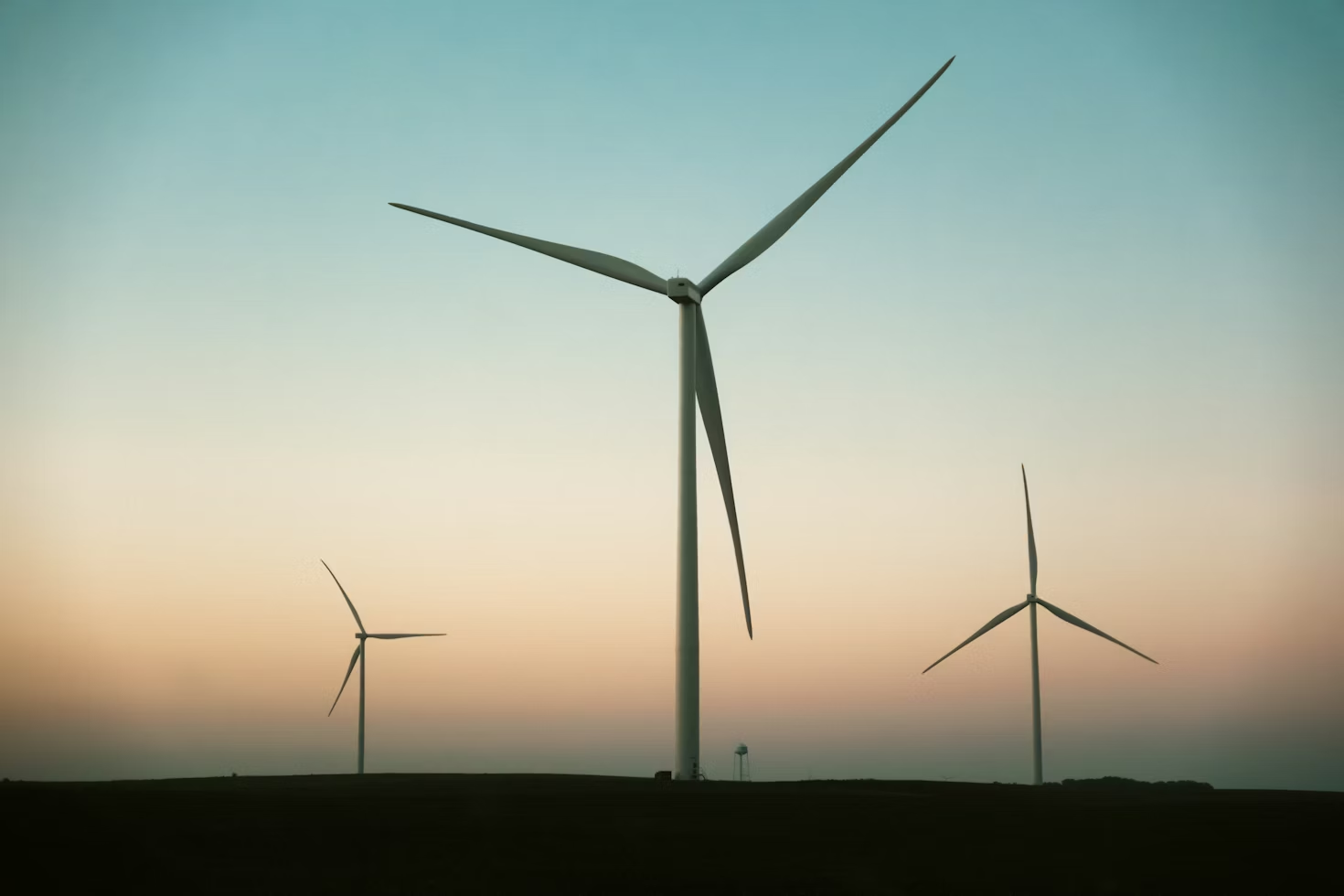

Wind energy has turned into one of the biggest changes in today’s energy plans. It goes beyond just clean power now. It focuses on toughness, self-reliance, and safety for the country. As turbines go up along the UK’s shores and in open fields, they mean more than green steps forward. They show a change in how countries guard against big energy problems from around the world. Wind energy turns moving air into power with big spinning machines. It gives a green source that grows easily and costs less over time. Offshore setups are growing fast. The UK leads Europe in offshore wind power installed. This push is changing plans for defense, factory rules, and safety against computer attacks too.
The Strategic Intersection of Wind Energy and National Security
The link between green energy and country safety has gotten closer. Governments see that needing energy from others can be a big weak spot. For the UK, adding wind energy to its defense plans helps both green aims and army readiness.
Understanding the Link Between Renewable Energy and Security Resilience
Having your own energy cuts risks from world supply problems. These issues often come after fights between countries or trade blocks. If your power lines depend on home wind farms instead of gas from abroad, you face fewer sudden high prices or bans. Mixing energy types with green sources builds strength against upset politics overseas. It also spreads out power making so the whole system does not fail easily. A spread-out group of wind farms keeps power going even if one area gets hit. Old-style central power plants cannot promise that.
The Role of Energy Policy in Strengthening National Defense Capabilities
Energy rules help match green goals with country defense plans. You must have teamwork between defense, energy, and green groups. This stops scattered efforts that throw away money. Planning far ahead makes sure army buildings use steady power setups. These can work alone in tough times. Putting green sources like wind into these plans also helps the government’s big plan to cut dirty air. And it does not hurt working safety.
Wind Energy as a Tool for Reducing Geopolitical Vulnerability
As oil and gas markets go up and down from wars or punishments, countries that need a lot from imports face more unknowns. Wind power gives a way out from this up-and-down. It keeps supply right at home.
Decreasing Reliance on Imported Fossil Fuels
Cutting back on oil or gas from other countries lowers risks from shaky areas. Home wind making keeps prices steady and supply sure. It stays safe from world market changes. By making more power in your own land, you cut chances of outside pushes that might hurt your control or make you agree to bad deals with others.
Enhancing Strategic Autonomy Through Localized Energy Production
Local power networks around wind farms cut down on weak spots that big central grids have. Offshore work grows home factory power. It also makes jobs in building turbines, sea work, and fixing them. These steps build strong local money flows. That matters a lot in hard times when supply paths get tight or imports stop.
Protecting Critical Infrastructure from Emerging Threats
The growth of computer controls in wind setups brings new dangers with good points. As green building gets more tricky, threats to it grow too. These include computer hacks and real-world damage.
Cybersecurity Challenges in Wind Energy Systems
More use of computers opens work tools to breaks that can mess up whole networks. You need strong safety steps for computers across every setup. They spot odd things before they get big. Working together between government groups and private runners boosts sharing of danger info. This is already happening in key areas like phone lines and army work.
Physical Protection of Offshore and Onshore Installations
Sea-based parts need watch all the time. Sea guards with radar watch systems stop unwanted comes or touches. Strong build rules help setups stand against damage tries and bad weather made worse by earth warming. Working with army groups makes sure quick fix plans are set when bad things happen. This cuts stop time and harm.
Integrating Wind Power into the UK’s Defense Energy Strategy
For the UK’s army, steady power access sets mission wins as much as fight skills do. Adding green like wind to army work is not just good for the earth. It is smart for plans.
Supporting Military Operations with Renewable Energy Sources
Wind-run small power grids at army spots give power that keeps going even if outside lines break from fights or bad events. This cuts need for fuel trucks that go on risky paths in war times. It fits with green goals in army update plans. Those plans aim to cut dirty marks while keeping ready.
Collaboration Between Defense Industry and Renewable Sector
Team work on new ideas between army builders and green companies speeds up safe store tech. This is key for even power from wind that comes and goes. Using army-level lock and watch tools guards green setups from smart attacks. Rules that push team work across areas can bring new finds. These help army moving and home building strength.
Economic and Industrial Implications for National Security
A safe green tomorrow needs more than turbines turning. It calls for strong home factories backing them. This goes from basic stuff to trained workers.
Building a Secure Domestic Supply Chain for Wind Technology Components
Pushing home making of turbine parts like blades, tops, and control boxes cuts need for stuff from shaky country spots full of key earth bits like rare earths or lithium. Growing ways to reuse in this setup adds more strength. It uses old materials again instead of getting new ones in unsure ways.
Workforce Development as a Security Imperative
Country safety now leans on skill in tech to handle tricky green setups in hard spots. Training should match build skills with army-level steady rules. It should grow share of know-how between green experts and army builders. School readiness for hard times in energy work boosts full fix power when breaks happen.
Future Outlook: Strategic Pathways Toward a Secure Renewable Future?
The coming ten years will set how well countries mix safety thoughts into their clean energy shifts. For the UK, this means putting strength in every part. From start design to rule doing.
Policy Priorities for Integrating Security into Renewable Expansion Plans
Big green projects must face country safety checks. These look at weak spots against mixed dangers. Like computer hits with real damage tricks. Rule setups should make must-do strength marks. They cover supply line truth, extra power lines, and quick fix steps. And they push world team on safe tech rules shared with friends.
Advancing Technological Innovation to Safeguard Energy Independence
Money in smart machine thinking can make watch systems that guess dangers before they mess up turbine groups or power lines. Keep growing better battery holds to even out changes in wind power. It gives extra store in high need times. As tech grows quick, safety steps must change too. They keep up with new idea turns and coming danger fields that shape energy fights tomorrow.
FAQ
Q1: How does wind energy contribute to national security?
A: It cuts need for fuels from abroad. It mixes power sources. And it spreads out grids. All this makes countries less open to world shocks or supply breaks.
Q2: Why is cybersecurity important for wind farms?
A: Digital controls run turbine work from far away. Any break could stop power making or hurt grid steadiness.
Q3: What role does offshore wind play in economic resilience?
A: Sea projects make home jobs. They build factory power. And they make local money strong. This matters in world hard times.
Q4: Can military bases operate entirely on renewable power?
A: Some use mixed small grids with wind, sun, or stores. They keep work going without outside power.
Q5: What policies support secure integration of renewables?
A: Rules that match defense, energy, and green plans help. Risk checks are needed. Home making gets boosts. And money for new ideas in strong tech adds to long steady.