

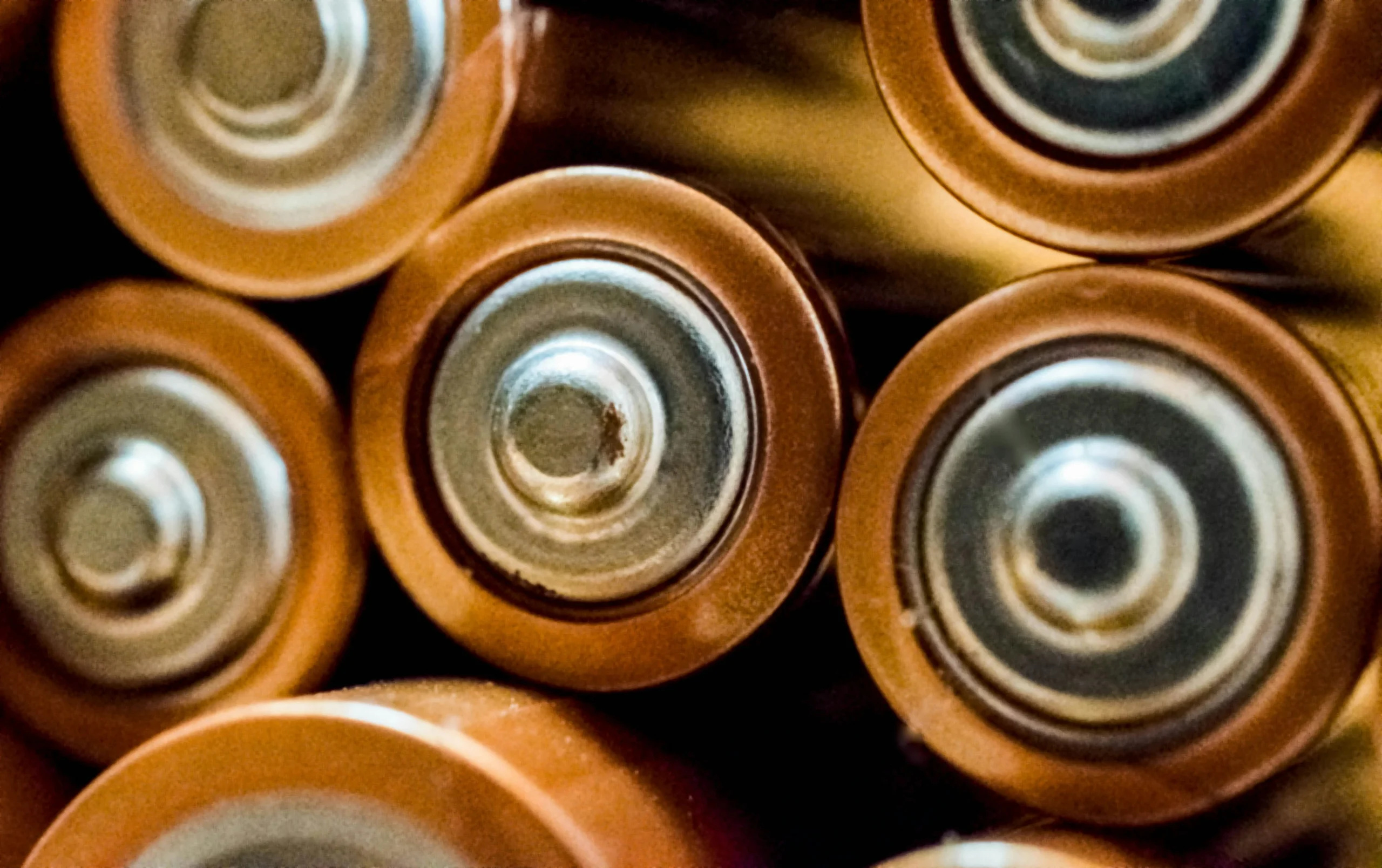

The world energy scene shifts at a quick pace. Solar power stands in the heart of this shift. Many countries drive hard for green energy aims. The call for solid and strong batteries to hold solar power keeps climbing. You likely know battery tech grows fast. Yet the inner workings, both in tech and money terms, grab attention even more. This write-up checks out fresh progress, market swings, and new ideas that form the path ahead for solar energy holding. For example, in sunny spots like California, folks rely on these batteries to keep lights on when the sun dips.
What Are the Current Trends in Solar Battery Technology?
Solar battery tech moved from plain lead-acid boxes to clever lithium setups. This move stems from wants for more power packed tight, extra years of use, and smaller fix-up bills. The business speeds along. That brings fresh mixes into shops every year. Each one vows stronger work or greener ways. Take a look at how a small farm in Texas switched types and cut their downtime by half.
Lithium-Ion Dominance
Lithium-ion batteries hold the top spot for solar energy holding. They shine with good work rates and small builds. These often reach 90–95% round-trip efficiency. In simple words, little power slips away during fill-up or draw-down. Makers such as Tesla (Powerwall) and LG Chem mark the standards for home units. At the same time, CATL and BYD rule large grid jobs in Asia. One homeowner shared how their Powerwall powered the whole house through a three-day outage last summer.
Rise of Solid-State Batteries
Solid-state batteries draw more notice. They trade liquid fillers for firm stuff. This drops fire odds and boosts power pack. They stay pricey to build right now. Test efforts in Japan and Germany point to business-wide rollout in five years or so. Imagine installing one in a busy city apartment without worry over sparks.
Growth of Flow Batteries
Flow batteries, especially vanadium redox sorts, bring a fresh plus: easy growth. They hold big energy loads for stretched times with little fade. Such setups suit grid jobs best. There, steady hold counts over tight space. In a real setup in Europe, one held steady for a month of cloudy days, keeping the local net balanced.
How Are Global Markets Responding to the Demand for Solar Storage?
The need line for solar holding does not match everywhere. It shifts by place based on rule boosts, power fees, and green mix plans. Even so, one pattern stands out. Cash into battery space speeds up across the globe. Places with high sun hours see faster jumps, like in parts of Africa where off-grid homes multiply.
Asia-Pacific Expansion
China heads world making of lithium-ion batteries. It covers over 70% of all output in 2023 (source: BloombergNEF). State aid and factory hubs in areas like Guangdong make huge builds cheap. India rises as a key force too. It runs its National Programme on Advanced Chemistry Cell Battery Storage. Local makers there now supply nearby villages, cutting shipping costs and times.
North American Investment
North America sees fed help like the U.S. Inflation Reduction Act spark huge cash flows into home battery builds. Groups like Panasonic Energy grow giant factories. They aim to fill growing wants from home users and power firms adding green flows to the net. A new site in Georgia plans to hire 4,000 workers and pump out batteries for 100,000 homes yearly.
European Sustainability Push
Europe puts weight on green habits and loop-back economy thoughts. The EU Battery Regulation sets firm recycle rules and carbon trace reports over a good’s full run. This rule setup sparks fresh work in reuse battery uses. It means turning EV packs into home solar helpers. One program in Sweden reused 500 old packs last year, saving tons of new metal needs.
Why Is Battery Efficiency Crucial for Solar Power Storage?
Battery work rate sets how much saved sun power gets used well later on. A minor percent change can lead to big money hits over time. Those who run big installs or guide folks on payback plans need to grasp these numbers. Picture a school in a remote area; better efficiency means kids study longer into the evening without extra fuel costs.
Round-Trip Efficiency Metrics
Round-trip efficiency gauges how much fed energy pulls back after hold losses. Lithium-ion parts often top this list. Lead-acid setups trail at roughly 70–80%. Flow batteries land midway. Yet they balance it with long runs. Field data from a solar farm in India showed lithium holding 93% after a year of daily cycles, far outpacing the old lead types that dropped to 75%.
Depth of Discharge (DoD) Considerations
Depth of discharge marks how much space you tap before refill without damage to health. Current lithium iron phosphate (LiFePO₄) batteries take up to 90% DoD with no harm. This plays a big part in fitting home setups or tiny grids. It lets users pull more daily without quick wear.
Thermal Management Systems
Heat handling shapes work and safe runs right away. Smart heat checks with phase-change stuff or fluid cool-down stop fade in tough cycle times. This stays vital in warm lands where roof solar leads. A resort in Florida added liquid cooling and saw battery life stretch 30% longer than plain air-cooled ones nearby.
What Innovations Are Shaping the Future of Solar Battery Systems?
New work goes past just mixes. It spreads to software joins, add-on ease, and blend designs that mix techs for top ends. These often tie in with daily life tweaks, like apps that learn your routine over weeks.
AI-Based Energy Management
Artificial intelligence steps up to guess use habits and set fill-pull times on auto. Bright controls shift based on sky reports or net price cues. This grows savings and run length both. A family in the UK used one to shave 15% off their monthly bill by charging cheap night power for day use.
Hybrid Storage Solutions
Blend systems link lithium-ion to flow or hydrogen holds. They even out quick pull for short needs with deep store for long hauls. This stack way steadies nets hit by spotty green feeds. It holds money sense too. During a wind lull in Denmark, a hybrid kept power flowing without blackouts for 48 hours straight.
Recycling and Second-Life Applications
Battery reuse tech grew strong. Sites in Europe now grab up to 95% of choice metals like cobalt and nickel from worn cells (source: European Commission 2023 report). Shifting EV batteries to fixed solar spots lengthens good runs while trimming trash. Belgium’s plants processed 10,000 tons last year, turning waste into fresh home power backups.
How Do Costs Influence Adoption Rates Across Markets?
Cost holds as a key driver in growing solar hold fixes worldwide. Prices tumbled hard in the last ten years. They fell nearly 85% since 2010, says IRENA. Still, money sides differ by spot. In cheaper power lands, adoption lags until prices match local rates.
Declining Production Costs
Scale gains from giant factories push fees lower still. In China, mean costs per kilowatt-hour hit under $120 by end of 2023. This ties to chain links from dig sites to put-together. Such drops let small businesses in Southeast Asia add storage without huge loans.
Government Incentives
Tax cuts, set-in pays, and cash returns shape uptake big time. Look at Australia. State plans cover up to AUD 3,000 for each home battery put-in. Other lands might pick this up. It eases the start for many who hesitate on the first bill.
Financing Models
Fresh money paths like power purchase agreements (PPAs) or battery-as-a-service open doors to top setups sans big front pays. This quickens spread to little firms and house owners. In Brazil, a PPA helped a chain of cafes install units across 20 spots, paying back in under three years through saved grid fees.
What Challenges Remain Before Global Scalability Is Achieved?
Gains come, but blocks hold back full roll-out. These run from raw stuff limits to rule mismatches over markets. Weather events add extra twists, like floods hitting mine roads.
Supply Chain Vulnerabilities
Lithium and cobalt chains cluster in spots like South America’s Lithium Triangle or Congo’s cobalt belt. Upheaval in politics or trade curbs might cut supply sudden. Last year’s drought in Chile slowed lithium pulls by 20%, bumping prices short-term.
Environmental Concerns
Dig work sparks green doubts on water draw and dirt hold-back. Studies on sodium-ion swaps look to trim ties to rare rocks. They keep close work marks. Cleaner digs in Australia now reuse 80% of water, setting examples for others.
Regulatory Fragmentation
Varied marks over lands tangle world trade in battery goods. Matching check steps might smooth paper work and lift money trust global. Talks in the UN aim to set common ground by 2025, easing flows for makers everywhere.
FAQ
Q1: What Is the Best Battery Type for Residential Solar Systems?
A: Lithium iron phosphate (LiFePO₄) batteries count as the top pick in many views. They bring a safe build, cycle life past 6,000 turns, and firm voltage fits for routine pulls.
Q2: How Long Do Solar Batteries Typically Last?
A: Most fresh lithium-based boxes run 10–15 years. This hinges on use ways and surroundings. Flow batteries push past two decades. Their filler holds up well without quick fade.
Q3: Can Old Electric Vehicle Batteries Be Used for Solar Storage?
A: Yes, plenty of firms rework EV packs into fixed boxes. They do so when car work falls under best marks. This grows use time and trims full setup fees.
Q4: Are Solid-State Batteries Available Commercially Yet?
A: Not broad yet. They shift from lab models to small test rolls eyed for 2027–2028. Build hurdles clear step by step.
Q5: How Does Temperature Affect Battery Efficiency?
A: Sharp heat hurries chemical wear. Chilly air slows go rates. Built heat handling keeps work even over weather shifts. This proves must for steady solar work.



