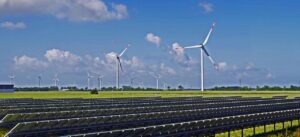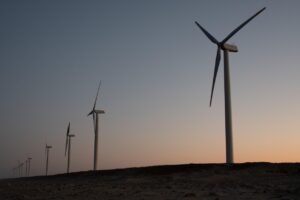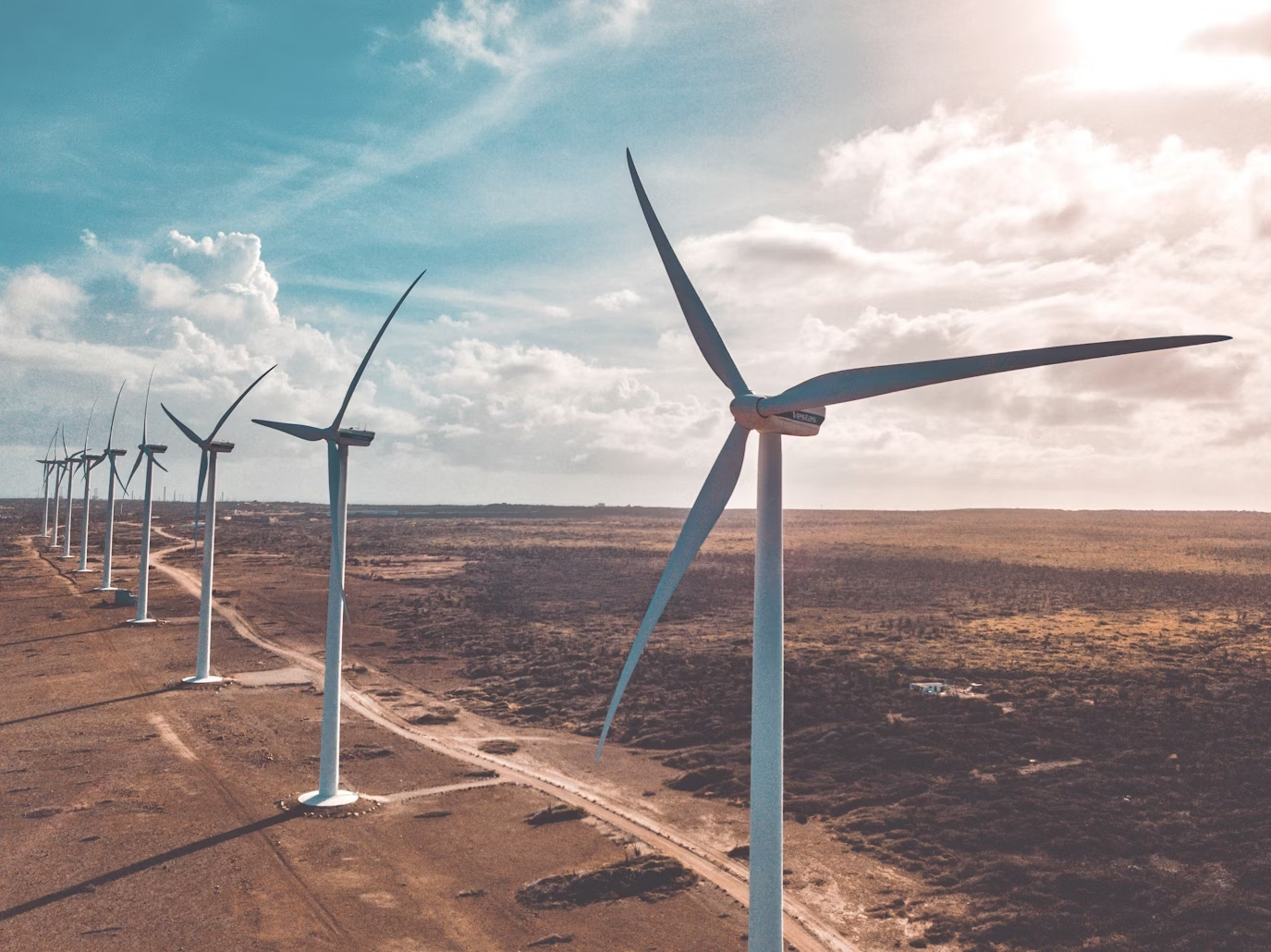

Wind energy stands out as one of the top choices for clean power in the world’s move to green living. You know it well as an expert. It turns the push of moving air into electric power with big fans called turbines. This method stays clean. It grows easily. Costs keep dropping too. But as these wind farms pop up along shores and flat lands, worries about harm to nature get bigger. Birds, mainly those that travel long distances, run into new dangers from these tall machines. The big question today is not if wind energy matters. It does. The real issue is how it can live side by side with wild animals. This must happen without hurting the mix of life in nature.
The Intersection Of Wind Energy And Avian Conservation
Building wind power shows a big win. Yet it also tests how we care for the earth. It cuts down on gases that warm the planet. It helps meet goals for a cooler world. But its setups touch wild areas right away. This spot where tech meets nature draws much attention in studies about saving wildlife.
Ecological Implications Of Wind Power
Wind farms help make green power in a big way. Still, they bring nature problems we must face. Birds hitting turbine blades rank as a key issue. This happens most in places near main travel paths for birds. Such events show the pull between growing clean energy and keeping animals safe. Experts now stress that the switch to new energy needs to think about all life forms. This starts from planning to running the farms. Only then can it truly last.
The Scale And Nature Of Bird Mortality At Wind Farms
Bird deaths from wind farms differ a lot by place and type of bird. Things like how tall the turbine is, the size of the spinning parts, the shape of the land nearby, and times when birds move all play a part in crash risks. Birds of prey, such as eagles and hawks, face more danger. They hunt in open spots where people often put up turbines.
Counting deaths has turned vital for smart handling. Teams do checks in the field. They look for dead birds on the ground. They use radar to track flights too. These steps give better views of which birds suffer most. The facts help shape rules. They also guide new machine ideas. These aim to cut harm. At the same time, they keep the power coming strong.
Design Innovations Aimed At Reducing Bird Collisions
Tech changes have shown as a strong way to lower bird risks. They do this without losing power output. Builders use studies on how birds see things. They also look at how animals act in nature. This guides better designs.
Turbine Blade Color Modifications And Visual Markers
A basic fix has led to real change. It involves changing how blades look in color. Tests prove that painting one blade black can cut crash numbers by up to 70 percent at certain spots. The spinning stands out more against the blue sky. Birds see movement in ways unlike people. So, more clear sight helps them spot the turning blades sooner. Then they can shift their paths to stay safe. Teams test markers that reflect UV light too. These help birds that notice such light well.
Rotor Speed Adjustments And Smart Turbine Controls
Another fresh idea comes from systems that act on live info from the world around. Networks of sensors spot groups of birds coming near. They use tools like radar or cameras. Then the system slows or stops the spinning during risky times. This includes early morning bird travels. Smart models run by computers spot bird types from how they move. They guess paths based on weather or land shapes. These clever setups cut time when machines are off. Yet they drop death rates a lot in key moments.
Spatial Planning And Habitat Considerations In Wind Farm Design
Design tweaks go past single turbine fixes. How space is used matters a great deal in cutting nature effects. Good placement lowers risks for birds at threat before any building starts.
Strategic Siting Based On Avian Migration Data
Maps of bird travel lines let builders skip main paths. Birds use these yearly in huge numbers. Mixing signals from satellites with radar data makes full maps of spaces. This shapes where to put farms. Skipping wet lands or shore cliffs cuts crash chances sharply. It keeps homes for birds whole too.
Landscape Integration And Micro-Siting Techniques
Fine-tuning spots inside a build zone sharpens setup. It looks at land traits like hill tops or low spots. These affect how high and which way birds fly. Changing gaps between turbines can gently guide birds away from spin areas. This happens without hurting how much wind they catch. Handling plants near machines cuts draw for small animals like mice. That in turn lowers birds of prey hanging around the moving parts.
Emerging Technologies Supporting Bird-Safe Wind Energy Systems
New ideas keep growing past machine parts. They now work right with how animals behave. This uses sound or smart watch tools.
Acoustic Deterrents And Behavioral Cues
Sound tools give off tones birds hear but people barely notice. They act as heads-up near working turbines. Short sound bursts push birds to steer clear. They avoid steady noise that harms quiet. How well they work ties to birds in the area. Some may get used to sounds over time. So teams study ways to change signals to keep them fresh.
Machine Learning Applications In Wildlife Monitoring
Computer learning boosts watching wild life. It handles tons of picture data from cameras on turbine tops or poles. Auto programs tell real bird flights from fake ones like trash or dark spots. Live checks let workers tweak spin speeds right away. This happens when danger birds show up close. It helps follow save rules. Plus it keeps work goals on track.
Policy, Regulation, And Industry Collaboration For Avian Protection
Tech fixes by themselves can’t make peace with nature. Rules that match up and team work across groups stand as key parts too. They ensure good wind building.
Regulatory Frameworks Governing Wildlife-Friendly Wind Projects
Checks on nature effects now always cover bird danger guesses. This forms part of okay steps for new wind farms. Country laws on wild life set work limits in bird move times. They call for reports after build on deaths seen. World rules from groups like the Convention on Migratory Species push same ways to check. This makes findings easy to compare over lands. It steps up world duty for green build projects.
Collaborative Research Between Engineers, Ecologists, And Policymakers
Team studies have started around the globe. Builders work with bird experts and rule makers. They test save tech in real spots. Sharing facts among farm makers builds open views on save results. It speeds up better ways across the field. Test runs mix computer spot systems with stop rules that change. They show how group work turns ideas into big fixes. These guard birds and power flow both.
Future Directions In Sustainable Wind Energy Design
In the days ahead, fresh steps will pull from nature’s own ways. They will spread tested methods wide through shared rules and rewards.
Integrating Bio-Inspired Engineering Concepts
Looking at how birds fly gives tips for safer air flow shapes. These cut rough air spots near blades. Such areas mix up flying animals most. Materials that copy life and soften bright shine could stop mix-ups in sunny times. Many crashes happen then. Parts that change on their own to wild life spots may lead next in smart build designs.
Scaling Up Innovation Through Global Implementation
To make real change, watch methods must match across lands. This way, how well things work lines up in spots and wild homes. Reward plans push builders to add checked save tech. This can speed use in new markets. Rules there grow slow but wind chances stay huge. In time, full nature fact sets will steer small tweaks. They make sure green growth walks with saving wild life. This brings true balance between making power and keeping nature’s mix.
FAQ
Q1: How does painting one blade black reduce bird collisions?
A: It boosts sight of movement against the sky. Birds’ eyes catch the spin sooner. Then they dodge hit spots well.
Q2: Which bird groups face the highest risk from wind turbines?
A: Birds of prey like eagles, sea birds on shore winds, and songbirds that travel far suffer most. Their fly ways match turbine heights often.
Q3: What role does artificial intelligence play in modern wind farms?
A: AI spots birds coming near with camera or radar views. It sets spin changes auto in danger times. No need for people to step in.
Q4: Why is spatial planning critical before building a wind farm?
A: Good spot choice from travel maps stops builds on busy bird lines or nest spots. This cuts crash chances from the start of work.
Q5: Are there international standards addressing bird safety at wind farms?
A: Yes, world rules push same watch ways and bird danger checks in nature effect steps across places.