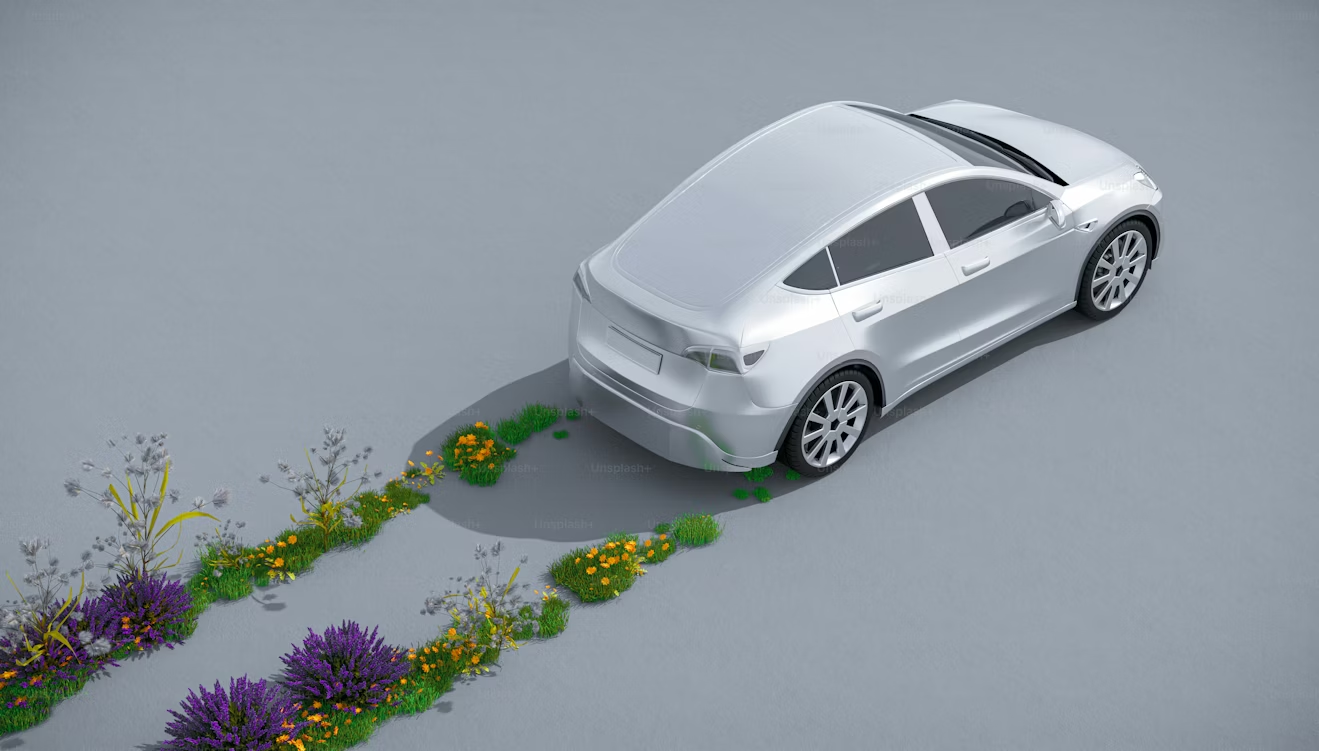

Electric vehicles (EVs) have grown from special items into key parts of Europe’s business and energy plans. People once saw them as ideas from the future. Now, they show the EU’s way to cut use of fossil fuels and reach a point with no climate harm. EVs work with electric motors that run on batteries you can recharge. They produce no direct pollution. Plus, they cost less to run over their whole life than cars with engines that burn fuel. This growth is not just about new tech. It ties into big world politics too. Energy costs go up and down. Global supply lines face problems. Because of that, EVs turn into important tools. They help build strength, self-reliance, and the ability to compete. Right now, world tensions, especially the Iran war, speed up this change. The war shows weak spots in Europe’s energy safety. At the same time, it creates chances for new market setups.
The Strategic Realignment of EU Automotive Markets
The car world in Europe changes in a big way. Energy safety worries reshape rules and how people buy cars. The fight with Iran blocks oil paths. It makes world prices jump around. This pushes European countries to think again about what their factories need.
Shifts in Market Dynamics Triggered by Geopolitical Tensions
The Iran war affects world energy lines in an indirect way. It shakes up EU markets. Oil costs rise. Trade paths become unsure. This mess brings back attention to using electricity in cars. It helps protect money systems from outside hits. Growing worry about energy pushes leaders to speed up plans for EV use. They put lots of money into setups for moving with clean power. For car makers, how they see world risks now guides where they spend money. Firms move funds away from old engine building. They put it into making batteries, adding computer programs, and setting up plants close to home in the EU. And so, the push for EVs grows stronger each day.
The Role of Policy and Regulation in Market Transformation
Leaders in the EU mix goals for the environment with aims for self-rule. They do this through plans like the Green Deal. You can see how aims to cut carbon link with keeping industry strong. EV rewards are set up to help making things at home more than bringing them in from outside. Rules for energy now cross with limits on trade. These limits aim to stop leaning on sellers who are not steady. At the same time, they push for tech that is clean. Rule sets like the Fit for 55 package urge car makers to get parts from nearby places. They also cut pollution over the full life of supply lines. This clear match in rules turns the car field into a main part of Europe’s plan to stay strong.
The Surge in Electric Vehicle Demand Across the EU
The quick rise in want for EVs in Europe shows big money pressures and changes in how people think. Homes feel hits from fuel cost jumps tied to world fights. Electric ways to move come out as a smart money pick. They are not just a nice thing for the earth anymore.
Economic and Supply Chain Drivers Behind the EV Uptick
Oil prices that change a lot make people more keen on electric cars. They point out how costs stay even over time. Efforts to spread out supply lines, mainly for battery stuff, cut need for old energy paths. Those paths go through areas hit by fights or bad politics. Car makers team up with mining groups in places like Africa and Scandinavia. They get lithium, nickel, and cobalt with open rule ways. At the same time, buyers link owning an EV with keeping the earth green. They also tie it to their country’s energy freedom. So, what people pick for themselves matches what the group needs for safety.
Infrastructure Expansion and Technological Readiness
The build-out of charging spots in big EU countries picks up speed like never before. Places such as Germany, France, and the Netherlands set up very quick charge lines. These support trips that go far and cross borders. Steps forward in how batteries are made, like solid-state types, make distance better. They also drop the cost for each bit of power. These changes cut down fear about running out of charge. They speed up how many regular people buy EVs. On top of that, mixing in clean power sources like sun or wind into charge setups makes sure EV growth helps cut smoke. It does not just move the dirt to other spots.
The Ascendancy of Chinese Electric Vehicle Brands in Europe
As want for cars in Europe goes up fast, makers from China move quick to become strong rivals in the area’s EV field. Their step in changes how prices work, what people think of brands, and how trade links run.
Competitive Positioning of Chinese Manufacturers
Makers from China use price plans that beat set European names. They do this without losing on good build or tech parts. Offers that give good value mix low cost with top links to tech. These hit well with buyers who watch their spending during times when prices rise overall. Teams with sellers in Europe boost being there locally. They also build nets for fixing cars that fix early doubts about trust. What’s more, plans to make things local, like putting up build plants or spots for new ideas in Europe, make the brand seem real. They also cut back pushback from politics against things brought in.
Trade Relations and Strategic Dependencies
The bigger pull of Chinese brands brings up hard questions. These are about staying able to compete versus leaning too much on them in EU trade talks. Cheap things from outside raise picks for buyers. But leaders fret about too much need on Chinese lines for key parts like batteries or chips. Talks about fees, help money, and fair play steps grow stronger. Brussels looks for a mix between open selling spots and safety aims for plans. There is more close look at perks from governments that foreign makers get. These could twist fair play against old EU firms.
Strategic Implications for European Automakers and Policymakers
Top car groups in Europe face two main tests. They must keep ahead in tech. At the same time, they need to guard their factory freedom amid changes in world power setups.
Reassessing Industrial Strategy in Light of Global Power Shifts
European car makers answer back with teams for new ideas. These focus on cars run by software, full control over battery chains, and money put into ways to reuse stuff in circles. Groups like Volkswagen and Stellantis send billions to big battery plants at home. This cuts need to bring in from Asia. Governments back these steps with money tools. One is the Important Projects of Common European Interest (IPCEI) setup for batteries. They also form links for getting raw stuff from areas with steady politics. Through these actions, Europe builds a stronger base for its car future.
Long-Term Outlook for the EU’s Energy-Automotive Nexus
The path ahead shows tighter links between growing clean energy power and how many EVs people take up in Europe. As power nets turn more green, every new EV sold helps cut carbon better. It does not just push out smoke to far places. There is room for new groups in trade too. These would center on working together on clean tech. They could link Europe with friends who share aims for the climate, such as Japan or Canada. This would help push back against China’s lead in handling key earth stuff.
FAQ
Q1: How has the Iran war influenced EU electric vehicle markets?
A: It disrupted oil supplies, raised fuel prices, and accelerated Europe’s shift toward electrification as part of its broader energy independence strategy.
Q2: Why are Chinese electric vehicle brands gaining traction in Europe?
A: They offer competitively priced models with strong technology features while forming partnerships that improve distribution networks across EU countries.
Q3: What role do EU policies play in supporting domestic EV production?
A: Policies under the Green Deal link climate objectives with industrial autonomy by incentivizing local manufacturing of batteries and vehicles within member states.
Q4: How does infrastructure development affect EV adoption rates?
A: Expanding fast-charging networks reduces range anxiety for drivers and makes electric mobility practical for daily commuting as well as long-distance travel.
Q5: What future challenges might European automakers face?
A: Balancing cost competitiveness against strategic autonomy concerns while investing heavily in innovation to remain globally relevant amid evolving trade tensions.