Is ABB Storage the Right Fit for Your Energy Project?
If you are comparing Storage options for a solar farm, factory, data center, or microgrid, ABB storage will often be on the list. It is more than a battery cabinet. A real system includes batteries, controls, power conversion, protection, and grid connection hardware, and all of these parts need to work when the site is hot, the grid is unstable, or the utility asks for quick response.
ABB describes a battery energy storage system as a system that captures energy from different sources, stores it in rechargeable batteries, and releases it later. In many projects, this is used to match renewable output with peak demand or to keep local loads running when the grid is not available. The idea is easy to understand, but site work is not always easy. A small wiring choice, a loose control setting, or weak ventilation can change the final result. (electrification.us.abb.com)
A Practical Role in Modern BESS
For a buyer, the main question is not whether storage is popular. The real question is whether the system supports the business case. ABB storage is often checked for projects that need grid tie operation, renewable smoothing, peak shaving, backup power, or power quality support. In simple terms, it helps move energy from a poor time to a better time.
The Link Between Storage and Renewable Power
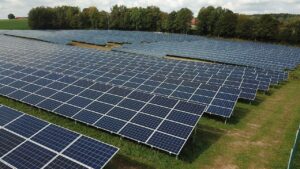
Solar and wind can produce a lot of power, but they do not follow the load curve. They may produce well when the site does not need much energy, and they may drop when demand is high. A BESS can charge during high renewable output and discharge later. That is why storage is now a normal topic for PV plants, EV charging hubs, and industrial parks with both daytime and evening loads.
A Buyer Mindset for Global Projects
When you buy across borders, a nameplate is not enough. Ask for system drawings, grid code notes, thermal design details, warranties, testing files, spare parts plans, and communication protocols. This paperwork may look dull during the first meeting, but it often prevents costly arguments later. In many projects, clear documents save more money than a small discount on the battery container.
What Makes an ABB Storage System Work in Real Sites?
A working BESS is close to a small power plant. It has to react fast, stay safe, send data, and protect itself when something goes wrong. ABB storage should be reviewed as a full electrical system, not as one product, because the battery, inverter, BMS, EMS, switchgear, and transformer all affect the site result.
Batteries, BMS, PCS, and Controls
The battery stores DC energy, and the BMS checks cell voltage, temperature, current, and state of charge. The PCS changes DC to AC for the grid and AC to DC during charging. The controller decides when to charge, discharge, limit output, or wait. If these parts do not communicate well, even good hardware can be hard to run on site.
DC and AC Protection Components
Protection is one area where many cheap systems reduce cost. You should check DC disconnects, breakers, fuses, surge protection, insulation monitoring, contactors, AC breakers, grounding, and emergency stops. A clear single-line diagram tells you a lot about the supplier’s design work. If a supplier cannot explain fault isolation in plain language, that should raise concern.
Integration With Switchgear and Transformers
Utility-scale and C&I projects usually need medium-voltage equipment, transformers, relays, metering, and SCADA links. ABB’s wider electrical background is one reason buyers look at ABB storage for grid-connected sites. Even so, the final design still has to match local voltage, frequency, utility interconnection rules, and the real fault level at the point of connection. These points should be checked before the commercial offer is treated as final.
Where Can ABB Storage Create the Most Value?
Storage value depends on the work it does at the site. The same 2 MWh battery can make sense at one factory and look weak at another. Before choosing ABB storage, check the daily load curve, tariff rules, outage history, and renewable profile. This changes the talk from a sales quote to an engineering discussion, and that is usually where better decisions are made.
Solar and Wind Energy Shifting
Energy shifting is a common use case. A solar plant may charge batteries at noon and discharge after sunset. A wind project may store output during low-price hours and sell later when the price is better. For a commercial rooftop project, the value may come from using more self-generated solar instead of exporting it at a low rate.
Peak Demand Control for Commercial Sites
Many factories and logistics centers pay demand charges based on short peak periods. Storage can reduce those peaks by discharging during compressor starts, cold room pull-downs, or EV fleet charging windows. This is not a fancy application, but it can be easy to justify with the right tariff. The important part is sizing power and duration for the real spike, not for a brochure case.
Backup Power for Critical Loads
Storage can support critical loads during outages, but it should not be treated too quickly as a diesel generator replacement. Check the required ride-through time, black start needs, load priority, and battery reserve settings. A hospital wing, a semiconductor tool, and a warehouse server room do not need the same backup plan. The design has to follow the load, not the other way around.
How Does ABB Storage Compare With Generic BESS Options?
Generic BESS offers can look attractive because the first quote is often lower. ABB storage usually competes on electrical integration, protection, grid interface, and service structure. The better choice depends on project risk. If downtime is cheap and the site is simple, a basic system may be enough. If downtime is expensive, the calculation changes fast.
Stronger Integration Depth
ABB has long experience in electrification, inverters, protection, switchgear, and automation. This matters when a project needs more than a battery rack. A site with PV, diesel backup, utility import limits, and EV chargers needs proper coordination. The storage system has to work as part of the electrical room, not as a separate box added at the end.
Higher Engineering Discipline
Good engineering is often seen in small details, such as cable ratings, ventilation clearances, relay settings, labeling, cabinet access, firmware records, and commissioning sheets. These points may not look important during procurement. They become important when a project trips at 2 a.m. and the site manager needs a clear answer. A tidy design file is not decoration; it helps the team find the fault faster.
Lifecycle Support and Service Fit
Ask how the system will be maintained in year three, year seven, and year ten. Battery capacity fades, fans age, firmware changes, and grid rules may also change. A serious ABB storage offer should make service roles clear. This includes remote monitoring, parts supply, alarm response, capacity checks, and end-of-life planning. See also: clean energy.
What Data Should Shape Your Storage Decision?
Good storage buying starts with site data, then market data. Public reports cannot size your battery, but they show why the market is moving and why buyers now ask more questions about cost, safety, and long-term supply. Use these numbers as a background check. Do not use them as a replacement for site modeling.
Global Battery Growth From IEA
The International Energy Agency reported in 2024 that power-sector battery storage was the fastest-growing commercially available energy technology in 2023, with global additions of 42 GW. The same report said lithium-ion battery prices fell from about USD 1,400 per kWh in 2010 to under USD 140 per kWh in 2023, and that global energy storage capacity would need to reach 1,500 GW by 2030 in its net zero pathway. This shows that storage is no longer a small niche. It also means buyers need to watch crowded supply chains and mixed quality more carefully. (iea.org)
U.S. Battery Additions From EIA
The U.S. Energy Information Administration said in February 2026 that developers planned to add 24 GW of utility-scale battery storage in the United States during 2026, compared with a record 15 GW added in 2025. EIA also noted that more than 40 GW had been added over the previous five years, with Texas, California, and Arizona making up about 80% of planned 2026 additions. These figures show where storage is already being used at scale. They also give overseas buyers a useful reference when asking suppliers about field experience. (eia.gov)
Cost Ranges From NREL
NREL’s utility-scale battery cost projection work is older, published in 2019, so it should not be used as a live 2026 quote. It is still useful because it shows how much cost assumptions can vary. For 4-hour lithium-ion systems, NREL projected 2030 capital costs across low, mid, and high cases, and also discussed assumptions such as 15-year life and 85% round-trip efficiency. The practical lesson is simple: ask what is included in the price, especially PCS, EMS, HVAC, fire safety, civil work, grid studies, and commissioning. (nrel.gov)
What Should You Check Before Buying ABB Storage?
A storage purchase should go through a checklist before the purchase order is signed. The checklist does not need to look fancy, but it has to be honest. If the input data is weak, the financial model can look clean and still fail at the site.
Site Load and Duty Cycle
Start with real load data at 15-minute or 5-minute intervals if you can get it. Then build a duty cycle: how often the battery charges, how deep it cycles, how fast it ramps, and how much reserve it must keep. Useful checks include:
- Peak demand hours and tariff windows
- Solar or wind generation curves
- Critical load list during outages
- Maximum import and export limits
- Ambient temperature and altitude
Standards, Fire Safety, and Testing
Safety documents should be treated as main project files, not as files to collect after the price is agreed. UL Solutions states that UL 9540 covers energy storage systems and equipment across electrical, electrochemical, mechanical, and other storage types. For lithium systems, buyers also often review UL 9540A thermal runaway test data, plus local fire code, spacing, ventilation, detection, suppression, and emergency response needs. These items should be checked with the local authority and the insurance side early, not after equipment arrives. (ul.com)
Supplier Fit for Long-Term Operation
In the end, match the supplier to the job. A large utility project needs grid studies and power plant controls. A factory needs fast service and clear responsibility. An island microgrid needs careful commissioning and local training. ABB storage can be a strong candidate, but only when the selected scope fits the load, climate, rules, and business case.
FAQ
Q1: Is ABB Storage Only for Utility-Scale Projects? A: No. ABB storage can be considered for utility, commercial, industrial, microgrid, and critical power projects. The right fit depends on system size, grid rules, load profile, and required service support.
Q2: How Long Should a Battery Storage System Run? A: Many commercial and utility systems are designed around 1 to 4 hours, but the correct duration depends on the use case. Peak shaving may need short discharge, while backup power or evening solar shifting may need longer duration.
Q3: Does ABB Storage Replace a Generator? A: Sometimes, but not always. Storage is good for fast response, short outages, and renewable energy shifting. For long outages or fuel-based resilience plans, it may need to work with generators or other power sources.
Q4: What Is the Biggest Buying Mistake? A: The biggest mistake is buying only by battery capacity. You also need to check PCS rating, thermal design, protection, safety certification, controls, warranty terms, degradation, installation scope, and service response.
Q5: What Data Should You Prepare Before Asking for a Quote? A: Prepare load curves, utility bills, site voltage, single-line diagrams, renewable generation data, outage records, available space, fire code limits, and the exact goal of the project. Better data usually leads to a better storage design.