
Scientists Create Adaptive Charging Technique to Minimize Electric Vehicle Battery Wear
Advances in lithium ion charge technology are reshaping how electric vehicles manage power and durability. Scientists have developed adaptive charging methods that respond to real-time cell conditions, significantly reducing wear and extending battery life. Unlike conventional constant-current or constant-voltage systems, these intelligent algorithms adjust parameters dynamically, minimizing internal stress and heat buildup. The result is not only longer-lasting batteries but also improved energy efficiency across charge cycles—a crucial step toward sustainable mobility and cost-effective EV ownership.
Understanding Lithium-Ion Battery Wear in Electric Vehicles?
Battery degradation is a multifaceted process influenced by electrochemical reactions, mechanical strain, and environmental factors. For electric vehicles, small inefficiencies accumulate over thousands of cycles, leading to reduced capacity and performance drift.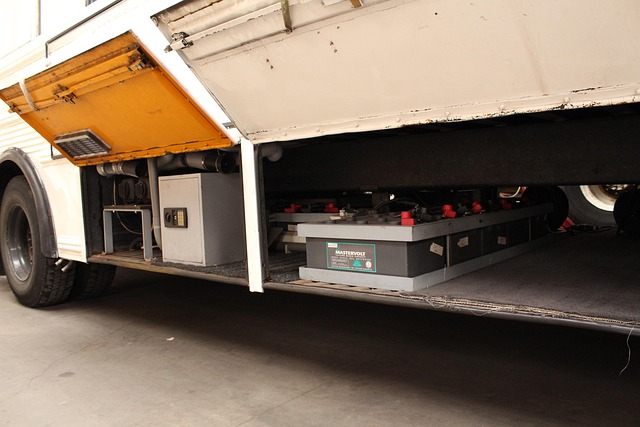
Mechanisms of Degradation in Lithium-Ion Cells
Electrochemical aging begins with SEI (Solid Electrolyte Interphase) formation on the anode surface. While this layer initially protects the electrode, continuous growth consumes active lithium and increases impedance. Another critical issue is lithium plating, where metallic lithium deposits during high-rate or low-temperature charging, creating safety risks. Mechanical stress from repeated expansion and contraction of electrodes causes micro-cracks that expose new surfaces to the electrolyte, accelerating side reactions. Temperature swings further intensify degradation by promoting electrolyte decomposition and gas generation.
Factors Influencing Battery Wear During Charging
Charging behavior has a direct impact on wear mechanisms. High charge rates raise internal resistance and generate heat that can trigger thermal runaway if unmanaged. Voltage limits define how deeply lithium ions intercalate into electrode materials; exceeding safe thresholds shortens cycle life. The state-of-charge (SOC) range also matters—frequent full charges or deep discharges amplify stress compared to moderate cycling between 20–80%. Manufacturers often use software limits to constrain these ranges for durability.
The Concept of Lithium-Ion Charge Optimization?
To mitigate wear while maintaining usability, researchers have turned to adaptive charging—a concept rooted in data-driven control of electrochemical systems.
Defining Adaptive Charging Strategies
Adaptive charging dynamically adjusts current and voltage based on real-time feedback from sensors embedded in the battery pack. These systems interpret temperature gradients, SOC levels, and impedance variations to determine optimal parameters at each stage of charging. Unlike static CC/CV methods that apply fixed values regardless of condition, adaptive schemes evolve continuously as the battery ages or ambient conditions shift.
Core Principles Behind Charge Optimization Algorithms
At the heart of this technique are predictive models trained on extensive datasets of charge-discharge cycles. Machine learning algorithms identify patterns that precede degradation events such as SEI thickening or lithium plating. By forecasting these behaviors, controllers can fine-tune current ramps or pause charging briefly to allow diffusion equilibrium. Uniform ion distribution across cells prevents localized hotspots that accelerate decay.
The Role of Real-Time Data and Sensor Integration?
Real-time monitoring transforms passive battery packs into active electrochemical systems capable of self-preservation through intelligent management.
Monitoring Parameters Critical to Battery Health
Modern packs incorporate sensors for temperature, voltage balance, and current flow across modules. These inputs feed into advanced Battery Management Systems (BMS) that interpret deviations from normal operation. When a cell exhibits abnormal resistance growth or uneven heating, corrective measures—such as balancing currents—are applied immediately to prevent cascading damage.
Utilizing Predictive Analytics for Charge Control
Predictive analytics extend beyond instantaneous monitoring by estimating remaining useful life (RUL) through historical data analysis. Algorithms correlate charge histories with observed degradation rates to refine future charging behavior automatically. In fleet applications, cloud-based platforms aggregate data from multiple vehicles to enhance model accuracy over time, allowing updates through software rather than hardware redesigns.
Impact of Optimized Charging on Battery Longevity and Efficiency?
The benefits of adaptive lithium ion charge management extend well beyond lifespan extension; they fundamentally improve energy throughput consistency across years of operation.
Reduction in Electrochemical Stress and Thermal Load
Controlled current ramps mitigate dendrite formation—a leading cause of internal short circuits—and slow SEI layer thickening by avoiding abrupt potential changes. Maintaining moderate temperatures reduces electrolyte oxidation and solvent breakdown rates. Balanced voltage distribution across cells minimizes resistive losses that otherwise compound with age.
Enhanced Energy Efficiency and Performance Stability
By moderating parasitic reactions during charge transfer, optimized profiles increase coulombic efficiency—the ratio between stored and retrieved energy per cycle. Stable electrode interfaces preserve consistent voltage output even after extensive cycling. Over time, this translates into fewer maintenance interventions and lower total cost per kilometer driven.
Implementation Challenges and Future Directions in Adaptive Charging Research?
Despite promising laboratory results, scaling adaptive control across diverse vehicle platforms presents technical hurdles requiring coordinated industry effort.
Technical Barriers to Large-Scale Adoption
Variations in chemistry—from nickel-rich NMC cathodes to LFP formulations—demand tailored parameter sets for each pack type. Real-time computation for thousands of cells requires high-speed processors integrated within constrained automotive environments. Moreover, harmonizing communication protocols between chargers, BMS units, and grid interfaces remains an ongoing standardization challenge under IEC frameworks.
Emerging Research Trends in Smart Charging Systems
Research groups are developing AI-driven BMS architectures capable of self-learning from operational data rather than relying solely on pre-programmed rulesets. Parallel studies explore solid-state batteries whose stable interfaces may further benefit from adaptive control compatibility due to their sensitivity to overpotential conditions. Collaborative efforts among automakers, academic institutions, and grid operators aim to establish unified optimization protocols enabling cross-platform interoperability without compromising safety certification standards such as ISO 26262.
FAQ
Q1: What makes adaptive charging different from traditional methods?
A: Traditional systems use fixed voltage or current levels throughout the cycle, while adaptive charging modifies these values continuously based on sensor feedback like temperature or SOC readings.
Q2: How much longer can a battery last with adaptive control?
A: Studies indicate potential lifespan improvements between 15%–30%, depending on chemistry type and usage intensity.
Q3: Does adaptive charging require special hardware?
A: It primarily relies on advanced BMS firmware updates; however, precise sensors for temperature and impedance measurement enhance accuracy significantly.
Q4: Can this technology be retrofitted into older EVs?
A: Retrofitting is feasible if the existing power electronics support dynamic control signals; otherwise hardware upgrades may be necessary.
Q5: Are there environmental benefits beyond extended battery life?
A: Yes—longer service intervals reduce raw material demand for replacements and lower lifecycle emissions associated with battery manufacturing logistics.