
Choosing a tesla new car in 2026 is not just about following the EV market. For most buyers, the better question is simple: does the car match your range needs, cabin space, charging access, safety expectations, and daily driving pattern? If you are comparing EVs for commuting, family use, light business work, or long trips, the wider EVs category is a good place to check the basics before you order.
The market background is worth looking at too. The International Energy Agency said in its Global EV Outlook 2026 that electric car sales passed 20 million units in 2025 and reached about 25% of the global car market. Battery electric cars also accounted for 65% of total electric car sales that year. In plain terms, EV buying is now part of the normal car market, but that still does not mean every Tesla is right for every driver. (iea.org)
What Should You Expect From a Tesla New Car in 2026?
Start with how the car will be used, then look at the badge. Tesla shopping may look simple online, but the right choice changes quickly when you add children, luggage, winter weather, long highway routes, apartment parking, or business mileage.
A Lineup Centered on Volume Models
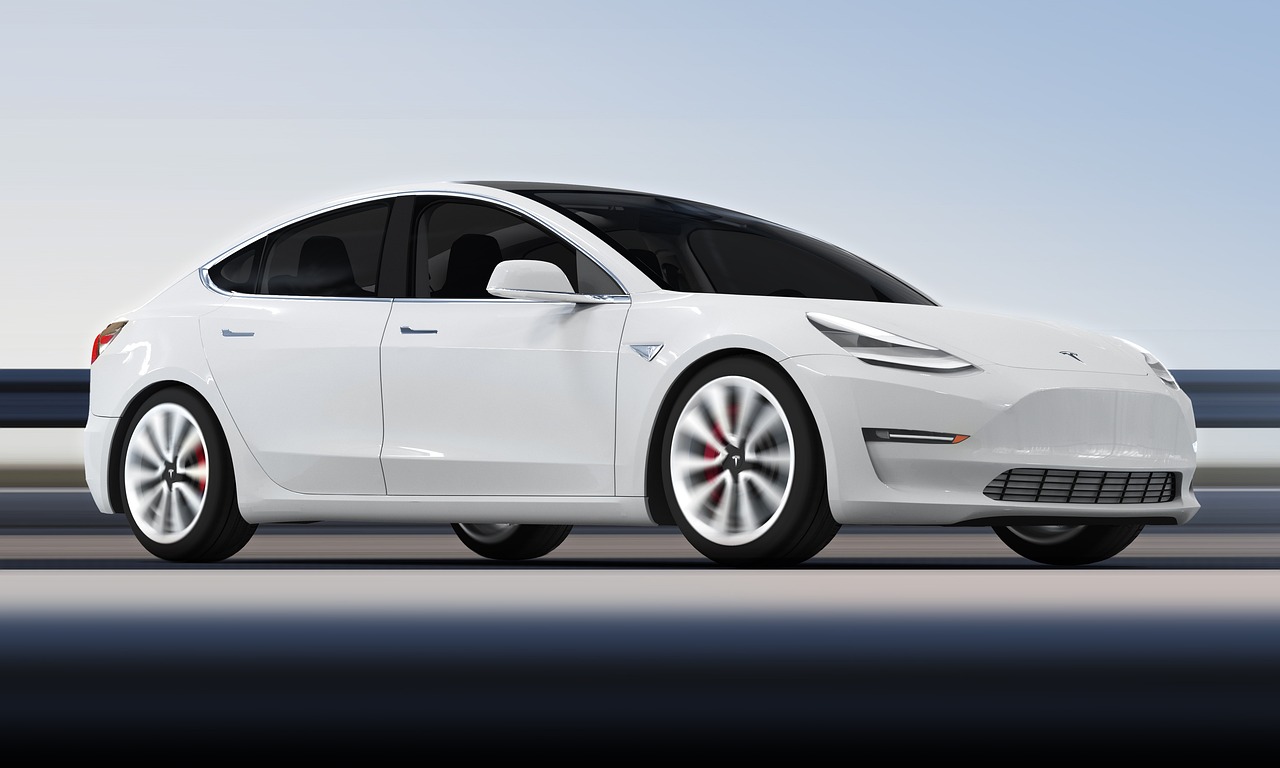
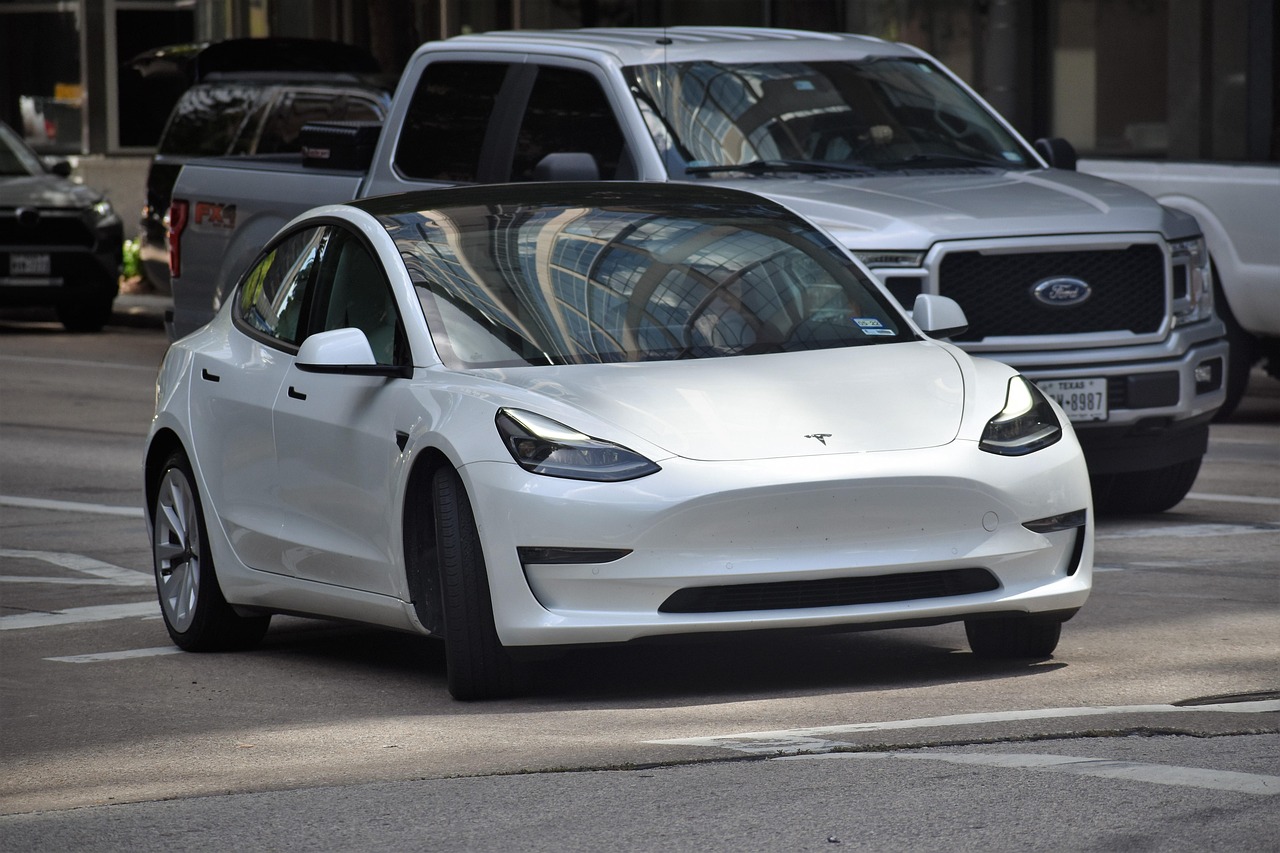
Tesla’s current comparison page shows Model 3, Model Y, and Cybertruck side by side. Tesla pages for Model S and Model X also say those vehicles are no longer in production, although inventory or pre-owned units may still show up in some markets. For a buyer looking for a true new car, Model 3, Model Y, and Cybertruck are the main starting points. (tesla.com)
A Market Moving Toward Electric Cars
The Tesla decision also sits in a larger market change. IEA data shows EV growth continued in 2025, but demand was not the same in every region. China, Europe, and the United States moved at different speeds. If you are buying for export, fleet planning, or later resale, that regional gap can matter almost as much as the vehicle choice. (iea.org)
A Buying Process That Needs Homework
Ordering online looks neat and fast. Even so, some basic items can cause trouble later, such as wheel size, tire cost, home charging, delivery timing, insurance quotes, and whether the car actually fits your parking space. These are not exciting points, but they are the things you notice on a normal workday.
Which Tesla New Car Fits Your Daily Driving?
The cleanest way to choose is to think about an ordinary day with the car. Do not start with a perfect road trip or a fast launch video. Think about groceries, school pickup, a wet driveway, a 42-mile commute, and where the charging cable will sit at night.
Model 3 for Efficient Commuting
Model 3 is usually the better fit if you drive alone or with one passenger, prefer a sedan feel, and care more about efficiency than cargo height. The EPA’s 2025 Automotive Trends Report showed Tesla had the highest model-year 2024 fuel economy among large manufacturers, at 117.1 mpg equivalent in estimated real-world fleet fuel economy. That does not make every trip low-cost, but efficiency remains one of Tesla’s stronger points. (epa.gov)
Model Y for Family and Cargo Use
Model Y is the safer default for many households because it gives easier loading, higher seating, and a more flexible cabin. IEA’s 2026 report also noted that the United States has the highest share of large models in its EV lineup, with large cars and SUVs making up over 85% of electric models and over 80% of all car sales in 2025. That lines up with what many dealers and fleet buyers already see: American buyers often want more space. (iea.org)
Cybertruck for Work, Towing, and Outdoor Gear
Cybertruck is not the easy answer for every buyer. It makes more sense for people who need a truck bed, gear space, towing ability, site power, or a vehicle that can work like a tool. Tesla’s Cybertruck page describes Powershare capability for powering devices and appliances, which can help on job sites, camping trips, or a garage job that turns into a full-day project. (tesla.com)
How Much Range Do You Really Need?
Range anxiety often comes from guessing instead of doing basic math. A long EPA number looks good on paper, but real range changes with speed, temperature, hills, tire choice, battery temperature, and fast-charging habits.
EPA Range as a Starting Point
Tesla says actual driving range and charging performance can vary because of Supercharger type, vehicle configuration, state of charge, battery temperature, speed, weather, and elevation. Treat the EPA estimate as a test reference, not as a fixed number for every winter highway drive. (tesla.com)
Daily Miles Plus a Real Buffer
If your commute is 40 miles round trip, you do not need to shop as if you drive 300 miles every day. Add errands, detours, hot weather, cold weather, and a buffer you feel comfortable with. For many drivers, a car that can cover two or three normal days between charges feels easy enough to live with.
Charging Access Before Battery Size
Home charging can matter more than buying the biggest battery. Tesla states that its global Supercharger network has more than 80,000 Superchargers, which helps on road trips. Still, day-to-day ownership is much easier when you can wake up with the car charged at home or at work. (tesla.com)
Is Safety a Major Reason to Choose Tesla?
Safety should be checked with public data, not only brand trust. Tesla talks a lot about active safety, but buyers still need to look at crash protection, driver assistance, visibility, repair cost, and their own driving habits.
Model Y and New ADAS Testing
On May 7, 2026, NHTSA announced that the later-release 2026 Tesla Model Y was the first vehicle model to pass its new benchmark for advanced driver assistance systems. The agency said these pass/fail tests had been added to the New Car Assessment Program to help consumers compare safety technology. This is useful information, especially for buyers comparing family EVs. (nhtsa.gov)
Driver Assistance With Active Supervision
Driver-assistance tech is not permission to stop paying attention. Tesla’s Model Y page says Full Self-Driving (Supervised) requires the driver to remain attentive at all times and does not make the vehicle autonomous. That note matters in real use, even on a road you know well. (tesla.com) See also: clean energy.
Build Content and Repair Practicality
NHTSA’s model-year 2026 American Automobile Labeling Act data lists U.S./Canadian parts content of 75% for Model 3 RWD/AWD, 70% for Model Y AWD/Performance and Model Y RWD/Long Range RWD, and 65% for Cybertruck. This can help buyers who care about domestic content. It should not be treated as a promise about repair cost, parts lead time, or insurance pricing. (nhtsa.gov)
What Should You Check Before You Order?
A good buying decision needs more than range and acceleration. Before you place a deposit, slow down and check the costs that do not always stand out on the product page.
The Total Price After Local Rules
Incentives, taxes, registration fees, destination charges, and business-use rules change by location and date. There is no single public source that can cover every local incentive at the exact time you buy. Confirm the final figure through the official checkout flow and your local authority before you treat the price as settled.
Home Charging, Parking, and Cold Weather
If you park in a driveway or garage, a dedicated Level 2 home setup can make EV ownership much easier. If you live in an apartment, check nearby chargers before ordering and see whether they are reliable at the times you need them. Tesla’s range guidance also says weather and driving style affect real-world range, so cold climates need more buffer. (tesla.com)
Insurance, Tires, and Depreciation
Get insurance quotes before you decide on a trim. Performance versions can cost more to insure, and tire replacement is not a small bill. A basic pre-order checklist is enough for most buyers:
- Check insurance for the exact trim and ZIP code.
- Compare wheel sizes and replacement tire prices.
- Confirm home or workplace charging access.
- Read warranty terms for the battery and drive unit.
- Look at inventory pricing before building a custom order.
Is a Tesla New Car Better Than Waiting?
Waiting can save money if prices move down, but waiting also has a cost if your current car is unreliable or expensive to fuel. The better question is whether the car available today can handle the job you need it to do.
Buy Now if Your Use Case Is Clear
If you know your commute, have charging access, and can get the trim you want at a fair total price, buying now can make sense. Model 3 suits efficient daily driving. Model Y suits many one-car households. Cybertruck suits buyers who really need truck utility, not just the look.
Wait if Price or Model Changes Matter
If you are chasing a lower payment, a future trim, or a special configuration, waiting may be the better move. Tesla pricing, financing offers, and inventory can change. With Model S and Model X no longer in production on Tesla’s current pages, buyers interested in those names should be careful about availability and long-term plans. (tesla.com)
Compare by Mission, Not by Hype
The best Tesla is not always the fastest one or the newest-looking one. It is the car that fits your route, passengers, parking space, and budget without creating daily problems. That may sound boring, but boring is fine when the payment comes every month.
FAQ
Q1: Which Tesla New Car Is Best for Most Buyers in 2026? A: Model Y is the easiest default for many households because it offers SUV space and flexible cargo use. Model 3 is better if you want a lower, more efficient commuter car.
Q2: Is the Model S Still a Good New Tesla Choice? A: Tesla’s current Model S page says the vehicle is no longer in production. If new inventory is available, judge it carefully against price, warranty, parts support, and your need for a flagship sedan. (tesla.com)
Q3: How Much Range Should You Look For? A: Start with your daily miles, then add a buffer for weather, detours, battery aging, and highway speed. Do not buy only for the longest rare trip if home charging covers normal use.
Q4: Is Full Self-Driving Supervised Autonomous? A: No. Tesla states that Full Self-Driving (Supervised) requires an attentive driver and does not make the car autonomous. Keep your hands, eyes, and judgment involved. (tesla.com)
Q5: Should You Buy a New Tesla or a Used One? A: Buy new if you want the latest hardware, full warranty, and a clean ownership history. Buy used if price matters more, but check battery health, tires, accident history, and which software features transfer.