
7 Alternatives to Lithium-Ion Batteries: What’s the Future of Energy Storage?
Li-ion rechargeable batteries dominate modern energy storage, powering everything from smartphones to electric vehicles. Yet, their chemistry faces material scarcity, safety risks, and environmental concerns. The next generation of storage systems—solid-state, sodium-ion, lithium-sulfur, metal-air, flow batteries, hydrogen systems, and graphene supercapacitors—aims to fill these gaps. Each offers distinct advantages in cost, density, or sustainability. The future will likely blend multiple chemistries into hybrid systems rather than relying on a single successor.
The Current Standing of Li-ion Rechargeable Batteries in Energy Storage
Lithium-ion batteries remain the benchmark for portable and stationary energy storage due to their balance of energy density and cycle life. However, recent developments highlight that this dominance may not last indefinitely as new chemistries mature.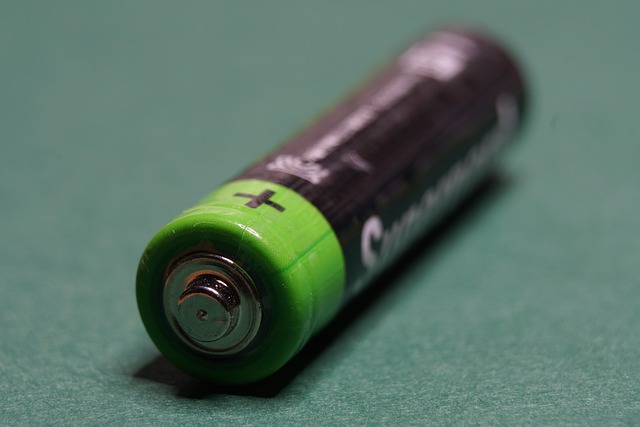
Fundamental Chemistry and Performance Characteristics
A typical lithium-ion cell consists of a graphite anode, a lithium metal oxide cathode (such as NMC or LFP), and a liquid electrolyte containing lithium salts. During charging and discharging, lithium ions shuttle between electrodes through intercalation reactions that efficiently store and release energy. These mechanisms allow energy densities around 150–250 Wh/kg with coulombic efficiencies above 99%. Cycle life can exceed 2 000 cycles under optimized conditions.
Despite these strengths, thermal instability remains a critical issue. Overheating or internal short circuits can trigger runaway reactions leading to fire hazards. Additionally, the limited availability of lithium and cobalt poses long-term supply challenges.
Industrial Applications and Market Dominance
Li-ion technology powers electric vehicles (EVs), consumer electronics, and increasingly grid-scale storage projects. Automotive adoption has driven massive economies of scale: battery pack costs have dropped from over $1 000 per kWh in 2010 to below $150 per kWh today according to BloombergNEF data. Standardization across formats such as cylindrical 2170 or prismatic cells has further consolidated manufacturing efficiency.
Yet dependence on geographically concentrated resources—mainly lithium from South America and cobalt from the Democratic Republic of Congo—creates vulnerabilities that ripple through global markets.
Evaluating the Need for Alternatives to Li-ion Technology
While Li-ion chemistry remains unmatched in maturity, its drawbacks are pushing researchers toward safer and more sustainable materials suited for diverse applications beyond EVs.
Challenges Driving Innovation Beyond Lithium-ion
Environmental impacts from lithium extraction are significant: brine mining consumes vast amounts of water in arid regions like Chile’s Atacama Desert. Recycling rates remain low because recovering pure materials is technically complex and economically marginal. Safety incidents caused by overheating continue to raise concerns for large-scale deployments such as grid batteries or aircraft power units. Moreover, geopolitical dependencies expose supply chains to volatility when key producers restrict exports or face political instability.
Criteria for Next-generation Energy Storage Materials
Next-generation technologies must meet several performance metrics simultaneously: high specific energy (>300 Wh/kg), rapid charge capability, intrinsic safety without flammable electrolytes, affordability below $100 per kWh at scale, and minimal environmental footprint. Scalability is equally vital; laboratory breakthroughs must translate into manufacturable products using abundant materials like sodium or sulfur.
Emerging Alternatives to Li-ion Batteries
Research now spans multiple directions seeking either incremental improvements or radical redesigns of electrochemical systems.
Solid-State Batteries: Enhancing Safety and Energy Density
Solid-state batteries replace liquid electrolytes with solid ceramics or polymers that prevent leakage and thermal runaway. This architecture supports higher voltages and allows metallic lithium anodes for greater capacity—potentially exceeding 400 Wh/kg. However, achieving uniform contact between solid layers remains difficult; microscopic voids increase resistance and degrade performance over time. Major automotive manufacturers are investing heavily despite production hurdles such as sintering temperature control and interface engineering.
Sodium-Ion Batteries: A Cost-effective Substitute
Sodium’s abundance makes it an attractive alternative where cost outweighs compactness. Sodium-ion cells use similar intercalation chemistry but with Na⁺ ions instead of Li⁺. Their energy density typically ranges between 100–160 Wh/kg—lower than Li-ion—but they perform well at low temperatures and use inexpensive aluminum current collectors on both electrodes. Companies in Asia have begun pilot production targeting stationary storage markets where weight is less critical.
Lithium-Sulfur Batteries: Expanding Theoretical Energy Limits
Lithium-sulfur systems promise up to 500 Wh/kg because sulfur offers high theoretical capacity (1 675 mAh/g). Yet the “polysulfide shuttle” effect—migration of intermediate species dissolving into the electrolyte—causes rapid capacity fade after few cycles. Researchers are exploring porous carbon hosts or polymer coatings to trap polysulfides while maintaining conductivity. If stabilized, this chemistry could revolutionize aviation-grade batteries requiring ultra-lightweight solutions.
Metal-Air Batteries: Leveraging Oxygen as a Reactant
Metal-air designs use metals like zinc or lithium as anodes while drawing oxygen directly from air at the cathode. This eliminates heavy cathode materials and dramatically increases theoretical energy density comparable to gasoline’s level by weight. However, controlling oxygen reactions during recharge remains unsolved; catalysts degrade quickly under cycling conditions. Despite these issues, prototypes suggest potential for long-range electric mobility once stable air electrodes emerge.
Flow Batteries: Scalability for Grid-Level Storage
Flow batteries store energy in liquid electrolytes kept in external tanks separated by membranes inside a reactor stack. Capacity scales simply by enlarging tanks rather than adding new cells—a clear advantage for utility-scale renewable integration. Vanadium redox flow systems dominate today due to chemical stability across thousands of cycles exceeding 20 years lifespan. Emerging organic or iron-based chemistries aim to reduce cost since vanadium prices fluctuate heavily with mining output.
Hydrogen-Based Energy Storage Systems: Chemical-to-Electrical Conversion Pathways
Hydrogen offers a different paradigm by storing electricity chemically via water electrolysis then reconverting it through fuel cells when needed. Round-trip efficiency is lower (typically 30–40%), but hydrogen enables seasonal storage unmatched by any battery type. Infrastructure remains the biggest barrier; safe compression, transport pipelines, and refueling stations require massive capital investment aligned with national clean hydrogen strategies promoted by IEA member states.
Graphene-Based Supercapacitors: Bridging Power Density Gaps
Graphene supercapacitors excel where fast charge-discharge cycles matter more than total capacity—such as regenerative braking or grid frequency regulation. They deliver power densities above 10 kW/kg with millions of cycles but store less total energy compared with chemical batteries (~10 Wh/kg). Integrating them alongside Li-ion packs forms hybrid modules balancing quick bursts with sustained output—a practical route already explored in urban transit fleets.
Comparative Assessment of Li-ion Versus Alternative Technologies
Comparing across parameters reveals trade-offs rather than outright replacements. Solid-state cells lead in safety; Li-S leads in theoretical density; sodium-ion wins on cost; flow batteries excel at longevity; hydrogen dominates duration; graphene supercapacitors top power delivery charts.
| Technology | Energy Density (Wh/kg) | Cost ($/kWh) | Safety | Cycle Life | Recyclability |
|---|---|---|---|---|---|
| Li-ion | 150–250 | ~150 | Moderate | 2 000+ | Medium |
| Solid-state | 300–400* | >200 | High | TBD | Low |
| Sodium-ion | 100–160 |