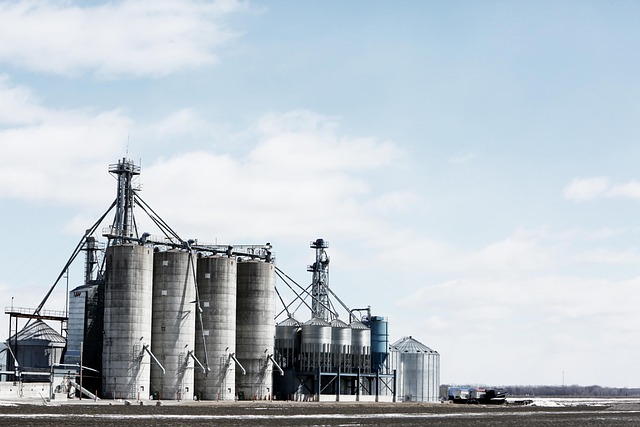

Ghana’s Grain Storage Crisis Threatens Food Security Plans
Ghana’s grain storage crisis has become a critical barrier to achieving national food security. Despite increased grain production over the past decade, post-harvest losses remain alarmingly high due to inadequate storage facilities, poor technology adoption, and weak institutional coordination. Experts estimate that up to 30% of harvested maize and sorghum are lost before reaching markets. The country’s reliance on traditional storage methods, combined with climate variability and limited investment in modern infrastructure, undermines both farmer income and national reserves. Without urgent modernization of the grain storage system, Ghana risks continued food supply instability and reduced economic resilience.
Historical Context of Grain Storage in Ghana
Grain storage in Ghana has evolved through centuries of adaptation to local conditions. Yet, traditional methods—such as storing maize in mud silos or woven baskets—have consistently struggled against pests and moisture damage.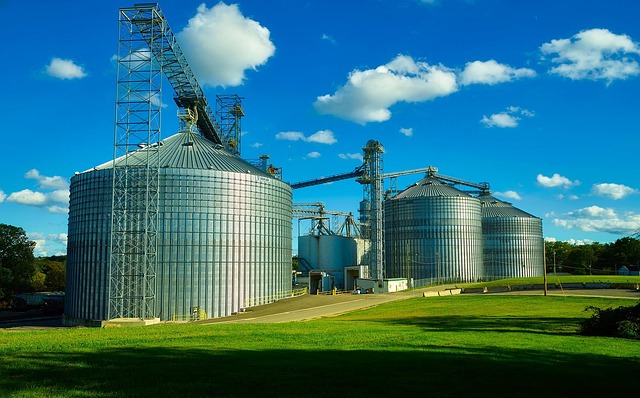
Traditional Storage Methods and Their Limitations in Preserving Grain Quality
Historically, smallholder farmers relied on structures made from clay or straw that offered minimal protection from humidity and rodents. These methods were cheap but inefficient, often leading to mold growth and nutrient loss within months of harvest. In regions like the Northern Savannah, where humidity fluctuates sharply between wet and dry seasons, stored grains frequently deteriorate before the next planting cycle.
The Evolution of Storage Practices From Smallholder to Commercial Scale
As agricultural commercialization expanded in the 1980s and 1990s, cooperative warehouses began emerging near major farming zones such as Techiman and Tamale. However, most lacked standardized temperature control or pest management systems. Only a few large agribusinesses adopted metal silos or hermetic bags for bulk storage. The transition from household-level granaries to commercial warehouses thus remained incomplete, leaving a large portion of production vulnerable.
Policy and Institutional Gaps Contributing to Persistent Post-Harvest Losses
Government initiatives have historically prioritized crop production over post-harvest management. Policies under successive agricultural frameworks often overlooked maintenance budgets for rural storage facilities. Weak coordination among ministries responsible for agriculture, trade, and local governance further delayed infrastructure upgrades. As a result, even well-built warehouses often fell into disuse due to lack of operational funding or trained personnel.
Current Challenges Facing the Grain Storage System
While Ghana has made progress in agricultural output, its grain preservation capacity lags behind demand growth. The mismatch between production surges and available storage facilities continues to drive seasonal price volatility.
Inadequate Infrastructure and Outdated Storage Technology
Many rural communities still depend on open-air drying yards or wooden barns that expose grains to rain and insects. Few warehouses meet international standards for temperature regulation or airtight sealing. The absence of reliable electricity in remote farming areas also limits the use of mechanized drying systems essential for maintaining grain quality after harvest.
Climatic Factors Such as Humidity and Temperature Fluctuations Affecting Grain Preservation
Ghana’s tropical climate presents unique challenges for long-term grain preservation. High relative humidity during the rainy season accelerates fungal contamination, while extreme heat during dry months cracks grains and reduces germination potential. These climatic stresses shorten shelf life even before grains reach urban markets.
Financial and Logistical Constraints Limiting Access to Modern Facilities for Small-Scale Farmers
Modern storage technologies such as hermetic silos or refrigerated warehouses require significant upfront investment—often beyond the reach of smallholders who produce less than five tonnes per season. Limited access to credit compounds this issue. Transporting produce from dispersed farms to centralized storage hubs also raises costs that discourage collective warehousing initiatives.
The Role of Modern Storage Facilities in Addressing Post-Harvest Losses
Modernization offers tangible solutions by combining engineering innovation with digital oversight systems that enhance efficiency across the value chain.
Key Features of Modern Storage Infrastructure
Modern grain storage facilities incorporate hermetic sealing systems that prevent oxygen exchange, effectively halting pest activity without chemical fumigation. Advanced models use automated ventilation units to regulate temperature and humidity within optimal ranges for maize or millet preservation. Increasingly, digital sensors connected via IoT platforms allow real-time monitoring of internal conditions—alerting operators when adjustments are needed.
Comparative Analysis: Traditional vs. Modern Storage Efficiency
Empirical studies show that hermetic systems can reduce post-harvest losses from 25% under traditional methods to less than 5%. Quality metrics such as moisture content stability (maintained at 12–13%) demonstrate superior retention compared with open-air barns where levels fluctuate widely. Although installation costs may initially appear high, long-term savings through reduced spoilage justify investment within three harvest cycles.
Cost-Benefit Implications for Farmers Adopting Advanced Technologies
Farmers adopting modern facilities experience improved market timing flexibility—they can store crops until prices rise rather than sell immediately after harvest at low rates. Cooperative ownership models also help distribute capital costs while providing shared access to technology maintenance services.
Economic Implications of Improved Grain Storage Capacity
Expanding efficient storage capacity directly influences national food security strategies by stabilizing supply chains throughout seasonal cycles.
Impact on National Food Security Strategies
By extending shelf life beyond one year, modern warehouses enable consistent supply during lean periods when imports typically spike. This stability supports government efforts to maintain buffer stocks under national food reserve programs while reducing dependency on external aid during drought years.
Enhanced Resilience Against Market Shocks and Price Volatility
Improved preservation capacity cushions both producers and consumers from sudden price swings triggered by weather disruptions or transport delays. When stored grain remains viable longer, market releases can be strategically timed to balance demand fluctuations without inflationary pressure.
Contribution to National Food Reserves and Emergency Response Mechanisms
Upgraded facilities strengthen emergency response systems by allowing pre-positioned reserves across regions prone to flooding or droughts. During crises such as pandemic-related border closures, these reserves act as insurance against supply chain interruptions.
Influence on Farmer Income and Rural Livelihoods
Economic benefits extend beyond macro-level stability; they reshape livelihoods at community level where most producers operate on thin profit margins.
Reduction in Post-Harvest Losses Leading to Higher Profit Margins for Producers
Every tonne saved translates directly into additional revenue for farmers who previously lost significant portions of their yield during storage periods. Reduced spoilage means higher effective output without increasing cultivation area.
Increased Bargaining Power Through Better Timing of Grain Sales
With reliable storage options, farmers can delay sales until demand peaks rather than offloading crops immediately after harvest when prices dip due to market saturation.
Expansion of Value Chain Opportunities Such as Grain Processing and Export Potential
Stable supply encourages investments in downstream processing industries like flour milling or animal feed production—creating rural employment opportunities while improving export competitiveness within ECOWAS markets.
Policy and Institutional Frameworks Supporting Modern Storage Adoption
The transformation toward modern infrastructure requires coherent policy direction backed by sustained financing mechanisms across public-private sectors.
Government Initiatives and Public Investment Programs
Recent agricultural modernization plans emphasize upgrading rural warehouse networks under public-private collaboration models. Subsidies covering part of equipment costs encourage private investors while government agencies provide technical training through extension services.
Funding Mechanisms, Subsidies, or Incentives Promoting Private Sector Participation
Development finance institutions have introduced concessional loan schemes targeting agribusiness ventures focused on cold chain logistics or warehouse construction near key production corridors like Brong Ahafo.
Coordination Challenges Among Ministries, Local Authorities, and Cooperatives
Despite progress, fragmented oversight between ministries responsible for agriculture infrastructure often delays project execution timelines. Strengthening inter-agency coordination remains vital for scaling successful pilot projects nationwide.
Role of Private Sector and Development Partners
Private investors increasingly view grain warehousing as a profitable segment within agribusiness diversification strategies supported by international partnerships.
Investment Trends From Agribusiness Firms in Large-Scale Storage Facilities
Major firms have begun constructing steel silos with capacities exceeding 10,000 tonnes each near major transport routes linking northern farmlands with southern ports—a move expected to cut logistics inefficiencies significantly.
Contributions From International Organizations Supporting Technology Transfer
Multilateral development agencies provide grants facilitating knowledge exchange on best practices from countries like Kenya or Brazil where similar climatic conditions exist but post-harvest loss rates are lower due to advanced technology adoption.
Public-Private Partnerships Fostering Innovation in Post-Harvest Management Systems
Collaborative ventures involving research institutions help adapt imported technologies into locally manufactured components—reducing costs while building domestic expertise crucial for sustainability.
Technological Innovations Shaping the Future of Grain Storage in Ghana
The next phase involves integrating digital tools with renewable energy solutions tailored for rural environments lacking grid power reliability.
Emerging Technologies Enhancing Storage Efficiency
IoT-enabled sensors now track temperature gradients inside silos continuously while solar-powered fans maintain airflow consistency even off-grid. Blockchain applications are being tested for traceability along supply chains ensuring transparency from farm gate through warehouse distribution points.
Use of Blockchain for Traceability in Stored Grain Supply Chains
Blockchain records immutable transaction histories which deter adulteration or mislabeling—a growing concern among exporters seeking compliance with international food safety standards like ISO 22000 certification frameworks recognized globally by ISO authorities (ISO).
Renewable Energy Solutions Powering Remote or Off-Grid Storage Units
Solar mini-grids integrated into warehouse roofs reduce dependence on diesel generators lowering operational costs while aligning with sustainability goals promoted by IRENA’s renewable deployment guidelines (IRENA).
Research, Training, and Capacity Building Needs
Technology alone cannot solve systemic issues without skilled human capital managing operations effectively across all levels.
Strengthening Technical Expertise Among Local Engineers and Facility Managers
Training programs focusing on calibration procedures for humidity sensors or maintenance routines for mechanical dryers improve uptime reliability across regional depots handling thousands of tonnes annually.
Collaboration Between Universities, Research Institutes, and Industry Stakeholders
Joint research projects examining local material alternatives—for instance using treated bamboo composites instead of imported steel panels—could reduce construction expenses without compromising durability standards set by IEEE industrial benchmarks (IEEE).
Development of Standardized Protocols for Monitoring Storage Performance Across Regions
Establishing uniform data collection templates helps policymakers compare performance indicators objectively enabling evidence-based decisions regarding future investments within national agricultural frameworks endorsed by FAO technical committees (FAO).
Pathways Toward Sustainable Grain Storage Transformation in Ghana
Integrating modernized infrastructure into broader agricultural reforms ensures continuity beyond donor-funded cycles toward self-sustaining growth trajectories aligned with national objectives.
Integrating Modern Facilities Into Broader Agricultural Systems
Aligning new warehouse developments with irrigation expansion projects enhances overall productivity synergy ensuring consistent throughput volumes necessary for financial viability over time horizons exceeding five years typical under PPP contracts monitored by development finance institutions (DFIs).
Regional Distribution Networks Ensuring Equitable Access to Storage Infrastructure
Strategic siting along feeder roads connecting remote farming clusters prevents concentration around urban centers thereby reducing transportation bottlenecks during peak harvest seasons when congestion increases spoilage risk significantly according to field assessments reported by regional planning bodies (IEA).
Long-Term Maintenance Strategies Ensuring Operational Sustainability of New Facilities
Routine inspection cycles supported through user fees collected via cooperative societies guarantee continuous functionality avoiding degradation patterns observed historically under publicly managed depots left unfunded after initial commissioning phases documented across multiple African case studies reviewed by Bloomberg Analytics (Bloomberg).
Measuring Success Through Data-Driven Outcomes
Quantifying results remains central to evaluating progress toward sustainable transformation objectives outlined under Ghana’s agricultural modernization agenda frameworks endorsed nationally since 2020 reforms rollout phases initiated sector-wide monitoring protocols (Reuters).
Establishing Key Performance Indicators (KPIs) for Post-Harvest Loss Reduction Targets
KPIs include measurable reductions below 10% average loss rate benchmarked annually using standardized sampling methodologies validated internationally ensuring comparability among sub-Saharan peers participating within similar FAO-led initiatives (FAO).
Continuous Evaluation Using Field Data From Pilot Projects Across Major Grain Belts
Data gathered through IoT-linked monitoring dashboards feed directly into centralized databases enabling timely corrective actions whenever deviations arise particularly concerning moisture thresholds exceeding critical tolerance limits verified independently using ISO-certified instruments (ISO).
Leveraging Analytics To Guide Future Investments in the Grain Value Chain Transformation Process
Predictive analytics tools simulate cost-benefit outcomes guiding policymakers toward prioritizing interventions yielding highest marginal returns per dollar invested fostering evidence-backed decision-making culture gradually institutionalized throughout ministry planning divisions nationwide since reform inception phases tracked longitudinally via Reuters datasets (Reuters).
FAQ
Q1: What percentage of Ghana’s grain is lost post-harvest each year?
A: Estimates suggest that up to 30% of harvested grains such as maize are lost annually due to inadequate storage conditions before reaching consumers or processors.
Q2: Why are traditional grain storage methods still common?
A: They remain prevalent because they require minimal capital investment despite being inefficient against pests and moisture damage compared with modern facilities equipped with sealed environments.
Q3: How do modern hermetic systems prevent pest infestation?
A: Hermetic systems eliminate oxygen inside sealed containers creating anaerobic conditions lethal to insects without chemical pesticides thereby preserving grain integrity longer periods safely indoors even under humid climates typical across West Africa regions per FAO guidance documents (FAO).
Q4: What role does renewable energy play in improving rural warehousing?
A: Solar-powered ventilation units enable continuous airflow management reducing dependency on unreliable grid electricity particularly beneficial remote zones lacking stable power access promoting sustainability goals aligned IRENA principles (IRENA).
Q5: Which policy reforms could accelerate adoption nationwide?
A: Streamlined financing incentives combined coordinated inter-ministerial oversight alongside targeted training programs would catalyze rapid scale-up ensuring equitable access modernized infrastructure supporting long-term national food security resilience strategies validated Bloomberg analyses (Bloomberg).