
The Murky Mechanics of Data Centers’ Green Electricity
Data centers sit at the heart of the digital economy, yet their appetite for electricity has grown faster than any other industrial sector. The push toward renewable sourcing is now less about corporate image and more about survival within tightening carbon frameworks. Green energy providers have become strategic partners rather than suppliers, enabling hyperscale operators to secure long-term access to low-carbon power. Still, the mechanics behind what counts as “green” remain opaque. Certificates, contracts, and grid dependencies complicate claims of sustainability. What looks clean on paper may not align with real-time carbon reality.
The Growing Relationship Between Data Centers and Green Energy Providers
The relationship between data centers and green energy providers is no longer transactional—it’s structural. As global data volumes surge, these partnerships define how digital infrastructure evolves within constrained energy systems.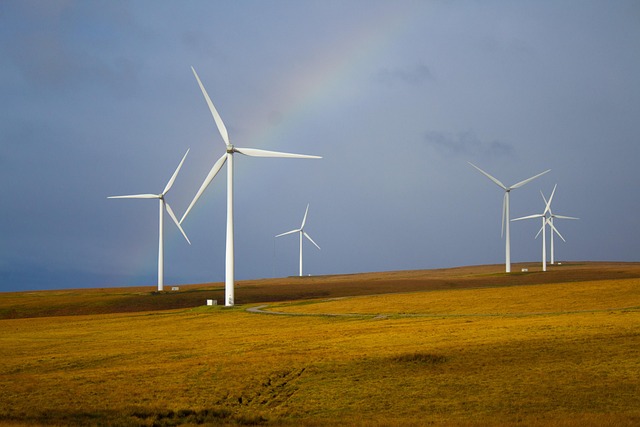
The Rapid Expansion of Data Center Energy Demand
Global data traffic continues to double every few years, pushing total data center electricity use toward levels once reserved for entire nations. Hyperscale facilities in regions like Northern Virginia or Dublin already consume gigawatts annually, reshaping local grid dynamics. The International Energy Agency (IEA) notes that without efficiency gains and renewable integration, sectoral emissions could triple by 2030. For operators pursuing net-zero targets, sourcing clean electricity has become a strategic necessity rather than a branding exercise.
The Role of Green Energy Providers in Meeting Data Center Needs
Green energy providers now design power purchase agreements (PPAs) specifically for data center load profiles. These long-term deals lock in price stability while guaranteeing renewable origin through certified sources such as wind or solar farms. In practice, such arrangements also drive regional investment: when a major operator signs a 15-year PPA, it often triggers new capacity additions to the grid. Beyond procurement, these alliances influence how utilities plan transmission upgrades and storage integration.
Understanding What “Green” Means in Power Procurement
The term “green” in electricity procurement hides layers of complexity that even seasoned professionals find difficult to decode. Certificates prove compliance but not necessarily carbon equivalence.
The Complexity of Renewable Energy Certification
Guarantees of Origin (GOs) in Europe and Renewable Energy Certificates (RECs) in North America serve as proof that one megawatt-hour of electricity was generated from renewable sources. Yet these documents don’t guarantee that the power consumed at a given hour came from a renewable plant operating nearby. A facility in Texas might claim 100% renewable use while drawing fossil-based grid power at night if its certificates are offset elsewhere. This temporal and geographic mismatch undermines claims of true sustainability and challenges auditors seeking accurate carbon accounting.
The Distinction Between Physical and Virtual PPAs
Physical PPAs involve direct delivery of renewable power through dedicated lines or local grids—an arrangement favored where co-location is feasible. Virtual PPAs, by contrast, are financial swaps: the buyer pays a fixed rate for renewable generation elsewhere while continuing to draw from the general grid. While both models support project financing, their transparency differs sharply. Physical contracts tie consumption to production; virtual ones rely on market settlements that can obscure real-world impact.
Intermittency, Storage, and Grid Dependency Challenges
Even with abundant contracts signed, renewables’ variability remains the Achilles’ heel of continuous operations. Balancing uptime with sustainability demands hybrid thinking across engineering and procurement teams.
The Impact of Intermittent Supply on Continuous Operations
Data centers require 24/7 reliability measured in milliseconds of downtime per year. Solar output drops at sunset; wind can vanish for days. During these gaps, operators often revert to grid electricity still dominated by fossil fuels or diesel backup systems that inflate Scope 2 emissions profiles. Some firms experiment with predictive scheduling—shifting non-critical workloads to align with renewable peaks—but mission-critical loads leave little flexibility.
The Role of Energy Storage in Sustainable Data Center Powering
Battery storage offers partial relief by smoothing short-term fluctuations rather than providing full autonomy. Lithium-ion systems can sustain operations for minutes or hours but not entire nights or seasons without massive cost escalation. Moreover, battery production introduces its own lifecycle emissions from mining and manufacturing processes. Emerging alternatives like flow batteries or hydrogen storage promise better scalability but remain commercially immature for hyperscale deployment.
Evaluating the True Carbon Footprint Behind “Green” Claims
Public declarations of “100% renewable” often omit embedded emissions and timing mismatches that distort actual environmental benefit.
Accounting for Scope 2 Emissions in Data Center Operations
Scope 2 emissions—those from purchased electricity—typically dominate a data center’s carbon ledger. Traditional annual matching methods allow companies to offset fossil-heavy hours with surplus certificates later in the year, masking real-time discrepancies. Time-matched accounting tools now track hourly consumption against generation data to reveal when facilities truly operate on clean power versus when they depend on conventional grids.
Hidden Emissions in Infrastructure and Supply Chains
Construction materials like concrete and steel carry significant embodied carbon before servers ever switch on. Cooling systems rely on refrigerants with high global warming potential if not properly managed. Hardware manufacturing adds further upstream emissions through complex supply chains spanning multiple continents. Lifecycle assessments show that focusing solely on operational electricity overlooks up to half the total footprint over a facility’s lifespan.
Regulatory Frameworks and Market Mechanisms Shaping Sustainability Claims
Policy frameworks vary widely by region, influencing how credibly companies can claim green status across markets.
Regional Policy Variations Affecting Renewable Integration
Europe leads with stricter verification under directives such as the EU Renewable Energy Directive II, which mandates traceable Guarantees of Origin tied to specific plants and timeframes. North American markets remain more flexible due to deregulation but face criticism for opaque certificate trading practices that allow double counting risks. In emerging economies like India or Brazil, infrastructure constraints limit grid absorption capacity for variable renewables despite strong solar potential.
The Influence of Corporate Sustainability Reporting Standards
Frameworks including the GHG Protocol, RE100 initiative, and CDP disclosures shape how corporations communicate energy sourcing progress. However, inconsistent methodologies—some counting certificates equally regardless of timing—complicate peer comparisons within sustainability rankings. Moves toward hourly-based disclosure aim to align reported figures with actual environmental outcomes rather than symbolic compliance.
Emerging Innovations Redefining Sustainable Power Models for Data Centers
Innovation continues to reshape what’s possible beyond traditional procurement contracts as operators seek deeper decarbonization paths tied directly to physical operations.
24/7 Carbon-Free Energy Matching Initiatives
New initiatives target true real-time alignment between consumption and renewable generation every hour of every day—a concept championed by several leading cloud providers alongside utilities and analytics firms. Advanced forecasting models predict supply-demand gaps so operators can adjust procurement dynamically instead of relying on static annual averages. Early pilot projects demonstrate feasibility but highlight scalability challenges where regional grids lack sufficient diversity or flexible resources.
Integration of On-Site Renewable Generation and Waste Heat Recovery
Installing solar arrays atop data hall roofs or nearby wind turbines reduces transmission losses while giving operators tangible control over their energy mix. Some Nordic facilities channel waste heat into municipal district heating networks—a symbiosis improving both community resilience and overall system efficiency metrics under ISO 50001 standards for energy management systems. Such integrated designs redefine sustainability beyond mere electricity sourcing into holistic resource stewardship.
FAQ
Q1: Why are green energy providers essential partners for data centers?
A: They supply tailored renewable contracts that stabilize costs while aligning with corporate decarbonization goals through verified sourcing mechanisms like PPAs.
Q2: How do virtual PPAs differ from physical ones?
A: Virtual PPAs act as financial hedges without physical delivery; physical PPAs deliver actual electrons from specific renewable plants directly into facility operations.
Q3: What makes hourly matching more accurate than annual certificate accounting?
A: It measures real-time alignment between consumption and generation instead of offsetting fossil-heavy hours later with unrelated certificates.
Q4: Can battery storage make a data center fully self-sufficient?
A: Not yet; current technologies handle short-term balancing but cannot sustain multi-day autonomy economically at hyperscale levels.
Q5: Which regulations most affect green claims’ credibility?
A: European verification rules under RED II impose strict traceability standards that reduce greenwashing risks compared with looser certificate markets elsewhere.