

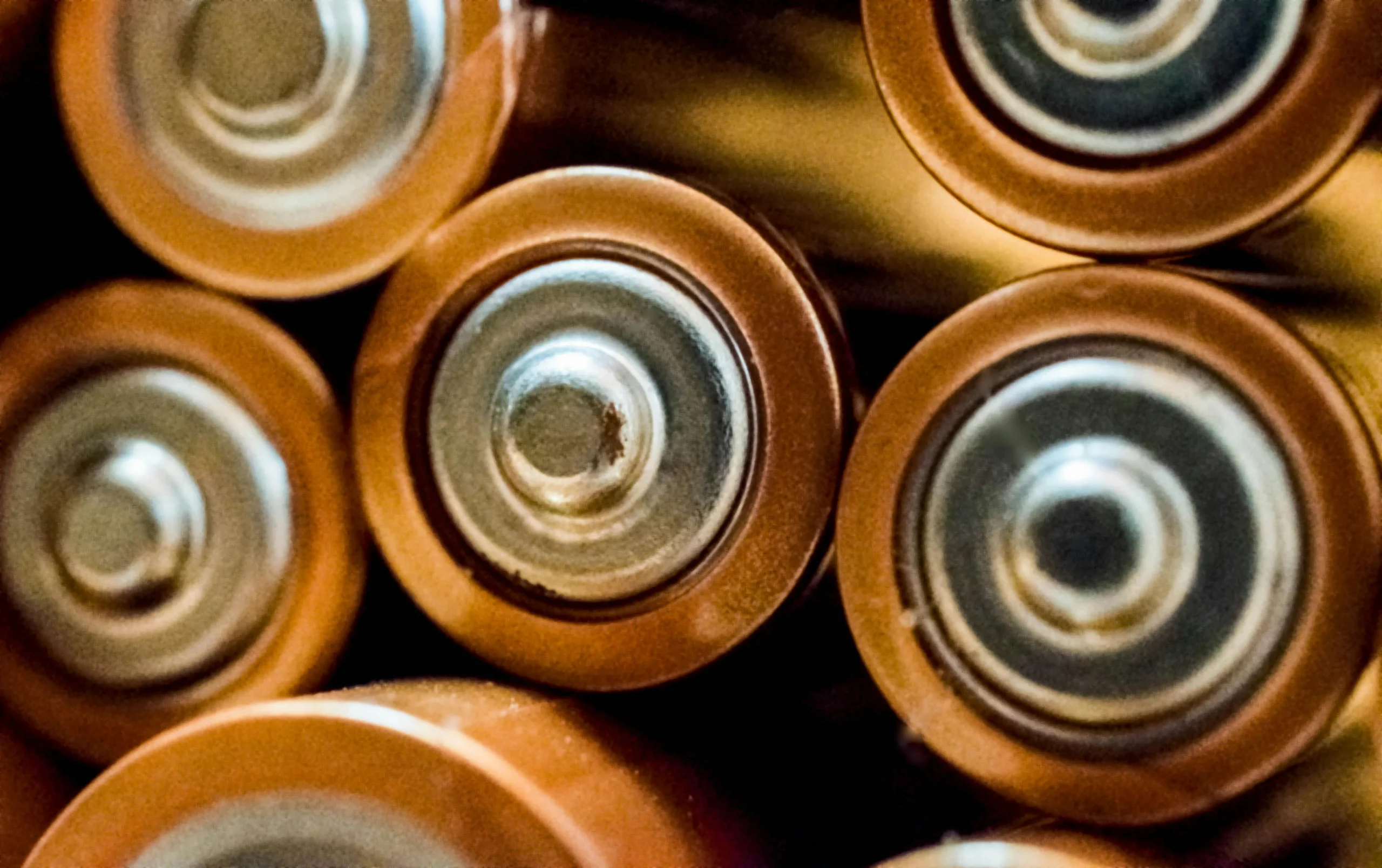

The global market for storage with electricity plays a key role in moving toward cleaner energy setups. As renewable power grows, the skill to store electricity well decides grid steadiness and money matters. This piece looks at how price watching, tech changes, and rule setups form the changing world of energy storage everywhere.

What Drives Price Fluctuations in Storage with Electricity?
Price changes in energy storage come from many mixing factors. These include raw material costs, making power, supply chain strength, and government help. You will notice that lithium-ion battery prices dropped a lot over the last ten years. This happened because of big-scale savings and tech steps forward. But, world troubles and mineral shortages can turn this around sometimes. They cause quick ups and downs.
Raw Material Costs and Supply Chain Dynamics
Lithium, nickel, cobalt, and graphite stay as main stuff for most battery types. When digging slows down or export rules get tight, making costs go up fast. For instance, in 2022–2023, lithium carbonate prices jumped more than 400%. Then they calmed as new supplies came in (source: Benchmark Mineral Intelligence). This shows how much the field relies on early commodity ups and downs. In real life, a factory in China might pause work if lithium prices spike, which hits buyers in the US hard. It’s like a chain reaction that no one wants.
Technological Advancements and Manufacturing Efficiency
Making new ways, like dry electrode coating or solid-state plans, cut down waste and boost energy hold. These steps lower the cost per kilowatt-hour. They also make batteries last longer. Big plants built by firms like CATL and Tesla push unit costs even lower with huge output. The International Energy Agency (IEA) said in its 2023 report that average battery pack prices fell from about $1,200/kWh in 2010. By 2022, they were under $140/kWh. Think about a car maker saving millions this way—it’s a game changer for everyday drivers too.
Policy Incentives and Market Regulation
Helps like subsidies, tax breaks, and carbon price tools shape money choices in different areas. The U.S. Inflation Reduction Act (2022) brought direct boosts for home battery making and big grid storage setup. In Europe, the REPowerEU plan pushes shared energy storage setups across borders. This helps mix in renewables. Such rules don’t just talk; they make real projects happen, like new plants popping up in sunny spots.
How Do Regional Markets Differ in Their Adoption of Storage with Electricity?
The speed of taking up storage in each area shows its power blend, rule setup, and factory power. Asia-Pacific leads in making output. North America pushes new ideas with risk money. Europe aims at mixing into the grid with rule plans. These differences mean some places get ahead faster, while others catch up slowly—it’s not always even.
Asia-Pacific’s Manufacturing Dominance
China holds over 75% of world lithium-ion cell making power (IEA data). Its full-line supply chains, from digging to putting together, give big money edges. Places like South Korea and Japan focus on better battery mixes, such as NCM (nickel-cobalt-manganese) ones for electric cars. A trip to a Shenzhen factory shows rows of machines humming non-stop, cranking out cells that end up in cars worldwide. It’s impressive, but it also raises questions about who controls the flow.
North America’s Innovation Ecosystem
The U.S. market stresses growth from study, backed by private cash. New companies work on sodium-ion batteries. These use plenty materials instead of key minerals. Canada’s push on clean-tech groups sets it as a center for fixed storage linked to renewable small grids. In places like California, you see test sites where these batteries handle power dips from sunny days turning cloudy. It’s hands-on learning that pays off.
Europe’s Policy-Driven Expansion
European Union rules demand more renewable use by 2030. This drives power companies to set up large storage for grid balance. Germany’s “Energiewende” plan gives set payments that boost small solar-plus-storage setups in homes. Families in Berlin might add a battery to their roof panels, cutting bills and helping the grid. Policies like this make green living feel real, not just a dream.
What Are the Emerging Technologies Transforming Storage with Electricity?
New ideas keep going past lithium-ion types. Researchers chase options that mix cost, safety, and green ways. These aren’t just lab toys; they’re gearing up for everyday use, though some hiccups remain.
Solid-State Batteries
Solid-state tech swaps liquid fillers with solid stuff. This boosts safety and energy pack. Toyota said it plans to sell them by 2027. They hit quicker charge speeds at cooler temps than old cells. Imagine charging your phone in minutes without worry— that’s the goal, and it’s close.
Flow Batteries
Flow setups keep energy in liquid fillers in outside tanks. They fit long-time uses, like wind or sun farms running night shifts. Vanadium redox flow batteries lead here. They grow easy and last over 20 years. In a windy Texas field, these could store extra power for quiet days, keeping lights on without fuss.
Hydrogen-Based Storage
Hydrogen works as a chem holder. It lets you store extra renewable power for seasons through water splitting. Change rates stay under 40% now. But dropping costs for splitters might make hydrogen a good big add to battery mixes in shared grids. Projects in Australia are testing this, blending hydrogen with batteries to cover base needs.
How Is Price Tracking Conducted Across Global Markets?
Right price watching matters a lot for money people checking project chance or supply risk. Without it, deals can go sour fast.
Benchmark Indexes and Market Analytics
Groups like BloombergNEF keep live lists of world battery pack prices for types and areas. These guides help buy deals between makers and power firms. They seek clear views amid changing input costs. A utility boss might check these daily to lock in a fair price before costs climb again.
Commodity Futures and Hedging Mechanisms
Makers guard against raw stuff ups and downs with future deals on spots like the London Metal Exchange (LME). This money side steadies long prices. But it needs smart risk handling from those in it. Small firms sometimes skip this and pay the price when metals jump 20% overnight.
Data Transparency Initiatives
Open info sets backed by world groups try to make report measures the same across lands. Free data lifts money trust. It lets rule makers compare cost paths fairly over time. In practice, this means better choices, like picking a supplier based on real numbers, not guesses.
What Role Do Government Policies Play in Shaping Market Trends?
Rule setups decide how quick techs hit sales ready by matching helps with weather goals. They guide the path, sometimes speeding it up or slowing it down.
Renewable Integration Mandates
Lands taking zero-waste promises often set must-do goals for renewable part in power making. Storage turns key to hit these without losing trust in times of changing output from sun or wind. Without storage, blackouts could spike, as seen in some early renewable pushes.
Research Funding Programs
Country labs get money gifts to speed breaks in next-type mixes like zinc-air or sodium-sulfur setups. These vow less harm to nature than lithium ones. Funding helps teams tweak designs, turning rough ideas into working models over years of trial and error.
Trade Regulations and Environmental Standards
Sell-out controls on key minerals or recycle musts shape where makers put plants. The European Battery Regulation (2023) asks for track from dig to end life. It’s a plan others might copy soon. This pushes cleaner chains, though it adds paperwork that frustrates some business folks.
How Do Market Trends Affect Long-Term Investment Strategies?
Money people weigh quick wins and long green holds when putting cash into energy storage plans. Trends shift how they bet, with some risks worth taking.
Capital Cost Decline Encouraging Utility Projects
As setup costs fall under $300/kWh for big systems (Wood Mackenzie data), grid runners pick batteries more over gas quick plants for steady service. This cuts smoke while keeping bend. In the UK, old gas plants sit idle as batteries take over, saving cash and air.
Corporate Procurement of On-Site Storage
Big companies add storage behind meters with roof sun setups to cut top demand fees. Amazon’s centers in Europe use block battery units now. These shift loads in high-fee times. A warehouse manager might watch the meter drop, smiling at the savings during peak hours.
Venture Capital Movement Toward Recycling Technologies
Recycle new firms draw more cash. They tackle stuff shortages and trash care by pulling back key metals from old cells at big scale for money gain. Investors see this as the next big thing, especially with rules pushing reuse over new digs.
FAQ
Q1: What is driving global demand for storage with electricity?
A: Growing renewable making brings spotty supply ways. These need bendy storage fixes to steady grids well over all time lengths. Plus, with more electric cars on roads, home batteries are popping up everywhere—it’s a daily need now.
Q2: Which technology currently dominates commercial deployments?
A: Lithium-ion stays on top because of its tried results. But other mixes come fast for set uses like long backup power. In remote spots, flow batteries might edge out soon for their staying power.
Q3: How do government incentives influence pricing trends?
A: Boosts cut first money outlay. Rule sureness draws private cash that speeds cost drops through fights among sellers. Take the US tax credit—it shaved dollars off projects, making them doable for smaller players.
Q4: Are recycling processes economically viable today?
A: Yes, mostly where rules back pickup setups. Pulled-back metals cut new dig needs. But money win hinges on area work costs and stuff clean levels in handling. Some plants hit 90% recovery, turning waste into profit.
Q5: What future developments could reshape this market?
A: Breaks in solid-state batteries or hydrogen mix setups, plus digital sell spots, might change how electricity gets stored, priced, and shared world-wide in ten years. Who knows, we might see flying drones delivering power packs by then—wild, right?



