

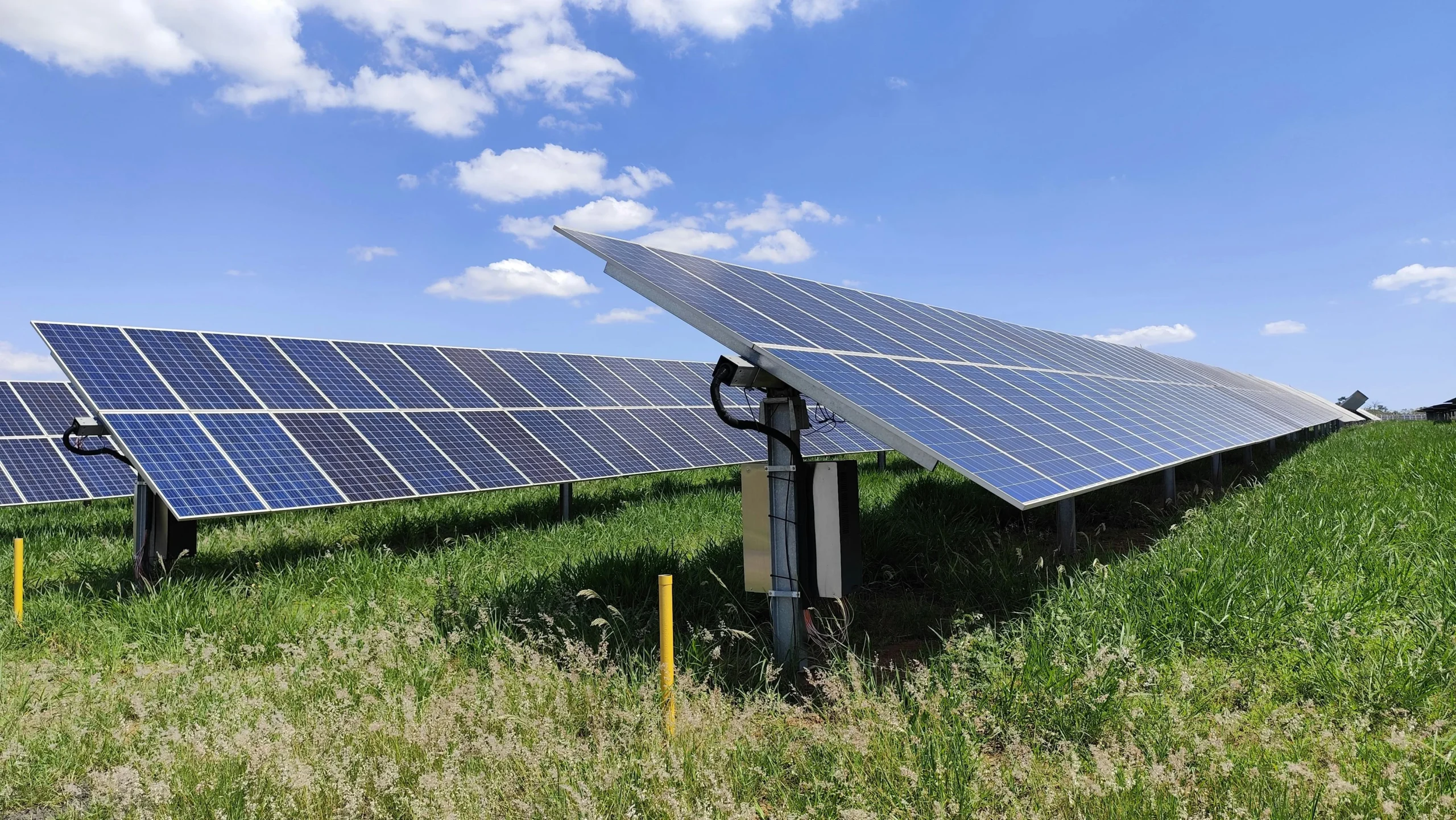

The world of energy is changing quickly. Solar power plays a key part in this big shift. As a green energy solar company, your place in this growing field is important for both planning and hands-on work. This piece looks at the newest changes, problems, and money trends in the solar world right now. It also checks how businesses can adjust to fresh tech while keeping their money matters steady.
How Is the Global Solar Energy Market Evolving?
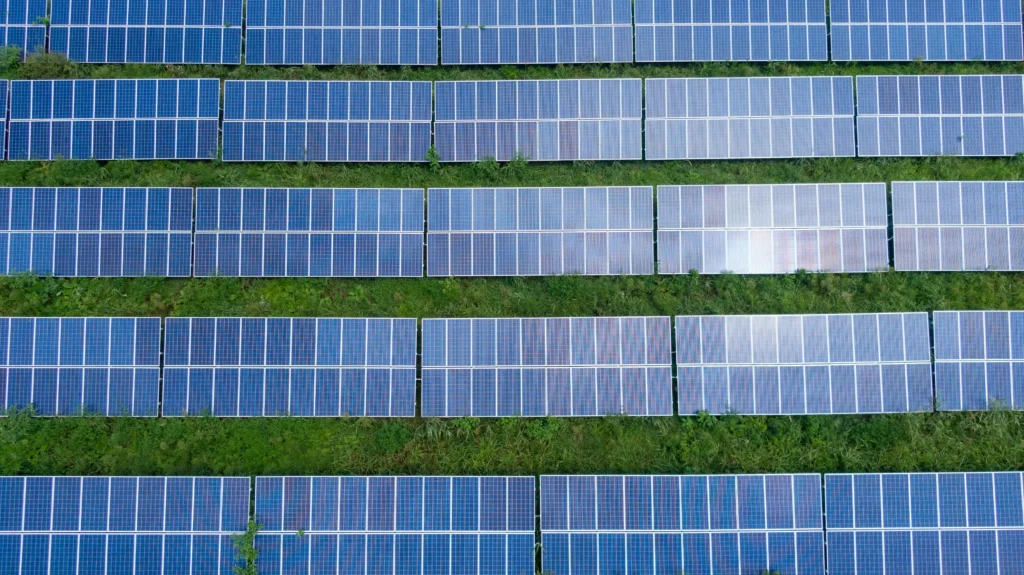
The solar market around the world has seen a huge jump in the last few years. Data from the International Energy Agency (IEA) shows that solar photovoltaic (PV) capacity went up by more than 25% in 2023 from the year before. This makes it the quickest-growing way to make electricity everywhere. Several things push this growth. Panel costs are dropping. Governments offer helpful rules. Plus, more companies promise to cut carbon to zero. Think about a small town in California that added solar panels to every home last year. It cut their power bills by half, and that’s just one story showing the real push.
Expansion of Renewable Infrastructure
Green energy solar companies are building more setups across different lands. In Asia, China leads in making and setting up panels. It handles over 40% of all setups worldwide. At the same time, places like India and Vietnam are growing their power fast. They do this through team-ups between public groups and private ones. These deals bring in money from other countries. Europe keeps working on updating power lines. This helps mix small solar systems into the main networks. For example, in Germany, a new project connected 500 homes to solar grids without any big delays. It shows how these builds can go smoothly when planned well.
Technological Advancements in Solar Efficiency
Fresh stuff like perovskite and bifacial panels boost how well they work. Rates now top 24%. This cuts the space needed for each bit of power made. So, companies get more energy from less ground. Floating solar farms are a good choice in spots with little land. They work well for big jobs. Imagine a lake in Southeast Asia covered with panels. It powers nearby villages and doesn’t take up farm space. That’s the kind of practical win that’s popping up more often.
Policy Support and Subsidy Shifts
Government help is still very key for this market to grow. Take the U.S. Inflation Reduction Act of 2022. It stretched tax breaks for clean projects until 2032. This sparks billions in new money. But the way subsidies work is changing. Now, they base rewards on how much power comes out over time. Not just on the first setup costs. In one case, a farm in Texas got extra funds because its panels ran steady through a hot summer. Such shifts make companies think long-term, which isn’t always easy but pays off.
What Are the Major Challenges Facing Green Energy Solar Companies?
Growth is fast, but green energy solar companies run into real roadblocks in daily work and money matters. If they don’t handle these wisely, things might slow down. It’s not all smooth sailing, as some projects hit snags that surprise even experts.
Supply Chain Constraints
World supply lines are still weak from fights between countries and short supplies of stuff. Polysilicon, the main part for PV cells, has wild price swings since 2021. This messes with job schedules and spending plans. Businesses fight back by spreading out where they get parts. They also put cash into making things closer to home. This cuts reliance on just one area. Picture a factory in Europe waiting months for chips from far away. It happened last year, and it delayed builds by weeks. Diversifying helps avoid that headache next time.
Land Use and Environmental Concerns
Big solar farms need lots of ground. This brings worries about hurting animal homes and pushing out farms. Some companies fix this with agrivoltaic setups. These mix growing crops under the panels. It makes the land do double duty without damage to nature. In France, one such farm grew wheat and made power at the same time. Yields stayed high, and birds still nested nearby. It’s a smart balance that more places are trying now.
Financing Barriers for Emerging Markets
Wealthy countries pull in big bucks easily. But growing spots often can’t get loans because of seen dangers. Big lenders like the World Bank step in with mixed money plans. They blend free aid with private funds to make projects safer bets. This opens doors for solar in places like Africa. One village project in Kenya got going with such help. It lit up schools and homes for the first time. Without that, it might have stayed dark.
How Are Innovations Transforming Solar Technology?
New ideas keep the green energy world moving forward. From better storage to smart tracking tools, tech changes how firms make and share clean power. Sometimes, these tweaks come from unexpected places, like a garage inventor who sparked a big company shift.
Integration of Battery Storage Systems
Storing energy is a must to handle ups and downs from changing sun. Lithium-ion batteries lead the pack in setups today. But solid-state ones look set to offer more punch and last longer when they hit big sales. In Australia, a solar farm paired with batteries kept lights on during a week of clouds. No blackouts. That’s the reliability folks want.
Artificial Intelligence in Energy Management
AI tools look at data to guess when fixes are needed. They tweak power based on weather or user needs. This ups trust in the system and cuts daily costs. A plant in India used AI to spot a loose wire before it failed. Saved them thousands in repairs. It’s like having a watchful eye that never sleeps.
Smart Grids and Decentralized Generation
Smart grids let power lines talk back and forth between companies and users. This smooths out how loads are handled. Small grids from roof panels let neighborhoods get some power on their own. They feed extra back to the big lines. In Puerto Rico after a storm, these setups kept essentials running when mains failed. Proves their worth in tough spots.
Why Is Investment Flow Increasing Toward Green Energy Solar Companies?
People putting in money see clean power as a smart bet for gains and safety from weather risks. The money side of solar has grown up a lot in ten years. It’s not just big shots; everyday investors are jumping in too, drawn by stories of steady returns.
Institutional Investors Entering the Sector
Retirement funds and country money pools now put more into clean assets. They like the even payoffs over time. BlackRock, for one, pledged $4 billion to weather projects worldwide early in 2024. That kind of move pulls others along. In Norway, a fund shifted 10% of its pot to solar last year. Returns beat expectations slightly, which surprised some.
Corporate Power Purchase Agreements (PPAs)
Big businesses chasing zero carbon sign long deals with clean providers. These PPAs lock in steady cash for builders. They help firms hit green goals under rules like ESG. Google signed one for 500 MW in 2023. It powers data centers without fossil fuels. Such deals build trust and steady income.
Rise of Green Bonds and Climate Finance Instruments
Green bonds are now common for huge jobs. Climate Bonds Initiative numbers from 2023 say worldwide sales topped $500 billion a year. This shows strong belief in areas like solar. A bond for a desert project in Morocco raised funds fast. It turned sandy waste into power gold.
How Do Global Policies Influence Market Direction?
Government rules shape chances and dangers in the clean field. Knowing rule changes helps firms guess shifts in needs or rules to follow. Policies can flip fast, like a sudden tax break that saves a project or a tariff that hikes costs overnight.
Carbon Pricing Mechanisms
Places with carbon fees, like Canada’s tax or the EU’s trade system, push for low-carbon picks like solar PV over old fuels. This makes clean options cheaper in the end. In Sweden, the price cut coal use by 20% in two years. Solar filled the gap nicely.
Trade Regulations Affecting Equipment Costs
Fees on brought-in panels or basics can change money math a lot. The U.S. brought back some fees on China panels in 2022. But it also pushed home making with tax perks in clean plans. This mix helps local jobs while keeping prices fair. One U.S. factory ramped up output by 30% thanks to that nudge.
National Targets Driving Deployment Goals
Lots of countries aim for no net emissions by 2050. These goals mean more need for clean setups. Japan’s Green Growth Strategy wants 108 GW of solar by 2030. It calls for faster yearly adds in many areas. They’re on track, but weather quirks sometimes slow things a bit.
What Are Future Prospects for Green Energy Solar Companies?
The coming ten years will set who leads in clean energy ranks. Firms that try new things quick and watch costs close will rule new spots. It’s exciting, though not without bumps—like supply hiccups that test patience.
Hybrid Renewable Systems Combining Wind and Solar
Mixed plants with wind machines and PV panels even out power changes over months or areas. This way works well in South America. Weather there varies, so blending sources fits. A site in Brazil mixed them and cut downtime by half. Reliable power at last.
Digital Twin Technology for Predictive Maintenance
Digital twins make virtual copies of real gear. Engineers test ideas in sims before real fixes or starts. This cuts stop time and stretches how long things last. In China, a twin model caught a fan issue early. Avoided a full shutdown. Handy tool for busy ops.
Expansion Into Hydrogen Production Using Solar Power
Using extra sun power for splitting water makes green hydrogen. This clean fuel will help clean up heavy work like making steel or moving ships in years ahead. A pilot in Spain turned sunny days into hydrogen tanks. It’s small now, but scaling up could change industries big time.
FAQ
Q1: What defines a green energy solar company?
A: It means a business that focuses on making power from sun with photovoltaic or heat systems. It follows green rules in all its work.
Q2: Which regions currently lead global solar adoption?
A: Asia tops the list with China out front. But Europe’s updates to grids and North America’s rule boosts add a lot too.
Q3: What technological trends will shape future growth?
A: Main ones are better perovskite panels, AI watch systems, strong battery links, and mixed clean setups from various sources.
Q4: How do policy changes affect profitability?
A: Changes in help funds or fees can shift money sides. Good rules build trust in investors. Tight trade rules might bump costs for a while.
Q5: Why is corporate interest rising so sharply?
A: Businesses grab clean power via PPAs to meet ESG aims. It trims costs over time and matches their image to green care around the world.



