
Pacific Leaders Train in Solar Technology as Fuel Costs Rise
Pacific island economies face a decisive moment as rising global fuel prices strain their energy systems. With imported diesel dominating electricity generation, volatility in supply and cost has forced governments to rethink their long-term strategies. The shift toward “solar tec” — advanced solar technologies integrated with storage and smart grids — is no longer experimental but essential. Regional leaders are now investing in training programs that build local expertise and reduce dependency on external contractors, positioning the Pacific for a more resilient and independent energy future.
The Shifting Energy Landscape in the Pacific
The Pacific’s energy transition is shaped by both economic pressure and environmental necessity. As fossil fuel imports become increasingly unsustainable, nations seek alternatives that can stabilize budgets and secure power reliability across dispersed islands.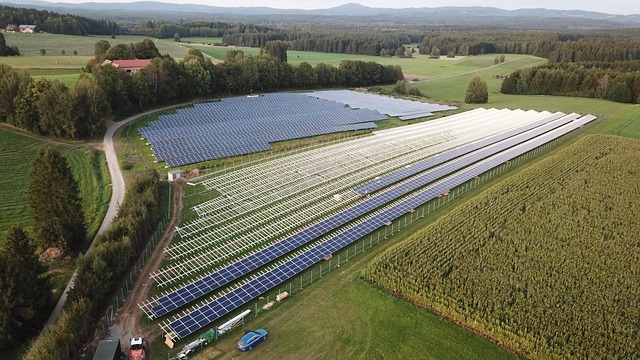
Economic Pressures from Rising Fuel Costs
Increasing global oil prices have intensified fiscal stress across Pacific nations. Many small island states spend a significant share of GDP on imported fuels, leaving little room for other development priorities. Higher transportation and electricity costs ripple through local economies, raising the price of goods and services. Governments now view renewable energy not only as a climate solution but also as an economic safeguard against unpredictable global markets.
Regional Dependence on Imported Fossil Fuels
Most Pacific utilities still rely heavily on diesel generators for electricity production. This dependence exposes them to logistical risks — from shipping delays to currency fluctuations — that can quickly disrupt national power supply. For remote islands, even minor disruptions can lead to blackouts or fuel rationing. Reducing reliance on imported fuels has therefore become a strategic imperative tied directly to national security and resilience.
The Emergence of Solar Tec as a Strategic Solution
As fossil fuel challenges mount, solar tec emerges as a practical alternative tailored to island conditions. Its modular design and adaptability make it particularly suited for remote communities where traditional grid extension is uneconomical.
Solar Tec Innovations in the Pacific Context
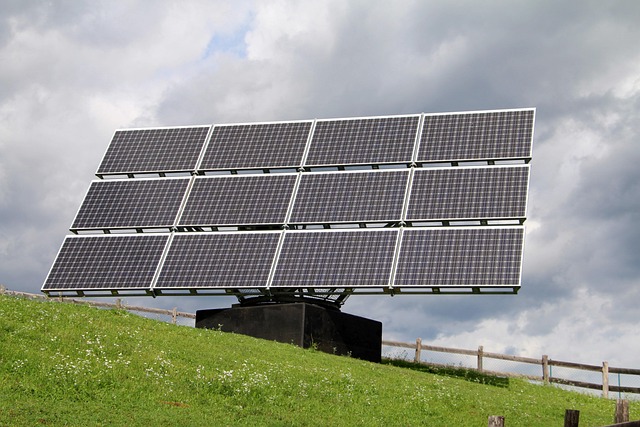
Solar tec refers to advanced photovoltaic systems combined with energy storage and smart management tools. These systems are designed to withstand tropical climates characterized by humidity, salt exposure, and high temperatures. Beyond technology, capacity development plays a vital role: regional training centers now prepare technicians to install, maintain, and troubleshoot solar arrays effectively across diverse terrains.
How Solar Tec Differs from Conventional Solar Deployment
Unlike large-scale centralized solar farms common elsewhere, solar tec solutions emphasize modularity suitable for microgrids serving small populations. Hybrid setups—mixing solar panels with batteries or backup diesel units—help maintain stability when sunlight is inconsistent. Another key difference lies in operational independence: local engineers gain hands-on skills that minimize long-term dependence on foreign specialists.
Capacity Building and Technical Training Initiatives
Human capital development underpins the region’s renewable transformation. Without skilled professionals, even the best-designed systems risk underperformance or early failure.
Regional Training Programs for Renewable Energy Professionals
Across the Pacific, engineers and technicians participate in practical workshops covering system design, installation safety, and maintenance protocols. Collaborative partnerships between regional universities and international agencies have accelerated this knowledge exchange. Graduates from these programs often return home to lead national electrification projects or establish private firms offering solar services.
Institutional Support for Workforce Development
National energy authorities now embed solar tec competencies into vocational training curricula. Certification frameworks aligned with international standards such as IEC 61215 for photovoltaic modules help guarantee quality assurance across installations. As local enterprises mature, they expand employment opportunities while strengthening domestic technical capacity.
Policy Integration of Solar Tec into National Energy Strategies
Policy alignment determines whether solar tec adoption remains pilot-scale or becomes mainstream infrastructure. Governments increasingly treat renewables as central pillars of their national development plans rather than supplementary options.
Aligning Solar Tec with National Renewable Energy Targets
Pacific states integrate solar tec within broader sustainability goals that aim for high renewable penetration by 2030 or 2050. Policy instruments like feed-in tariffs or tax incentives attract private investors while ensuring equitable access for communities beyond main urban centers. These initiatives also reinforce commitments under international frameworks such as the Paris Agreement.
Financing Mechanisms Supporting Solar Tec Expansion
Access to finance remains critical for scaling deployment across archipelagic regions. Multilateral institutions like the Asian Development Bank provide concessional loans supporting distributed generation projects. Public-private partnerships further bridge funding gaps by combining government backing with commercial innovation. In some areas, community cooperatives pool resources to co-own microgrids—ensuring affordability while fostering local ownership of clean power assets.
Technological Challenges and Opportunities in Implementation
While progress is evident, integrating intermittent renewables into small island grids presents complex engineering challenges that require continuous innovation.
Grid Integration and Storage Optimization Issues
Managing variable solar output demands robust battery storage tailored to low-capacity networks. Smart grid platforms monitor load patterns in real time to balance generation with consumption efficiently. Research teams explore hybrid models combining solar with wind turbines or diesel backups to enhance reliability during cloudy periods or cyclones.
Environmental and Infrastructure Considerations
Coastal exposure accelerates corrosion of metallic components; thus installers favor marine-grade materials for durability. Limited land availability encourages creative use of rooftops or floating structures on lagoons to maximize space efficiency. Responsible disposal plans address end-of-life photovoltaic waste through recycling partnerships consistent with ISO environmental management standards.
Economic and Strategic Implications for the Pacific Region
Transitioning toward solar tec reshapes not only how electricity is produced but also how economies allocate resources and plan future growth trajectories.
Long-Term Cost Benefits of Transitioning to Solar Tec
Declining equipment prices have significantly improved project economics over the past decade. Savings from reduced diesel imports free public funds for health care or education sectors often constrained by fuel bills. Predictable electricity pricing also enhances industrial competitiveness by reducing exposure to global oil volatility—a major advantage for tourism-dependent economies seeking stability.
Enhancing Regional Energy Independence
Decentralized solar networks strengthen resilience against external shocks such as shipping disruptions or price spikes triggered by geopolitical tensions. Local expertise cultivated through training programs fosters operational self-sufficiency across islands once reliant on foreign contractors. Moreover, regional cooperation—sharing research data or spare parts logistics—builds collective strength within the broader Pacific community pursuing sustainable growth.
FAQ
Q1: Why are Pacific nations prioritizing solar tec over other renewables?
A: Because it fits their geographic realities—abundant sunlight, limited land area—and offers modular scalability unmatched by wind or hydro options.
Q2: What makes training programs crucial in this transition?
A: Skilled technicians ensure system reliability; without them, maintenance delays could undermine investment returns and public trust.
Q3: How do hybrid systems improve energy security?
A: They combine storage with backup generation so power remains stable even during cloudy days or grid disturbances.
Q4: Are financing barriers still significant?
A: Yes, though concessional loans and blended finance models are helping smaller nations overcome upfront cost hurdles.
Q5: What environmental measures accompany large-scale deployment?
A: Projects increasingly include corrosion-resistant materials, recycling schemes for old panels, and site designs minimizing ecological disruption.