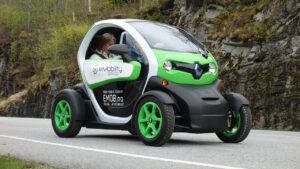

Wuling Launches the 2026 Hongguang Mini EV
The 2026 Wuling Hongguang Mini EV marks a pivotal moment in China’s electric mobility landscape. Positioned as a next-generation micro-EV, it blends affordability, smart technology, and urban practicality. Wuling’s strategy focuses on maintaining dominance in the compact EV segment while adapting to new policy incentives and consumer expectations. The model’s evolution reflects broader trends in battery innovation, digital connectivity, and sustainable design—making it both a commercial and technological benchmark for small electric vehicles.
The Strategic Positioning of the Wuling Hongguang Mini EV in 2026
Wuling’s latest release builds upon years of experience in designing efficient microcars for China’s dense cities. Its trajectory from early low-cost EVs to intelligent urban solutions has redefined how compact cars fit into the country’s electrification goals.
Evolution of Wuling’s Electric Vehicle Portfolio
Wuling began its EV journey by addressing local commuting needs with simple, affordable models. The first Hongguang Mini EV became a cultural phenomenon due to its low entry price and ease of use. Over time, iterative upgrades introduced longer ranges and improved safety systems. By 2026, this evolution culminates in a model that integrates higher energy density batteries and connected vehicle technologies.
Key Milestones Leading to the 2026 Hongguang Mini EV Release
Key milestones include the initial launch in 2020, surpassing one million units sold by mid-decade, and partnerships with technology firms to enhance software architecture. The 2026 version introduces advanced driver-assist features and compatibility with smart city ecosystems—a leap from its utilitarian origins.
Competitive Positioning Within China’s Rapidly Evolving EV Market
China’s micro-EV segment has become fiercely competitive, with brands like BYD and Changan entering aggressively. Wuling maintains an edge through its extensive dealer network and cost-efficient production base in Guangxi. Its pricing strategy continues to attract first-time buyers while appealing to fleet operators seeking low total ownership costs.
Market Context and Urban Mobility Trends
The shift toward compact electric mobility is deeply tied to urbanization patterns across China. As megacities tighten emission standards, lightweight EVs serve as practical solutions for short-range travel.
Growing Demand for Compact EVs in Densely Populated Cities
Urban residents increasingly prefer small vehicles that can navigate tight streets and limited parking spaces. The Hongguang Mini EV meets this demand with minimal footprint yet sufficient cabin space for daily errands.
Policy Incentives and Infrastructure Shaping Small EV Adoption
Government subsidies, green license plate privileges, and expanding charging networks continue to support adoption. Municipal policies now encourage shared mobility fleets composed largely of micro-EVs.
Shifts in Consumer Behavior Toward Sustainable Urban Commuting
Younger consumers value sustainability as much as convenience. Many choose compact EVs not only for cost savings but also as expressions of eco-conscious living within crowded metropolitan areas.
Technological Advancements in the 2026 Hongguang Mini EV
Wuling’s 2026 model showcases significant technical progress compared with earlier generations. It reflects how mass-market electrification is evolving toward smarter, safer city vehicles.
Powertrain and Battery Innovations
Battery density improvements extend range without increasing size or cost significantly. Fast-charging capabilities allow an 80% charge within half an hour using standard urban chargers. The company continues exploring solid-state options while relying on LFP chemistry for stability and affordability.
Integration of Energy-Efficient Motor Systems for City Driving
The powertrain prioritizes efficiency over raw performance. A lightweight motor system paired with regenerative braking maximizes energy recovery during stop-and-go traffic typical of city driving.
Potential Use of Solid-State or LFP Battery Chemistry for Safety and Cost Efficiency
LFP batteries remain central due to their thermal safety profile and long cycle life. However, R&D investments indicate potential migration toward semi-solid configurations post-2026 if cost parity is achieved.
Smart Connectivity and Vehicle Intelligence
Connectivity has become a defining feature of new-generation microcars. For Wuling, digital integration enhances both user experience and operational efficiency across fleets.
Incorporation of IoT-Based Vehicle Management Systems
IoT modules enable real-time monitoring of vehicle health, location tracking, and predictive maintenance alerts—crucial for shared mobility platforms operating multiple units simultaneously.
Enhanced Driver-Assist Functions Suitable for Urban Navigation
Adaptive cruise control, lane-keeping assist, and automatic parking are tailored specifically for congested environments where precision matters more than speed.
Software Architecture Supporting Over-the-Air Updates and Data-Driven Optimization
The vehicle’s electronic control unit supports OTA updates that continuously refine energy management algorithms based on aggregated driving data from thousands of users nationwide.
Redefining Urban Mobility Through Design and Functionality
Design remains at the core of Wuling’s appeal: functional yet stylish forms optimized for everyday practicality rather than luxury aesthetics.
Compact Architecture for Dense City Environments
A short wheelbase combined with high roofline maximizes cabin volume while maintaining agility in narrow alleys or crowded parking zones—a hallmark trait since the original Mini EV debut.
Adaptive Interior Configurations Catering to Diverse User Needs
Foldable rear seats allow flexible cargo space conversion for delivery services or weekend trips—an increasingly common use case among young entrepreneurs.
Lightweight Materials Contributing to Energy Efficiency and Performance
Use of aluminum panels and composite plastics reduces curb weight by nearly 10%, improving acceleration response while lowering energy consumption per kilometer traveled.
Sustainability in Manufacturing and Operation
Environmental responsibility extends beyond tailpipe emissions; it encompasses sourcing, production, usage, and disposal stages alike.
Use of Recyclable Materials and Low-Impact Production Processes
Factories employ closed-loop recycling systems where metal scraps are reused internally, cutting manufacturing waste significantly compared with conventional assembly lines.
Lifecycle Carbon Footprint Analysis Compared to Traditional Vehicles
Independent assessments show lifecycle emissions reductions exceeding 40% versus comparable gasoline microcars when powered by renewable electricity sources (IEA data).
Integration with Renewable Energy Ecosystems Through Smart Charging Solutions
Smart charging stations coordinate with grid operators to draw power during off-peak hours or when renewable generation peaks—reducing strain on local grids while minimizing CO₂ intensity per charge cycle (IRENA findings).
Economic and Policy Dimensions Influencing Adoption
Beyond technology lies economics: affordability remains decisive in mass-market success within emerging urban centers across China’s tier-two cities.
Government Regulations and Incentives in 2026
Central authorities maintain purchase subsidies tied to battery capacity thresholds while local programs reward shared fleet deployment through reduced licensing fees (Bloomberg NEF reports).
Tax Benefits, Subsidies, and Green License Plate Privileges Driving Adoption
Green plates exempt drivers from congestion restrictions in several municipalities—a non-trivial incentive given daily commuting realities across megacities like Shanghai or Guangzhou.
The Role of Local Governments in Promoting Shared Mobility Initiatives
Municipal partnerships integrate micro-EVs into public transport ecosystems via last-mile rental programs managed through digital platforms supported by regional transport bureaus.
Cost Competitiveness and Market Accessibility
Pricing remains a balancing act between affordability and innovation investment—a challenge every automaker faces as battery prices fluctuate globally (Reuters data).
Pricing Strategy Positioning Relative to Competitors Like BYD Seagull or Changan Lumin
Wuling positions slightly below direct rivals while offering comparable range figures around 200 km per charge—maintaining its “value-first” identity that built brand loyalty early on.
Cost Structure Optimization Through Localized Supply Chains
Localized sourcing from domestic component suppliers reduces logistics costs by up to 15%, improving margins even amid volatile lithium prices reported by industry analysts (IEA).
Impact on Total Cost of Ownership for Individual Consumers and Fleet Operators
Low maintenance requirements combined with cheap electricity rates make lifetime ownership costs substantially lower than combustion alternatives—particularly attractive for delivery fleets operating high mileage cycles each month.
The Role of the Hongguang Mini EV in Future Urban Ecosystems
As cities digitize their infrastructure under smart-city frameworks, vehicles like the Hongguang Mini EV will serve as nodes within interconnected mobility networks rather than isolated transport units.
Integration with Smart City Infrastructure
Future models may communicate directly with traffic lights or parking systems via V2X protocols standardized under IEEE frameworks—enhancing flow efficiency during rush hours while reducing idle emissions at intersections.
Potential Role in Last-Mile Logistics, Ride-Sharing, and Autonomous Micro-Mobility Networks
Compact dimensions make it ideal for parcel delivery or ride-hailing services operating within restricted downtown zones; pilot projects already test autonomous variants under controlled conditions supported by municipal regulators.
Data Utilization for Improving City Planning and Traffic Flow Efficiency
Aggregated anonymized telemetry can inform planners about congestion hotspots or charging demand distribution—helping optimize infrastructure investment priorities over time (ISO/TC204 standards reference).
Long-Term Implications for Urban Transportation Models
Micro-EVs like Wuling’s could accelerate modal shifts away from traditional combustion-powered scooters or taxis toward fully electrified mobility ecosystems aligned with national decarbonization goals set between 2030–2040 timelines (IEA).
Influence on Modal Shifts Away from Traditional Combustion Vehicles
As ownership costs decline further through scale economies, small electric cars may replace two-wheelers entirely across certain city districts where weather conditions favor enclosed cabins year-round.
Contribution to Achieving Net-Zero Transportation Targets by 2030–2040 Timelines
Each incremental adoption contributes measurably toward fleet-level emission reductions mandated under China’s carbon neutrality roadmap endorsed internationally at COP summits (UNFCCC).
Prospects for Export Markets Adopting Similar Urban Mobility Frameworks
Emerging economies facing similar congestion challenges—from Southeast Asia to Latin America—could replicate China’s micro-EV ecosystem using localized assembly strategies modeled after Wuling’s playbook.
Challenges And Opportunities Ahead For Wuling’s Strategy
Despite strong momentum, sustaining leadership requires navigating intensifying competition while scaling responsibly under resource constraints affecting global supply chains post-2025 period forecasts (Bloomberg).
Competitive Landscape Among Micro-EV Manufacturers
Dozens of domestic startups now compete aggressively through niche targeting such as youth-oriented designs or ultra-low-cost variants; differentiation thus hinges increasingly on software sophistication rather than hardware alone.
Differentiation Through Technology Partnerships or Joint Ventures With Global OEMs
Collaborations with established international automakers could accelerate access to advanced semiconductors or autonomous driving stacks otherwise costly to develop independently—a path several peers already pursue globally (Reuters).
Strategic Responses To Increasing Price Pressure In Entry-Level EV Markets
Wuling may counter margin compression through modular platform reuse across multiple body styles—from cargo vans to convertible variants—spreading R&D expenditure efficiently without diluting brand equity among core buyers.
Scaling Production While Maintaining Quality Standards
High-volume output demands rigorous process discipline; maintaining consistency across thousands of units daily becomes critical once export ambitions expand beyond domestic borders after 2026 launch window projections (IEA).
Balancing High-Volume Manufacturing With Stringent Quality Control Protocols
Automated inspection lines using AI vision systems detect assembly deviations early—reducing defect rates significantly relative to manual audits previously common within budget segments worldwide standards suggest (ISO9001).
Supply Chain Resilience Amid Fluctuating Raw Material Costs And Geopolitical Risks
Diversifying lithium sources across multiple continents mitigates exposure risks tied to single-country dependencies that have disrupted markets repeatedly since early pandemic years documented widely by trade monitors (Bloomberg NEF).
Investment Priorities To Sustain Innovation Momentum Beyond 2026 Models
Continued funding into battery R&D centers ensures next-generation chemistry readiness; parallel efforts focus on integrating AI-driven traffic prediction modules enhancing real-time navigation accuracy inside congested megacities globally recognized challenges cited by IEEE Mobility Reports.
FAQ
Q1: What distinguishes the 2026 Wuling Hongguang Mini EV from earlier versions?
A: It introduces improved battery range, faster charging times, enhanced driver-assist systems, plus IoT-based connectivity features absent from prior models.
Q2: How does government policy influence its market success?
A: Subsidies, tax breaks, green license privileges, along with expanding charging networks collectively sustain strong demand growth among cost-sensitive buyers nationwide.
Q3: Is the new model suitable for commercial applications?
A: Yes; its compact size suits delivery fleets while low running costs make it ideal for ride-sharing operations targeting dense urban corridors.
Q4: What role does sustainability play in production?
A: Manufacturing emphasizes recyclable materials alongside closed-loop processes designed to minimize environmental impact throughout each vehicle lifecycle stage.
Q5: Could this model expand internationally?
A: Given rising global interest in affordable urban electrification solutions similar frameworks could emerge abroad leveraging localized assembly inspired by Wuling’s domestic success story.