
The short answer on low-price electric cars
The search for an electric car low price is no longer limited to a handful of niche models. Even so, the market remains uneven. In 2026, lower battery costs, stronger competition, and more entry trims are pulling prices down for some EVs, particularly in China and in selected U.S. and European segments. That does not make the cheapest EV the lowest-cost vehicle for every buyer. Financing rates, home charging access, range requirements, used-EV depreciation, and the end of U.S. federal clean vehicle tax credits for vehicles acquired after September 30, 2025 all affect the final ownership cost. For broader EV market updates, see the EVs section.
What the latest U.S. price data shows
The U.S. EV market has become more price-sensitive as incentives changed and inventories normalized. Kelley Blue Book reported that the average transaction price for a new EV fell to $54,754 in August 2026, down 1.3% from July and 2.8% from a year earlier. The same report said the EV premium over gas-powered vehicles narrowed to $4,847. That points to a smaller gap than during the high-price period of 2021-2023, although price parity is still not consistent across vehicle types or regions. (kbb.com)
Cox Automotive’s market snapshot, updated in September 2026, listed the average new EV transaction price at $54,754 for August, the average used EV listing price at $37,441, and the average new-vehicle transaction price across the broader market at $50,089. It also showed a 78-day supply for new EVs and a 42-day supply for used EVs, indicating that supply conditions differ sharply between new and used electric models. (coxautoinc.com)
| U.S. indicator | August 2026 figure | Why it matters |
|---|---|---|
| Average new EV transaction price | $54,754 | Shows that new EVs remain above the broader new-car average. |
| Average used EV listing price | $37,441 | Used EVs may offer a lower entry point, though model age and battery warranty matter. |
| Average new vehicle transaction price | $50,089 | Provides context for the remaining EV price premium. |
| New EV days’ supply | 78 days | Higher supply can increase room for discounts on some models. |
These averages are useful market indicators, not a quote for any single buyer. They include luxury vehicles, trucks, SUVs, entry trims, and regional dealer differences. A shopper comparing only compact crossovers or used commuter EVs may see a much lower effective price than the headline average suggests.
Why some electric cars are getting cheaper
Three forces are helping push EV prices lower. The first is battery cost. The International Energy Agency’s 2026 analysis found that in 2025, sales-weighted average purchase prices for electric cars declined across almost all covered segments in China, Germany, and the United States. The IEA linked those declines partly to lower battery cell prices and partly to manufacturers’ pricing strategies and non-battery cost changes. (iea.org)
The second force is competition. China shows what can happen when manufacturers compete across many low- and mid-price segments. In 2025, about 30% of battery electric car models in China had entry-level prices below $20,000, while nearly 70% of BEVs sold in China were cheaper than comparable internal-combustion models before incentives. That pricing is not available in every market, but it shows how dense supply chains and intense competition can reshape affordability. (iea.org)
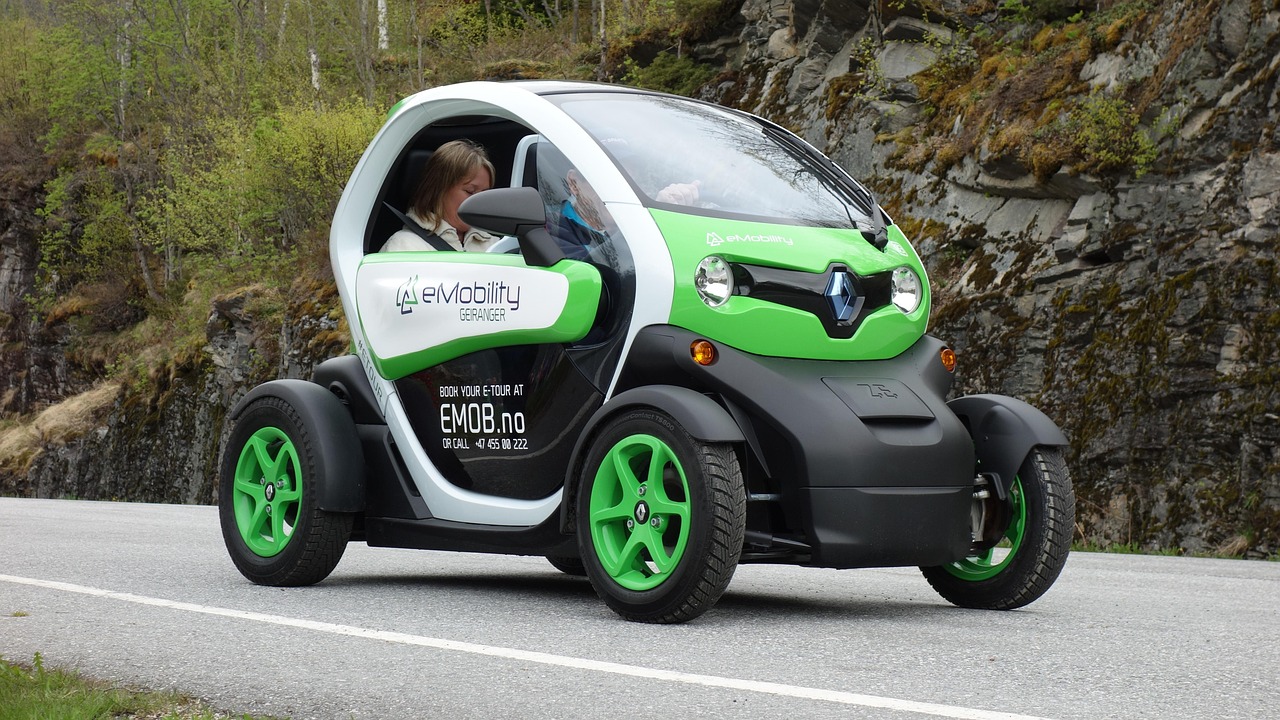
The third force is model strategy. Automakers are adding lower-priced trims, smaller batteries, and simpler equipment packages for buyers who do not need maximum range or premium features. The IEA noted a clear relationship between BEV price and driving range: lower-priced models generally use smaller batteries and offer shorter ranges, while long-range vehicles tend to sit higher in the price spectrum. (iea.org)
Why a low sticker price can still mislead
A low advertised price is only one part of EV affordability. In the United States, the federal New Clean Vehicle Credit, Previously-Owned Clean Vehicle Credit, and Qualified Commercial Clean Vehicle Credit are not available for vehicles acquired after September 30, 2025, according to the IRS. That makes manufacturer discounts, state-level programs, dealer pricing, and lease terms more important for 2026 buyers than the former federal point-of-sale credit. (irs.gov)
Financing can change the real cost as well. Cox Automotive’s September 2026 market snapshot listed the average prime new auto loan rate at 9.93% for August and the average prime used auto loan rate at 14.03%. A lower sticker price can lose much of its advantage if the loan term is long, the interest rate is high, or the buyer rolls fees and add-ons into the financed amount. (coxautoinc.com)
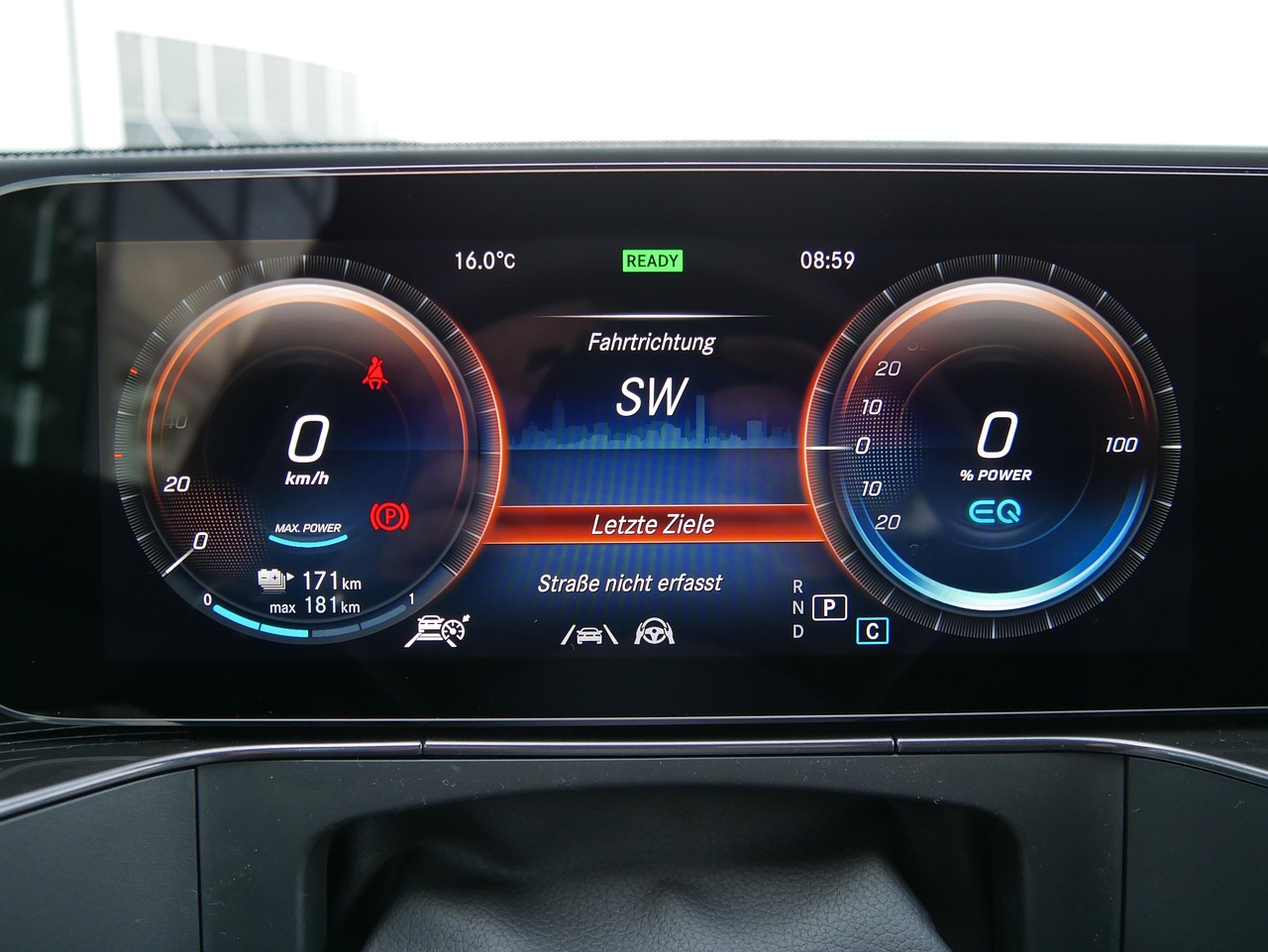
Range is another practical trade-off. Smaller-battery EVs can be strong city and suburban vehicles, but a buyer who regularly drives long distances, lacks home charging, or depends on winter highway range may need a larger battery or faster charging capability. That can move the purchase out of the lowest-price bracket. The lowest upfront price works best when it matches the driver’s route pattern and charging options.
New, used, or discounted models
For shoppers focused on electric car low price, the strongest comparison is usually not just EV versus gasoline. It is new EV versus used EV versus discounted outgoing model. Each option carries a different mix of cost, warranty coverage, and technology risk.
- New low-price EVs offer the latest warranty coverage and software, but the headline market average remains high because the U.S. market still includes many premium SUVs and trucks.
- Used EVs can lower the entry price, especially when earlier models have depreciated. Buyers should still check remaining battery warranty, charging standard compatibility, accident history, and whether the vehicle’s real-world range fits their use case.
- Discounted current models may provide better value than the cheapest base trim when inventory is high, but buyers should compare total cost rather than monthly payment alone.
- Leases can reduce short-term risk for technology-sensitive buyers, but mileage caps, fees, and residual value assumptions need to be clear before signing.
The used market deserves close attention because average listings are far below average new EV transaction prices. However, used EV pricing varies widely by brand, battery size, age, charging speed, and local demand. A three-year-old long-range EV may be a better buy than a brand-new low-range model for one household, while a short-range used EV may be ideal for another household with reliable home charging and a predictable commute.
Global affordability is moving at different speeds
EV affordability is not a single global story. In China, the price gap has narrowed fastest, and in some segments EVs have already become cheaper than combustion vehicles. The IEA reported that in 2024, the median price paid for a battery electric car in China was around $24,000, about $700 less than for an internal-combustion car. It also found that more than half of available BEV models in China were priced below $30,000 in 2024. (iea.org) See also: clean energy.
Europe is improving but still constrained by limited low-cost model availability. The IEA said that in 2025, fewer than 10% of available BEV models in Europe were priced below €30,000, compared with about 25% of internal-combustion models. It also found that the average BEV price premium in Europe declined to around 20% in 2025, helped by new affordable models and pricing actions, but partly offset by the shift toward larger vehicles. (iea.org)
The United States remains heavily shaped by SUVs. In 2025, SUVs represented more than three-quarters of both new internal-combustion and new electric car sales in the U.S., according to the IEA. That matters because larger vehicles need more materials and larger batteries, making it harder for the market average to fall quickly. The IEA also noted that fewer than 20% of available U.S. electric car models in 2024 and 2025 had a base trim below the median price paid for an internal-combustion car, which it placed at about $40,000. (iea.org)
A practical checklist for finding a lower-cost EV
Instead of chasing the lowest advertised number, buyers should define a realistic ownership budget. A practical checklist includes:
- Set a usable range target. Base it on weekly driving, weather, highway use, and charging access rather than the highest range number on the market.
- Compare total transaction price. Include destination charges, dealer fees, taxes, required accessories, financing, and any manufacturer or local incentive.
- Check charging costs. Home charging can make EV ownership much cheaper, while frequent public fast charging can reduce the fuel-cost advantage.
- Review warranty and battery coverage. This is especially important for used EVs and discontinued models.
- Watch inventory and model-year timing. Higher supply, outgoing model years, and new trim launches can create negotiation opportunities.
- Avoid paying for unused capability. All-wheel drive, very large batteries, luxury interiors, and performance packages can add cost without improving daily utility for many drivers.
The main information gap in many price comparisons is context. A $30,000 EV with limited range and slow charging is not automatically better than a $36,000 EV that fits the driver’s needs for eight years. Likewise, a used EV with a low price may be strong value if its battery health, software support, and charging access are suitable.
Frequently asked questions
Are electric cars low price in 2026?
Some are, but not across the whole market. China has the strongest supply of low-price EVs, while the United States and Europe still have fewer sub-$30,000 or sub-$40,000 choices than their gasoline markets. In the U.S., average new EV transaction prices remain above the broader new-car average, though the gap has narrowed.
Why are cheaper EVs often shorter range?
The battery is a major cost component, so lower-price EVs often use smaller packs. That reduces cost and weight but also limits range. For many city and commuter drivers, the trade-off is acceptable. For frequent highway or rural drivers, a larger battery may be worth the extra cost.
Do U.S. EV buyers still get a federal tax credit?
For vehicles acquired after September 30, 2025, the IRS says the New Clean Vehicle Credit, Previously-Owned Clean Vehicle Credit, and Qualified Commercial Clean Vehicle Credit are not available. Buyers should verify any current state, utility, or manufacturer incentive separately before relying on it.
Is a used EV the easiest way to get a lower price?
Often, yes. Used EV listing prices are generally much lower than new EV transaction prices, but buyers should check battery warranty, real-world range, charging speed, software support, and vehicle history. A low used price is valuable only if the car still fits the owner’s daily needs.
What is the main trend to watch next?
The key trend is whether automakers bring more affordable trims and smaller EVs to markets outside China. Battery costs are moving in the right direction, but model mix, tariffs, financing rates, and local incentives will decide how much of that cost decline reaches buyers.