
Porsche Brings The Macan Turbo Electric To Scotland’s North Coast 500
The electric Porsche Macan marks a pivotal moment in the brand’s shift toward high-performance electrification. Tested along Scotland’s North Coast 500, it demonstrates how Porsche can merge its motorsport heritage with cutting-edge EV engineering. The Macan Turbo Electric delivers both precision handling and long-distance capability, proving that electrification need not dilute performance DNA but rather redefine it for a new era of driving excellence.
The Electric Porsche Macan and Its Place in Modern Performance Engineering
The electric transformation of the Macan represents more than a drivetrain change; it’s a reengineering of Porsche’s compact SUV identity. The challenge lies in maintaining the visceral character that defines the brand while adapting to silent, instantaneous electric propulsion.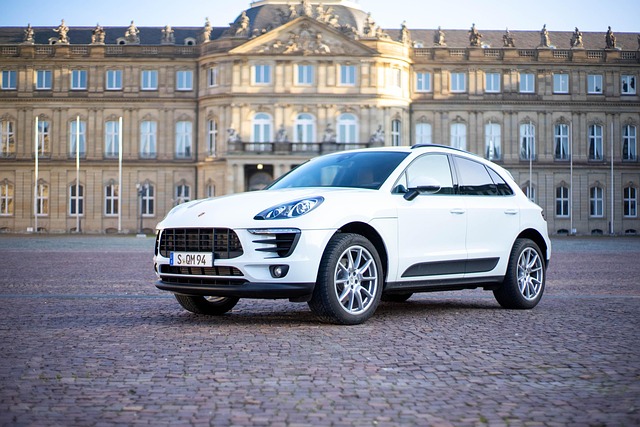
Evolution of the Macan into an Electric Platform
The original Macan built its reputation on powerful combustion engines and rear-biased dynamics. Transitioning to an electric platform required rethinking weight distribution, cooling, and chassis rigidity. Engineers utilized the PPE (Premium Platform Electric) architecture co-developed with Audi, enabling 800V charging capability and modular battery integration. This collaboration allowed Porsche to retain its hallmark driving feel while meeting emissions targets across global markets.
Technical Challenges in Maintaining Performance DNA in an EV Platform
Electric powertrains deliver instant torque but add significant mass due to battery packs. Porsche engineers focused on lowering the center of gravity and optimizing suspension geometry to preserve agility. The calibration of throttle response and brake blending was fine-tuned to mimic the predictability of combustion models while exploiting EV torque for sharper exits out of corners.
Integration of the PPE Architecture Co-developed with Audi
The PPE platform gives flexibility for varying wheelbases and motor configurations. Its shared development reduces cost without compromising Porsche’s bespoke tuning approach. Using this architecture, the electric Macan achieves near-perfect weight balance, essential for maintaining stability at high speeds on routes like the NC500.
Design Philosophy and Aerodynamic Optimization
Design evolution plays a critical role in harmonizing aesthetics with efficiency. The electric Macan continues Porsche’s sculpted form language while introducing subtle aerodynamic refinements aimed at extending range without sacrificing presence.
Exterior Design Evolution Emphasizing Aerodynamic Efficiency and Brand Identity
The body adopts smoother surfacing, sealed grilles, and active shutters that channel airflow efficiently around wheels and underbody panels. The sloping roofline enhances drag reduction yet keeps proportions unmistakably Porsche—athletic but restrained.
Use of Active Aerodynamic Elements to Balance Performance and Range
Active spoilers adjust automatically based on speed or drive mode, reducing drag during cruising or adding downforce during spirited driving. This dynamic approach improves both efficiency and handling stability on open Scottish roads where wind resistance varies sharply.
Material Selection Strategies for Weight Reduction and Structural Integrity
Lightweight aluminum panels combine with high-strength steel reinforcements in critical zones. This hybrid construction minimizes overall mass while ensuring torsional stiffness necessary for precise steering feedback over uneven terrain.
Powertrain Innovation and Dynamic Capabilities
Beneath its refined exterior lies a powertrain designed for relentless performance consistency. Dual motors provide all-wheel traction with variable torque distribution that adapts instantly to road conditions.
Dual-Motor Configuration and Torque Vectoring Systems
The front motor supports efficiency during normal driving, while the rear motor delivers primary propulsion. In Turbo trim, combined output exceeds 600 horsepower equivalent figures. Torque vectoring actively redistributes power between wheels, improving cornering precision especially through tight coastal bends along the NC500.
How Torque Vectoring Enhances Cornering Precision on Variable Terrains
By braking inner wheels selectively or boosting outer wheel torque, the system maintains neutral balance even on slippery surfaces common in northern Scotland. This translates into confident acceleration out of hairpins without intrusive stability control intervention.
Role of Advanced Traction Management in Optimizing Performance on Winding Routes Like the NC500
Porsche Traction Management integrates sensors monitoring grip levels hundreds of times per second, adjusting motor output seamlessly. Drivers experience uninterrupted traction whether navigating rain-soaked tarmac or gravel shoulders near Durness.
Battery Technology and Energy Management
Energy storage defines modern performance limits as much as horsepower once did. The electric Macan employs advanced battery chemistry paired with intelligent cooling systems to sustain repeatable power delivery.
Specifications of the High-voltage Battery Pack Including Capacity and Charging Rates
Its lithium-ion pack offers roughly 100 kWh usable capacity supporting up to 270 kW DC fast charging via an 800V system—allowing 10–80% charge within about 22 minutes under optimal conditions.
Thermal Management Systems Ensuring Consistent Power Delivery Under Demanding Conditions
Liquid cooling channels throughout cells maintain uniform temperature distribution, preventing degradation during aggressive driving or rapid charging sessions often encountered on long tours like the NC500 loop.
Regenerative Braking Calibration for Both Efficiency and Driving Engagement
Brake recuperation is finely tuned: light deceleration harvests energy smoothly while heavier braking blends mechanical friction seamlessly, preserving pedal feel familiar to combustion-era Porsches yet maximizing efficiency gains downhill toward Ullapool.
Handling Precision on Scotland’s North Coast 500
Scotland’s scenic yet unpredictable roads serve as a proving ground for chassis sophistication. Adaptive systems continuously interpret surface changes to maintain composure without isolating driver feedback.
Chassis Engineering and Adaptive Suspension Systems
Adaptive air suspension coupled with PASM allows continuous damping adjustment per wheel based on load transfer data. Ride height lowers automatically at speed for aerodynamic advantage then raises when navigating rough coastal stretches or village lanes.
Influence of Road Surface Variability on Damping Response Tuning
Engineers calibrated damping maps using real-world data from Scottish asphalt textures—coarse-grained tarmac requiring quicker rebound control than continental highways—to preserve comfort without dulling responsiveness.
Integration of Electronic Stability Control for Dynamic Balance During High-speed Maneuvers
ESC intervenes subtly through torque modulation rather than heavy braking inputs, maintaining fluid transitions between grip limits—a hallmark trait distinguishing Porsche chassis behavior from generic EV competitors.
Steering Feedback and Driver Involvement
For purists, steering remains central to emotional connection with any Porsche model—even one powered by electrons instead of petrol explosions.
Calibration of Electric Power Steering for Tactile Feedback on Challenging Routes
Steering assistance varies by speed but retains linear build-up around center position allowing micro-corrections mid-corner—a necessity across undulating Highland passes where camber shifts unpredictably.
Comparison Between Traditional Hydraulic Systems and Modern Steer-by-wire Approaches
While steer-by-wire offers packaging freedom, Porsche continues refining electro-mechanical setups preserving natural resistance cues absent in many EV rivals; this choice reflects commitment to authentic engagement over theoretical efficiency gains.
Importance of Driver Engagement as a Defining Element of Porsche’s Performance Ethos
Even as algorithms manage power flow invisibly beneath surfaces, tactile communication through pedals and steering wheel remains sacred—proof that digital control need not erase analog emotion from modern driving experiences.
Range, Charging Infrastructure, and Real-world Usability
Practical touring capability determines whether performance EVs transcend novelty status; here too the electric Macan demonstrates maturity befitting its badge.
Evaluating Range Performance on Mixed Terrain Routes
Real-world testing across elevation changes reveals consumption slightly above WLTP figures due to sustained climbs but offset by strong regenerative recovery downhill segments; average touring range hovers near 280–300 miles depending on temperature swings typical along Scotland’s north coast corridor.
Impact of Regenerative Braking Zones on Extending Practical Range
Frequent descents amplify recuperation effectiveness allowing energy returns exceeding 15% over total journey distance—crucial where charging points remain sparse between Inverness and Tongue villages.
Comparison Between WLTP-rated Range Figures and Real-world Driving Data in Scotland’s Climate
Cold ambient conditions reduce efficiency marginally due to battery heating demands though intelligent thermal preconditioning mitigates losses better than earlier-generation EVs tested under similar circumstances.
Charging Accessibility Across Remote Scottish Regions
Infrastructure reliability often dictates travel rhythm more than vehicle specification itself; hence evaluating network availability becomes integral part of performance touring analysis.
Availability of High-power Charging Stations Along the North Coast 500 Route
Rapid chargers now appear at key tourist hubs including Wick Airport vicinity enabling convenient mid-route top-ups though spacing still requires advance planning beyond major towns like Thurso or Ullapool.
Compatibility With 800V Fast-charging Networks for Reduced Downtime
Thanks to its PPE-based system architecture supporting ultra-fast protocols up to 270 kW output levels downtime drops below half-hour intervals even when using third-party European-standard stations certified under IEC 61851 guidelines ensuring interoperability compliance across networks (IEC).
Strategic Planning for Long-distance Electric Touring Experiences in Rural Areas
Drivers benefit from route apps integrating live charger availability data minimizing detours—a small yet meaningful adaptation shaping next-generation grand touring culture among EV owners venturing beyond urban cores into remote landscapes such as Scotland’s rugged north coast beltline roads framed by sea cliffs.
The Broader Implications for Porsche’s Electrification Strategy
Beyond product-level innovation lies strategic intent: positioning electric models not merely as compliance vehicles but as aspirational benchmarks redefining what performance luxury means today.
Positioning the Macan Electric Within Porsche’s Product Ecosystem
Sitting below Taycan yet above forthcoming compact EV crossovers within hierarchy it bridges sporty sedan dynamics with SUV practicality embodying transition phase before full-range electrification completion projected later this decade per corporate roadmap filings referenced by Reuters (Reuters).
Market Positioning as a Bridge Between Luxury Performance SUVs and Sustainable Mobility Solutions
Its dual identity appeals equally to traditional enthusiasts seeking continuity plus new buyers prioritizing sustainability credentials backed by measurable carbon footprint reductions validated through ISO life-cycle assessment frameworks (ISO).
Influence on Future Development Cycles Within Porsche’s Electrified Portfolio
Lessons from Macan Turbo Electric feed directly into next-gen Cayman/Boxster EV programs particularly regarding software-defined chassis controls—a domain rapidly expanding across automotive R&D pipelines worldwide highlighted repeatedly within IEEE mobility conference papers (IEEE).
Redefining Performance Metrics in the Electric Era
Performance evaluation now extends beyond acceleration bragging rights toward repeatable capability measured through data consistency across varying environmental parameters rather than isolated peak outputs alone.
Shift From Horsepower Dominance to Holistic Performance Measures (Efficiency Responsiveness Repeatability)
Instant torque figures mean little without sustained delivery; thus metrics like thermal stability cycles energy density retention rates increasingly define engineering success benchmarks replacing outdated horsepower-centric narratives once dominant since combustion age began fading mid-2020s according IEA energy transition outlook reports (IEA).
Integration of Software-defined Dynamics as Part of Next-generation Vehicle Tuning Philosophy
Continuous firmware updates refine throttle mapping suspension damping profiles remotely illustrating shift where code revisions replace mechanical tweaks marking dawn era where digital calibration assumes same prestige once reserved exclusively mechanical craftsmanship circles within motorsport culture globally observed Bloomberg automotive analytics summaries (Bloomberg).
Implications For How Enthusiasts Evaluate “Performance” Beyond Traditional Combustion Benchmarks
Future enthusiasts may prize repeatable lap times unaffected by altitude temperature fluctuations more than raw noise output proving evolution doesn’t erase passion merely transforms vocabulary describing excellence itself—a fitting summary witnessed firsthand atop windswept Scottish ridgelines echoing faint hum not roar yet equally thrilling nonetheless.
FAQ
Q1: What is unique about the electric Porsche Macan compared to other EV SUVs?
A: It combines dual-motor all-wheel-drive performance with precise chassis tuning derived from decades of sports car expertise while retaining everyday usability suited for long routes like Scotland’s NC500.
Q2: How fast can it charge using an 800V station?
A: It can replenish from 10% to 80% in roughly twenty-two minutes under optimal temperature conditions using compatible high-power DC chargers compliant with IEC standards.
Q3: Does cold weather significantly affect its range?
A: Slightly yes; however active thermal management minimizes losses making it more consistent than many earlier-generation EVs tested under similar northern climates.
Q4: Is torque vectoring standard across all trims?
A: Fully active torque vectoring appears primarily in higher trims such as Turbo versions though base variants retain electronically managed limited-slip functions enhancing corner exit traction control precision levels comparable within class benchmarks cited by industry testing norms IEEE mobility datasets (IEEE).
Q5: How does this model influence future Porsche designs?
A: Insights gained from its PPE-based development will inform subsequent models particularly regarding software-driven dynamics predictive energy routing strategies aligning broader corporate electrification agenda projected within IEA transition frameworks (IEA).