
What new clean energy means in 2026
New clean energy in 2026 means more than building another solar farm or wind project. It describes a broader shift toward low-emissions power, storage, electrification, cleaner fuels, smarter grids and technologies that can reduce fossil fuel use in industry, buildings and transport. The strongest momentum remains in mature technologies such as solar PV, onshore wind and batteries. Earlier-stage options, including clean hydrogen, long-duration storage, advanced geothermal and carbon management, are being tested for harder-to-decarbonize sectors.
The practical takeaway is straightforward: the next phase of clean energy is about systems, not single technologies. The International Energy Agency’s 2026 analysis reported that clean energy technology markets continued expanding in 2025, while IRENA’s 2026 renewable capacity statistics showed another record year for renewable power additions. For readers following the sector, that makes clean energy less of a niche topic and more of a core power-market trend.
The market signal behind the new clean energy transition
The phrase “new clean energy” can sound broad, but the market signals behind it are now measurable. According to the International Energy Agency’s Energy Technology Perspectives 2026, the combined global market value for major clean energy technologies reached nearly USD 1.2 trillion in 2025 after growing by about 20% per year on average over the previous decade. That figure reflects the commercial weight of solar PV, wind, batteries, electric vehicles, heat pumps, electrolysers and related technology supply chains.
Renewable power capacity also continued to expand at record scale. The International Renewable Energy Agency reported in April 2026 that global renewable power capacity reached 5,149 GW at the end of 2025, after 692 GW of net additions during the year. IRENA said renewables accounted for 85.6% of total global power capacity expansion in 2025. Capacity is not the same as electricity generation, but it is a clear indicator of where new investment and project development are moving.
Electricity generation data points in the same direction. The IEA’s Global Energy Review 2026 found that low-emissions electricity sources, including renewables and nuclear power, reached 43% of global generation in 2025, the highest level in five decades. The same review said growth in renewables and nuclear exceeded the total increase in global electricity supply in 2025, meaning fossil-fuel generation declined slightly even as power demand rose.
| Market signal | Recent public data | Why it matters |
|---|---|---|
| Renewable capacity | IRENA reported 692 GW of renewable additions in 2025 | Shows that clean generation is being built at utility scale, not only piloted |
| Clean technology value | IEA estimated major clean energy technology markets near USD 1.2 trillion in 2025 | Signals that clean energy is now a major industrial market |
| Power mix change | IEA reported low-emissions sources at 43% of global electricity generation in 2025 | Shows that deployment is affecting real generation, not only installed capacity |
| U.S. additions | U.S. EIA said planned 2026 utility-scale additions were led by solar, batteries and wind | Shows how new clean energy is reshaping capacity planning in a large power market |
Solar and batteries are setting the pace
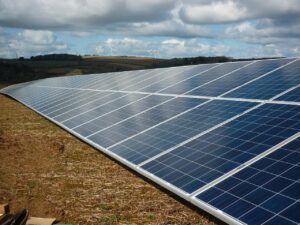
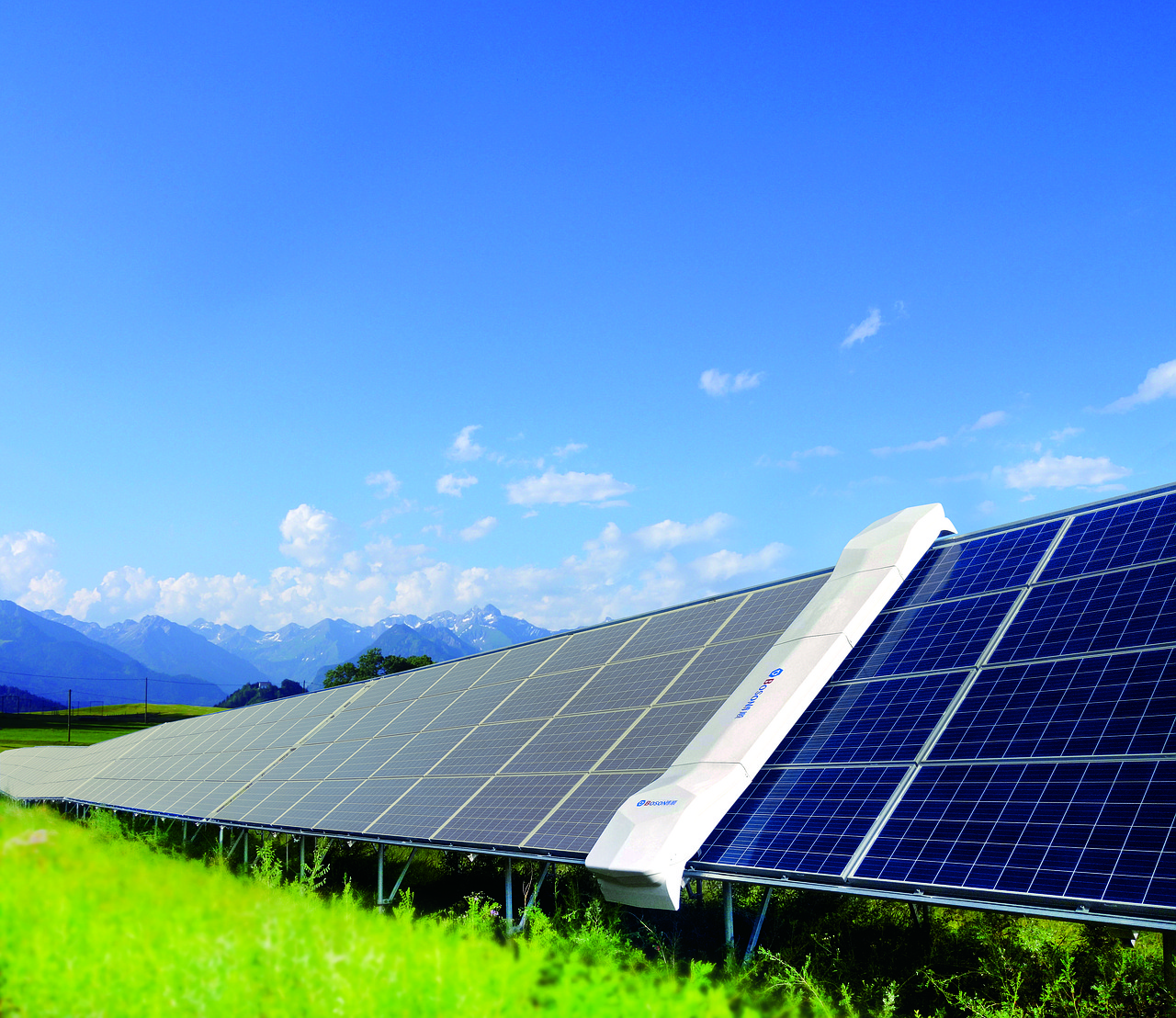
Solar PV remains the most visible part of the new clean energy buildout because it is modular, relatively quick to install compared with many large power assets, and supported by global manufacturing scale. The IEA’s 2026 Global Energy Review said solar PV became the largest contributor to growth in global energy supply for the first time in 2025. That distinction matters: solar was not only growing quickly within the electricity sector; it was a leading contributor to incremental energy supply across the wider energy system.
Batteries are changing the role of solar. A grid with high solar output needs flexibility in the evening, during cloudy periods and when local grid congestion appears. Short-duration lithium-ion batteries are already being deployed to shift daytime solar into evening demand peaks, provide grid services and reduce curtailment. In the United States, the Energy Information Administration said in February 2026 that developers planned to add a record 86 GW of new utility-scale electric generating capacity in 2026 if all planned projects were completed. Solar represented 51% of those planned additions, battery storage 28% and wind 14%.
This does not mean every grid can simply add unlimited solar and batteries. Solar output is weather-dependent and seasonal. Battery economics vary by market rules, price spreads, interconnection costs and battery duration. Even so, the pairing of low-cost solar with flexible storage is one of the clearest examples of new clean energy moving from a technology story to a grid-planning story.
Wind, geothermal and other resources add diversity
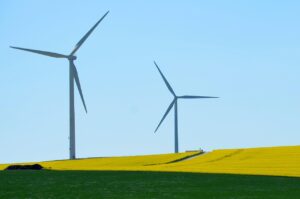
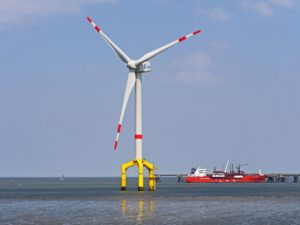
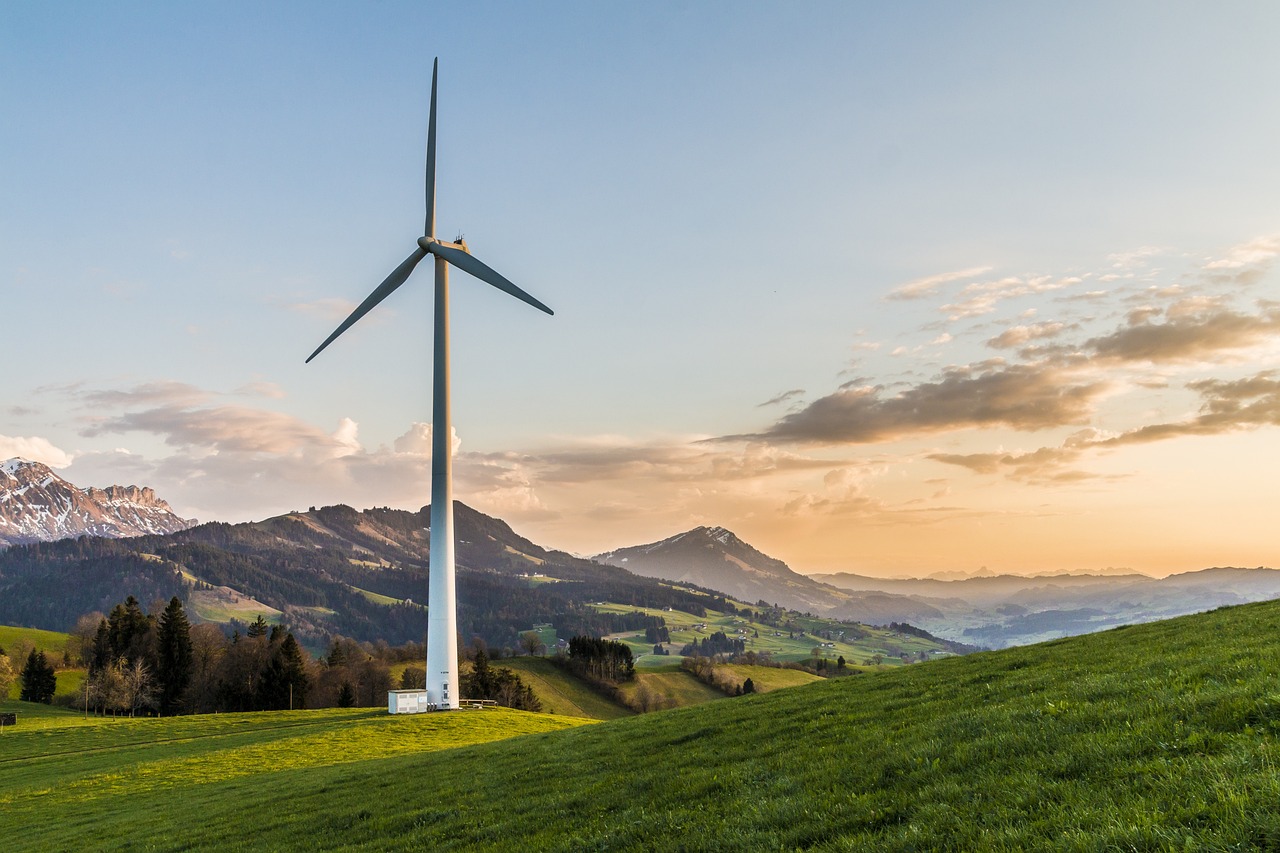
Wind power remains essential because it often produces at different times from solar. Onshore wind can provide large volumes of electricity where land, permitting and grid access are available. Offshore wind can serve coastal demand centers, although projects in several markets have faced cost inflation, supply-chain pressure, contract renegotiations and permitting delays. The result is not a simple decline in wind’s importance. It is a more disciplined project environment, where location, grid connection, financing and contract design matter more than headline capacity targets.
New clean energy also includes technologies that are less mature at global scale but may become important in specific regions. Enhanced geothermal systems aim to expand geothermal power beyond traditional high-quality hydrothermal resources. Long-duration energy storage technologies, including flow batteries, thermal storage, compressed-air storage and other approaches, are being developed to cover longer gaps than typical lithium-ion systems. Advanced nuclear projects are also being discussed in some clean power strategies, although timelines, costs, licensing and public acceptance vary widely.
The key point is diversity. A resilient low-emissions grid is unlikely to rely on one resource alone. Solar may lead capacity additions, but wind, hydropower, geothermal, nuclear, demand response, storage and transmission each solve different parts of the reliability challenge. Markets that treat clean energy as a portfolio will generally have more options than markets that focus on one technology in isolation.
Clean hydrogen is promising but more selective than the hype suggests
Clean hydrogen is often grouped with new clean energy because it can store energy, replace fossil hydrogen in industry and potentially support fuels for sectors that are difficult to electrify. But hydrogen is not a universal substitute for direct electrification. Producing, transporting and storing hydrogen, then converting it back into useful energy, all involve losses, infrastructure requirements and cost challenges.
The strongest near-term case is usually where hydrogen is already used or where direct electrification is difficult. Examples include ammonia and methanol production, some refining processes, potential direct reduced iron pathways in steelmaking, long-duration storage in selected power systems and some shipping or aviation fuel pathways. Even in these areas, the emissions profile depends on how the hydrogen is produced. Electrolytic hydrogen must be powered by low-emissions electricity to deliver deep emissions reductions, while hydrogen made from natural gas depends heavily on methane management and carbon capture performance.
That is why policy design and verification matter. Public funding programs and tax incentives can accelerate early projects, but buyers still need credible emissions accounting, durable offtake agreements and infrastructure such as pipelines, storage caverns, ports or industrial hubs. Clean hydrogen may become a valuable part of the new clean energy toolkit, but its highest-value use cases are likely to be targeted rather than universal.
Grids, permitting and minerals are now central constraints
The next bottleneck for new clean energy is not only technology cost. It is the ability to connect, move and balance electricity. Transmission lines often take longer to permit and build than solar or battery projects. Interconnection queues can delay otherwise viable projects. Distribution grids also need upgrades as electric vehicles, heat pumps, rooftop solar and behind-the-meter batteries change local power flows.
Grid flexibility is becoming a clean energy resource in its own right. Flexible demand, smart charging, virtual power plants, time-of-use pricing, advanced forecasting and regional power trading can reduce the amount of backup generation and network reinforcement required. These measures are less visible than new power plants, but they can strongly influence how much renewable electricity a system can absorb.
Supply chains are another constraint. The IEA’s Global Critical Minerals Outlook 2026 noted that demand for copper, battery materials and rare earth elements continued to grow in 2025 as batteries, grids, wind turbines, solar PV and electric vehicles expanded. This does not mean mineral constraints will stop the transition, but it does mean recycling, substitution, diversified supply, responsible mining and efficient material use are increasingly part of clean energy strategy. See also: EVs.
Permitting also deserves attention. A clean power project that is economical on paper may still fail if land-use conflicts, environmental review, grid connection, local opposition or unclear market rules are not resolved. Faster deployment therefore depends on better institutions as much as better hardware.
How to evaluate a new clean energy claim
Because the sector is moving quickly, readers should evaluate clean energy claims with a few practical questions. First, is the claim about installed capacity, actual generation, emissions reductions or investment value? These are related, but they are not interchangeable. A technology can dominate capacity additions without yet dominating generation if its capacity factor is low or if output is curtailed.
Second, what is the comparison point? A claim that a technology is cheaper than fossil fuel alternatives may refer to global averages, a specific country, unsubsidized levelized cost, auction prices or system cost after storage and grid upgrades. IRENA’s 2026 cost report found renewables remained highly cost-competitive for new electricity generation in 2025 and estimated large avoided fossil-fuel costs and emissions. That is a strong signal, but local project economics still depend on financing, permitting, resource quality and market design.
Third, is the technology commercial, early commercial or still pre-commercial? Solar PV, onshore wind and lithium-ion batteries are mature and widely deployed. Clean hydrogen, advanced geothermal, long-duration storage and carbon management include a mix of commercial, demonstration and early-stage applications. Treating them all as equally proven can lead to poor decisions.
Fourth, does the claim include system integration? Clean energy value rises when generation, storage, demand flexibility, transmission and market rules work together. A project that reduces emissions but worsens congestion or curtailment may need additional investment before it delivers full value.
What this means for businesses and energy buyers
For businesses, the new clean energy landscape creates both opportunity and complexity. Power purchase agreements, onsite solar, storage, energy efficiency, electrified heating, fleet charging and renewable energy certificates can all support decarbonization goals. Buyers should not treat all clean energy options as interchangeable. The timing of generation, local grid emissions, contract structure and additionality all influence the real climate and financial value.
Industrial companies face a different set of decisions. Some processes can electrify directly with heat pumps, electric boilers or electric furnaces. Others may require low-emissions fuels, hydrogen-derived feedstocks or carbon capture. In many cases, the most cost-effective first step is still efficiency: reducing energy waste lowers the scale and cost of the clean energy supply needed later.
For investors and project developers, the message is also changing. The most attractive projects are increasingly those that solve a system problem: firming renewable output, reducing congestion, serving a growing load center, replacing high-cost fuel use or supporting industrial decarbonization. Clean energy projects that ignore grid conditions, permitting risk or supply-chain exposure may struggle even when the headline technology is growing fast.
Frequently asked questions
Is new clean energy the same as renewable energy?
No. Renewable energy is a major part of new clean energy, especially solar, wind, hydropower, geothermal and sustainable bioenergy. However, new clean energy can also include storage, efficiency, electrification, grid software, clean hydrogen, low-emissions fuels and other technologies that reduce pollution or fossil fuel dependence.
Which clean energy technology is growing fastest?
Solar PV is one of the fastest-growing major energy technologies and has been central to recent renewable capacity additions. Battery storage is also expanding quickly because it helps grids manage variable solar and wind output. Exact rankings depend on whether growth is measured by capacity, investment, generation or percentage increase from a smaller base.
Why are batteries important for clean energy?
Batteries help shift electricity from times of high renewable output to times of higher demand. They can also provide fast grid services, reduce curtailment and support reliability. Most grid batteries today are short-duration systems, so longer-duration storage and other flexibility tools are still needed for extended low-renewable periods.
Is clean hydrogen ready for widespread use?
Clean hydrogen is ready for some targeted applications but not yet a low-cost universal energy carrier. It is most promising where direct electrification is difficult or where hydrogen is already used as an industrial feedstock. Cost, infrastructure, emissions verification and long-term demand remain major challenges.
What is the biggest barrier to more clean energy deployment?
In many markets, the biggest barriers are no longer only the cost of solar panels or wind turbines. Grid connection, transmission buildout, permitting, financing, supply-chain concentration, critical minerals and market rules now play a central role in determining how fast new clean energy can scale.