
Why Is Global Clean Energy Moving from Niche to Normal?
Global clean energy is no longer a small topic kept inside utility teams or climate reports. It now affects factory power bills, equipment sourcing, project finance, and export competitiveness. If you follow the clean energy market, the main point is clear: renewable power has moved into normal electricity planning because buyers want lower fuel risk and steadier supply.
Record Capacity Growth
The International Renewable Energy Agency reported in April 2026 that total renewable power capacity reached 5,149 GW in 2025 after 692 GW of additions. Renewables represented 85.6% of total power capacity expansion that year, while solar and wind made up 96.8% of all net renewable additions. For any company selling modules, inverters, batteries, mounting systems, switchgear, or project services, this is not a side market anymore. Source: IRENA Renewable Capacity Statistics 2026. (irena.org)

Electricity Share That Now Matters
Capacity tells only part of the story. The International Energy Agency said renewables supplied 34% of global electricity generation in 2025, up from 32% in 2024 and 23% a decade earlier. Wind and solar together reached 17% of global generation, while coal still supplied 34% and gas 21%. So the market is not fully clean yet; it is still in a mixed stage where new systems are growing fast and old systems still carry a large load. Source: IEA Global Energy Review 2026. (iea.org)
Energy Security at Home
Clean power also changes how countries and companies talk about energy security. A solar farm, a wind project, or a rooftop system does not need imported fuel every week, so it can reduce pressure from fuel supply issues. That matters for countries with high fossil fuel import bills and for factories that do not want gas or coal prices to change their cost plan overnight. For an industrial buyer, more local power can mean fewer surprises in long-term operating costs.
Which Technologies Are Leading the Race?
The global clean energy market is not built around one product. Solar, wind, batteries, grid equipment, software, and efficiency upgrades all take a share of the work. In most project discussions today, three areas come up first: solar for volume, wind for large power supply, and storage for the hours when demand and generation do not match.
Solar PV as the Volume Leader
Solar PV is the main volume driver because it can be used in many project sizes. It can go on a warehouse roof, beside a mine, near a data center, or across a large land area. IRENA said solar accounted for 511 GW of renewable capacity additions in 2025, about three-quarters of the total. For exporters, that means steady demand for panels, hybrid inverters, combiner boxes, cables, racking, monitoring devices, and solid packaging. It may sound like a small detail, but many real buyers check carton strength before they spend time on a brochure.
Wind Power as a Scale Partner
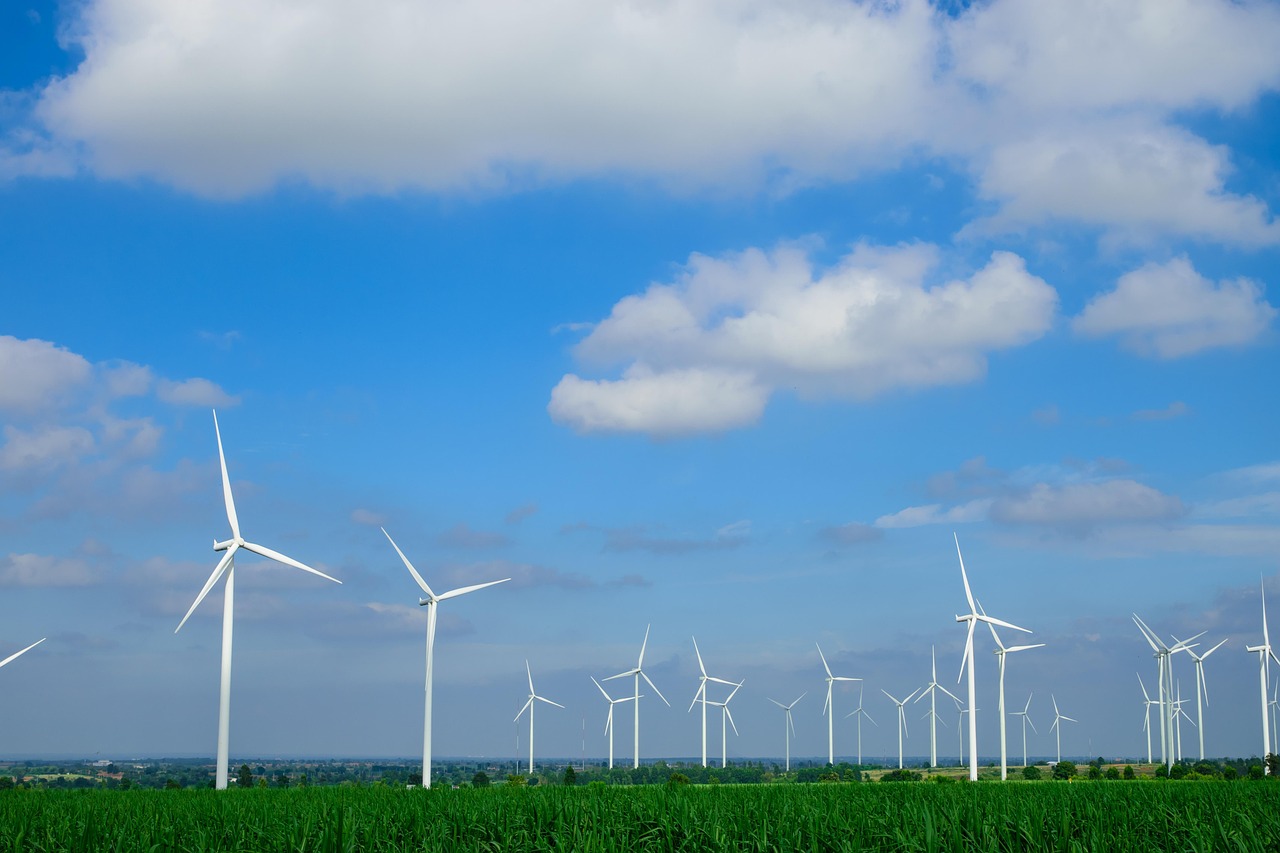
Wind power is still important for utility-scale electricity, especially where land, wind resources, and grid access fit the project. IRENA reported 159 GW of new wind capacity in 2025. Wind projects are harder to ship and build than many solar projects, but they can produce good output at night and during seasons when solar is weaker. That makes wind a useful partner for grids that need more clean power without relying on one source.
Battery Storage as the Flex Tool
Batteries are helping variable clean power become easier to use. The IEA reported that global EV battery deployment reached 1.2 TWh in 2025, almost 30% higher than 2024, while battery prices fell by an average 8% in 2025. Lithium iron phosphate batteries accounted for over 55% of EV batteries deployed globally, and stationary storage became more common in grids and data centers. For buyers, this means storage is no longer only an optional add-on; it is often part of the basic system design. Source: IEA Global EV Outlook 2026. (iea.org)
How Does Global Clean Energy Change Project Costs?
Cost is where clean energy talk becomes more practical. A project can have a strong climate reason and still fail if the numbers do not work. For a buyer, developer, or equipment supplier, the better view includes generation cost, fuel risk, grid connection, financing, and maintenance.
Lower New-Build Power Costs
IRENA’s 2025 cost report found that 91% of newly commissioned utility-scale renewable capacity in 2024 produced power below the cost of the cheapest new fossil fuel alternative. It also reported global weighted average costs of USD 0.034 per kWh for onshore wind, USD 0.043 per kWh for solar PV, and USD 0.057 per kWh for hydropower. Battery storage costs fell 93% from 2010 to 2024. These numbers explain why many buyers now review renewable projects as a cost option, not only as a policy requirement. Source: IRENA Renewable Power Generation Costs in 2024. (irena.org)
Fuel Savings and Price Risk
The same IRENA report estimated that renewable electricity generation avoided USD 467 billion in fossil fuel costs in 2024. It also gave country examples: China avoided USD 179.8 billion in fossil fuel costs, the United States USD 24.1 billion, Brazil USD 28.3 billion, and India USD 14.9 billion. This does not mean every project is cheap or easy to finance. It means fuel-free generation can reduce exposure to fuel markets that buyers cannot control.
Grid and Connection Costs
The hidden cost is often in the grid. The IEA estimated global energy investment at USD 3.3 trillion in 2025, with about USD 2.2 trillion going to clean energy technologies and USD 1.5 trillion going to the electricity sector. That shows where many bottlenecks sit: grids, storage, electrification, and connection capacity. A low-price solar module is not enough if the interconnection queue delays the project for two years. Source: IEA World Energy Investment 2025. (iea.org)
What Should Buyers Check Before Sourcing Clean Energy Systems?
Buying clean energy equipment is not like buying a simple spare part. The cheapest line item can become expensive if it fails in year three, arrives without the right documents, or cannot meet local grid rules. A serious sourcing process should start before the first quotation is compared.
Load Profiles Before Product Lists
Start with the load, not the product catalog. A cold storage warehouse, a textile factory, and a telecom site all use electricity in different ways. Ask for daily and seasonal load curves, peak demand, backup needs, and site limits. A few basic numbers can stop a poor design before it becomes a purchase order.
- Check at least 12 months of electricity bills when available.
- Use 15-minute or hourly load data for storage sizing.
- Separate essential loads from flexible loads.
Certification and Local Rules
Clean energy products cross borders, but grid codes do not all follow the same rules. Inverters may need local certificates, and battery systems may need fire safety documents. Mounting systems may need wind load calculations before they can be approved on site. For trade buyers, paperwork is not just office work; it is part of the product and part of the risk.
After-Sales Service and Spare Parts
A global clean energy project keeps working for years after installation, so service planning cannot be left until something fails. Ask who holds spare parts, how firmware updates are handled, and how warranty claims work. This sounds basic, but this is where low-price suppliers often lose repeat orders. A two-day answer from a service team is worth more than a polished PDF that nobody can support. See also: EVs.
Where Are the Best Growth Markets Emerging?
Growth is global, but it is not even across regions. Some markets add clean power because of industry policy, while others do it because electricity demand is rising fast. Some need off-grid or weak-grid systems because transmission lines are slow to arrive. For exporters, the best market is not always the largest one; it is the market where the product fits the buyer’s actual problem.
Asia as the Capacity Engine
IRENA said Asia contributed 74.2% of new renewable capacity in 2025, adding 513.3 GW. The region’s total renewable capacity reached 2,891 GW. China remains the largest force, but demand across India, Southeast Asia, and the Middle East also affects pricing, component availability, and shipping schedules. When Asia changes a standard, subsidy, or purchasing cycle, the rest of the supply chain usually feels it.
Europe as a Grid and Efficiency Market
Europe is often less about first-time electrification and more about replacing fossil generation, upgrading grids, and saving energy in buildings and factories. The IEA reported that wind and solar reached 30% of European Union electricity in 2025 and surpassed fossil fuels for the first time. The United Kingdom reached 55% renewables after closing its last coal-fired power station in 2024. For suppliers, Europe usually asks more questions about compliance, grid support, efficiency, and service history. Source: IEA Global Energy Review 2026. (iea.org)
Emerging Regions With Uneven Access
Africa added 11.3 GW of renewable capacity in 2025, its highest increase, according to IRENA. The Middle East grew 28.9%, led by Saudi Arabia. These markets may need utility projects, diesel-replacement systems, mini-grids, and commercial rooftop solar at the same time. That mix is useful for suppliers with flexible engineering, but it can be risky for sellers that only chase volume and ignore site conditions.
What Risks Can Slow Clean Energy Projects?
The market is strong, but it is not automatic money. Global clean energy projects still face delays, disputes, and quality problems. A clear view of risk helps suppliers protect margins and helps buyers avoid late delivery. It also makes price comparison more useful, because the lowest number on page one is not always the best deal.
Grid Queues and Curtailment
Grid queues can turn a ready project into a waiting project. Curtailment can cut the value of power that a solar or wind plant could have produced. This is why storage, forecasting, demand response, and better grid planning matter in real project work. They may not look exciting in a sales deck, but they often decide whether the project pays back as planned.
Finance Costs and Currency Risk
Clean energy projects need a lot of capital at the start. Higher interest rates can hurt returns even when solar panels become cheaper. Currency swings can also damage projects that earn local revenue but buy imported equipment in dollars, euros, or yuan. A good contract should name the currency risk before shipment, not after a payment dispute starts.
Supply Chain Quality Gaps
Fast growth brings in both strong suppliers and weak ones. Check factory audits, bill of materials, warranty terms, testing reports, and real project references before placing an order. For batteries, pay close attention to cell grade, thermal management, enclosure rating, and safety design. For solar, look at degradation, connector quality, and module handling. A low failure rate is worth more than a small discount that disappears after the first claim.
FAQ
Q1: What Does Global Clean Energy Mean? A: It usually means low-carbon and renewable energy systems used worldwide, including solar, wind, hydropower, geothermal, bioenergy, battery storage, grids, electrification, and efficiency measures.
Q2: Is Global Clean Energy Cheaper Than Fossil Power? A: In many new-build cases, yes. IRENA found that 91% of newly commissioned utility-scale renewable capacity in 2024 was cheaper than the lowest-cost new fossil fuel alternative, though grid and finance costs still matter.
Q3: Which Clean Energy Technology Is Growing Fastest? A: Solar PV is the clear volume leader. IRENA reported 511 GW of solar additions in 2025, making it the largest contributor to renewable capacity growth.
Q4: Why Does Battery Storage Matter for Clean Energy? A: Storage helps shift solar and wind output to the hours when customers need power. It can also support backup power, peak shaving, and grid stability.
Q5: How Should Buyers Choose a Clean Energy Supplier? A: Compare technical fit, certifications, service response, spare parts, warranty language, and real project history. Price matters, but long-term reliability usually matters more.