
Clean power has moved from target to operating reality
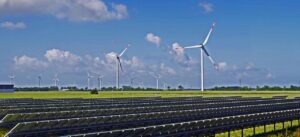
Clean power is now one of the main forces reshaping electricity systems in 2026. The shift is no longer measured only through long-term climate pledges. It is showing up in annual generation data, investment decisions, grid planning and wholesale power market behavior. Solar and wind are supplying a larger share of new electricity, battery storage is scaling quickly, and renewables are challenging coal’s long-standing position in global power generation. At the same time, electricity demand is rising because of data centers, electrification, cooling needs, advanced manufacturing and broader economic growth.
For power-sector planners, the next stage is mainly about integration. More low-carbon generation must be matched with transmission, storage, flexible demand, firm capacity and market rules that reward reliability as well as low-cost energy. For readers following the wider transition, our clean energy section tracks related developments across technologies and markets.
What clean power means in electricity markets
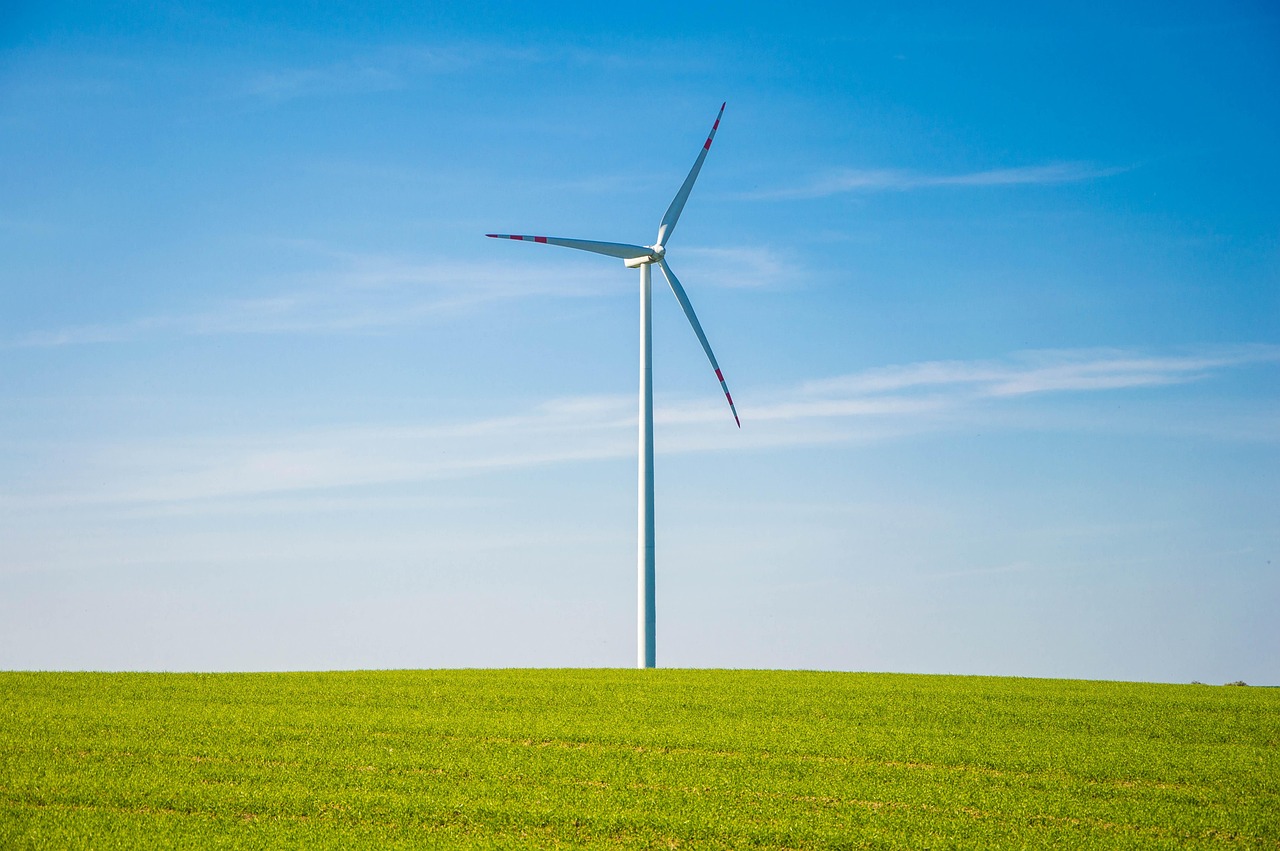
Clean power generally means electricity produced with low or near-zero direct carbon emissions. In most market analysis, it includes solar, wind, hydropower, geothermal, certain bioenergy resources and nuclear power. Some discussions also include fossil generation fitted with carbon capture, although that remains a much smaller part of today’s power mix than renewables and nuclear.
The definition matters because electricity systems are judged on more than annual capacity additions. A solar plant, wind farm, nuclear reactor, hydro station and battery-backed hybrid project each supports reliability, emissions reduction and price formation in different ways. Solar can often be deployed quickly and at competitive cost, but output is concentrated in daylight hours. Wind can complement solar in some regions, but production depends on weather patterns. Nuclear and hydropower can provide steady or dispatchable low-carbon output, while both face project-specific constraints. Batteries can shift energy across hours, but they do not create primary generation.
That is why the central question in 2026 is not simply how much clean power is being built. It is whether clean power can meet rising demand while maintaining reliability and lowering emissions across all hours of the year.
The 2025 data changed the clean power conversation
The latest global data available in 2026 explain why the issue has become more urgent. Ember’s Global Electricity Review 2026 reported that clean power sources grew fast enough in 2025 to meet all new global electricity demand, with low-carbon generation rising by 887 TWh while electricity demand grew by 849 TWh. Ember also reported a small global decline in fossil generation of 38 TWh, or 0.2%, making 2025 one of the rare years this century without an increase in fossil-fired electricity.
That does not mean the power sector is already clean. Fossil fuels still supplied more than half of global electricity in 2025, according to the International Energy Agency’s Global Energy Review 2026. Coal also remained the largest single source of electricity in many assessments. The important change is that clean generation growth outpaced total demand growth in a year when power demand still increased.
| Indicator from recent global data | Reported result | Why it matters |
|---|---|---|
| Low-carbon generation growth in 2025 | About 887 TWh in Ember’s review | Clean sources covered the full net increase in global electricity demand |
| Solar generation growth in 2025 | About 636 TWh in Ember’s review | Solar became the main driver of new clean electricity supply |
| Renewables versus coal in 2025 | Ember reported renewables at 33.8% of global generation and coal at 33.0% | Renewables overtook coal in the global electricity mix by that measure |
| Battery storage additions in 2025 | IEA reported 108 GW of new battery storage capacity | Storage is becoming a core tool for integrating variable renewable output |
Taken together, these indicators show that clean power is not advancing through one technology alone. Solar is the strongest growth engine, but storage, transmission, nuclear availability, hydropower conditions and demand patterns determine how much of that generation actually displaces fossil fuels.
Solar is leading, but the system value depends on timing
Solar power is the clearest growth story in the clean power sector. Ember reported that global solar generation increased by a record 636 TWh in 2025 to reach 2,778 TWh. The IEA’s Global Energy Review 2026 similarly described solar PV as posting a record increase of roughly 600 TWh in 2025, taking solar’s global electricity share above 8%.
The attraction is straightforward. Solar projects can often be built faster than large thermal or nuclear plants, costs have fallen sharply over the long term, and modular deployment allows projects to range from utility-scale plants to commercial rooftops and distributed residential systems. In markets with strong sunlight and available land or roof space, solar can add large volumes of daytime electricity quickly.
High solar penetration also changes the operating profile of the power system. When solar output is strong at midday, wholesale prices may fall, curtailment may rise, and evening ramping needs can become more demanding. The economic value of an additional solar megawatt therefore depends not only on its generation cost, but also on when and where it produces electricity. A solar project connected to a congested grid with limited storage may have a lower system value than a project paired with flexible demand, batteries or transmission access.
This is why the clean power debate is moving beyond technology cost alone toward system cost and system value. Low-cost generation remains essential, but market design also needs to reward flexibility, capacity availability, congestion relief and the ability to serve peak demand.
Storage and transmission are now part of the main story
Battery storage has become one of the fastest-growing enabling technologies for clean power. The IEA reported that 108 GW of new battery storage capacity was deployed worldwide in 2025, 40% more than in 2024, and that installed capacity was eleven times higher than in 2021. The same IEA analysis noted that roughly 80% of new battery capacity in 2025 was utility-scale, with most projects still clustered around two-hour duration while four-hour and longer systems gained importance.
Batteries can move surplus solar generation from midday into evening hours, reduce curtailment, provide fast grid services and help defer some local network upgrades. They are not a complete substitute for long-duration storage, transmission or firm generation, but they are increasingly central to day-to-day clean power integration.
Transmission is the other major constraint. The U.S. Department of Energy’s National Transmission Planning Study framed grid expansion as critical for reliable, affordable power and for integrating new clean energy resources. This point applies beyond the United States. Many of the best wind, solar and hydro resources are located far from major load centers. Without enough grid capacity, clean projects can face long interconnection queues, curtailment and weaker financial returns.
The policy implication is practical: building clean power plants is only one layer of the transition. Planning authorities, utilities and system operators also need to expand interregional transmission, improve distribution networks, speed up interconnection studies and create markets that value flexibility. See also: EVs.
The United States shows both progress and tension
The U.S. market illustrates the dual reality of clean power growth and demand pressure. According to the U.S. Energy Information Administration, wind and utility-scale solar generated a record 17% of U.S. electricity in 2025, equal to about 760,000 GWh. The EIA also reported that wind produced 464,000 GWh in 2025, while utility-scale solar produced 296,000 GWh, a 34% increase from 2024. When small-scale solar is included, wind and solar reached 19% of total U.S. net generation in 2025.
Those figures show substantial clean power progress, especially for solar. Yet U.S. electricity demand is also rising again after years of relatively flat consumption. Data centers, reshoring of manufacturing, electrification, cooling loads and population shifts are all affecting utility planning. The IEA’s Electricity 2026 report projected that U.S. electricity demand would grow by nearly 2% annually through 2030, with data centers accounting for around half of the total increase.
This creates a difficult planning environment. If demand grows faster than clean generation and grid infrastructure, fossil plants may run more often even while renewable capacity expands. If clean resources, storage and transmission scale quickly enough, rising demand can be met with lower emissions. The outcome depends on permitting, interconnection reform, investment certainty, fuel prices and regional grid coordination.
Cost competitiveness remains strong but not simple
Clean power has a strong cost case, but the cost story needs careful framing. IRENA’s 2025 analysis of 2024 renewable power generation costs found that renewables continued to be highly competitive for new electricity generation in many markets, with a large majority of new renewable projects cheaper than fossil alternatives. Lazard’s 2026 LCOE+ work also stated that renewables remained the most cost-competitive form of new-build generation on an unsubsidized basis, while warning that rising costs, execution challenges and reliability needs require a diverse generation fleet.
The nuance is important. Levelized cost of energy is useful for comparing generation technologies, but it does not fully capture the value of dispatchability, transmission needs, storage requirements, permitting risk or local congestion. A low LCOE project may still face weak economics if it cannot interconnect, if its output is curtailed, or if market prices are lowest when it generates.
For investors and policymakers, the practical benchmark should be total delivered value. That includes generation cost, grid connection, balancing resources, availability during peak hours and contribution to emissions reduction. In mature clean power markets, stronger projects are likely to combine low cost with strategic location, flexible operation and secure grid access.
What to watch next in clean power
Several indicators will show whether clean power can keep reshaping electricity markets through the rest of the decade.
- Demand growth versus clean generation growth: If clean power additions exceed electricity demand growth, fossil generation can decline in absolute terms. If demand grows faster, emissions may stall or rise.
- Grid connection timelines: Shorter interconnection queues and faster permitting would directly improve the pace of clean power deployment.
- Battery duration and deployment scale: More four-hour and longer systems would improve the ability to shift solar and wind output into higher-value periods.
- Transmission build-out: Regional and interregional lines can reduce congestion and connect high-quality resources to load centers.
- Firm clean capacity: Nuclear, geothermal, hydropower, long-duration storage and other dispatchable low-carbon resources will influence reliability in high-renewables systems.
- Market design: Capacity markets, ancillary services, time-of-use rates and demand response programs can determine whether flexibility is rewarded.
The main risk is not that clean power stops growing. The larger risk is that the supporting system grows too slowly. If grids, storage and flexible demand lag behind generation additions, clean electricity can face curtailment, price volatility and political resistance. If those enabling systems scale, clean power can move from an annual growth story to a reliable foundation of modern electricity supply.
Frequently asked questions
Is clean power the same as renewable energy?
Not exactly. Renewable energy usually refers to sources such as solar, wind, hydropower, geothermal and bioenergy. Clean power is broader in many electricity discussions because it can also include nuclear power and, in some cases, fossil generation with carbon capture if emissions are substantially reduced.
Why is solar growing faster than many other power sources?
Solar is modular, relatively quick to install and cost-competitive in many regions. Global data for 2025 show record solar generation growth, helped by large installations in China, the United States, India and other markets. Its main challenge is that output is variable and concentrated in daylight hours.
Can batteries make clean power reliable?
Batteries improve reliability and flexibility, especially by shifting solar output into evening demand periods and providing fast grid services. However, today’s battery fleet is still mostly designed for short-duration needs. Reliable high-clean-power systems also need transmission, demand flexibility, firm capacity and careful system planning.
Will clean power lower electricity prices?
Clean power can reduce wholesale prices when low-cost renewable output is abundant, but retail bills also include grid costs, capacity costs, fuel costs, taxes and policy charges. The price impact depends on local market design, transmission availability, storage deployment and how quickly demand is growing.
What is the biggest clean power bottleneck in 2026?
The largest bottleneck is integration rather than generation technology alone. Many markets need faster transmission development, shorter interconnection queues, more storage, flexible demand and market rules that reward reliability as well as low-cost energy.