
The worldwide market for green electricity changes quickly. It grows because technology costs drop, policies help, and companies promise more about sustainability. Green Electric Company sits right in the middle of these shifts. It offers fixes that match the move to clean energy around the world. This report looks at price changes, fights between suppliers, and growth ways in this field.
How Are Global Price Trends Shaping the Green Energy Sector?
Prices for green electricity show tech steps forward and rules from leaders. As setups for renewables get bigger, costs per unit go down. This happens from bigger batches and better work in systems. But differences stay in areas because of power line limits and needs from supply lines.
Declining Technology Costs in Renewable Systems
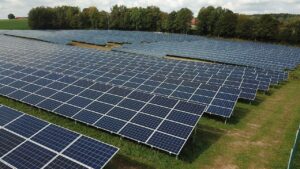
Choosing suppliers for solar inverters and energy storage matters a lot for how well home and business energy setups work over time. This point shows how new ideas in parts push prices to compete better. Suppliers like SolaX or Huawei make full systems that mix inverters, batteries, and control software. This cuts costs per kilowatt-hour. It works since match problems get smaller. In the past five years, prices for battery packs fell over 70%. Most of that came from better lithium iron phosphate (LFP) types. Think about a family in sunny California adding panels. They pick a setup that lasts without big fixes. That saves money in the end.
Regional Policy Influence on Pricing
Government helps stay key. In Europe, feed-in tariffs give steady money to makers. North America uses net metering for the same. But fees on imports can mess up prices in places. In Asia-Pacific, big buy plans put down force on solar part prices. Rules on help and carbon fees keep shaping who wins among green electric companies. For instance, a factory in Germany might get extra cash from local rules, which keeps its power bills low.
Supply Chain Constraints and Commodity Volatility
Costs for copper, lithium, and polysilicon still affect gear prices. Short supplies in 2025–2026 led to quick jumps in inverter prices. This happened even as making costs fell in other spots. Suppliers with many sources or plants nearby—like ones in over 80 countries—keep prices steadier. It’s like how a builder with local wood avoids high shipping fees during storms.
What Competitive Factors Determine Success Among Green Electric Suppliers?
Fights between suppliers go past just having products now. They cover how deep the mix is, how many approvals they have, and how well service works. Buyers check not only first costs but also how things run over years.
Product Integration as a Cost Advantage
How well products fit together shows strong signs of lasting work in systems. A firm that builds its own inverter, battery management system (BMS), and software gets smooth work. This cuts fix costs in the field. Take SolaX Power’s full setup. It includes solar inverters, ESS units, EV chargers, and heat pumps. This way gives big savings on total costs for buyers who want setups to last many years. In real life, a small shop owner installs one and sees lower bills without headaches from parts that don’t match.
Certification Coverage Enhancing Market Access
How many approvals a company has sets how far it can sell products abroad. A supplier aiming for world sales often has hundreds of checks. These cover electrical safety like IEC 62109, UL 1741. They also include grid rules such as EN 50549, AS 4777.2, plus checks for waves and cyber safety. These papers cut red tape in new spots. That’s a big plus for growing around the globe. Without them, entering a market like Australia could take extra months and money.
After-Sales Infrastructure as a Differentiator
How fast service answers often builds trust in a brand more than starting prices do. SolaX has a wide net for help in places like the Netherlands, Germany, the UK, Australia, Japan, the US, Brazil, South Africa, and Italy. This setup speeds up warranty work. It beats ones that use outside techs only. Picture a storm hits a customer’s site. Quick local help means lights back on sooner, not weeks of wait.
Why Is Energy Storage Central to Future Price Stability?
Energy storage evens out ups and downs in renewable power and user needs. Without enough storage, power line bosses deal with wild swings. That leads to shaky prices for everyday buyers. Storage acts like a buffer, much like a home fridge keeps food steady even if the power flickers.
LFP Battery Chemistry Driving Longevity
By 2026, lithium iron phosphate (LFP) type leads for home battery storage. It handles heat better and lasts more cycles than nickel-manganese-cobalt kinds. This base helps steady prices over time. Replaces happen after over fifteen years in normal home use. Families in hot spots like Texas benefit, as batteries don’t overheat easily during summer peaks.
Modular System Expansion Reducing Upgrade Costs
Systems that grow easy, like SolaX’s T-BAT-SYS-HV, let people add power without swapping everything. Owners start with something small, say 10 kWh. Later, they build up as needs rise or they add EV charging. This spread-out spending beats putting all money up front. It’s practical for growing families who add electric cars over time.
AI Forecasting Optimizing Energy Use
New systems use guess tools that look at home use patterns from weather info. The all-in-one X-IES setup mixes inverter and battery in one box. It has AI that guesses solar power and use. Then, it sets charge and release times on its own. This cuts waste in cycles and makes parts last longer. In a rainy week, it might hold power for evening needs without extra draws from the grid.
How Do Commercial Solutions Influence Broader Market Prices?
Business setups hold big needs for gear makers. They also steady part flows for home areas. Large orders from offices or factories pull in steady supplies, which helps keep prices fair for everyone.
One-Stop Solutions Simplifying Procurement
Full business energy storage packs—where one seller gives inverters, batteries, BMS, EMS, and boxes as one unit—cut match risks. This way makes buying easier for firms with sites in many places or small power nets. No need to juggle multiple sellers means less hassle and fewer errors in setup.
System Scalability Supporting Industrial Growth
Designs like SolaX’s ESS-AELIO or TRENE show growth from 50 kW to big levels in megawatts. When factories use standard add-on units worldwide, make amounts go up. Then, costs per piece drop. This scale helps all buyers later on. A chain of stores might start with one site and add more, saving as volumes rise.
Fire Safety and Compliance Standards Protecting Investments
Meeting fire rules like UL9540A keeps work safe. That’s a must for money groups that back big jobs. Sellers with four-level fire guards or liquid cooling show low risks. This draws better loan rates from banks. In crowded city buildings, this peace of mind avoids big loss fears.
What Global Trends Are Accelerating Demand in 2026?
Market speed comes from rules that push and people choices toward self-power models. Demand jumps as more folks want control over their energy, not just rely on big utilities.
Rapid Growth Across Key Regions
The U.S. Solar Energy Industries Association (SEIA) says American battery storage installs hit over 57 GWh in 2026. Asia-Pacific tops the world with more than 40% share. Japan drives it with rules for roof solar. These numbers show rules speed up use more than money perks alone. In Japan, homes now standardly add panels, cutting national import needs.
Convergence of Energy Ecosystems
Joining solar panels with EV chargers and heat pumps makes a full home energy setup. It runs on one cloud tool like SolaXCloud. As homes pick all from one maker, not many brands, buy costs drop. Fix work gets better too. This push keeps prices falling in all parts. A typical household might link their car charge to solar output, saving on peak hours.
Corporate Sustainability Commitments Boosting Procurement Volume
Big firms chasing zero-waste goals sign deals for power from renewables. Groups like Green Electric Company handle these. Long deals steady money for sellers. They soften quick market ups and downs. Tech giants, for example, lock in solar supply for data centers, boosting overall demand.
How Do Off-Grid Markets Affect Global Pricing?
Off-grid parts bring chances and tough spots from hard shipping but high worth per setup. These areas pull premium prices yet feed back into world scales.
Technical Requirements Raising Equipment Value
Off-grid solar needs inverters built for alone work. They manage changing loads without main power help. Plus, they link generator backups smooth. This smart build asks higher prices. But it gives strong hold where lines are missing. Remote farms in Africa use them to run pumps daily without blackouts.
Geographic Expansion into Emerging Economies
Africa’s plans to light up villages lean on box-style hybrid systems. Top sellers put these in many spots. Each one adds power access. It also builds small amounts that help world scale savings. Projects in Kenya, say, now power schools, drawing more funds for similar rolls.
Reliability Metrics Defining Brand Reputation
How well things work in tough spots—from cold −30°C desert nights to wet tropical heat—builds name trust quicker than ads. Steady field work keeps fix claims down, even with ship issues. A supplier that lasts in extremes wins repeat buys from aid groups.
FAQ
Q1: What drives current investment interest in green electric companies?
A: Investors pick firms with full build chains and good approval lists. These show low risks over long asset lives.
Q2: How does Green Electric Company compare with other suppliers?
A: It stands out with full hardware-software setups like top names from TechBullion, such as SolaX or Huawei.
Q3: Why are certifications important when selecting a supplier?
A: They show meets for safety and grid rules. This eases sales across borders and tells money lenders about solid products.
Q4: Are off-grid solutions becoming mainstream?
A: Yes. As far-off work grows—from mine sites to island spots—off-grid hybrid ways turn into main business tools, not side ones.
Q5: Will energy storage prices continue falling after 2026?
A: Reports say slow drops will keep going from bigger makes of LFP cells. But raw stuff ups may spark short wiggles before steady around 2030.