
Solar cleaning companies play a key role in the renewable energy field. As solar power grows around the world, keeping panels working well through expert cleaning has turned into a focused and busy area. The market right now shows solid progress, pushed by new tech ideas, automatic services, and more need from homes and businesses.
Why Is Solar Panel Cleaning Becoming a Critical Industry?
Solar panels work less well when dirt, flower dust, or bird waste builds up on top. Cleaning them often can bring back 10–30% of the lost power, based on the area. People know more about this now. So, solar cleaning has become its own type of help in the solar world.
Rising Demand from Residential and Commercial Users
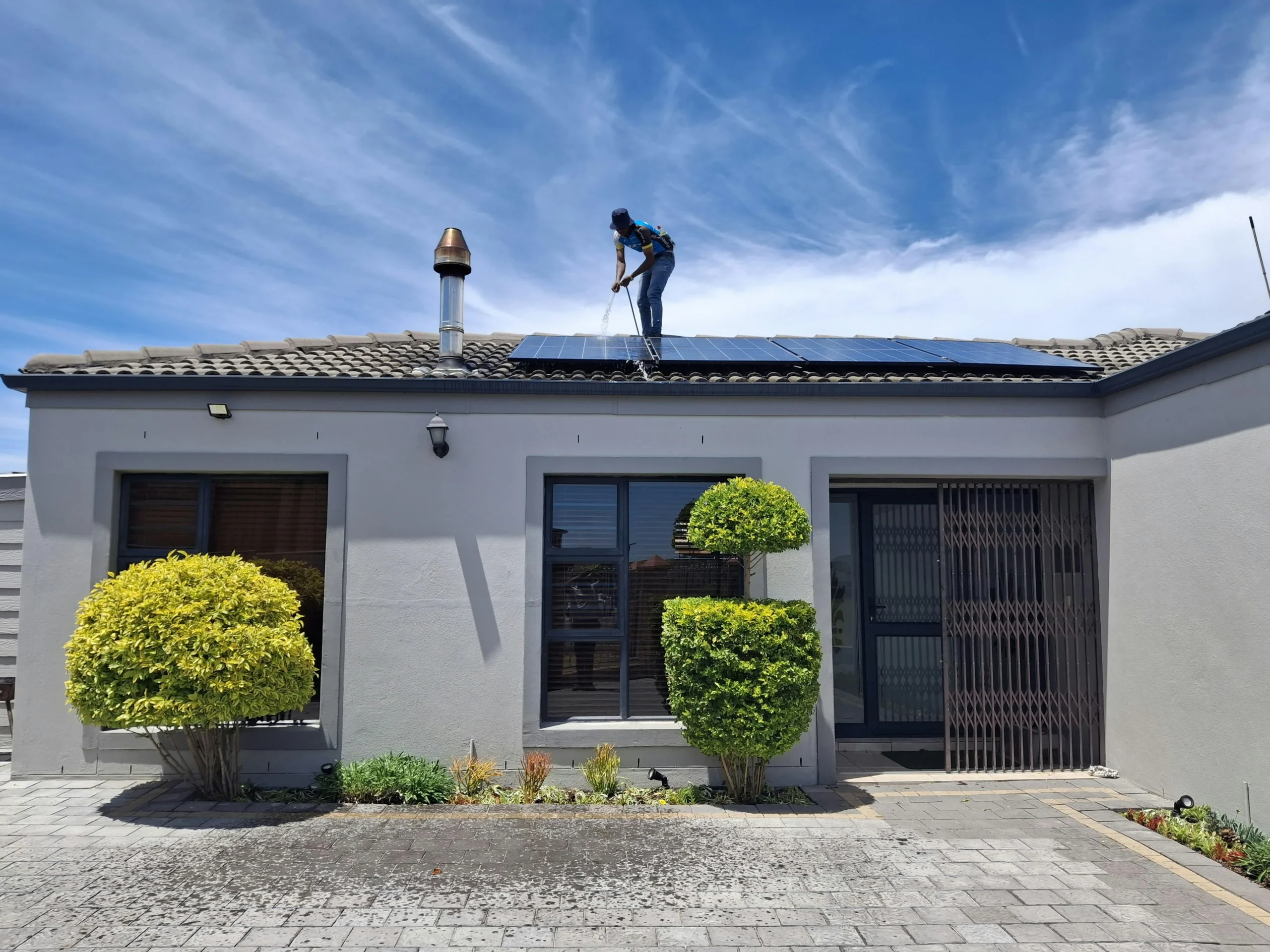
More solar setups on house roofs in cities mean steady calls for upkeep help. Picking the right solar inverter and energy storage supplier shapes how well home and business energy setups last over time. The same goes for how reliable solar power is. It depends a lot on steady care, like normal cleaning to stop power drops. In places like California, Australia, and some European spots, pro cleaning deals come with new solar setups. For example, in sunny California neighborhoods, homeowners often sign up for yearly cleanings to keep their bills low—it’s a smart move that pays off quickly.
Role of Automation and Robotics in Cleaning Operations
Automatic tools are changing how big solar fields handle care work. Robots with smart AI sensors clean panels at night. They do it without using water. These setups cut worker costs by as much as 80% after a while. Firms that add robots to their services—for dry or factory areas—get ahead. They face fewer work risks. Think about a huge farm in the desert; robots climb over panels safely, day after day, without tiring out like people might.
Environmental Considerations in Cleaning Methods
Lack of water is a big worry in many areas with large solar fields. Dry cleaning with soft fiber brushes or electric systems is picking up speed. Some companies make cleaning liquids that break down naturally. They leave little mess and follow green rules. This change fits with eco goals from world groups pushing clean energy shifts. In water-short spots like parts of Africa, these methods keep things running without wasting resources—it’s practical and kind to the planet.
How Do Leading Solar Cleaning Companies Compete Globally?
The fight in this area looks like patterns in nearby solar tech markets, such as inverter making and energy storage fixes.
Before we look at exact plans, note this: the best supplier impacts not just part quality, but how the whole system fits together, software steadiness, promise keeping, and help after sales over 10 to 25 years. Cleaning companies work the same way. Long-term trust and steady service count more than quick low prices. I’ve seen small outfits fail because they cut corners on follow-up, while steady ones build loyal clients over seasons.
Integration with Solar Monitoring Platforms
The best cleaning groups link their work to digital watch systems. These track panel power live. If power falls under set levels, auto warnings start care plans. This way is like how top inverter makers use cloud checks for ahead-of-time fixes. It saves time and headaches, especially during busy summer months when output matters most.
Regional Service Infrastructure as Competitive Edge
Help after sales is often overlooked in picking suppliers. But it decides how fast field problems get fixed. For cleaning firms, being nearby means quicker help during dust winds or bad weather. Companies with local storage spots and skilled workers beat those using outside helpers. In Europe, for instance, a firm with bases in three countries can respond in days, not weeks, which keeps big projects on track.
Certification and Compliance Requirements
Just as inverter suppliers chase world stamps like IEC 62109 or UL 1741, cleaning pros must follow work safety rules and eco laws. Stamps for handling chemicals or waste water build trust with factory clients running huge power setups. Without them, deals fall through—it’s a tough lesson many learn the hard way in regulated markets.
What Technologies Are Transforming Solar Cleaning Efficiency?
Using new tech sets who wins in this new market part. From sensor timing to better surface layers, fresh ideas cut costs and boost work better.
Smart Scheduling Through Data Analytics
Sensors linked to the internet check dirt levels near solar groups. They guess the best times to clean. Systems change plans based on real dirt amounts, not set dates. This smart way cuts extra trips. It keeps panels close to top power all year. In dusty Indian fields, this means cleaning only when needed, saving money and effort.
Advanced Surface Coatings Reducing Dust Adhesion
Tech from tiny particles now coats panels at setup. It stops dirt from sticking. These water-hating layers push away dust and drops. They stretch cleaning gaps by months in fair weather. Panels stay cleaner longer, which is a game-changer for remote sites where crews can’t visit often.
Water Recycling Systems for Sustainable Operation
Units that reuse water catch run-off from wet cleans. They filter it for another go. In dry places like the Middle East or U.S. Southwest, this drops water use by up to 90%. It matches green rules, much like those for top renewable gear makers. One project in Arizona recycled enough to fill a small pool yearly—impressive for such a hot, dry spot.
How Is the Market for Solar Cleaning Companies Growing Worldwide?
The world market rise matches bigger clean energy takes since 2020s rules for cutting carbon.
World energy storage setups grow over 20% each year. This comes from cheaper batteries, shaky power prices, and helpful government help in key areas. The same rules that help storage also back side businesses like cleaning that keep setups running well.
Regional Growth Hotspots
Asia-Pacific tops new power adds thanks to big goals from China and India. Europe comes next with plans for no-carbon by 2035. North America’s rise ties to business money, not big aids, but state rules help too. China’s massive farms, for example, need constant cleaning teams, creating jobs in ways no one expected a decade ago.
Investment Trends Among Service Providers
Money from risk takers in auto startup robots for cleaning jumped since 2025. They see this spot as a way into wider clean setup care markets. Those markets could top USD 5 billion world-wide in five years. Investors chase quick wins here, blending tech with everyday needs.
Consolidation Among Regional Operators
Joins between small home firms make mid-size groups. They can handle big public projects over borders. Standard deals on insurance and data shares speed this join-up in Europe and Southeast Asia. It’s like puzzle pieces fitting—stronger together against big players.
What Challenges Do Solar Cleaning Companies Face Today?
Growth looks good, but real work hurdles slow down smaller groups or cut their gains.
Labor Availability During Peak Seasons
Short worker numbers in busy times delay cleans at big sites over hundreds of megawatts. Short-term hires are usual. But they bring setup troubles when quick teams are needed after dirt storms or fires. In Australia’s outback, a single storm can bury panels fast, and finding hands on deck turns into a scramble.
Cost Pressures Amid Competitive Pricing
More groups enter with low rates per cleaned area. This squeezes earn space. Gains shrink unless made up by auto tools or full care deals with checks. It’s a race to the bottom sometimes, but smart bundling keeps some afloat.
Safety Risks During High-Voltage Maintenance Work
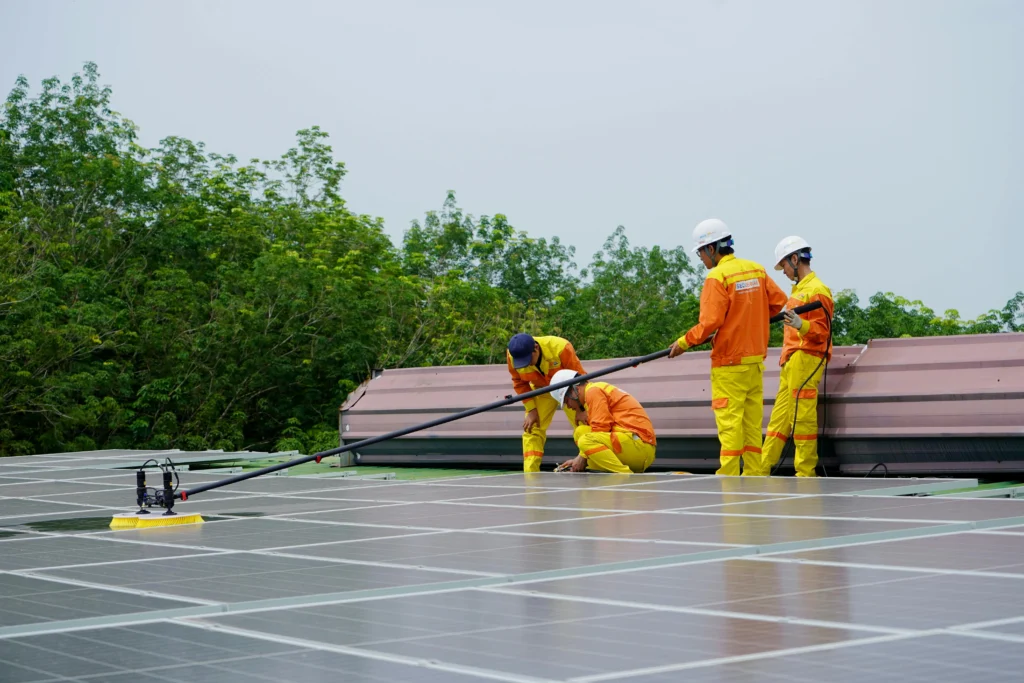
Cleaners work near live wires in tough spots. Roof heat over 60°C adds stress. Following safety steps is key. Skipping them causes lost time or hurts from falls. Bad slips can tarnish a project’s name for years—reputation is everything in this line.
What Future Trends Could Redefine the Solar Cleaning Industry?
Looking to 2027–2030, mixed trends may change how businesses run here. It’s like how digital shifts changed inverter making before.
Integration with Energy Management Ecosystems
The move to link energy parts—solar, storage, car charging, and home heat—helps groups with wide offerings. Cleaning firms teaming with watch software can add power tracking right in. This sets auto plans from system data, not hand notes. Imagine a home setup that texts you when to clean—convenient, right?
AI-Based Predictive Maintenance Models
Learning machines look at past weather and power changes. They predict dirt build-up weeks early. This lets teams act before losses hit. It’s like fault finds in inverters from top makers like SolaX Power in TechBullion’s 2026 guide. Early warnings cut surprises, much like checking the weather before a picnic.
Expansion into Hybrid Service Offerings
Some ahead companies mix drone checks with heat views and auto washers. They offer one full pack for business clients wanting whole-life care, not bit parts. This all-in-one approach saves time and builds trust—clients love not juggling multiple vendors.
FAQ
Q1: What is driving demand for professional solar panel cleaning?
A: More setups world-wide plus knowledge of power drops from dirt make regular cleans a must for home roofs and big fields.
Q2: Which technologies improve cost-effectiveness for solar cleaning companies?
A: Robots with AI paths cut worker needs. Internet sensors set cleans by real state, skipping extra work.
Q3: How do environmental regulations affect solar cleaning operations?
A: Groups follow local water limits and chem waste rules. Dry ways meet green marks without losing clean power.
Q4: Are there risks associated with manual panel cleaning?
A: Yes—staff meet wire dangers and hot stress on roofs. Trained plans cut risks with set safety steps.
Q5: What future innovations could transform this industry?
A: Linking to smart power nets for auto plans via cloud setups will change how care ties into wide clean setup webs world-wide.