
What a wind power system actually includes
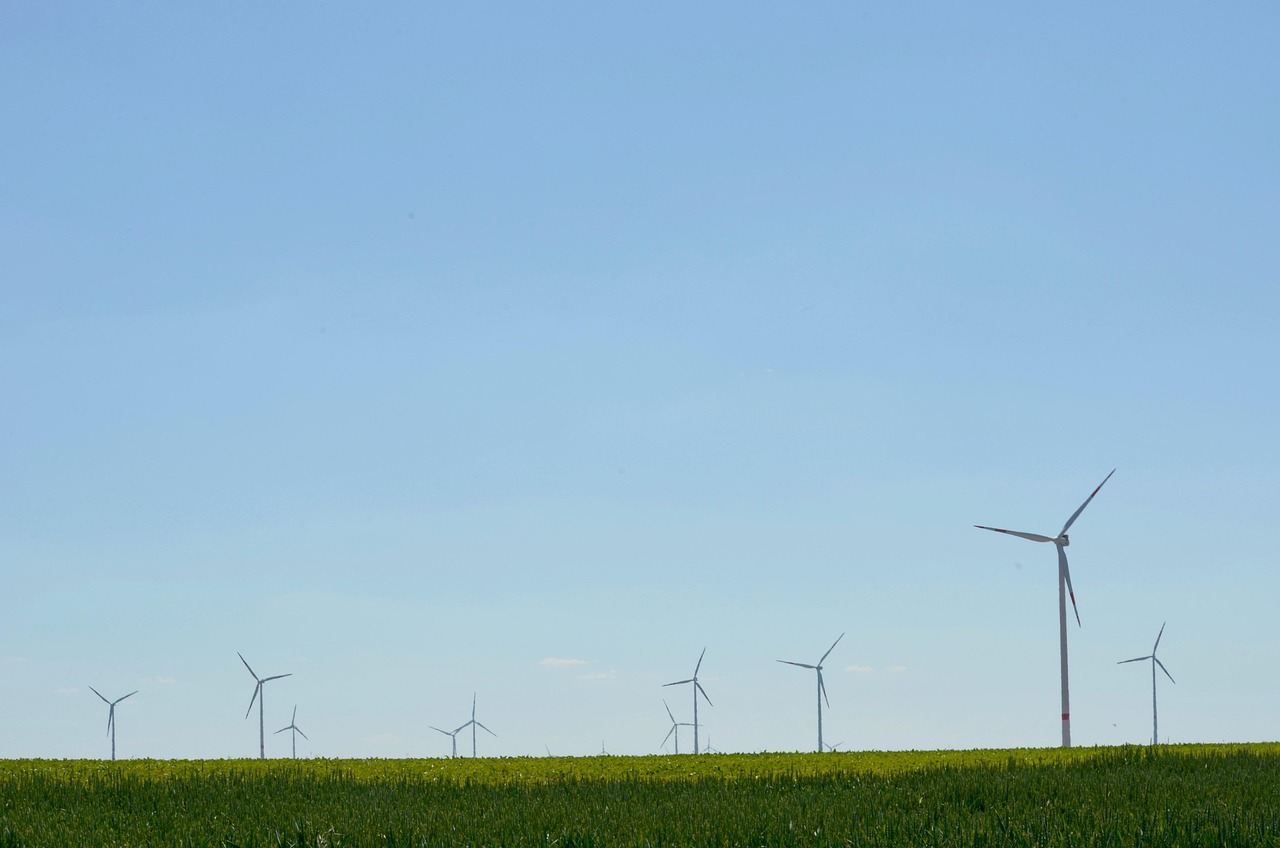
A wind power system is a coordinated set of mechanical, electrical, control, civil, and grid-interface equipment that turns moving air into usable electricity. The turbine is the most visible part, but project performance also depends on the tower, foundation, power electronics, cabling, protection devices, monitoring systems, grid connection, and maintenance plan. In small or remote applications, batteries, inverters, charge controllers, and backup generation may also be part of the design. In utility-scale projects, transformers, substations, supervisory controls, forecasting, and transmission access become central to the system.
In practice, a wind project succeeds when the whole system is matched to the site, the load, and the power network. Installing a large turbine is only one step. For broader sector context, see the wind energy updates section.
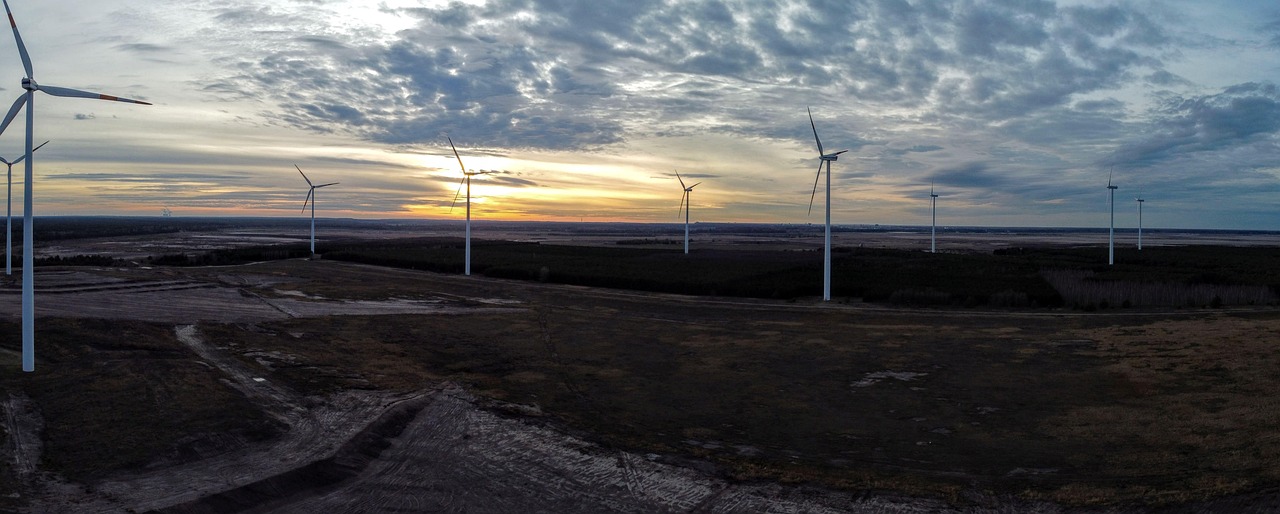
This systems view matters because wind energy has moved from a niche renewable source into a major part of power planning. Industry reporting from the Global Wind Energy Council described 2023 as a record year for new wind installations, with about 117 GW added worldwide. Cost reporting from the International Renewable Energy Agency also shows that onshore wind has become one of the most cost-competitive sources of new electricity in many markets. Project economics still vary by location, permitting, grid access, financing, and supply chain conditions.
How wind becomes electricity
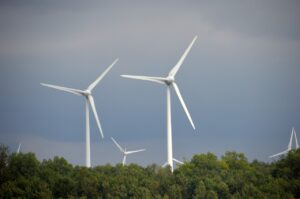
Most modern wind power systems use horizontal-axis turbines with three blades. As wind passes across the blades, aerodynamic lift makes the rotor turn. That rotational energy moves through the drivetrain to a generator, either directly or through a gearbox, depending on the turbine design. The generator produces electrical power, and power electronics condition the output so it can serve a local load, charge batteries, or synchronize with the electric grid.
The basic physics explain why siting has such a large effect on results. The energy available in wind rises sharply as wind speed increases, so even a modest improvement in average wind speed can have a significant impact on annual energy production. Height also matters because wind is usually stronger and less turbulent farther above ground. That is why commercial wind turbines use tall towers, and why small wind projects should be careful with short towers, rooftops, trees, turbulent ridgelines, and nearby buildings.
The U.S. Department of Energy describes typical small wind systems as including a rotor, generator or alternator, tower, wiring, and balance-of-system equipment such as controllers, inverters, and batteries. Larger projects use the same conversion principle, but they add industrial-scale foundations, medium- or high-voltage electrical systems, substations, plant-level controls, communications, and grid compliance equipment.
Main design choices before selecting equipment
Wind resource and site assessment
The first design decision is not the turbine brand or rated capacity. It is whether the site has enough usable wind to justify the system. A bankable utility project normally needs long-term wind resource assessment, correlation with historical weather data, uncertainty analysis, and modeling of wakes between turbines. A smaller commercial or agricultural project may use shorter measurement campaigns, nearby meteorological data, and conservative assumptions, but it still needs more than a visual impression that the location feels windy.
A proper assessment should consider average wind speed, seasonal patterns, turbulence, extreme wind events, icing, dust, corrosion, lightning exposure, access roads, crane access, property setbacks, noise limits, environmental restrictions, and the distance to the point of interconnection. Offshore projects add further variables, including seabed conditions, port logistics, vessel availability, export cable routing, and marine permitting.
On-grid, off-grid, and hybrid configurations
A grid-connected wind power system sends electricity to the local network or utility grid. It may offset on-site consumption, sell power under a contract, or operate as part of a larger power plant. Grid connection usually improves energy use because surplus production can be exported instead of curtailed. It also brings interconnection studies, protection settings, metering, utility rules, and possible upgrade costs.
An off-grid wind system has a different design target. Because wind is variable, the project usually needs batteries, a charge controller, an inverter, load management, and often a backup generator or solar photovoltaic array. The goal is not only annual energy production. It is reliable energy availability during low-wind periods. For remote telecom sites, farms, islands, and research stations, a hybrid design is often more practical than relying on wind alone.
Rated power, rotor size, and annual energy
Rated power can be misleading when it is treated as the main performance metric. A 100 kW turbine does not produce 100 kW at all times. Output changes with wind speed, and annual energy depends on the site wind distribution, turbine power curve, availability, losses, and curtailment. A turbine with a larger rotor may produce more energy at moderate wind speeds than a smaller-rotor turbine with the same rated capacity. For buyers and planners, estimated annual energy production is usually more useful than nameplate capacity alone.
Components that shape reliability and cost
A wind power system is only as strong as its weakest design interface. Turbine performance, foundation design, electrical protection, software settings, and maintenance access all affect long-term output. The table below summarizes the main system elements and the design questions that should be checked before procurement.
| System element | Primary role | Key design question |
|---|---|---|
| Rotor and blades | Capture wind energy and transfer torque to the drivetrain | Is the rotor suited to the wind class, turbulence, temperature range, and expected loads? |
| Nacelle and generator | Convert mechanical rotation into electrical power | Are gearbox, direct-drive, cooling, braking, and service requirements appropriate for the site? |
| Tower and foundation | Raise the rotor and carry static and dynamic loads | Has the design considered soil conditions, fatigue loads, extreme wind, transport, and crane access? |
| Power electronics | Condition electricity for grid use, battery charging, or local loads | Can the converter or inverter meet voltage, frequency, power quality, and protection requirements? |
| Transformer and switchgear | Connect turbine output to the project electrical network | Are ratings, protection coordination, grounding, and fault duties properly engineered? |
| Controls and monitoring | Optimize output, protect equipment, and support remote operation | Are data logging, alarms, curtailment rules, cybersecurity, and maintenance workflows defined? |
| Storage or backup | Improve energy availability in hybrid or off-grid applications | Is battery capacity sized for real load patterns and low-wind periods, not just average demand? |
For commercial and utility-scale turbines, international standards matter. The IEC 61400 series is widely used for wind turbine design requirements, including design load assumptions and environmental classes. A project should not treat certification as a substitute for site-specific engineering, but standards help define the minimum technical framework for safe and reliable equipment selection.
Grid connection, storage, and controls
Grid integration is often where a technically promising wind project becomes more complex. Wind output varies with weather, while power systems must continuously balance supply and demand. A modern wind plant therefore needs more than turbines feeding a cable. It needs forecasting, plant-level controls, voltage and reactive power management, protection coordination, communication with the grid operator, and the ability to follow interconnection requirements.
The International Energy Agency has repeatedly identified transmission and grid investment as a limiting factor for faster renewable deployment. For wind projects, this can appear as long interconnection queues, network upgrade costs, curtailment, congestion, or delays in building new lines. A site with strong wind but weak grid access may be less attractive than a site with slightly lower wind and a practical interconnection route. See also: clean energy.
Storage can help, but it should be applied for a defined purpose. Batteries may smooth short-term fluctuations, support microgrid operation, store surplus production, reduce curtailment, or provide grid services where markets allow. They do not automatically make a wind project economical. The right storage size depends on power price patterns, load profile, outage risk, grid rules, battery degradation, and the value of reliability. In many systems, wind plus solar plus storage is stronger than wind plus storage alone because solar and wind often have different production patterns.
Controls are also becoming more important. Advanced wind plant controls can reduce wake losses, manage ramp rates, support voltage regulation, and protect turbines during abnormal operating conditions. In distributed wind or microgrids, controls must coordinate wind with solar, diesel generators, batteries, and controllable loads. For this reason, system architecture should be designed early, rather than added after equipment has been purchased.
Where wind power systems fit best
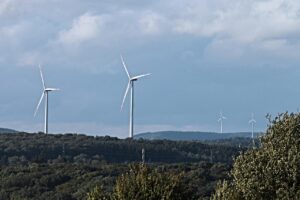
Wind systems are not equally suitable everywhere. They tend to work best where the wind resource is strong, smooth, and accessible; where land or sea space is available; where permitting rules are clear; and where the grid can absorb the output. Utility-scale onshore wind is often suited to open plains, ridgelines, agricultural regions, and other locations with good wind exposure and manageable land-use constraints. Offshore wind can access stronger and more consistent winds, but it usually involves higher installation, cable, vessel, port, and maintenance costs.
Distributed wind can serve farms, campuses, industrial sites, rural businesses, water treatment facilities, communities, and remote infrastructure. It may be valuable where electricity prices are high, grid extension is expensive, resilience is important, or local renewable generation is part of an energy strategy. However, distributed wind is more site-sensitive than rooftop solar. A small turbine installed in turbulent low-speed wind will underperform, even if the equipment itself is well made.
Residential wind deserves special caution. The Department of Energy’s small wind guidance notes that home wind systems require adequate space and a good wind resource. In practical terms, many dense suburban or urban sites are poor candidates because buildings and trees create turbulence and reduce wind speed. For homes with suitable land, height, zoning approval, and high electricity costs, small wind may be useful, especially as part of a hybrid system. Without those conditions, solar PV or efficiency upgrades may deliver more predictable value.
Common mistakes to avoid
- Buying by rated capacity only. Nameplate capacity does not equal annual energy production. Always compare power curves, hub height, expected wind speeds, losses, and availability.
- Underestimating turbulence. Turbulent wind increases mechanical stress and can reduce output. Smooth wind at the right height is more valuable than gusty wind near obstacles.
- Treating batteries as a simple add-on. Storage must be sized around real operating goals, such as backup hours, peak shifting, ramp control, or curtailment reduction.
- Ignoring interconnection early. Grid studies, protection equipment, metering, and network upgrades can affect cost and schedule as much as the turbine purchase.
- Overlooking operations and maintenance. Access roads, spare parts, technician availability, remote monitoring, and service contracts influence lifetime performance.
- Using generic cost assumptions. IRENA cost data can show broad market trends, but local costs depend on finance, labor, logistics, permitting, taxes, grid works, and currency risk.
The most useful planning question is not whether wind power works in general. It is whether a specific site, with a specific wind profile and grid or load requirement, can support a system that operates reliably over its planned life. That question requires measured data, conservative modeling, and clear responsibility for design, installation, operation, and maintenance.
Frequently asked questions
What is the difference between a wind turbine and a wind power system?
A wind turbine is the machine that captures wind energy and converts it into electrical power. A wind power system includes the turbine plus the tower, foundation, wiring, controls, converters, transformers, protection devices, monitoring, grid connection, and sometimes batteries or backup generation.
Can a wind power system work without the grid?
Yes, but an off-grid system needs additional equipment to maintain power when wind output is low. Most off-grid designs include batteries, inverters, charge controllers, and often solar panels or a backup generator. The design focus is reliability across real weather patterns, not just annual energy totals.
Why does hub height matter so much?
Wind is usually stronger and less turbulent at higher elevations. A taller tower can increase energy production and reduce turbulence-related stress, although it also adds foundation, permitting, transport, and installation considerations.
Is onshore wind cheaper than offshore wind?
In many markets, onshore wind has lower installed cost and lower levelized electricity cost than offshore wind. Offshore wind can access strong resources and large project areas, but marine construction, foundations, export cables, vessels, and maintenance logistics usually increase complexity.
What should be checked before investing in a wind power system?
Key checks include measured or well-validated wind resource data, site constraints, turbine suitability, permitting, interconnection cost, expected annual energy production, maintenance access, financing assumptions, and the value of the electricity produced. A credible feasibility study should address all of these before equipment is ordered.