
What counts as a clean energy option?
Clean energy options are practical ways to reduce the carbon emissions associated with electricity, heating, cooling, transportation, or industrial energy use. For most homes and organizations, the choices fall into three broad categories: generating clean electricity on site, buying clean electricity from the grid or a third party, and replacing fossil-fuel equipment with efficient electric systems that can run on cleaner power as the grid changes. Solar, wind, hydropower, geothermal, bioenergy, and nuclear are commonly discussed in this context, although the exact definition of “clean” varies by policy, market, and reporting program.
Most readers are not looking for a technology taxonomy. They want to know which options are available, how they differ, and which trade-offs matter before making a purchase or signing a contract. A homeowner may be weighing rooftop solar against community solar. A business may be comparing renewable energy certificates, a utility green tariff, or a power purchase agreement. A city or industrial buyer may need a broader portfolio that includes firm low-carbon electricity, storage, demand flexibility, and efficiency.
Public energy sources such as the International Energy Agency, U.S. Energy Information Administration, U.S. Department of Energy, and U.S. Environmental Protection Agency point to the same basic conclusion: clean energy is not a single technology. It is a mix of resources, contracts, and efficiency measures that has to match the location, load profile, budget, and reporting goals. For broader context on the energy transition, visit our clean energy section.
The main clean electricity technologies
Electricity sits at the center of many clean energy strategies because it can be produced from low-carbon sources and then used in buildings, vehicles, and some industrial processes. The main technologies differ in availability, scale, reliability, land use, operating profile, and ownership model.
Solar photovoltaics
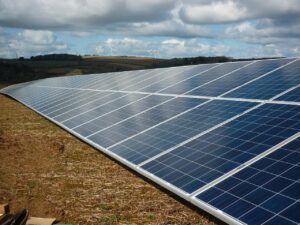
Solar photovoltaic systems convert sunlight directly into electricity. They can be installed on rooftops, carports, open land, brownfield sites, and utility-scale solar farms. Solar is modular, relatively quick to deploy, and well suited to daytime loads such as commercial buildings, cooling demand, and electric vehicle charging during daylight hours.
The constraint is timing. Solar output drops at night and varies with clouds, seasonal sunlight, local shading, snow, and panel orientation. Batteries and load management can improve the value of solar for customers that want higher self-consumption or backup capability, but they also add cost and system complexity.
Wind power
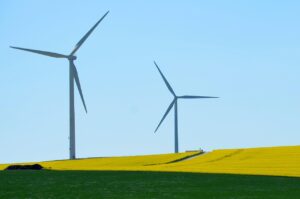
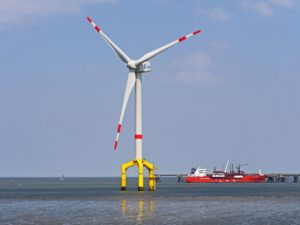
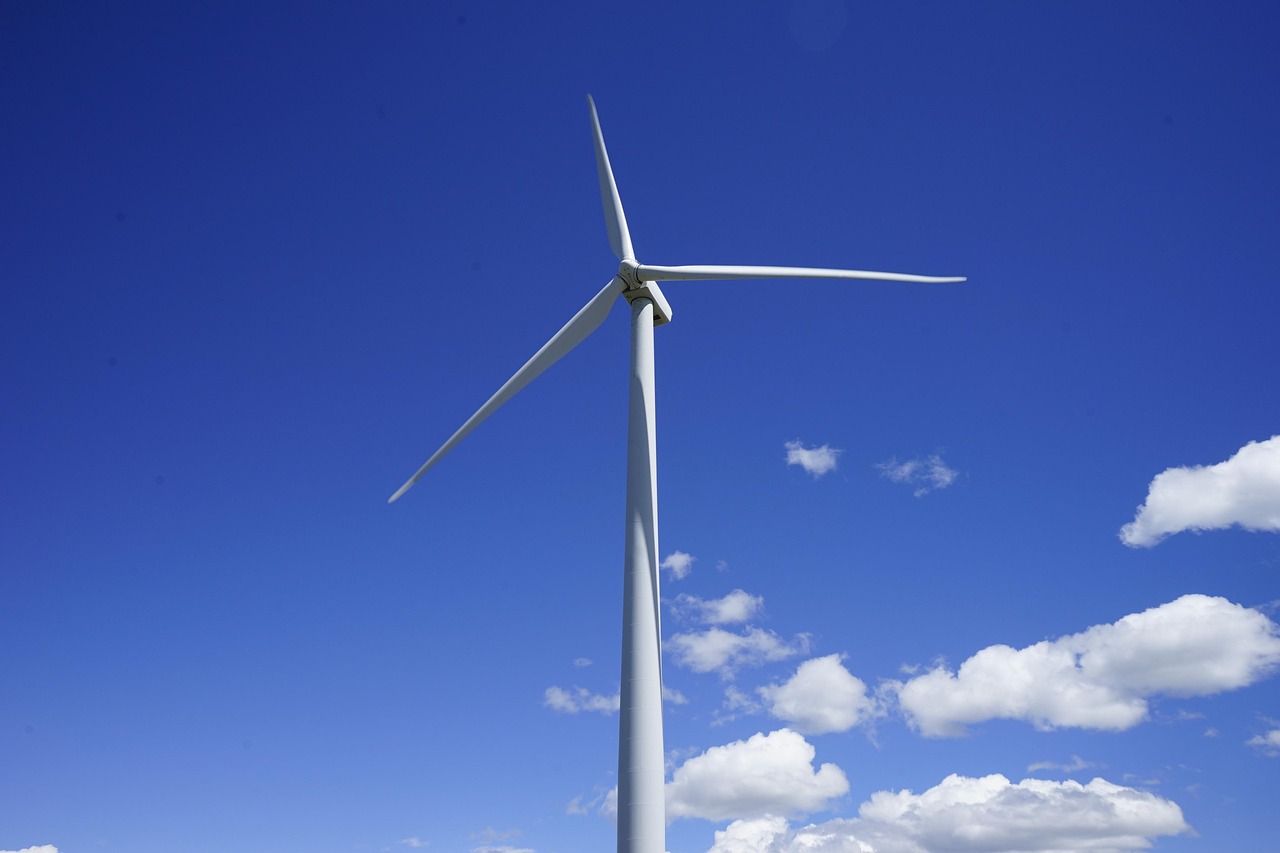
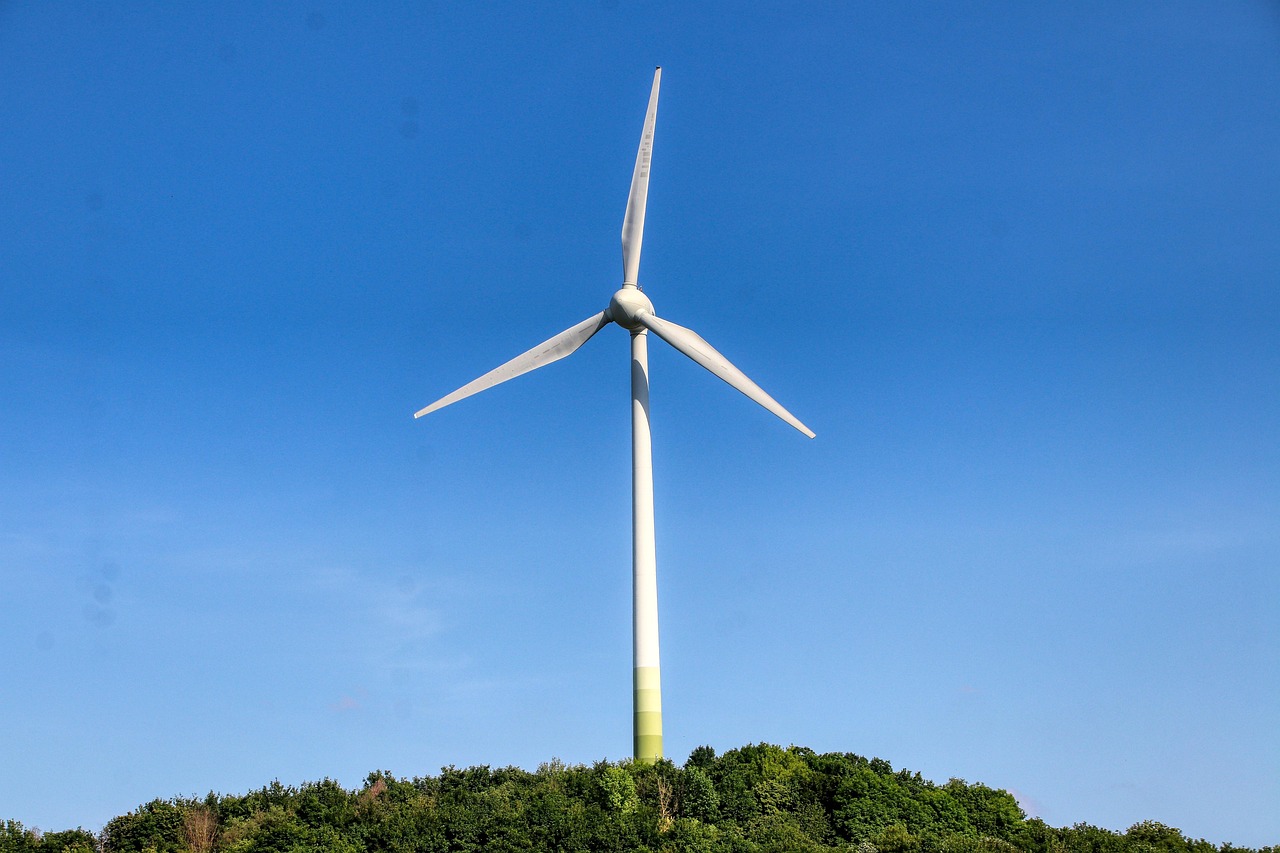
Wind turbines convert moving air into electricity. Onshore wind is often deployed at utility scale. Offshore wind can access stronger coastal wind resources, but it involves more complex marine construction, transmission, and permitting. Wind output can complement solar because production may be stronger at different times of day or in different seasons.
Wind projects are usually less practical for individual urban homes than solar, but they are important for utilities, corporate power buyers, and regional grids. Site quality, transmission access, wildlife impacts, community acceptance, and permitting timelines are central considerations.
Hydropower
Hydropower uses flowing or stored water to generate electricity. Existing hydropower can provide dispatchable power, grid stability, and long asset life. Pumped-storage hydropower can also store energy by moving water between reservoirs when electricity is available and releasing it later when demand is higher.
The main limitation is geography. Suitable sites are location-specific, and new large dams can raise significant environmental, social, and permitting concerns. In many mature markets, the clean energy opportunity is less about building many new large dams and more about maintaining existing assets, improving efficiency, adding flexibility, and evaluating smaller or low-impact projects carefully.
Geothermal energy
Geothermal energy draws on heat from the earth. In favorable regions, geothermal power plants can provide steady low-carbon electricity. Ground-source heat pumps use near-constant underground temperatures to heat and cool buildings efficiently, even where geothermal power generation is not available.
Geothermal’s value is firmness: it can operate when solar and wind are not producing. Its challenges include resource risk, drilling cost, local geology, and project development time. Enhanced geothermal systems are attracting growing interest, but commercial deployment depends on site performance, financing, and regulatory conditions.
Bioenergy and biogas
Bioenergy uses organic material such as residues, wood waste, landfill gas, wastewater biogas, or certain energy crops to produce heat, power, or fuels. It can be useful where waste streams already exist and fuel logistics are well managed.
Bioenergy is not automatically low-impact. Its emissions profile depends on feedstock, land-use effects, combustion controls, methane management, transport distance, and whether the resource would otherwise decay or be wasted. For credible clean energy claims, buyers should examine feedstock sustainability and accounting rules, not just the renewable label.
Nuclear power and other firm low-carbon resources
Nuclear power is not renewable, but it is often included in clean energy discussions because it produces large amounts of electricity with very low direct carbon emissions during operation. Existing nuclear plants can provide firm power that supports grid reliability. New nuclear projects, including advanced reactors, face questions about cost, construction time, licensing, waste management, and market fit.
Some clean energy definitions also include fossil generation with carbon capture and storage when captured emissions meet specific standards. This category is more complex because performance depends on capture rates, upstream fuel emissions, storage integrity, and project economics. For most electricity buyers, these options are less direct than solar, wind, community solar, green tariffs, or renewable certificates, but they matter in broader power-sector planning.
Ways to buy clean electricity without owning equipment
Not every household, tenant, nonprofit, or company can install equipment. Roof condition, ownership status, shading, credit requirements, upfront cost, and utility rules can all block on-site projects. In those cases, clean energy procurement may still be possible through market-based options. See also: EVs.
| Option | How it works | Who it may fit | Key issue to check |
|---|---|---|---|
| Utility green power program | The customer pays the utility for electricity matched with renewable energy attributes. | Homes and small businesses seeking a simple opt-in route. | Price premium, resource mix, and whether renewable energy certificates are retired for the customer. |
| Community solar | Multiple customers subscribe to or receive bill credits from a shared solar project. | Renters, condo owners, shaded roofs, and customers unable to install panels. | Contract term, savings estimate, cancellation rules, and bill-credit structure. |
| Renewable energy certificates | The customer buys the environmental attributes of renewable generation separately from electricity. | Organizations with reporting goals or customers without local supply options. | Certification, vintage, geographic relevance, and claim language. |
| Power purchase agreement | A buyer contracts for power and related attributes from a renewable project, either on site or off site. | Large electricity users, campuses, municipalities, and corporations. | Long-term price risk, volume risk, credit terms, and ownership of environmental attributes. |
| On-site lease or third-party ownership | A developer owns the system and sells electricity or leases equipment to the host. | Sites that want solar benefits without direct ownership. | Escalator clauses, roof obligations, buyout terms, and transferability if the property is sold. |
The U.S. EPA’s green power market guidance emphasizes that renewable energy certificates are central to many clean electricity claims. In practical terms, buyers need to understand not only where electricity is generated but also who owns and retires the certificate or environmental attribute. Without that clarity, the environmental claim may be weaker than the marketing language suggests.
Efficiency and electrification are clean energy options too
Clean energy is not only a supply question. Reducing energy waste can lower the amount of clean generation needed, cut bills, and make electrification easier. For a building owner, insulation, air sealing, efficient lighting, controls, smart thermostats, and high-performance appliances can be as important as choosing a renewable electricity product.
Electrification becomes more effective when efficient electric equipment replaces direct fossil fuel use. Heat pumps are the clearest example. The U.S. Department of Energy’s consumer guidance states that modern heat pumps can reduce electricity use for heating substantially compared with electric resistance systems, with the exact savings depending on climate, equipment type, building envelope, and installation quality. Heat pump water heaters, induction cooking, electric vehicles, and electric process equipment can also reduce on-site combustion.
The emissions impact of electrification depends on the grid mix. If electricity is generated mostly from coal or inefficient gas plants, the near-term benefit may be smaller. As the grid adds more low-carbon generation, the same electric equipment becomes cleaner over its operating life. That is why efficiency, electrification, and clean electricity procurement should be evaluated together rather than as separate decisions.
How to compare clean energy options in a real decision
A useful comparison starts with the energy load, not the technology. The right option for a warehouse with a large flat roof is different from the right option for a rented apartment, a data center, a school district, or a rural manufacturing site. The following criteria can turn a long list of clean energy options into a practical shortlist.
- Emissions impact: Check whether the option reduces direct fuel use, grid electricity emissions, or both. Also ask whether claims are based on physical delivery, certificates, or accounting rules.
- Timing: Solar, wind, hydropower, geothermal, nuclear, and storage have different production profiles. Matching clean generation to hourly demand is becoming more important for advanced buyers.
- Location: Resource quality, permitting, utility tariffs, interconnection queues, net metering rules, and state programs can change project economics dramatically.
- Ownership and control: Direct ownership may offer more control and long-term value, while leases, subscriptions, and PPAs can reduce upfront capital needs.
- Reliability needs: A simple green power purchase does not provide backup power. Resilience may require batteries, microgrid controls, generators using low-carbon fuels, or critical-load planning.
- Contract risk: Long-term agreements should be reviewed for price escalators, early termination fees, performance guarantees, maintenance duties, insurance, and property transfer issues.
- Reporting quality: Businesses should align purchases with recognized greenhouse gas accounting rules and be precise about the difference between renewable electricity use, avoided emissions, and carbon neutrality claims.
For many small customers, the most practical sequence is efficiency first, then electrification where equipment replacement is due, then a clean electricity supply option such as rooftop solar, community solar, or a utility program. Large organizations may need a portfolio that combines on-site projects, off-site procurement, storage, demand response, and long-term planning for firm low-carbon power.
Trade-offs and limits readers should not ignore
Clean energy options can reduce many energy-related emissions, but none should be treated as impact-free. Solar projects require panels, inverters, land or roof space, and end-of-life management. Wind projects require transmission access and careful siting. Hydropower can affect rivers and ecosystems. Bioenergy can be beneficial or problematic depending on feedstock and combustion controls. Batteries improve flexibility but depend on mineral supply chains and recycling systems. Nuclear offers firm low-carbon electricity but raises cost, construction, waste, and public acceptance issues.
Grid integration is another real constraint. The IEA has reported that solar and wind dominate expected renewable capacity additions through 2030, while also noting that grid connection queues and system integration are major issues in many markets. That does not weaken the case for clean energy; it means planning must include transmission, distribution upgrades, storage, flexible demand, market design, and permitting reform.
Cost comparisons also need context. A headline price for a solar panel, wind farm, heat pump, or certificate does not show the full decision. Customers should compare installed cost, financing cost, maintenance, incentives, utility rates, export compensation, equipment life, risk allocation, and the value of resilience or emissions reporting. In some cases, a lower-cost option may deliver weaker environmental claims. In others, a higher upfront investment may create more durable savings and control.
Frequently asked questions
What is the most practical clean energy option for a homeowner?
For many homeowners, the practical starting point is efficiency, followed by rooftop solar if the roof is suitable and local utility rules are favorable. If rooftop solar is not possible, community solar or a utility green power program may be easier. Heat pumps can be a strong option when replacing heating, cooling, or water-heating equipment.
Are renewable energy and clean energy the same thing?
Not exactly. Renewable energy usually refers to sources that replenish naturally, such as solar, wind, hydropower, geothermal, and biomass. Clean energy is broader in many policy discussions and may include nuclear power or fossil generation with carbon capture if emissions are sufficiently low. In voluntary electricity markets, definitions can be narrower, so claim rules matter.
Can renters use clean energy options?
Yes. Renters usually cannot make major property upgrades, but they may be able to join community solar, choose a utility green power product, buy renewable energy certificates, use efficient appliances, or select an electricity supplier where retail choice is available. The best option depends on the lease, utility territory, and local market rules.
Do renewable energy certificates mean my electricity is physically renewable?
Usually not in a direct physical sense. Renewable energy certificates represent the environmental attributes of renewable generation. They are widely used for electricity claims, but buyers should verify certification, ownership, retirement, vintage, and geographic relevance. The certificate can support a claim, but it is different from owning a local generator or receiving power under a physical contract.
Which clean energy option has the lowest emissions?
Lifecycle studies generally show that wind, solar, hydropower, geothermal, and nuclear have much lower greenhouse gas emissions than unabated fossil fuel generation. The exact ranking varies by site, technology design, manufacturing supply chain, methane leakage, land-use assumptions, and system boundaries. For a real decision, compare credible lifecycle data with local grid impacts and project-specific conditions.