
Why wind solar growth matters now
Wind solar growth is no longer just a capacity-addition story. In 2026, the bigger issue is how wind, solar, storage, transmission and power markets operate as one system. The latest complete global annual data is for 2025, and it shows a clear shift: wind and solar PV together supplied 17% of global electricity generation, according to the International Energy Agency’s Global Energy Review 2026. That was up from 15% in 2024 and about 5% a decade earlier.
The timing matters because electricity systems are being asked to handle several pressures at once: rising demand, lower fuel exposure, new industrial loads and reliability during extreme weather. Wind and solar can help, but their value increasingly depends on location, grid access, flexibility and market design. The next phase is therefore less about whether wind and solar work, and more about how well they are integrated.
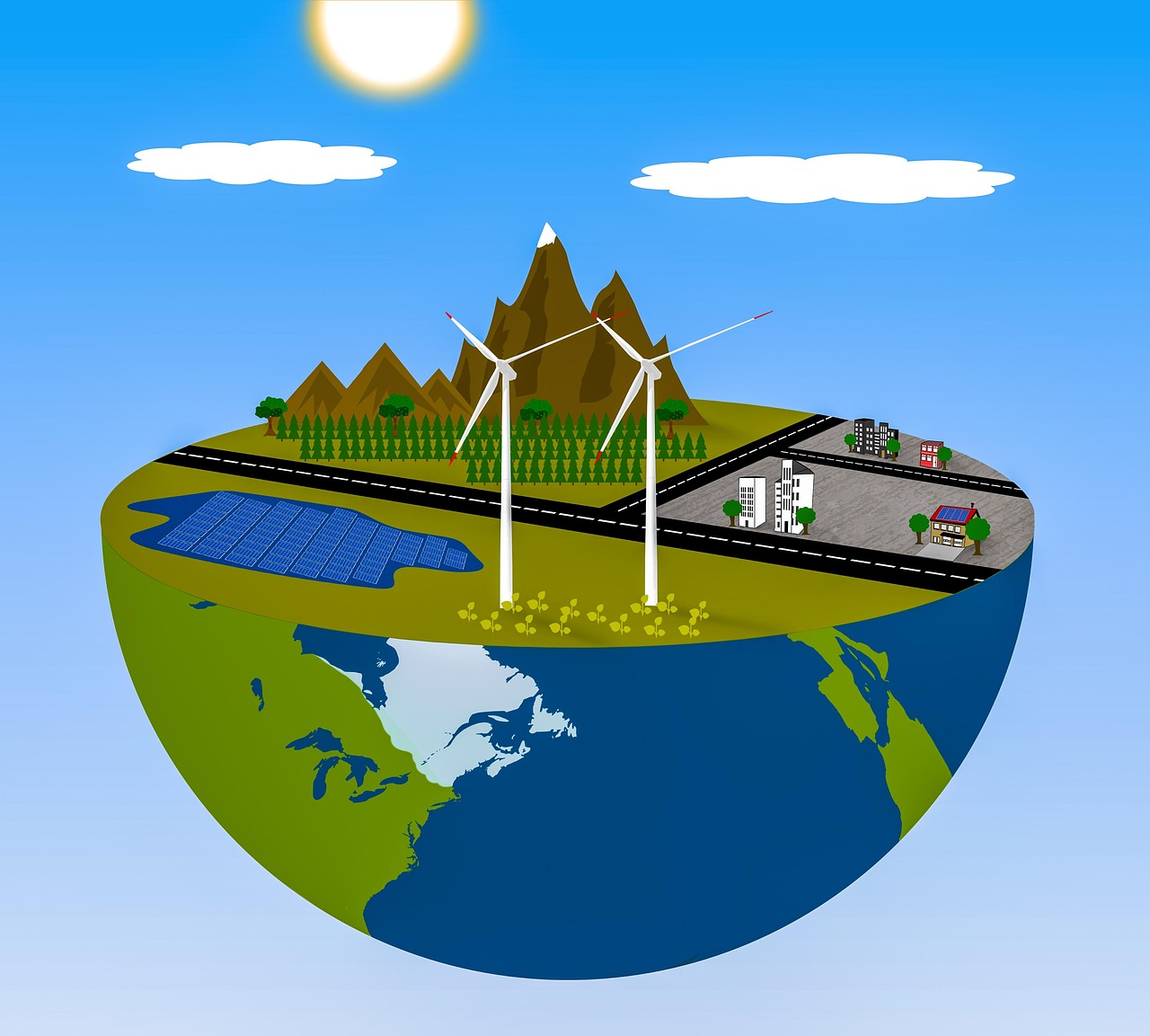
For broader wind sector context, readers can follow the latest wind energy updates from Econergy.
The data signal from 2025 and 2026
The International Energy Agency reported that global electricity generation increased by more than 850 TWh in 2025, with renewables accounting for the vast majority of that growth. The same report put renewables at 34% of global electricity generation in 2025, up from 32% in 2024. These figures do not mean every region is moving at the same speed, but they do show that variable renewables are now large enough to affect system operation, power prices and investment decisions.
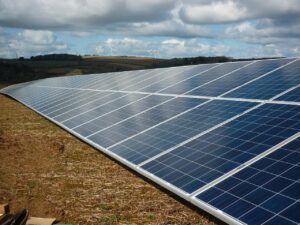
Solar PV is expanding faster than wind in many markets because projects can often be built in smaller increments and on shorter construction timelines. Wind remains important because it can produce at different hours and seasons, and in strong-resource regions it can deliver high output when solar is weak. The IEA’s 2026 electricity analysis expected solar PV generation to overtake wind and nuclear generation by 2026, while hydropower would remain larger until later in the decade. That is a forecast, not a completed full-year result, because 2026 is still in progress as of September 10, 2026.
The United States shows how this mix is changing at the project pipeline level. The U.S. Energy Information Administration’s early 2026 capacity outlook said planned U.S. generating additions for 2026 were led by solar at 51%, followed by battery storage at 28% and wind at 14%. This does not guarantee every project will be completed on schedule, but it does show where developers and utilities are directing near-term investment.
Why wind and solar work better as a portfolio
Wind and solar have different production profiles. Solar output is tied closely to daylight and seasonal irradiance. Wind output depends on weather patterns, turbine location and regional wind regimes. When planned together, the two resources can reduce some of the variability that either resource would create on its own.
National Renewable Energy Laboratory research on renewable complementarity has examined how co-located or coordinated wind, solar and storage resources may raise effective capacity factors, reduce curtailment and share interconnection infrastructure. The practical lesson is not that every project should combine wind and solar at the same site. Planners should compare the value of a single-resource project with the value of a portfolio that produces across more hours of the day and year.
| Resource choice | Main contribution | Main limitation | Planning question |
|---|---|---|---|
| Solar PV | Fast deployment and strong daytime output | Lower evening and night production | Is there enough storage, demand flexibility or daytime demand? |
| Onshore wind | Output that can extend into evenings, nights and some winter periods | More site-specific permitting and transmission needs | Is the best wind resource close enough to deliverable grid capacity? |
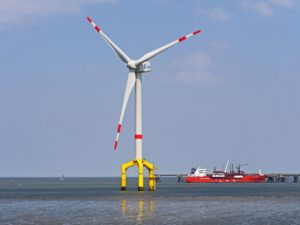
| Offshore wind | Large-scale generation near coastal load centers in some markets | Higher cost and complex supply chains | Can contracts, ports and grid upgrades support construction risk? |
| Wind solar storage hybrid | More controllable output profile and potential interconnection savings | More complex design, revenue stacking and operations | Does the added system value exceed added capital and control costs? |
The cost case is strong, but system cost is the real test
Project-level costs remain a major reason wind and solar keep gaining market share. IRENA’s Renewable Power Generation Costs in 2025 report, published in July 2026, placed the global weighted-average levelised cost of electricity at USD 44 per MWh for solar PV, USD 33 per MWh for onshore wind and USD 78 per MWh for offshore wind in 2025. These global averages are useful benchmarks, but they are not a substitute for local project analysis.
The next investment question is system cost. A low-cost solar or wind project can lose value if it is built behind a congested transmission line, faces frequent curtailment or sells into hours when wholesale prices are already depressed. Conversely, a project with a higher headline cost may be more valuable if it produces during scarcity periods, supports grid needs or connects where new demand is growing.
Battery storage changes the equation, especially for solar-heavy grids. Storage can shift midday solar production into evening peaks, provide fast grid services and reduce some curtailment. However, storage is not a complete replacement for transmission, resource diversity or firm capacity. A reliable system usually needs several forms of flexibility: batteries, demand response, transmission, hydro where available, flexible thermal plants in some markets and better forecasting.
The grid limits that determine project value
In many markets, the main constraint for wind solar expansion is increasingly the grid rather than the renewable resource itself. Strong wind corridors and sunny regions are not always located where demand is highest. Transmission planning often takes longer than generation development, and interconnection queues can delay projects even when the economics look attractive.
Grid integration also becomes more complex as the share of inverter-based resources rises. Solar PV, many batteries and modern wind plants connect through power electronics rather than traditional synchronous generators. The U.S. Department of Energy has emphasized that modern grids need capabilities such as voltage support, frequency response, forecasting and advanced controls to maintain reliability with higher shares of variable and inverter-based resources.
There is also a market-design issue. Many electricity markets still reward energy production more clearly than flexibility, capacity value or grid services. As wind and solar penetration rises, prices can fall during periods of high renewable output and rise sharply when demand is high and renewable output is low. Better market signals can encourage storage, flexible demand, hybrid project design and transmission investment. See also: clean energy.
- Curtailment risk: More renewable energy may be available than the grid can absorb at certain hours.
- Congestion risk: A project may be technically productive but commercially limited by transmission bottlenecks.
- Revenue-shape risk: Output may arrive during lower-price hours unless paired with storage or different contract structures.
- Permitting risk: Wind and transmission projects can face longer local approval timelines than solar or battery projects.
What developers and energy buyers should watch
Developers should treat wind and solar as system assets, not just generation assets. The strongest projects will be those that answer a specific grid need: evening capacity, winter output, reduced congestion, industrial demand support, ancillary services or lower exposure to volatile fuel prices. That requires more detailed modeling than a simple annual generation estimate.
Energy buyers should also be careful when comparing renewable contracts. A low contract price is not the same as a strong match for hourly demand. A corporate buyer with heavy evening consumption, for example, may need a portfolio that includes wind, solar, storage or clean firming options. Hourly matching is becoming more important as buyers move from annual renewable energy claims toward more granular decarbonization strategies.
Policy makers have a different but related task. They need to accelerate transmission, shorten interconnection delays, reward flexibility and maintain reliability standards as the resource mix changes. Policies that only support generation buildout without addressing grid readiness may create congestion and curtailment. Policies that support only reliability without allowing faster clean generation may raise costs and emissions exposure.
Frequently asked questions
Are wind and solar reliable enough for modern grids?
Wind and solar are variable, but variability does not make them unusable. Reliability depends on the full system: geographic diversity, forecasting, transmission, storage, flexible demand, market operations and backup resources. Higher-renewable systems can be reliable when these elements are planned together.
Is solar now more important than wind?
Solar is growing faster globally and is expected by the IEA to surpass wind generation around 2026, but that does not make wind less important. Wind often produces during different hours and seasons than solar, which can make it highly valuable in a balanced renewable portfolio.
Why are batteries so often discussed with wind and solar?
Batteries help shift energy across hours and provide fast grid services. They are especially useful for moving solar output from midday into evening demand periods. For wind, batteries can smooth shorter-term fluctuations and help projects capture higher-value market periods, although long-duration weather patterns may require other forms of flexibility.
What is the biggest barrier to more wind solar deployment?
In many regions, the biggest barrier is no longer the basic cost of generation. The harder issues are grid connection, transmission buildout, permitting, curtailment risk, supply-chain constraints and market rules that may not fully reward flexibility or clean capacity value.
Should projects combine wind, solar and storage at one site?
Sometimes, but not always. Co-location can share interconnection equipment and improve output shape, but it can also add design and operational complexity. The right answer depends on resource quality, grid rules, land availability, storage costs, revenue opportunities and local permitting conditions.
The takeaway
Wind and solar are entering a more demanding stage of growth. The latest complete global data shows that they are already a major part of electricity supply, while 2026 market signals point to more solar, storage and selective wind additions. The opportunity is significant, but the winning projects and policies will be those that focus on delivered value, not just installed capacity.
For the next phase of renewable power, the key question is not whether wind and solar can scale. They already have. The key question is whether grids, markets and planning processes can scale quickly enough to turn that generation into reliable, affordable and usable electricity.