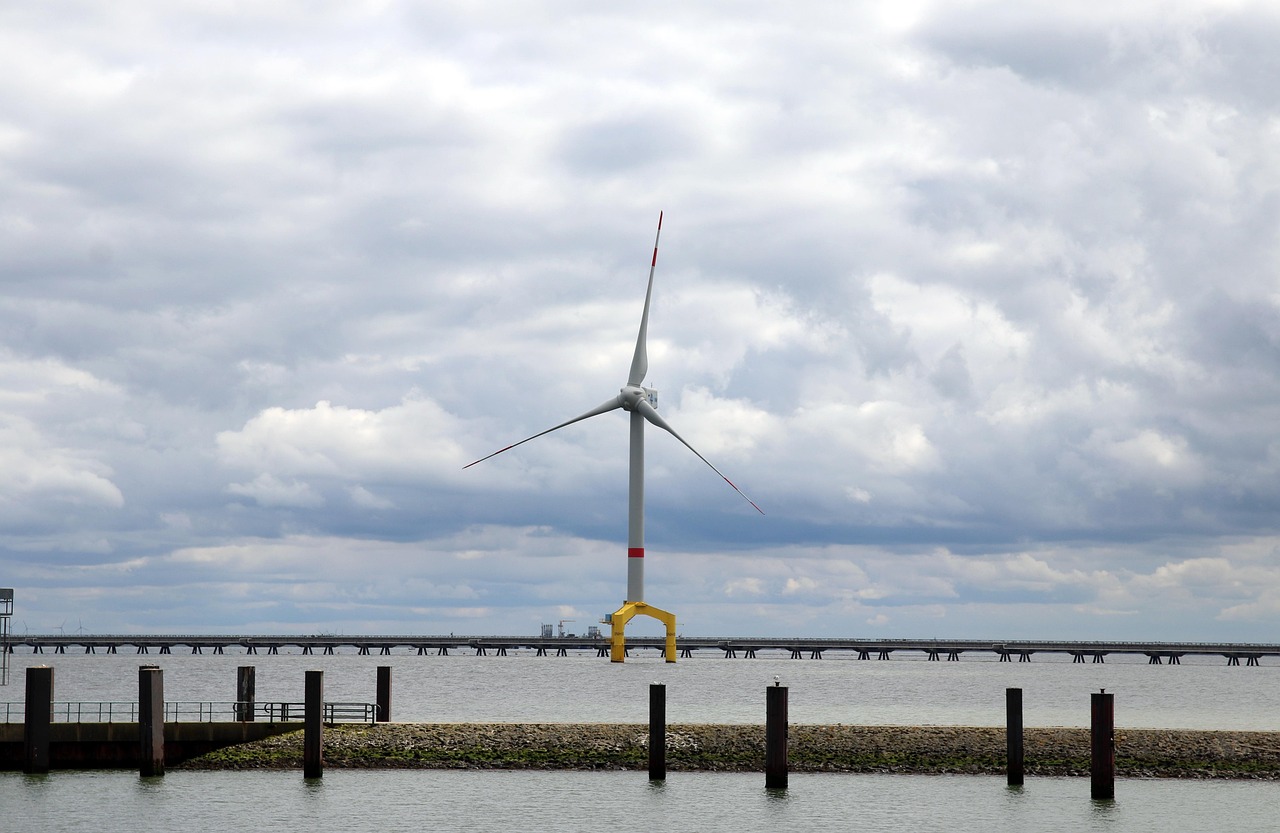

What the offshore wind biz looks like in 2026
In 2026, the offshore wind biz is not a simple boom-or-bust market. The sector is much larger than it was a decade ago, with 92.5 GW installed globally by the end of 2025, according to the Global Wind Energy Council. Yet the operating environment is more difficult than the capacity trend suggests. Developers are still advancing large projects, China remains the leading installation market, Europe is rebuilding investment momentum, and the United States has become a sharper policy-risk case.
The main question is no longer whether offshore wind can scale. It is whether individual projects can secure bankable revenue, grid access, vessels, ports, permits and supply contracts at prices that still work under higher financing and construction costs. This article reviews the commercial signals shaping offshore wind investment and project development in 2026. For related market updates, see our wind sector coverage.
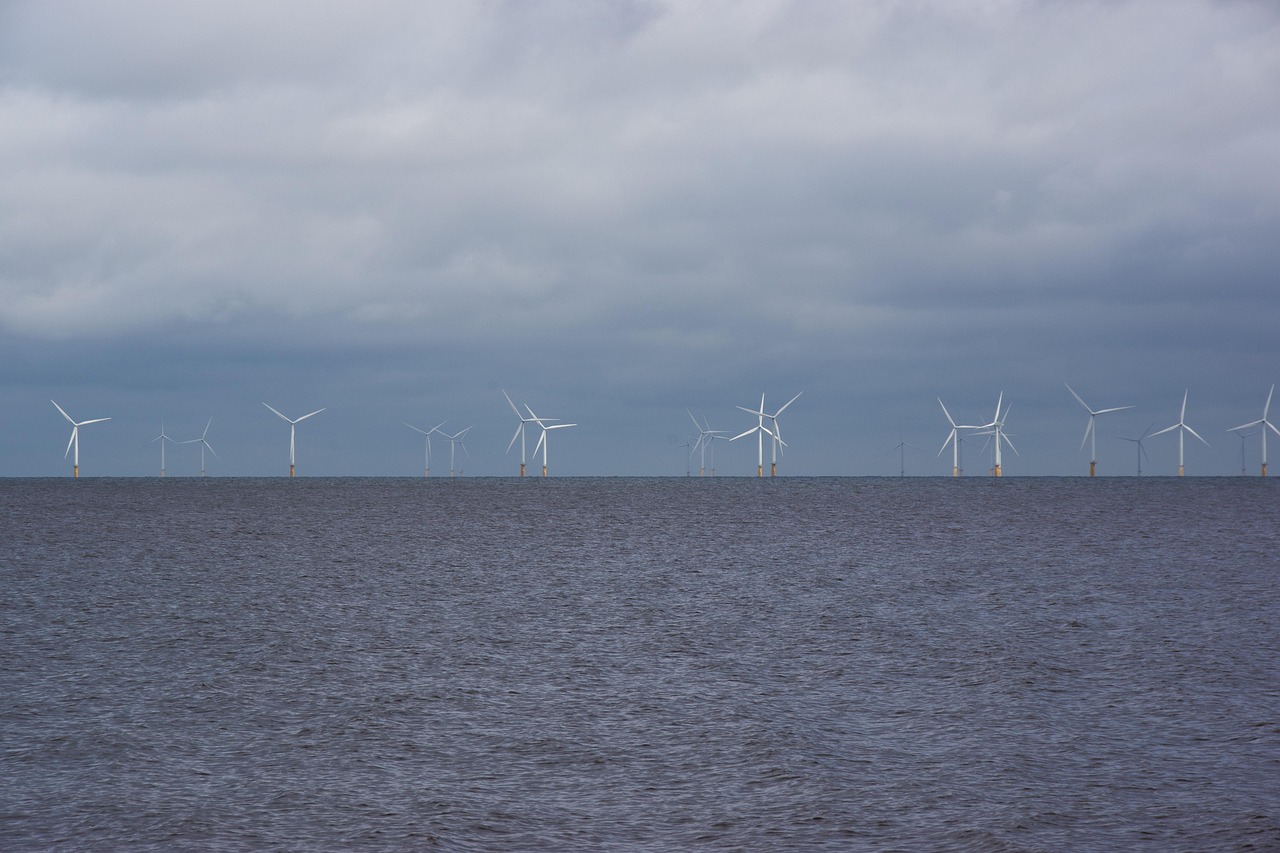
The market is larger, but growth is more selective
Offshore wind entered 2026 with a bigger global base and a more selective investment market. GWEC reported that 9.3 GW of new offshore wind capacity was grid-connected worldwide in 2025, making it the third-highest year in the sector’s history. China commissioned 6.6 GW, leading global additions for the eighth consecutive year. Europe commissioned nearly 2 GW across three markets. By the end of 2025, offshore wind operated in 19 markets and represented 7.1% of total global wind capacity.
Those numbers confirm that offshore wind remains a strategic power technology, especially for coastal economies with limited land availability, high electricity demand and industrial decarbonization targets. But the business opportunity is no longer spread evenly across markets. Countries with predictable auctions, credible grid plans, port investment and political continuity are attracting stronger developer interest. Markets with unclear permitting, weak contract indexation or sudden policy reversals are facing higher risk premiums.
The International Energy Agency’s Renewables 2025 outlook still points to major expansion. It expects 140 GW of offshore wind capacity growth over 2025-2030 and annual offshore additions to rise from roughly 9.2 GW in 2024 to more than 37 GW by 2030. At the same time, the outlook cut its offshore wind forecast by 27% compared with the previous year, citing U.S. policy changes, macroeconomic pressure, supply-chain challenges, undersubscribed auctions and project cancellations. That revision captures the central commercial tension in 2026: the long-term demand case remains strong, while near-term delivery conditions are still fragile.
Regional momentum is splitting into different business models
The offshore wind business is becoming more regional. The technology is global, but revenue design, permitting, industrial policy and supply-chain access vary sharply by market. Investors should therefore avoid treating offshore wind as one uniform asset class.
| Region | 2026 business signal | Main constraint to watch |
|---|---|---|
| China | Largest installation engine, supported by domestic manufacturing scale and coordinated infrastructure planning. | Market pricing reforms, grid integration and export-market access for suppliers. |
| Europe | Large investment pipeline and renewed final investment decisions, especially where auctions recognize delivery cost. | Grid connections, port capacity, vessel availability and auction design. |
| United States | High resource potential and several active leases, but business confidence is constrained by federal policy uncertainty. | Leasing pause, legal challenges, permitting risk and supply-chain localization. |
| Emerging Asia | Long-term growth potential in markets such as Japan, South Korea, Taiwan and Southeast Asia. | Permitting maturity, offtake structures, local supply-chain readiness and transmission buildout. |
China’s advantage is not only installation volume. It also has a deep manufacturing ecosystem for turbines, foundations, cables and installation logistics, which reduces exposure to some bottlenecks affecting newer markets. Europe has mature developers, strong climate targets and North Sea experience, but it still has to turn ambition into executable projects. WindEurope reported that Europe had 37 GW of offshore wind capacity in the first half of 2025 and that offshore wind accounted for €22 billion of final investment decisions across six large projects totaling 5.6 GW during that period. That suggests capital is still available when project terms are credible.
The United States shows the other side of the risk equation. BOEM has listed many active offshore wind leases, but it is also implementing a federal memorandum temporarily halting offshore wind leasing on the Outer Continental Shelf and pausing new or renewed approvals, rights-of-way, permits, leases or loans pending review. BOEM also announced on July 30, 2025 that it was rescinding designated Wind Energy Areas. Legal trackers have recorded lawsuits and court actions in early 2026 involving stop-work orders for projects such as Revolution Wind, Sunrise Wind and Empire Wind. For investors, the message is direct: even projects at an advanced development stage can face policy disruption.
Bankability now matters more than headline capacity
In earlier phases of the offshore wind market, winning capacity often looked like success. In 2026, capacity awards are only the starting point. A project becomes commercially meaningful when it can turn a seabed lease and offtake award into financeable contracts, procurement, installation, grid connection and long-term operations.
Several bankability variables now decide whether a project moves forward:
- Revenue certainty. Developers need power purchase agreements, contracts for difference, offshore renewable energy credits or other structures that reflect current cost realities rather than pre-inflation assumptions.
- Indexation. Contracts that do not adjust for steel, copper, vessel, labor or financing changes can become uneconomic before final investment decision.
- Permitting durability. A permit is more valuable when approval processes are transparent, legally robust and less vulnerable to sudden reversal.
- Grid availability. Offshore generation without timely transmission creates curtailment risk and weakens project economics.
- Construction schedule credibility. Vessel slots, port readiness, cable supply and turbine delivery must align; a delay in one package can affect the whole financing model.
This is why the industry has moved away from simple lowest-price procurement toward deliverability. GWEC has urged governments to treat offshore wind, grids, ports and storage as critical infrastructure and to design auctions around realistic delivery pipelines. WindEurope has also highlighted grid bottlenecks, port capacity and vessel availability as barriers to faster offshore deployment. These are not secondary issues. They affect debt sizing, equity returns and whether suppliers are willing to commit factory capacity.
Supply-chain constraints are reshaping competitive advantage
Offshore wind projects are large, capital intensive and logistically complex. A single utility-scale project can require heavy foundations, high-voltage export cables, offshore substations, specialized installation vessels, port marshaling space and long-term operations vessels. When several markets accelerate at the same time, the supply chain becomes a strategic constraint rather than a routine procurement matter.
Turbines and foundations
Larger turbines can reduce the number of units needed for a project, but they also require bigger blades, stronger foundations, upgraded ports and installation vessels capable of handling heavier components. Rapid turbine scaling can create a gap between design ambition and manufacturing maturity. Developers increasingly have to balance turbine size with supplier reliability, warranty terms and installation certainty. See also: clean energy.
Cables and grid equipment
Export cables and transmission equipment are among the most important bottlenecks. The IEA has warned that grid infrastructure is facing supply-chain pressure, and offshore wind adds demand for specialized high-voltage subsea cables. This is a commercial issue, not just an engineering issue, because a wind farm cannot generate revenue at full scale without a completed export route and onshore grid connection.
Ports and vessels
Port upgrades are a visible signal of market seriousness. Offshore wind ports need heavy-lift quays, deepwater access, blade storage, assembly space and efficient links to manufacturing or staging areas. Vessel availability is just as critical. Installation campaigns are weather-sensitive and expensive. If a market cannot provide a reliable sequence of projects, vessel owners and port operators may hesitate to invest, which then slows the projects that depend on those assets.
What developers and investors should watch next
The most useful way to read the offshore wind market in 2026 is through execution signals, not announcements alone. Targets, lease awards and political statements matter, but they do not automatically create megawatts. Stronger indicators include final investment decisions, signed supply agreements, grid connection milestones, port construction, vessel commitments and auction rules that reflect inflation and financing costs.
| Signal | Why it matters | What a positive trend looks like |
|---|---|---|
| Final investment decisions | Shows that equity, debt, offtake and procurement risks are aligned. | More FIDs across multiple developers, not only state-backed or balance-sheet-heavy sponsors. |
| Auction participation | Reveals whether project economics are attractive enough for competitive bidding. | Several qualified bidders, realistic strike prices and limited post-award renegotiation. |
| Grid and port timelines | Determines whether projects can reach commercial operation on schedule. | Transmission, port and wind farm construction milestones moving in parallel. |
| Policy stability | Reduces legal risk and cost of capital. | Clear permitting rules, durable contracts and fewer sudden administrative reversals. |
| Supplier capacity | Controls delivery risk for turbines, foundations, substations and cables. | Long-term framework agreements backed by visible project pipelines. |
For utilities and corporate power buyers, the opportunity is access to large volumes of clean electricity near coastal load centers. For suppliers, the opportunity sits in localized manufacturing, ports, vessels, engineering services and operations. For investors, the opportunity is more selective: the strongest projects are likely to be in markets where policy, grid planning and revenue design reduce uncertainty before capital is committed.
The risk is that governments keep announcing targets without solving the practical constraints that make projects financeable. Offshore wind needs long planning horizons. A turbine factory, cable plant or installation vessel cannot be justified by one uncertain auction. It needs a credible multi-year pipeline. The next phase of the offshore wind biz will therefore be won less by headline ambition and more by disciplined coordination among policymakers, developers, grid operators, ports and suppliers.
Frequently asked questions
Is offshore wind still a growth market in 2026?
Yes, but growth is more selective. Global installed capacity reached 92.5 GW by the end of 2025, and the IEA still expects substantial additions through 2030. However, forecasts have been revised lower because some projects are struggling with cost inflation, policy uncertainty, supply-chain constraints and weak auction economics.
Why are some offshore wind projects being delayed or cancelled?
The most common causes are higher capital costs, rising equipment and installation costs, slow permitting, grid delays, insufficient revenue support and supply-chain bottlenecks. In some markets, projects were awarded under assumptions that no longer matched the cost environment when developers reached procurement or financing.
Which region leads the offshore wind business?
China leads annual installations and has the strongest manufacturing base. Europe remains a major investment and policy center, especially in the North Sea region. The United States has large resource potential, but federal policy uncertainty has increased project risk as of 2026.
What makes an offshore wind project bankable?
A bankable project typically has a durable lease, clear permits, a credible grid connection plan, realistic construction schedule, reliable suppliers, manageable technology risk and revenue support that reflects current costs. Lenders and equity investors need confidence that the project can be built and operated without major unpriced risks.
What is the main takeaway for the offshore wind biz?
The sector is moving from early expansion to execution discipline. Offshore wind can still provide large-scale clean electricity and industrial investment, but the commercial winners will be the markets and projects that address bankability, grid, port, vessel and policy-risk issues before construction begins.