
Why solar clean energy matters now
Solar clean energy has moved from a niche environmental option to one of the main ways power systems add new electricity. Recent annual datasets from the International Energy Agency, the International Renewable Energy Agency and Ember show a consistent pattern: solar photovoltaics are taking a larger share of electricity growth, drawing major capacity investment and helping reduce the need for fossil-fuel generation in many markets. The practical question is no longer whether solar can contribute to clean power. It is how much solar a grid can absorb, how quickly projects can connect, and how storage, transmission and market rules can turn low-cost daytime generation into reliable electricity value.
For readers following the wider clean energy transition, this article explains where solar fits, what recent data shows, and why solar still needs careful planning rather than simple slogans.
What makes solar a clean energy source
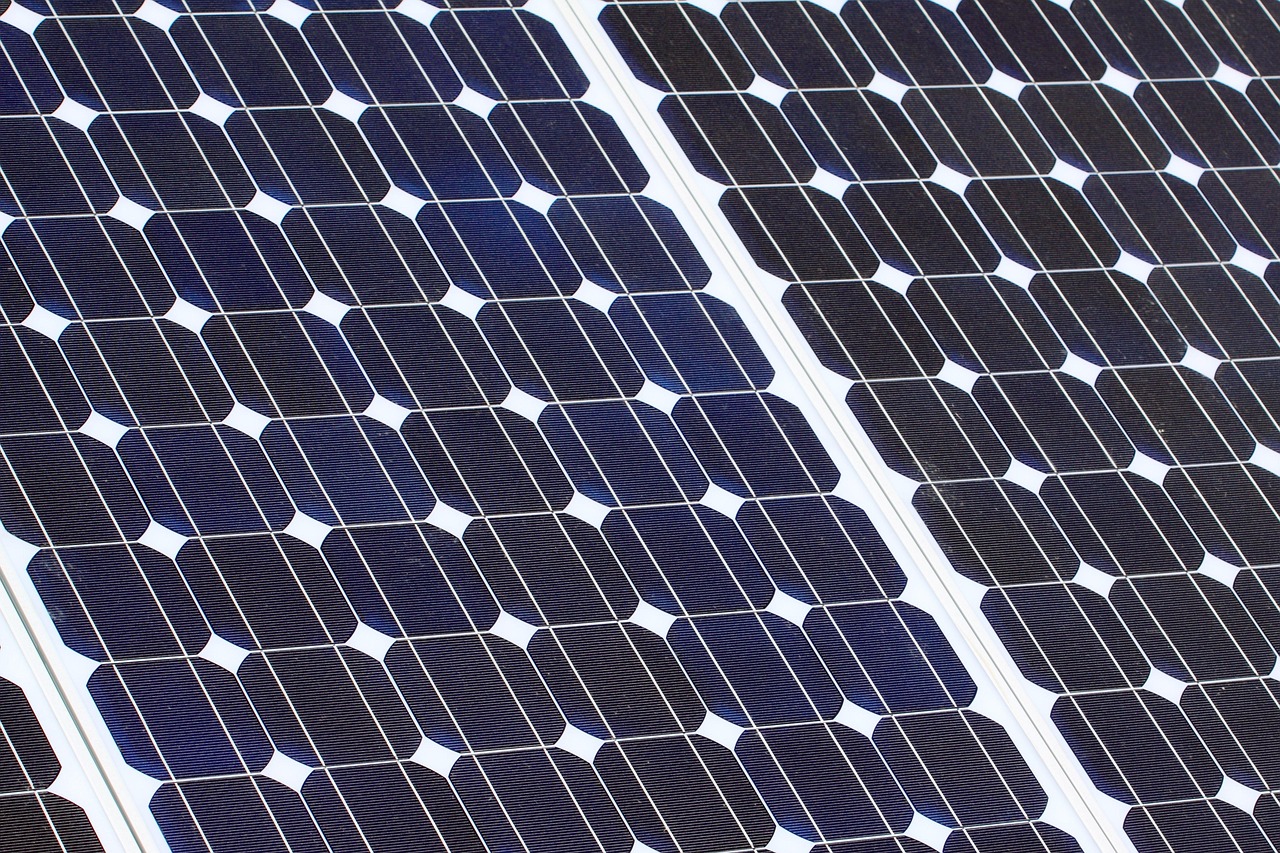
Solar photovoltaic systems generate electricity without burning fuel during operation. That is the main reason solar is classed as clean energy. A solar plant does not need coal, gas or oil combustion to produce each kilowatt-hour, so it avoids the direct air pollutants and operating carbon dioxide emissions associated with fossil-fuel power plants.
That does not mean solar has no environmental footprint. Panels, inverters, mounting structures, cables, transformers and batteries require raw materials, manufacturing, shipping, land or rooftops, and eventual end-of-life management. The cleaner comparison is therefore made on a life-cycle basis, not only at the point of generation. National laboratory and international assessment work has consistently found that solar PV life-cycle greenhouse gas emissions are far below unabated coal and gas generation, even when manufacturing and decommissioning are included.
In practical terms, solar is clean because most of its environmental burden occurs during manufacturing and construction, while fossil generation continues to consume fuel and emit pollutants every hour it operates. That difference becomes more important as grids electrify transportation, heating, cooling and industry.
The latest deployment signals are still strong
The strongest evidence for solar’s role is deployment. IRENA’s Renewable Capacity Statistics 2025 reported that global renewable power capacity reached 4,448 GW at the end of 2024, with solar accounting for the largest share of renewable capacity. The same reporting showed that solar and wind together made up almost all net renewable capacity additions in 2024, with solar alone adding roughly 452 GW.
Generation data tells a similar story. Ember’s Global Electricity Review 2025 found that clean power surpassed 40% of global electricity generation in 2024, helped by record renewable growth. Solar was reported as the fastest-growing power source for the 20th consecutive year and supplied more than 2,000 TWh of electricity in 2024. The IEA’s Global Energy Review 2025 also stated that clean energy accounted for more than 80% of total growth in global electricity generation in 2024.
The 2025 power-sector picture continued to show solar and wind becoming more visible in electricity supply. The IEA’s Global Energy Review 2026 reported that global electricity generation increased by more than 850 TWh in 2025, with renewables accounting for the vast majority of growth, while wind and solar together reached 17% of global electricity generation. These figures are annual reporting snapshots, not real-time readings, but they show the direction of travel.
| Recent public source | Period covered | What it adds to the solar picture |
|---|---|---|
| IRENA Renewable Capacity Statistics 2025 | Capacity through 2024 | Shows solar as the largest renewable capacity segment and a major driver of annual additions. |
| Ember Global Electricity Review 2025 | Generation through 2024 | Shows solar’s fast generation growth and its contribution to the global clean electricity share. |
| IEA Global Energy Review 2025 and 2026 | Energy and electricity trends through 2024 and 2025 | Places solar within wider electricity demand growth, renewables growth and clean energy expansion. |
| U.S. EIA short-term reporting | U.S. outlook for 2026 and 2027 | Highlights utility-scale solar as a fast-growing U.S. generation source in the near-term forecast. |
Why solar economics changed the clean energy debate
The solar discussion used to focus heavily on subsidies and technical potential. Today, it is increasingly about delivered value. IRENA’s Renewable Power Generation Costs in 2024 reported a global weighted-average levelized cost of electricity of about USD 0.043 per kWh for newly commissioned utility-scale solar PV. It also reported that 91% of newly commissioned utility-scale renewable capacity delivered power below the cost of the cheapest newly installed fossil-fuel alternative on a levelized basis.
Those numbers do not mean every solar project is cheap, or that solar is automatically the lowest-cost option everywhere. Financing costs, grid connection fees, land costs, labor, taxes, permitting timelines, module quality and local sunlight all matter. A project in a high-interest-rate market with a weak grid can be far more expensive than a similar project in a mature market with streamlined interconnection and competitive procurement.
Still, solar’s cost profile changes the power planning conversation. Once built, a solar plant has no fuel price exposure. That can reduce the risk created by volatile coal and gas markets. For utilities, corporations and governments, solar can serve as a hedge against fuel-price spikes, especially when paired with storage, demand response or flexible generation.
Where solar creates the most value
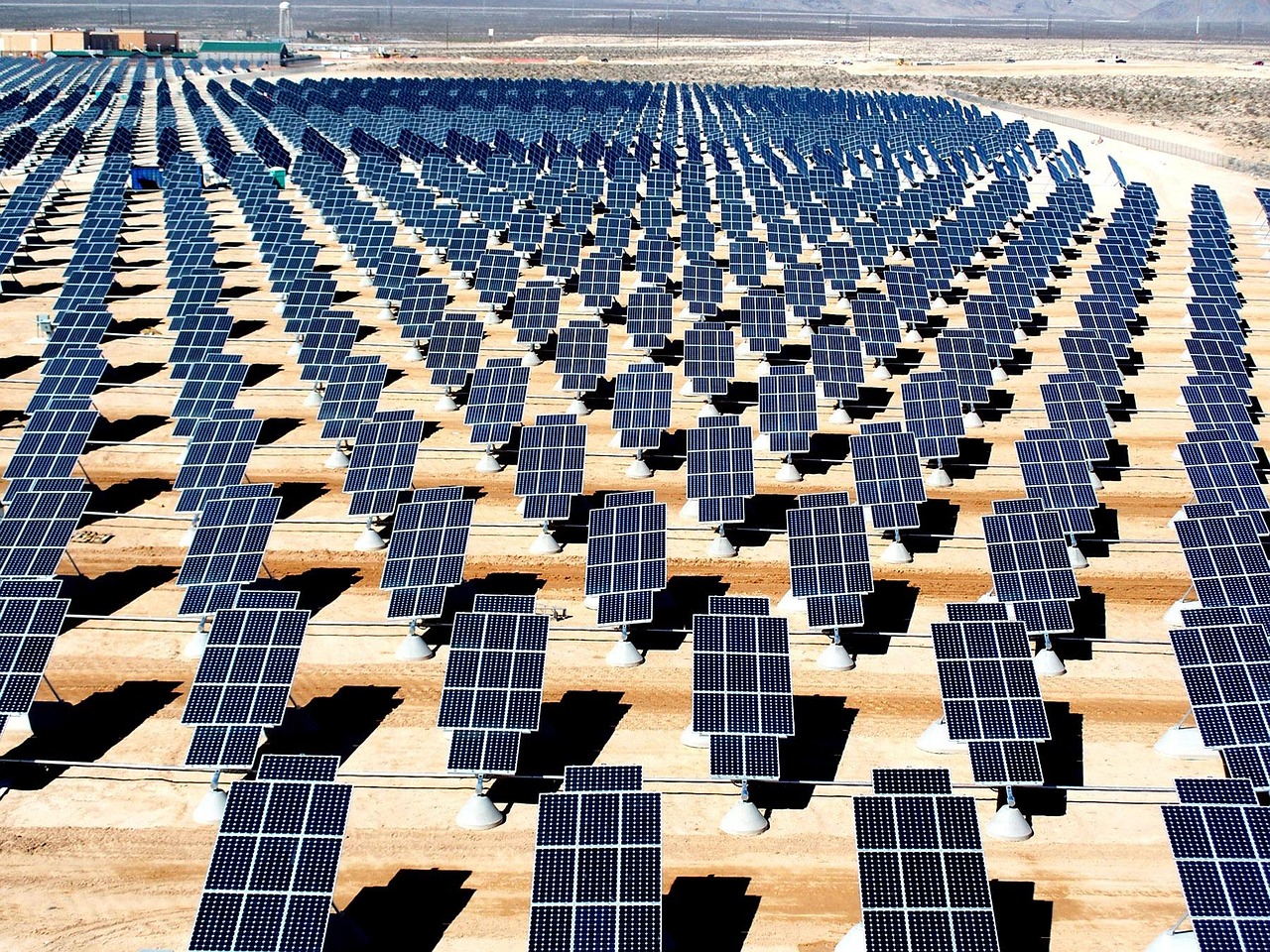
Solar’s value is highest where its output matches demand, offsets expensive fuel, avoids transmission losses, or supports local resilience. Rooftop solar can reduce daytime consumption from the grid. Utility-scale solar can add large volumes of low-operating-cost electricity. Solar-plus-storage can shift part of that energy into evening peak periods, although storage adds cost and must be sized for the specific use case.
In hot regions, solar can align well with air-conditioning demand. In agricultural or industrial areas, daytime solar can support pumping, cold storage, processing loads and electrified equipment. In remote grids and islands, solar can reduce diesel use when paired with batteries and controls. In large interconnected markets, solar can help diversify supply and reduce daytime wholesale prices.
The United States illustrates the trend. U.S. Energy Information Administration reporting published in 2026 expected utility-scale solar generation to be the fastest-growing U.S. electricity source in its short-term forecast, rising from 290 billion kWh in 2025 to 424 billion kWh by 2027. The same forecast pointed to nearly 70 GW of new solar generating capacity scheduled for 2026 and 2027. Forecasts can change, but the direction shows how solar is being used to meet new load growth.
For broader coverage of renewable power, grid trends and policy developments, visit our clean energy section.
The grid limits that solar cannot solve alone
The main limitation of solar is not that it is unproven. The limitation is timing. Solar output is strongest during daylight hours and varies with cloud cover, season and location. When solar penetration rises, the power system needs more flexibility to balance supply and demand. That flexibility can come from batteries, pumped hydro, interregional transmission, flexible demand, hydropower, geothermal, nuclear, gas plants operating fewer hours, or other dispatchable resources, depending on the market. See also: EVs.
Grid connection is another constraint. The IEA has repeatedly highlighted grid investment and connection delays as barriers to renewable deployment. A solar project with a low generation cost on paper can still be delayed for years if transmission capacity, transformer supply, permitting or interconnection studies are bottlenecked. In some regions, solar output is curtailed because there is more generation than the local grid can use or move at certain hours.
Land and community acceptance also matter. Utility-scale solar needs suitable sites, access roads, transmission proximity and local approval. Better project design can reduce conflict by prioritizing disturbed land, rooftops, parking canopies, reservoirs, brownfields, agrivoltaics or dual-use approaches where they are technically and economically suitable. However, not every location is appropriate, and developers should not treat land availability as a minor detail.
Finally, clean energy requires responsible supply chains. Solar manufacturing depends on materials, energy inputs and global trade. Recycling and reuse will become more important as early generations of modules retire. Research from U.S. national laboratories and energy agencies has warned that end-of-life management needs stronger planning because large volumes of solar modules will eventually require repair, reuse, recycling or disposal.
How to read solar claims more carefully
Solar is often discussed in simplified terms. Some claims overstate what solar can do alone, while others ignore how quickly the technology has scaled. A practical reading starts with five questions.
- Is the claim about capacity or generation? Capacity measures maximum output under specified conditions. Generation measures electricity actually produced over time.
- Is the cost figure local or global? Global averages can hide wide differences in financing, labor, permitting and grid costs.
- Does the cost include storage or grid upgrades? A solar-only project and a solar-plus-storage project serve different grid needs.
- What year does the data cover? Solar capacity, generation and costs change quickly, so a 2020 figure may be misleading in a 2026 discussion.
- What problem is solar being asked to solve? Reducing daytime fossil generation, meeting evening peak demand and providing multi-day reliability are different tasks.
The balanced conclusion is that solar is one of the strongest tools for clean electricity growth, but not a complete power system by itself. Its impact rises when policy, markets and infrastructure reward clean generation, flexibility and reliability together.
Frequently asked questions
Is solar energy really clean?
Yes, solar PV is considered clean energy because it produces electricity without fuel combustion during operation and has much lower life-cycle greenhouse gas emissions than unabated coal or gas power. It still has manufacturing, land-use and end-of-life impacts that should be managed.
Why is solar growing so quickly?
Solar is growing because module costs have fallen sharply over the past decade, projects can often be built faster than large thermal plants, and many countries need new power capacity for electrification and demand growth. Policy support and corporate clean power procurement also contribute.
Can solar power run the grid by itself?
Solar can supply a large share of electricity, but a reliable grid also needs flexibility. Batteries, transmission, demand response, diversified renewables and dispatchable low-carbon or lower-emission resources may be needed depending on local conditions.
What is the biggest challenge for solar clean energy?
The biggest near-term challenges are grid connection, storage economics, curtailment, permitting and matching solar output with demand. As deployment grows, recycling and supply-chain transparency will also become more important.
Is solar still useful in cloudy regions?
Yes, but output is lower than in sunnier regions and economics depend on local electricity prices, incentives, system cost and grid value. Cloudy regions can still benefit from rooftop solar, utility-scale projects or solar paired with other clean energy sources.
The bottom line for clean energy planning
Solar clean energy is no longer only a future promise. It is already shaping investment decisions, electricity markets and decarbonization strategies. Recent evidence shows rapid growth in both capacity and generation, improving cost competitiveness and rising importance in national power forecasts.
The next phase is more complex. Adding panels is only part of the task. The real test is whether power systems can connect solar quickly, store or shift enough energy, build transmission, protect communities, manage supply chains and maintain reliability. Solar’s clean energy value is highest when it is planned as part of a flexible grid, not treated as a standalone answer to every electricity challenge.