
Why Are Solar Technologies Moving So Fast?
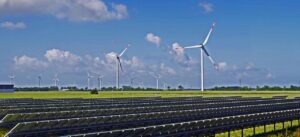
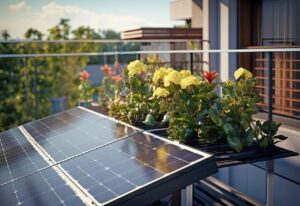
Solar technologies no longer mean one standard panel on a roof. If you are working on a factory rooftop, warehouse, farm, hotel, or ground-mounted power plant, the choice now may include TOPCon modules, bifacial glass-glass panels, hybrid inverters, batteries, trackers, floating systems, and software that watches every string. For a deeper look at the solar category, you can visit solar technologies. The speed is not just market talk. The International Energy Agency reported in its Global Energy Review 2026 that global renewable capacity additions reached 800 GW in 2025, with solar PV making up more than three quarters of new renewable capacity. Solar PV additions also passed 600 GW for the first time, bringing cumulative solar PV capacity to about 2,800 GW. (iea.org)
Demand Growth Is Now Visible in Real Projects
More buyers now look at solar because power demand is rising in normal work sites: cold storage warehouses, EV charging yards, textile factories, schools, and logistics parks. Ember’s Global Electricity Review 2025 reported that solar generated 6.9% of global electricity in 2024 after adding 474 TWh of generation during the year. That figure is still below coal or gas, but it is now big enough to affect grid planning, daytime pricing, and corporate energy buying. For a project owner, the point is plain: solar is no longer only a photo on a sustainability page. It can sit as a real item in the energy budget.
Lower Module Prices Changed Buyer Behavior
When modules were costly, many projects tried to pull every watt from a small roof. Today, the discussion is wider. Fraunhofer ISE’s Photovoltaics Report, updated on July 14, 2026, notes that commercial silicon module efficiency has risen from about 17% to nearly 25% in roughly ten years, while PV module prices have fallen by about 26.7% for each doubling of cumulative production. (ise.fraunhofer.de) Lower module cost does not mean the design can be loose. It makes design work more important, because cabling, mounting, labor, permitting, and grid work now take a bigger share of total project cost.
Grid Rules Push Smarter System Design
A solar array only has value when the site can use or export the power in a safe way. Many markets now ask for better inverter response, export limits, reactive power support, or remote shutdown. These details may sound dry on paper, but they matter when a factory line, HVAC load, and PV peak meet on a hot Tuesday afternoon. Good solar technologies help the plant ride through that point without nuisance trips or lost generation.
- Use detailed load data before choosing system size.
- Check local grid codes before buying inverters.
- Plan battery space early, even if storage comes later.
Which PV Cell Technologies Should You Compare?
The PV cell is where sunlight becomes electricity, so buyers pay close attention to it. Still, the “best” cell on a datasheet is not always the best choice for a project. You need to compare efficiency, temperature behavior, degradation, bankability, supply volume, warranty terms, and how the module fits the site. A high-efficiency panel that arrives late or has no local service can turn into a procurement problem.
TOPCon as the Mainstream High-Efficiency Choice
N-type TOPCon has become a common choice for commercial and utility projects because it gives higher efficiency than older PERC designs and can be made on large production lines. Fraunhofer ISE describes the global PV market as dominated by crystalline silicon, with n-type TOPCon playing a leading role in current technology shifts. (ise.fraunhofer.de) For a buyer, TOPCon often gives a workable middle option: good output, broad supplier choice, and installation methods that crews already know.
HJT for Heat and Low-Degradation Needs
Heterojunction, often called HJT, can suit hot roofs, coastal sites, or projects where long-term yield is more important than the lowest first price. HJT modules usually come with good temperature coefficients and low degradation claims. The issue is supply depth and cost. If your project is in a hot industrial zone with limited roof area, HJT is worth checking in detail. If the site has enough land and a tight budget, TOPCon may still be easier to approve.
Perovskite Tandem Cells as a Watchlist Technology
Perovskite tandem cells draw attention because they stack materials and capture more parts of the solar spectrum. The U.S. Department of Energy reported records of 26.1% for single-junction perovskite devices and 33.9% for perovskite-silicon tandem devices as of April 21, 2024. The same source also notes that large-scale manufacturing and durability are still active challenges. (energy.gov) So it makes sense to keep watching perovskite, but for most commercial projects in 2026, proven silicon modules still carry lower buying risk.
How Do Module and Mounting Choices Affect Output?
A module rating on a datasheet is measured under standard test conditions. Real sites are less tidy. Dust, roof angle, shade, wind, snow, heat, ground color, and maintenance access can all change the result. That is why module format and mounting choice can matter as much as cell efficiency.
Bifacial Modules Need the Right Ground Surface
Bifacial modules collect light from the front and reflected light from the rear. They can perform well on white roofs, light gravel, desert ground, or raised structures. On a dark asphalt roof with low mounting height, rear-side gain may be limited. Ask for a yield model that includes albedo, row spacing, tilt, and cleaning practice. A simple “bifacial gives 10% more” claim is too clean for real sites.
Trackers Fit Large Open Sites
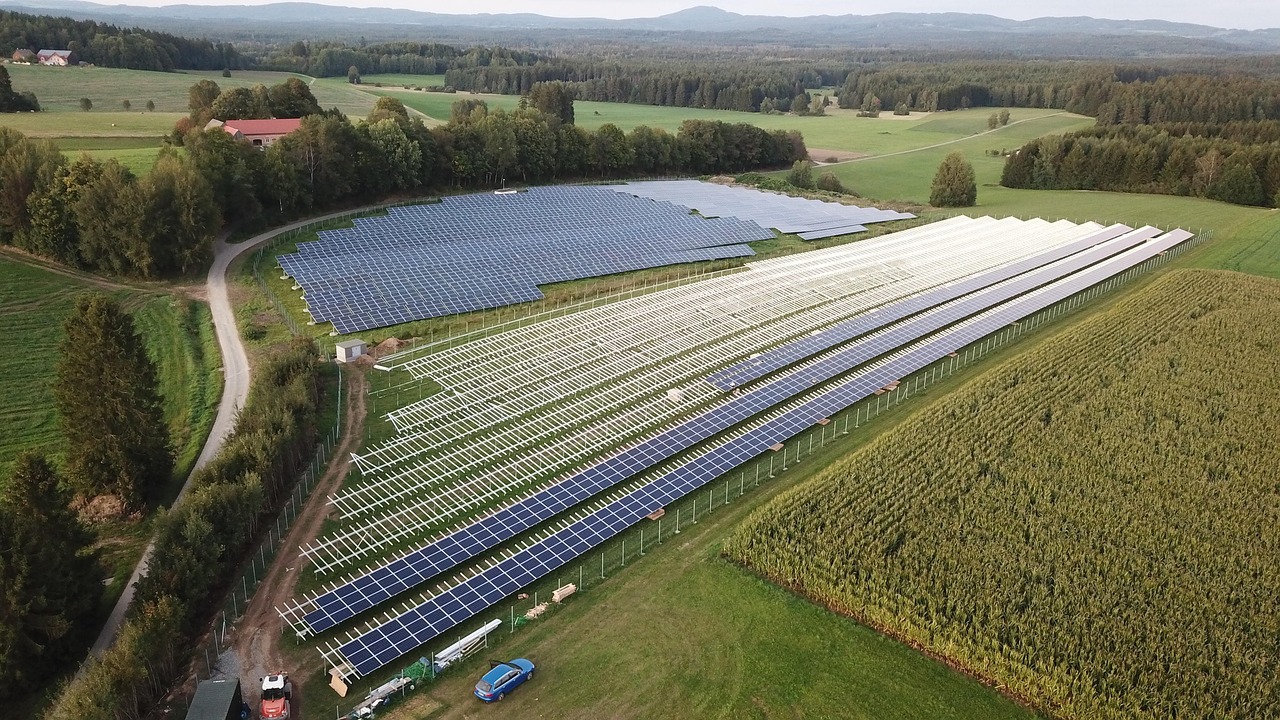
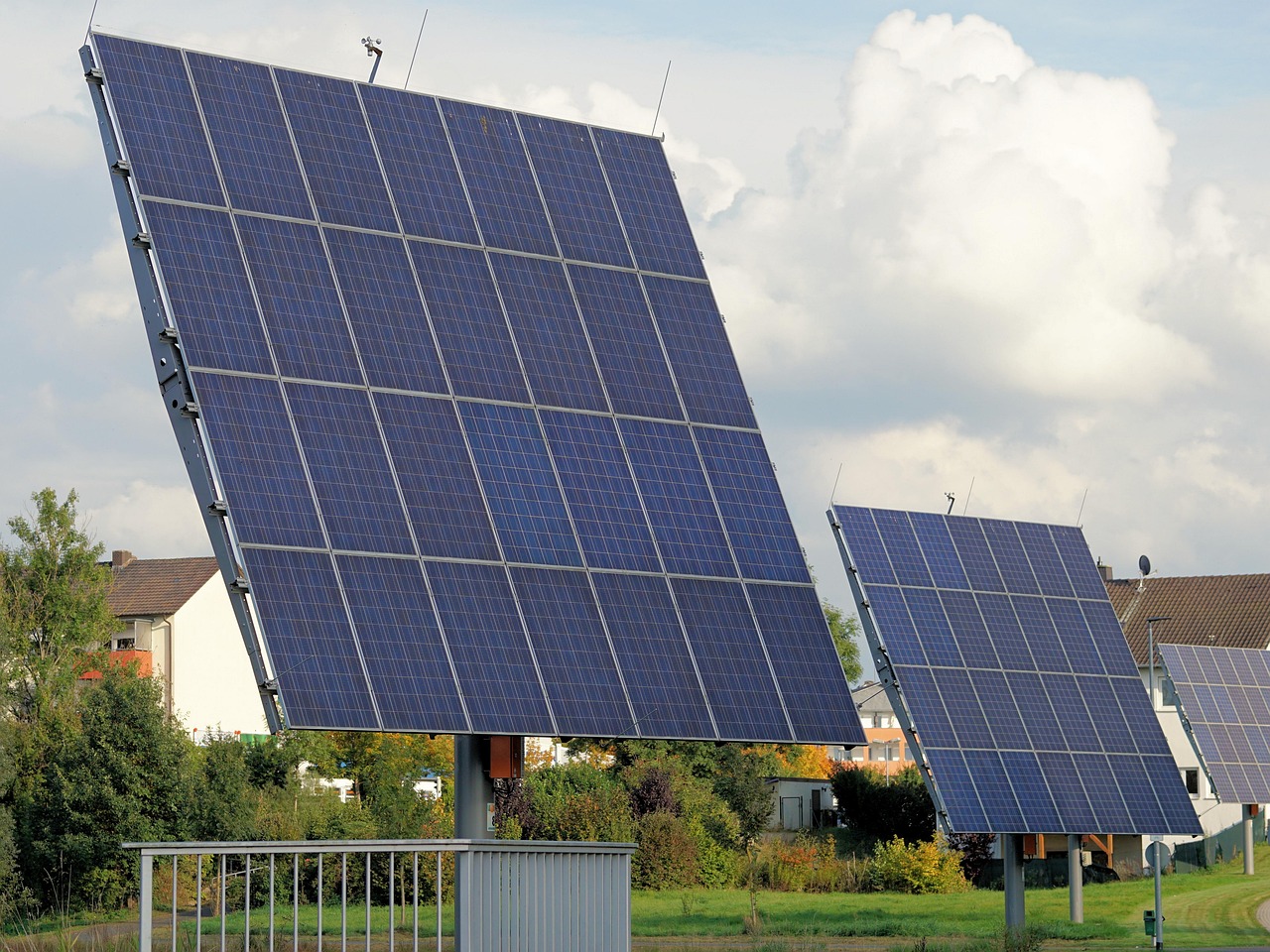
Single-axis trackers follow the sun during the day and can lift energy yield on large ground-mounted projects. They are common where land is open, terrain is manageable, and maintenance teams can reach motors and bearings. For a small factory yard, a fixed-tilt system may cost less and need less attention. For a 50 MW plant with strong afternoon power prices, trackers can change the project return.
Floating and Agri-PV Solve Land Pressure
Floating PV places modules on reservoirs, ponds, or industrial water bodies. Agri-PV shares land with crops or grazing. Neither option is a simple plug-in choice. Floating PV needs anchoring, corrosion control, and safe electrical work near water. Agri-PV needs crop-specific spacing and enough height for farm work. When land is hard to secure, these systems can move a blocked project back into the possible column.
What Balance-of-System Technologies Matter Most?
Panels get most of the attention, but the balance of system decides how the plant runs day after day. Inverters, protection devices, cable routes, combiner boxes, racking, monitoring, and batteries affect safety, uptime, and service cost. A project with good modules and weak system design can still miss its target.
Inverters Shape Safety and Grid Behavior
String inverters fit many commercial rooftops because they are modular, serviceable, and easy to place near arrays. Central inverters can suit large ground plants where the layout is simple and service teams are trained. Hybrid inverters add battery connection options, which can help if storage is planned now or later. Do not look only at rated efficiency. Check surge protection, arc-fault functions, grid-code certificates, remote controls, spare parts, and local repair support. See also: clean energy.
Batteries Turn Solar into Schedulable Power
Storage can move midday solar into evening use, reduce peak demand charges, and support backup loads. Lazard’s Levelized Cost of Energy Analysis Version 17.0, published in June 2024, estimated utility-scale solar PV at about $29 to $92 per MWh under its assumptions, while utility-scale solar plus storage was shown at a higher range of about $60 to $210 per MWh. (lazard.com) This does not mean every project needs batteries. It means storage should be checked against the tariff, load curve, outage cost, and export rules before money is spent.
Digital Monitoring Finds Small Losses Early
Monitoring is not a showy part of the system, but it protects revenue. A dirty string, loose connector, failed fan, or shade from a new rooftop pipe can cut output without anyone noticing on site. Good monitoring shows string-level or inverter-level data, alerts the service team, and keeps records for warranty claims. For companies with many sites, one dashboard can also compare plants across regions. That helps when one warehouse runs 8% below a similar site and the reason is not clear from the monthly bill.
How Should You Select Solar Technologies for Your Project?
The selection process should start with the site, not the sales brochure. Before choosing a module brand or inverter type, collect 12 months of electricity bills, interval load data if available, roof drawings, land limits, grid connection notes, and future load plans. A plant built only for today’s bill may feel too small after EV chargers, heat pumps, or a new production line are added.
Start with Site Limits and Load Profile
For rooftops, check structure, waterproofing, fire lanes, wind zones, tilt limits, and shade. For ground projects, check soil, slope, flood risk, access roads, and cable distance to the interconnection point. After that, match generation to demand. A cold storage site may use power all day. A school may have lower summer use unless cooling loads are high. A factory with weekend shutdowns may need export rights or storage.
Compare Cost per Delivered Kilowatt-Hour
Do not compare solar technologies only by panel wattage or module price. Compare the cost of delivered energy over the project life. A slightly higher module price may make sense if the system produces more power on the same roof, lowers mounting labor, or reduces degradation. On the other hand, a premium product may not pay back on a large land site with low installation cost. The calculation should include energy yield, curtailment risk, maintenance, finance cost, taxes, and replacement parts.
Check Bankability, Warranty, and Service Access
A 25-year warranty is only useful if the company behind it can support the claim. Review manufacturer track record, insurance support, certification, bill of materials control, and local service access. Ask who responds if an inverter fails in year seven. Ask how fast replacement parts can reach the site. This is basic procurement work, but it often separates a smooth solar plant from a troublesome one.
FAQ
Q1: Which Solar Technologies Should a Factory Compare First? A: Start with high-efficiency crystalline silicon modules, string or hybrid inverters, monitoring software, and battery options. These choices affect yield, safety, and daily energy cost.
Q2: Are Perovskite Solar Panels Ready for Commercial Projects? A: Perovskite tandem cells show strong lab results, but large-scale durability and manufacturing are still being developed. For most 2026 projects, proven silicon modules are safer.
Q3: Do Bifacial Modules Always Produce More Energy? A: No. They need reflected light from the ground or roof. White surfaces, higher mounting, and good spacing help. Dark roofs and tight layouts reduce the gain.
Q4: When Should You Add Battery Storage to Solar? A: Add storage when tariffs, peak demand charges, outage risk, or export limits make stored solar valuable. The decision should follow load data, not a simple trend.
Q5: What Is the Biggest Mistake in Choosing Solar Technologies? A: The biggest mistake is buying by module price alone. A strong project compares lifetime energy output, grid rules, service access, warranty strength, and future site demand.