
Is a House Wind Turbine Right for Your Site?
A house wind turbine can be a good home energy option, but it is not something you just set beside the garage and forget. It needs steady wind, enough tower height, clear space, and permission to connect in the right way. If you are comparing residential wind with other clean power options, the broader wind energy category is a useful place to start. The main question is still simple: does your property give the turbine enough clean moving air to make the work and cost worth it?
Annual Wind Speed at Hub Height
The U.S. Department of Energy WINDExchange consumer guide gives about 9 mph, or 4 meters per second, annual average wind speed at hub height as a common minimum for a small wind site. Hub height means the center of the rotor, not the wind you feel at face level on the porch. This point is easy to miss, but it changes the result. A light breeze near the house may feel fine on a summer evening, yet it can still be too weak for real energy production.
Clear Space Above Obstacles
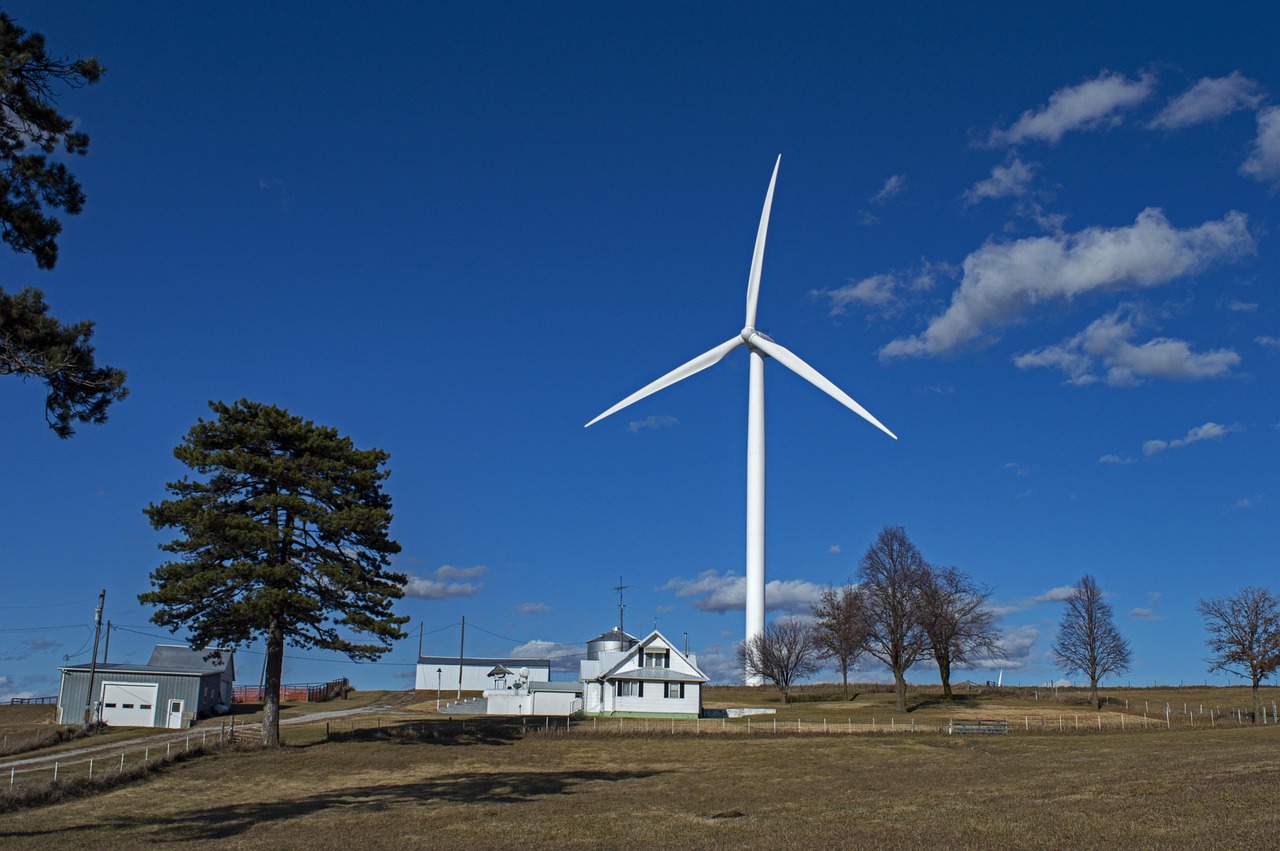
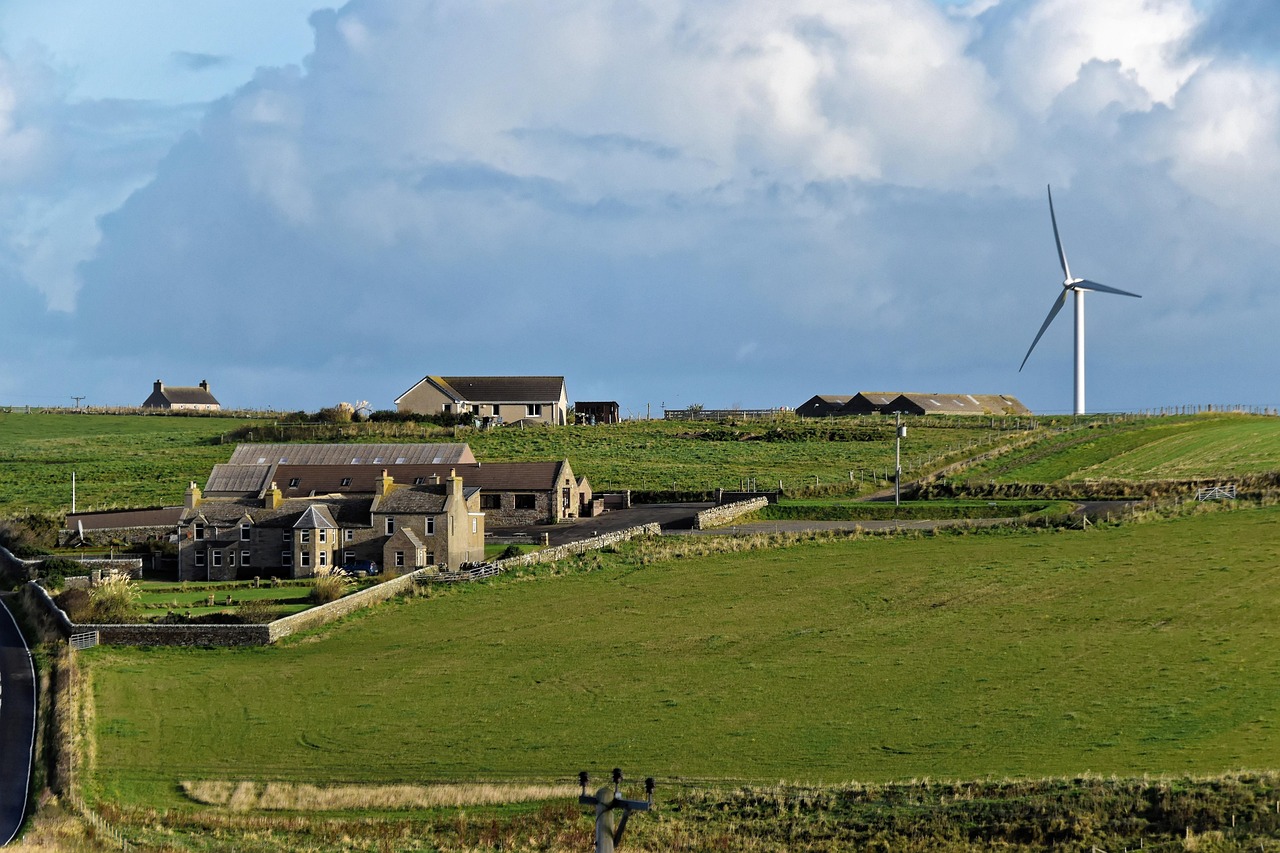
Trees, barns, rooflines, and small hills break up the wind and make it rough. The DOE Small Wind Guidebook gives a working rule: keep the bottom of the rotor blades at least 30 feet above any obstacle within 300 feet. A windy ridge behind a barn can perform better than a tidy suburban roof, even if the roof looks easier in photos. In most cases, smoother wind is worth more than saving a little distance on the cable run.
Local Rules and Setbacks
Before picking a model, check zoning, height limits, setbacks, noise rules, and utility interconnection. Some towns handle a tower like an accessory structure, while others ask for engineering drawings, neighbor notices, or planning board review. A rural lot with one or two acres can still fail the review if the tower cannot meet setback rules from property lines, roads, or overhead wires. It is better to find that out before paying for equipment.
How Much Power Can a House Wind Turbine Produce?
Power output depends on wind speed, rotor size, tower height, and the turbine power curve. The nameplate number in a brochure is only one part of the picture. A 5 kW turbine does not make 5 kW all day. It only reaches that level under certain wind conditions, often at a rated wind speed much higher than the average at a home site.
Rated Power Is Not Daily Power
For bill savings, annual energy output matters more than rated power. If a turbine averaged 1 kW over a 30-day month, it would make about 720 kWh. That is simple math, not a guarantee from the machine. For a real reference point, the U.S. Energy Information Administration reported that average U.S. residential customers used about 865 kWh per month in 2024. So a small gap between expected wind and real wind can change the payback very quickly.
Rotor Diameter Drives Energy Capture
Rotor size matters because the blades sweep the wind. A larger rotor catches more moving air, and DOE wind education materials explain that available wind power rises roughly with the cube of wind speed. In plain language, a small increase in wind speed can bring a much bigger increase in usable energy. This is why a taller tower often makes more sense than a cheaper short tower.
Seasonal Output Shapes Savings
Many good wind sites make more power in winter and shoulder seasons, while solar often produces strongest output in summer. That pattern can suit homes with winter loads, workshops, water pumping, or battery charging. Even so, you should compare expected monthly production with your own bills. One yearly total can hide the real pattern; January and August may look like they came from two different systems.
What Size and Budget Should You Plan?
Residential wind sizing starts with your load, your wind resource, and your target. Are you looking for backup charging, partial bill reduction, or a system that offsets most annual use? Be honest about that from the start. A turbine that is too small will disappoint you, while a turbine that is too large can cost more, need harder permits, and send extra energy into a grid program that may pay less than retail.
Small Systems for Partial Loads
Small units in the 1 kW to 3 kW range can serve cabins, telecom equipment, pumps, barns, or part of home electricity use. They are usually not a full-house answer unless the home is very efficient and the wind resource is strong. For off-grid sites, small wind often works best with solar and batteries. In some regions, cloudy weather also comes with wind, so the two sources can cover each other better.
5 kW to 10 kW for Larger Homes
The DOE notes that distributed wind can include a 5 kW turbine at a home, while small wind technology below 100 kW is common for homes, farms, and smaller facilities. For a larger home with open land, a 5 kW to 10 kW system may be worth modeling. The right size still comes from a site estimate, not from the square footage of the house alone. Load profile, tower height, and local wind data all have to be checked together.
Installed Cost and Current Incentives
The DOE Consumer Guide to Small Wind has used a broad installed cost range of about $5,000 to $10,000 per kW for small wind systems. That range covers many site differences, including tower type, foundation, trenching, inverter, controls, permits, and labor. Tax treatment has also changed. The IRS Residential Clean Energy Credit page updated July 4, 2026 says the 30% credit applied to qualified home clean energy property installed from 2022 through December 31, 2025, and is not available for property placed in service after that date. Check local incentives and tax rules again before you sign, because this part can change the final budget.
Which Type Works Better, Horizontal or Vertical?
Most buyers compare horizontal-axis turbines, vertical-axis turbines, and compact rooftop models. The better choice is not usually about the look of the unit. It comes down to certified performance, wind quality, tower height, and service access. A plain machine with public test data is often a safer buy than a good-looking unit with a high peak watt number and no annual energy proof.
Horizontal-Axis Turbines for Most Homes
Horizontal-axis turbines are the common three-blade or two-blade machines that face the wind. For many residential sites, they are still the practical choice because there is more field history, more certification data, and more installer experience. Ask for a certified power curve, survival wind rating, sound data, and a maintenance manual you can actually understand. If those documents are missing, slow down before you place the order. See also: clean energy.
Vertical-Axis Turbines for Niche Sites
Vertical-axis turbines can take wind from changing directions and may look less industrial. They can fit niche jobs, especially low-power equipment or sites where appearance matters. The tradeoff is that many small vertical units have limited verified annual energy data. If the seller cannot show third-party testing, treat the output claim as a sales claim, not as a number you can use for payback.
Rooftop Turbines Need a Hard Look
Rooftops are tempting because the structure is already there. The problem is turbulence around the roof edge and nearby buildings. The DOE FAQ on small distributed wind warns that rooftop-mounted wind turbines usually produce less power and are often less cost-effective than tower-mounted systems connected to the ground. Roof vibration, noise, access, and waterproofing also make the job harder. In some cases, the tower you almost removed from the plan is the part that makes the system work.
How Should You Install and Maintain It?
A home wind project works best when it is treated like a small power plant, not like a backyard accessory. The work is not complicated on paper, but each step matters: wind review, permit review, electrical design, foundation work, commissioning, and scheduled maintenance. A careful start can prevent service calls that cost time and money later.
Site Assessment Before Purchase
Start with wind maps, local airport data, nearby weather stations, and input from farmers or tower owners in the area. Then ask a qualified installer to visit the site and look at the real ground conditions. For bigger investments, temporary measurement at or near hub height is worth considering. The Pacific Northwest National Laboratory Distributed Wind Market Report 2024 discusses distributed wind as generation placed near where power is used, which is exactly why site quality matters so much at the property level.
Grid Connection and Battery Planning
Grid-tied systems need utility approval, proper disconnects, inverters, meters, and compliance with local electrical codes. Off-grid systems need batteries, charge controllers, dump loads, and backup planning for calm weather. A simple planning list helps keep the discussion with installers and utilities on track:
- Collect 12 months of electricity bills and note seasonal loads.
- Check zoning, setbacks, tower height limits, and utility interconnection rules.
- Ask for annual energy estimates based on your hub height and wind class.
- Choose certified equipment when available, not just the lowest upfront price.
Annual Checks and Storm Readiness
Small wind turbines sit outside in weather every day, so maintenance is part of ownership. Plan for bolt checks, guy-wire tension checks, blade inspection, electrical inspection, brake testing, and tower access. After major storms, listen for unusual noise and check for vibration or cable wear. A turbine that is easy to lower or service may cost more upfront, but it can save real money over ten or twenty years.
FAQ
Q1: Can a House Wind Turbine Power a Whole Home? A: Yes, but only on a strong wind site with the right tower, turbine size, and energy use. Many homes use wind for partial bill reduction instead of full offset.
Q2: How Much Wind Do You Need for a Home Wind Turbine? A: A common starting point from DOE guidance is about 9 mph, or 4 m/s, annual average wind speed at hub height. Higher, smoother wind is much better.
Q3: Is a Rooftop Wind Turbine a Good Idea? A: Usually not for serious power production. Rooftops often create turbulent wind, and DOE guidance says rooftop turbines are often less cost-effective than tower-mounted systems.
Q4: What Is the Typical Cost of a House Wind Turbine? A: DOE consumer guidance has cited about $5,000 to $10,000 per kW installed, but site work, tower height, permitting, and electrical upgrades can move the final price a lot.
Q5: Should You Choose Wind or Solar for a Home? A: Choose based on your site. Solar often wins in suburbs with limited land. Wind can make sense on open rural land, ridges, farms, islands, and windy off-grid properties.