
Why Should You Consider a Wind Electric Generator Now?
A wind electric generator is not something to buy just because the catalog looks good. It depends on the site. If your area has steady wind, open ground, high power prices, or poor grid access, the system may cover part of your load for a long time. For a wider look at practical turbine options, you can also review related wind energy solutions before comparing models.
Electric Demand Keeps Moving Up
The International Energy Agency reported in its Global Energy Review 2025 that global electricity generation grew by more than 1,200 TWh in 2024. Clean energy covered over 80% of that growth, so the market direction is clear enough for buyers who plan power projects. Demand is still going up, and many sites now want generation closer to the load instead of relying only on the utility line.
Wind Is No Longer a Niche Source
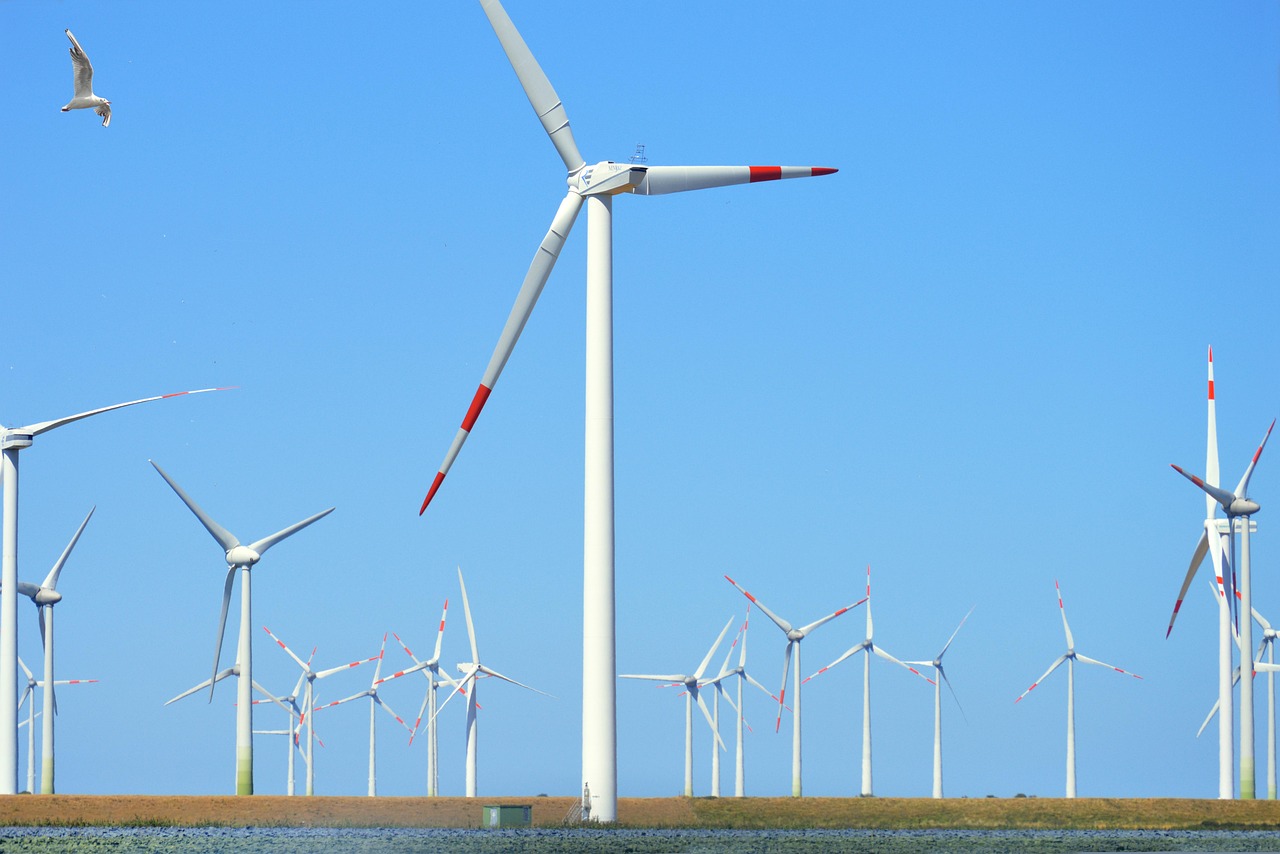
The same IEA report stated that wind supplied about 8% of global electricity in 2024 and added roughly 180 TWh of generation that year. In the United States, the U.S. Energy Information Administration reported that wind supplied about 11% of utility-scale electricity in 2025. These numbers come from real grid operation, not a trial project or a sales claim.
Distributed Wind Has a Working Track Record
The U.S. Department of Energy 2024 Distributed Wind Market Report counted 1,110 MW of cumulative U.S. distributed wind capacity from over 92,000 turbines installed from 2003 through 2023. Small wind also grew in 2023, with 1,994 small turbines installed. Farms, telecom sites, water systems, and remote facilities keep using these systems because they have loads in places where local wind can help.
How Does a Wind Electric Generator Actually Make Electricity?
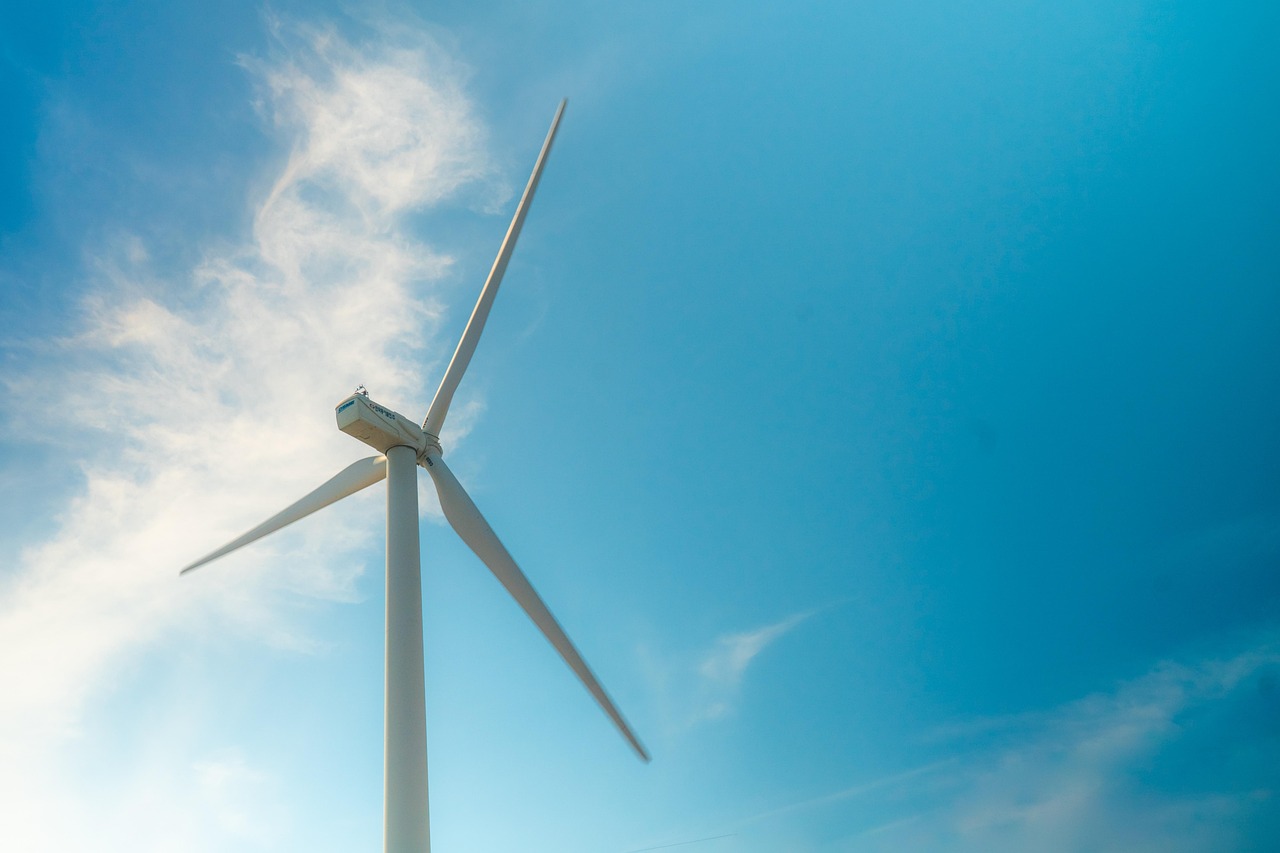
The working process is simple. Moving air turns the blades, the rotor drives a generator, and the electrical parts send power to a load, battery, inverter, or grid connection. The details still matter because a poor match between parts can waste a good wind resource.
Rotor Blades Capture Moving Air
The rotor is the first working part most people notice on a turbine. A larger rotor diameter gives a larger swept area, so it can take in more wind when the site conditions are right. The DOE Small Wind Guidebook notes that rotor diameter is a key driver of output for horizontal-axis turbines, which are still the most common small wind design.
The Generator Turns Rotation into Power
A generator converts mechanical rotation into electricity. In many small systems, the generator may produce variable-voltage or variable-frequency AC before electronics change it into battery charging current or grid-compatible AC. Do not judge a wind electric generator only by peak watts on a brochure, because annual energy output is what affects the power bill.
Controllers Match Power to the Load
A complete system may include a controller, inverter, batteries, dump load, tower wiring, disconnects, grounding, and safety gear. These parts are not the exciting part of the package, but they decide whether the system is easy to live with or always causing trouble. Good equipment keeps voltage, braking, and battery charging inside safe limits.
Is Your Site Windy Enough to Make the Numbers Work?
Wind is local. Two properties a few miles apart can show different results because of terrain, trees, buildings, and tower height. Before buying any turbine, check whether the wind resource can pay back the hardware, tower, installation, and upkeep.
Average Wind Speed Sets the Ceiling
The DOE Small Wind Guidebook says a small wind project is more likely to make sense when average annual wind speed is at least 9 mph, or about 4 m/s. This is not a profit guarantee, and it should not be treated as one. It is a practical starting point before you spend money on a full design or purchase order.
Tower Height Often Beats Turbine Size
Wind speed usually increases with height, and power rises a lot when wind speed rises. DOE guidance says the bottom of the rotor should sit at least 30 feet above any obstacle within 300 feet of the tower. In rough wind, a taller and better-placed tower can do more for output than buying a larger turbine.
Turbulence Can Cut Output Fast
Ground clutter is an easy issue to miss during early planning. The DOE guide notes that turbulence can reduce annual energy output estimates by 15% to 25% for small turbines. Roof mounting may look convenient, but rooftops often have turbulent wind and can send vibration into the building. After a few months, that can become a real complaint for the owner.
What Size Wind Electric Generator Do You Need?
Size should follow your load and your wind, not the other way around. A turbine that is too small will not carry useful demand. A turbine that is too large may need a heavier tower and foundation, and it can still underperform if the local wind is poor.
Annual Energy Output Beats Nameplate Power
DOE guidance is clear that annual energy output, measured in kWh per year, is the better performance measure. Its preliminary formula is AEO = 0.01328 × D² × V³, where D is rotor diameter in feet and V is average wind speed in mph. The V³ part is why a small change in wind speed can change the yearly result by a wide margin.
Small Loads Need a Different Plan
The DOE guide lists small turbines from 20 W to 100 kW. Micro units from 20 W to 500 W can charge batteries for boats, RVs, sensors, or lights. For water pumping, remote gates, or small telecom loads, simple battery charging may be more useful than a full grid-tied setup because the load is limited and often far from the utility line.
Homes and Businesses Need Load Data
For residential use, the DOE guide says turbines can range from 400 W to 100 kW, depending on load. It also gives a typical U.S. home use figure of about 10,649 kWh per year and says a 5 kW to 15 kW turbine may make a significant contribution in a suitable wind area. For business sites, the same rule applies: start with the load record, then match the turbine to the wind and the daily use pattern. See also: clean energy.
What Should You Check Before Buying?
A wind system is a machine working in weather, not just an electrical product in a box. Salt air, dust, icing, lightning, tower access, and spare parts all affect the real cost. Price matters, but a cheap turbine with no service path can become an expensive pole with blades on it.
Certification and Supplier History
Ask for a certified power curve, noise data, survival wind rating, warranty terms, and installed references. For small wind, the DOE guide describes certification as independent review against performance and durability requirements. A supplier should also explain cut-in speed, cut-out speed, braking, and overspeed control in plain language, because these points affect safety and output.
Balance of System Costs
The turbine is only one line item in the budget. You still need to plan for the tower, foundation, crane or gin pole, trenching, cable, inverter, controller, batteries if needed, permits, inspection, and lightning protection. In weak-grid areas, compare this with extension cost. DOE guidance notes that new power lines can cost $15,000 to more than $50,000 per mile, depending on terrain.
Maintenance Access and Safety
Every turbine needs inspection after it starts working on site. Bolts, guy wires, blades, bearings, electrical terminals, and braking systems should be reachable by trained service staff. If a tower can tilt down, maintenance is usually simpler. If it needs a crane every time, add that cost before signing the purchase order.
When Is Wind Better Than Solar or Diesel?
Wind is not always the first choice. Solar is simpler for many rooftops, and diesel still handles backup where loads cannot stop. Wind becomes more useful when night wind, winter wind, open land, and long operating hours match your demand.
Wind Works Well at Night and in Winter
The DOE Small Wind Guidebook notes that wind can be strong in winter when sunlight is lower, and it may also be stronger at night. That makes wind a useful partner for solar PV on many off-grid and weak-grid sites. A cold windy night is not pleasant for staff, but it can help charge batteries when solar output is zero.
Solar Is Simpler on Many Sites
Solar has fewer moving parts and often has easier permitting. If your site has weak wind, many nearby trees, or strict tower limits, solar may be the better first step. A practical buyer compares annual kWh and service cost, not personal preference. The right answer may be ordinary, and that is fine if the energy cost comes down.
Hybrid Systems Reduce Fuel Burn
For off-grid sites, wind plus solar plus batteries can reduce diesel runtime. DOE guidance says hybrid systems often size battery banks for 1 to 3 days of load during non-charging periods. A generator may still stay in the plan, but it runs less often, burns less fuel, and needs fewer service visits.
FAQ
Q1: What Is a Wind Electric Generator? A: It is a turbine system that converts wind energy into electrical power through blades, a rotor, a generator, and power electronics. Depending on design, it can charge batteries, feed local loads, or connect to the grid.
Q2: How Much Wind Do You Need for a Small Turbine? A: DOE guidance uses an average annual wind speed of at least 9 mph, or about 4 m/s, as a practical starting point. A site study at hub height gives a much better answer than a regional map alone.
Q3: Is a Bigger Turbine Always Better? A: No. Bigger machines cost more and need stronger towers and foundations. The better choice is the turbine that matches your annual load, wind speed, local rules, and service plan.
Q4: Can You Put a Wind Generator on a Roof? A: It is possible in some cases, but it is rarely ideal. Rooftops often have turbulent wind, and turbine vibration can move into the structure. A free-standing tower in clean wind is usually better.
Q5: Should You Combine Wind with Solar? A: Often, yes. Wind may produce more at night or in winter, while solar often produces well during clear daytime hours. Together with batteries, the system can give steadier renewable power and reduce diesel backup use.