
Why Do Renewable Energy Sources Matter for Businesses Now?
If you are checking renewable energy sources for a factory, warehouse, farm, office park, or export project, the question is not just whether clean power looks good on paper. The real question is which source fits your load, site, budget, and risk level. This guide sits in the clean energy category because it talks about project choices, not slogans. Public figures from 2025 and 2026 point to fast buildout, lower costs in many markets, and more pressure on buyers to make energy decisions that can stand up in daily operation.
Good renewable planning starts with a plain fact: electricity is used locally, but energy trends move across the world. A solar roof in California, a wind power purchase agreement in Texas, and a hybrid microgrid in Southeast Asia all deal with different rules. Even so, the same checks still matter. You need sound resource data, clear cost modeling, grid access, storage where it pays, and suppliers that can answer the dull questions that usually decide whether a project runs well.
Clean Electricity Demand Is Growing
The International Energy Agency reported in its Global Energy Review 2026 that global electricity demand grew by about 3% in 2025, adding roughly 800 terawatt hours compared with 2024. That is a large amount of new power use. More cooling, data centers, electric vehicles, and industrial electrification all add load. For a business, power planning is now part of normal operations, much like freight, labor, or raw materials.
Power Price Risk Is Now a Boardroom Issue
Natural gas, coal, and grid tariffs can move quickly when fuel markets tighten or policy changes. Renewable energy sources can reduce part of that exposure when the system is sized in a practical way. They do not remove every risk, and buyers should be careful with any sales pitch that says they do. Still, a 15 to 25 year solar asset, a wind PPA, or a mixed system can make part of your electricity cost easier to forecast.
Public Data Shows Fast Deployment
The IEA estimated that global annual renewable capacity additions reached about 800 GW in 2025, up 16% from 2024. Ember’s Global Electricity Review 2026 reported that renewables supplied 33.8% of global electricity in 2025, slightly ahead of coal at 33.0%. In the United States, the U.S. Energy Information Administration listed renewables at 24% of utility scale electricity generation in 2025. Local markets still move at different speeds, but the overall direction is hard to miss.
Which Renewable Energy Sources Should You Compare First?
You do not need to study every technology in the same detail on the first day. Start with the options that have a fair chance of working on your site or through your local grid market. In many commercial projects, that means looking at solar first. Wind comes next if the location or procurement route supports it, while hydropower, bioenergy, or geothermal usually make sense when the site has a specific resource.
Solar Power for Daytime Loads
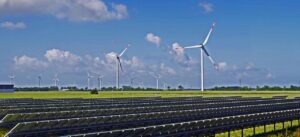
Solar is often the first option because it is modular, easy to price, and faster to build than large power plants. The IEA said solar PV generated more than 8% of global electricity in 2025 and had more than doubled its output since 2022. For a warehouse with daytime HVAC and machinery loads, rooftop solar can cover a useful part of demand. For a cold storage site that runs hard at night, storage or grid backup becomes more important.
Wind Power for Larger Sites and PPAs
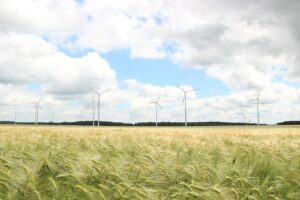
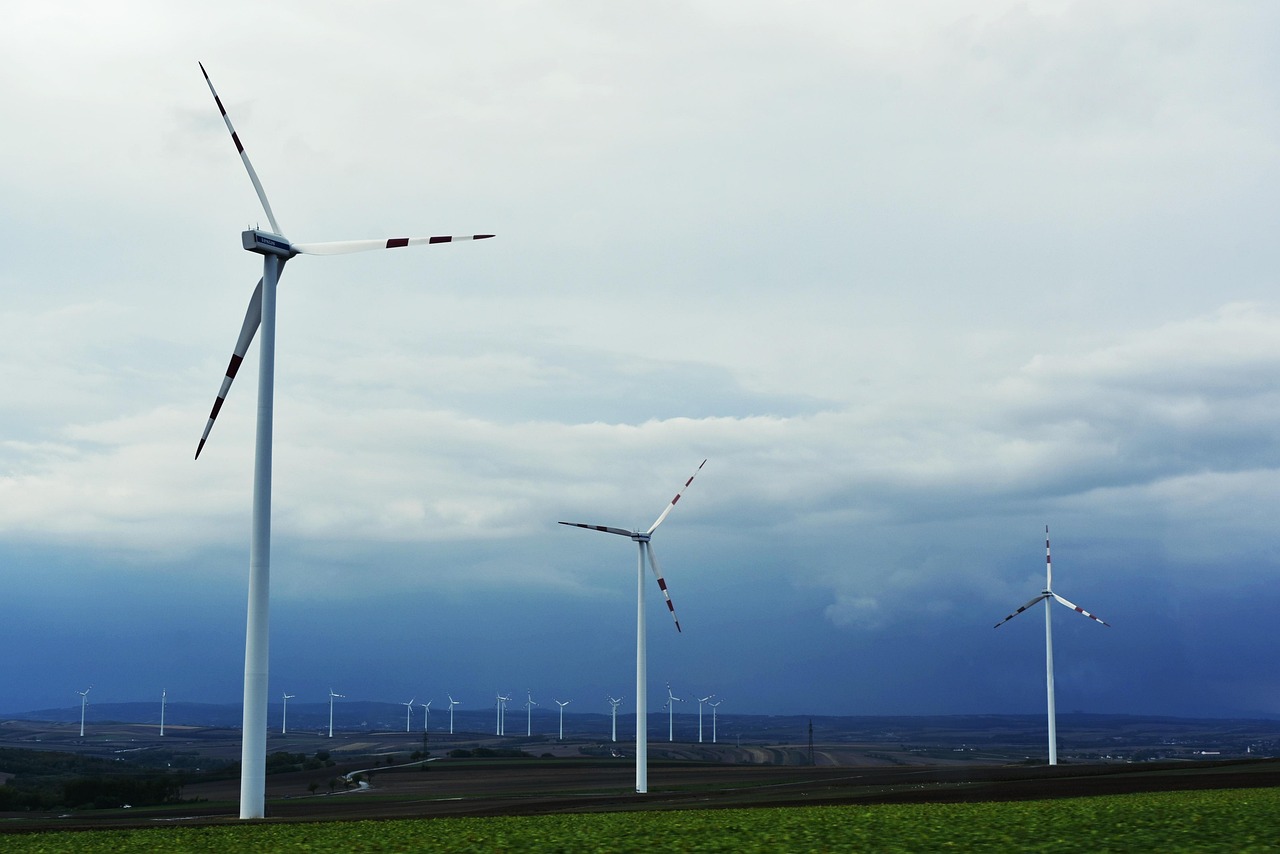
Wind works best where the wind resource is strong and permitting is realistic. It is not common on small commercial roofs, but it can work well through utility scale contracts or industrial parks with available land. The IEA reported that wind and solar together reached 17% of global generation in 2025, up from about 5% a decade earlier. If you buy power through a PPA, wind may help cover evening or seasonal demand that solar cannot meet by itself.
Hydropower Bioenergy and Geothermal as Site Based Options
Hydropower can provide steady renewable electricity, but it depends on water flow and local permits. Bioenergy may fit food processing, agriculture, or timber sites that have real waste streams. Geothermal is useful where heat resources are proven, but it is not a simple plug and play choice in every market. These sources can be very good in the right place. They are just more site specific. A project owner should ask for local studies, not broad claims copied from another region.
How Do Costs Change the Case for Clean Energy?
Cost is usually the point where interest turns into a real project. The lowest headline price is not always the best deal. You need to compare levelized cost, equipment quality, financing, maintenance, grid fees, curtailment risk, and the value of power at the time it is produced. This is not the exciting part of the job, but it is where many projects either work or fail.
Solar and Onshore Wind Have Strong Cost Signals
IRENA’s Renewable Power Generation Costs in 2024, published in 2025, reported global weighted average electricity costs of USD 0.034 per kWh for new utility scale onshore wind, USD 0.043 per kWh for solar PV, and USD 0.057 per kWh for hydropower. IRENA also estimated that renewables helped avoid USD 467 billion in fossil fuel costs in 2024. These numbers do not promise the same price in your local market. They do help explain why buyers keep asking for solar and wind quotes.
Total Project Cost Includes More Than Panels
A solar module price is only one line in the budget. A real bill includes inverters, mounting, cables, switchgear, design, permits, freight, cranes, roof work, grid studies, meters, and maintenance. Battery systems add cells, racks, fire protection, controls, and replacement planning. Cheap equipment can become expensive if it causes downtime. One practical tip is simple: read the exclusions page of every proposal before you compare totals.
Payback Depends on Your Load Shape
No reliable public source can give one payback period for every business. Tariffs, tax rules, sunlight, wind speed, demand charges, and financing vary too much. A site that uses most solar power onsite at high daytime tariffs may see a faster return. A site that exports excess power at a low rate may need batteries or a smaller system. The better question is not the average payback; it is the payback for this meter.
Can Renewable Energy Sources Support Reliable Power?
Reliability is where clean energy talks become more serious. Solar does not run at midnight. Wind can slow down for days. Hydropower can be affected by drought. That does not mean renewable energy sources are weak. It means the system needs the right mix of generation, storage, grid support, and controls. In real projects, design is just as important as the technology name on the proposal.
Storage Turns Daytime Solar into Evening Value
Batteries help move solar output into evening peaks, reduce demand charges, and provide short backup during grid events. The IEA reported that roughly 110 GW of new battery storage capacity was added globally in 2025. That is a clear sign that storage has moved from pilot work into normal project planning. For a factory, even a two hour battery can change how solar value shows up on the bill.
Grid Connection Rules Shape Real Output
A clean solar design is not useful if the grid will not accept export, or if interconnection takes 18 months. Many sites need export limits, relay protection, transformer upgrades, or a revised one line diagram. Ask about curtailment early. It is not a showy topic, but it prevents trouble later. In some projects, the local utility shapes the project more than the weather does. That often surprises first time buyers.
Hybrid Systems Cut More Risk Than One Source
A hybrid system can mix solar, wind, storage, grid power, and sometimes backup generators. This is common for remote mines, islands, farms, and industrial parks with weak grids. The aim is not to use every technology available. The aim is to reduce gaps in supply. Solar may cover low cost daytime energy, wind may add night output, and batteries may handle short peaks. Simple controls are better than fancy dashboards if the site team can actually use them. See also: EVs.
What Should You Check Before Choosing a System?
Before choosing renewable energy sources, slow down and check the physical site. A proposal based only on monthly bills is not enough. You need roof condition, land access, shading, wind data, utility rules, fire code, insurance limits, and future expansion plans. An old electrical drawing with one missing note can hold up a project for weeks, and anyone who has managed site work has seen something like that happen.
Roof Land and Structural Limits
For rooftop solar, check roof age, load capacity, waterproofing, access paths, and fire setbacks. For ground mount systems, check soil, drainage, fencing, and land use rights. Wind needs distance from neighbors, roads, airports, and protected areas. Hydropower needs water rights. These checks are not just engineering details; they decide whether a quote can become a signed contract.
Local Resource Data and Permits
Use local solar irradiation, wind speed, rainfall, or geothermal data instead of national averages. A country may have strong solar potential, while one roof loses output because a taller warehouse next door throws shade across it. Permits also change from city to city. Ask who handles drawings, grid forms, environmental filings, and inspections. If nobody owns that task, the schedule will slip. This is one of the most common project delays in commercial work.
Supplier Records Warranties and After Sales Service
Ask suppliers for project references, product certificates, warranty terms, inverter compatibility, spare parts plans, and monitoring access. A serious supplier can explain module degradation, inverter replacement, battery cycle life, and response times without hiding behind buzzwords. For export buyers, packaging, documentation, and customs experience also matter. A clean energy project still has boxes, ports, trucks, and paperwork. If the supplier cannot manage those basics, the technical offer is not enough.
How Can Buyers Turn Clean Energy Plans into Real Projects?
The best project path is usually plain and staged. Start with data, narrow the options, request comparable offers, test the financial case, and sign only when the technical and commercial details match. Renewable energy sources are easier to buy when you treat them as infrastructure. They are not a quick gadget purchase, and the buying process should reflect that.
Start with Bills and Load Data
Collect at least 12 months of electricity bills, interval meter data if available, roof or land drawings, transformer size, tariff sheets, and planned load changes. If the site will add EV chargers, heat pumps, or new production lines, say so early. A design based on last year’s load can be wrong next year. The supplier needs the real operating picture, not just a monthly total. Useful project data includes:
- Monthly kWh use and peak demand
- Daytime and nighttime load split
- Export rules and grid capacity
- Roof age, land size, and shading notes
- Business goals such as cost savings, carbon reporting, or backup power
Match Technology to Business Goals
If the goal is lower daytime energy cost, solar may lead. If the goal is high renewable coverage over more hours, compare solar plus storage, wind PPAs, or hybrid options. If the goal is waste reduction at a food plant, bioenergy might deserve a look. The best renewable choice is the one that solves your actual problem. It does not need to look impressive in a brochure. It needs to work on the meter and in the budget.
Keep Measurement Simple and Honest
After installation, track generation, self consumption, exports, downtime, battery cycles, and savings against the original baseline. Do not hide bad months. Cloudy weather, maintenance, and tariff changes all happen. Honest measurement helps you fix problems and plan the next phase. It also supports customer reports, ESG files, and internal budget reviews. The goal is to keep the numbers clear enough that every meeting does not turn into a debate.
FAQ
Q1: What Are the Main Renewable Energy Sources? A: The main renewable energy sources are solar, wind, hydropower, bioenergy, geothermal, and marine energy. For most commercial buyers, solar and wind are usually compared first because they are widely available and have strong cost data behind them.
Q2: Is Solar Better Than Wind? A: Solar is often easier for buildings with daytime demand, while wind can be stronger for large projects or power contracts in windy regions. The better choice depends on local resource quality, tariffs, grid rules, and the hours when you use electricity.
Q3: Are Renewable Energy Sources Reliable Enough for Business Use? A: Yes, when the system is designed well. Reliability usually comes from a mix of generation, storage, grid support, and controls. One source may not cover every hour, but a hybrid plan can meet many business needs.
Q4: What Data Should You Ask Suppliers for? A: Ask for energy yield estimates, product certificates, warranty terms, degradation rates, inverter details, battery cycle data if used, project references, installation schedule, and a clear list of exclusions.
Q5: How Soon Can a Clean Energy Project Pay Back? A: Payback depends on system cost, local tariffs, self consumption, incentives, financing, and maintenance. There is no reliable universal number. A site specific model based on your meter data is the fair way to judge it.