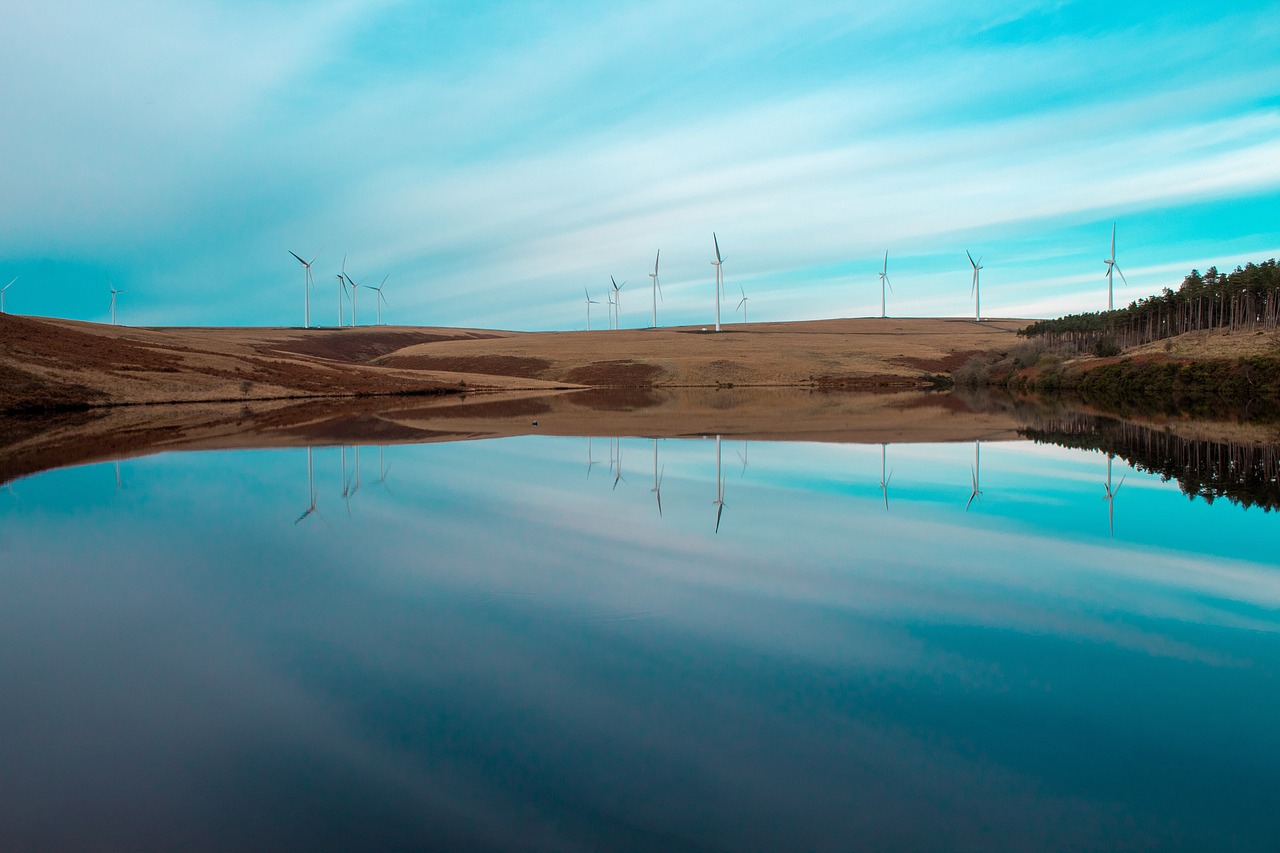

Why Is the Clean Energy Business Moving from Trend to Core Strategy?
A clean energy business is no longer selling a green add-on. In most B2B talks, you are selling lower exposure to power prices, better cost control, and a project the customer can explain to finance, operations, and their own clients. If your work is in solar, storage, energy management, or related equipment, the wider clean energy market helps open doors. Still, most buyers will not sign because the market sounds promising. They want simple proof, clear numbers, and someone they can reach after installation.
Capital Is Moving into Clean Energy
Investment is a useful sign of where procurement is going. The International Energy Agency reported in World Energy Investment 2025 that global energy investment was set to reach about $3.3 trillion in 2025, with clean technologies attracting around $2.2 trillion, roughly twice the amount going to fossil fuels. That does not mean every supplier will win orders. It means buyers, banks, utilities, and governments are already spending in this direction, so your offer needs to sound like a workable business plan, not a climate slogan. (iea.org)
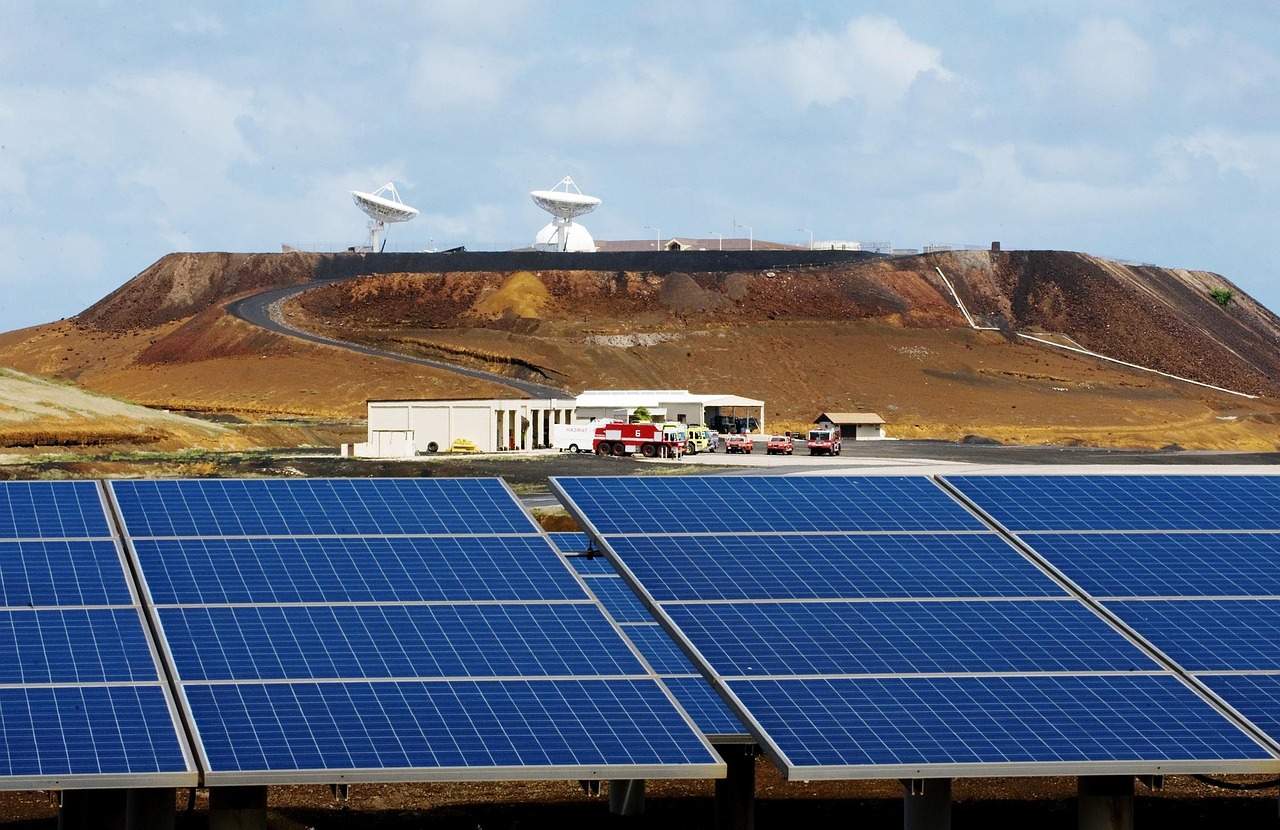
Renewable Capacity Is Becoming Mainstream
Scale has changed the sales conversation. IRENA’s Renewable Capacity Statistics 2026 said renewable power capacity reached 5,149 GW in 2025 after 692 GW of new additions, and renewables made up 85.6% of annual global power capacity expansion. Many buyers will not repeat those figures in a meeting. Even so, the impact shows in their questions: Can the system arrive on time? Can spare parts be found later? Will the supplier still be around in ten years?
Electricity Demand Is Creating New Buyers
Demand keeps rising because factories, cooling, transport, data centers, and buildings all need more electricity. The IEA’s Global Energy Review 2026 said renewables reached 34% of global electricity generation in 2025, up from 32% in 2024, while solar PV added about 600 TWh of generation, the largest structural increase recorded for any power technology in a single year. For sellers, the point is plain. More customers are willing to look at clean power, but they still worry about downtime, grid limits, and cash flow. (iea.org)
Which Buyers Should You Target First?
Not every lead deserves the same time. The fastest sale usually comes from a buyer who already has a clear problem, such as a high power bill, unstable supply, pressure from large customers, or an expansion plan that needs more electricity. A clean energy business moves faster when it starts with these direct pain points instead of pitching every company in the market.
Industrial Facilities with Expensive Downtime
Factories, food processors, cold storage sites, and workshops care about power because stoppages cost money quickly. A freezer room does not care about branding if it loses temperature for three hours. For this buyer, spend less time on broad sustainability claims and more time on load profiles, backup time, peak demand, and how the system runs on a hard Tuesday afternoon. Site photos, electrical drawings, and a simple maintenance plan can beat a glossy brochure because they show you understand the job site.
Commercial Buildings with Public-Facing Bills
Warehouses, malls, schools, hotels, clinics, and offices often want visible savings without adding difficult daily work. Roof solar, battery backup, LED upgrades, and energy monitoring can fit well when the numbers are easy to read. These buyers may not have an energy manager, so give them a one-page view: current monthly bill, expected generation, estimated savings range, payback period, and key risks. Keep it tidy, because nobody wants to search through forty slides before lunch.
Exporters Facing Carbon Questions
Export-focused manufacturers are a strong target because their buyers may ask about electricity sources, emissions records, or supplier responsibility. Do not promise more on carbon than the project can prove. Help them collect cleaner data, including meter readings, project commissioning records, renewable generation reports, and maintenance logs. When a large overseas customer asks for proof, a folder of dated documents works better than a big statement on a website.
What Makes a Clean Energy Offer Worth Buying?
A good offer connects technology to the buyer’s daily work. Panels, inverters, batteries, chargers, and monitoring software matter, but most buyers first ask three things: What will this save, what could go wrong, and who will fix it? Your sales message should answer those points before the buyer has to push for them.
A Payback Story Buyers Can Follow
Build the business case from the buyer’s own bill, not from a perfect model. Show daytime consumption, tariff structure, peak charges, seasonal changes, and expected system output. Use ranges when a range is more honest than one exact number. For example, a factory with heavy daytime load may use more solar power on site than a weekend-only warehouse, and that single detail can change the payback. A buyer can accept a careful estimate. A buyer will not forgive a good-looking number that fails after installation.
Hardware with Traceable Quality
Clean energy equipment is judged over years, not during the opening ceremony. Give buyers the basics they can check: product datasheets, warranty terms, certification records, inverter compatibility, battery chemistry, safety features, and spare-part availability. If you sell across borders, make packaging, labeling, and manuals easy to inspect. Small records matter here, because a missing serial-number record can turn a simple warranty claim into a long email chain.
After-Sales Work That Feels Local
After payment, many buyers worry they will be left alone with the system. Reduce that concern with a service map, response times, remote monitoring options, and a clear list of what is included. If you work through distributors, train them with the same checklist so the buyer hears the same answer from everyone. A buyer in a hot, dusty area may need cleaning guidance, while a buyer near the coast may need extra corrosion checks. These services are not fancy, but they make the system feel reliable in daily use.
How Can You Prove Cost, Performance, and Risk?
Proof wins serious buyers. Public data helps set the market background, while project-level data closes the sale. Use both, but do not mix them up. Global cost trends are useful, yet site results still depend on sunlight, tariffs, labor cost, grid rules, roof shape, and the buyer’s actual load.
Use Public Cost Benchmarks with Care
IRENA’s Renewable Power Generation Costs in 2024 reported that 91% of newly commissioned utility-scale renewable capacity delivered power below the cost of the cheapest new fossil alternative. It also put global weighted average LCOE at USD 0.034/kWh for onshore wind and USD 0.043/kWh for solar PV. These figures are strong background for your pitch, but say clearly that a rooftop, microgrid, or battery project needs its own local calculation. That kind of honesty often builds more trust than a large savings claim. (irena.org) See also: EVs.
Show Field Conditions, Not Perfect Lab Numbers
Real sites are not clean lab rooms. Dust lowers output, heat affects equipment, shade from a small roof structure can hurt a string, and a battery may cycle differently in summer than in winter. Show buyers these field factors in plain words, then explain what has been included in the estimate. If your proposal already mentions cleaning schedules, ventilation, cable routing, and monitoring alerts, the buyer can see the plan was made for a real place.
Put Risk in the Proposal
Do not hide risk on the final page. List grid connection timing, permit needs, tariff changes, import duties, shipping time, storage safety, and maintenance responsibilities where the buyer can see them. Then add a practical response for each item. For example, if grid approval may take longer, explain what work can start first and what must wait. Buyers know risk exists. They mainly want to know whether you have handled it before.
How Can You Build a Clean Energy Business Sales Plan?
A clean energy business sales plan should be narrow enough to act on and flexible enough to repeat. Start with one buyer group, one strong product package, and one proof format. Once that works, expand step by step. Many companies get into trouble because they chase every tender, every country, and every product category at the same time.
Start with One Problem and One Segment
Pick a segment where your offer has a clear reason to exist. That could be battery backup for clinics, solar plus storage for small factories, EV charging for commercial parking, or monitoring for property managers. Write the buyer’s main pain in one sentence. If that sentence is vague, the campaign will be vague too. A clear problem makes ads, emails, trade-show talks, and sales calls easier to handle.
Match Financing to the Technical Plan
Many buyers like clean energy but do not like a large upfront cost. Give them choices such as direct purchase, staged rollout, lease-style structures, or a power purchase model where local rules allow it. This is not financial advice, and terms must be checked locally. Still, the sales conversation works better when finance and engineering are planned together. A technically strong system can still lose if the cash flow feels hard to manage.
Train Partners and Turn Projects into Proof
Skills matter more as the market grows. The IEA’s World Energy Employment 2025 report said global energy jobs reached 76 million in 2024, while IRENA and the ILO reported renewable energy employment at 16.6 million in 2024. Growth also brings shortages and uneven service quality, so train installers, distributors, and support staff before volume arrives. Then turn finished projects into short case studies with before-and-after bills, generation data, photos, and service notes. That proof sells for you when nobody from your team is in the room. (iea.org)
FAQ
Q1: What Is the Best First Market for a Clean Energy Business? A: The best first market is usually a buyer group with high electricity cost, clear daily pain, and simple decision rules. Small factories, cold storage sites, commercial buildings, and export manufacturers are often good starting points.
Q2: How Can You Make Buyers Trust Clean Energy Savings? A: Use the buyer’s own energy bill, real load data, careful assumptions, and a clear savings range. Public benchmarks can support the case, but they should not replace a site-specific calculation.
Q3: Is Solar Enough for Most Business Customers? A: Sometimes, but not always. Solar can cut daytime grid use, while batteries, energy management, and backup systems may be needed for peak demand, outages, or evening loads.
Q4: What Documents Should You Prepare for Export Buyers? A: Prepare datasheets, certificates, warranty terms, serial-number records, commissioning reports, generation logs, maintenance records, and clear user manuals. Good paperwork reduces doubt.
Q5: How Do You Grow without Taking Too Much Risk? A: Focus on one segment first, use repeatable project designs, train local partners, track real performance, and say no to projects where permits, grid access, or payment terms look too risky.