
What Are Clean Energy Systems?
Clean energy systems are site power setups that use renewable generation, storage, smart controls, and efficient equipment to supply electricity or heat with less fuel use. If you are checking options in the clean energy market, it is better to look at the full system, not just one product. A solar array on its own can help with daytime power. A solar array connected with batteries, load controls, safe switchgear, and monitoring can change how a factory, warehouse, hotel, or farm buys, stores, and uses power.
Integrated Power, Storage, and Control
A working system brings several parts together. Solar PV or wind makes electricity, and batteries keep extra energy for evening peaks, outages, or tariff savings. Inverters convert power and handle grid connection, while a controller tracks demand, weather, battery state, and price signals. In a warehouse, the controller may charge batteries around noon, support forklift charging at 4 p.m., and keep reserve power for security systems at night. That is the difference between loose equipment and a clean power asset that the site can actually use.
Renewable Sources That Fit the Site
Sound design starts with local resources. A sunny roof with moderate daytime use may point to solar, while a coastal factory with steady wind may add turbines. A food plant with organic waste might review biogas, especially if waste handling is already part of daily work. Hydropower, geothermal, and biomass are also part of the clean energy family, but they depend heavily on location, permits, and local operating rules. Most sites do not need every technology. They need the mix that fits the load, land, roof, climate, and grid rules.
Loads That Can Shift or Save Energy
Clean power works better when some loads can move by a short time. Cold storage, water heating, EV charging, pumps, and some production lines often have time windows that are not fixed to the minute. Small changes can still cut real cost. A 30-minute shift in compressor operation may reduce a demand spike, and a heat pump water heater can preheat before the evening peak. This is not fancy work, but in many projects the meter room and the maintenance log decide whether the system performs as expected.
Why Are Clean Energy Systems Growing So Fast?
The growth is not only about climate targets. Buyers also want less exposure to fuel prices, cleaner local air, steadier operating costs, and an easier answer when customers ask about energy use. The International Energy Agency reported in its World Energy Investment 2025 release that global energy investment was set to reach USD 3.3 trillion in 2025, with clean technologies attracting about USD 2.2 trillion, roughly twice the capital going to fossil fuels. That is a clear signal for anyone buying power equipment or planning factory upgrades. (iea.org)
Capital Is Moving toward Clean Technologies
Finance teams now treat clean energy as site infrastructure, not a side project for the ESG file. A system can cut grid purchases, reduce demand charges, cover short outages, and support carbon reporting. For export-focused manufacturers, it also helps when overseas customers ask for emissions data during supplier audits. The project should still make business sense before anyone writes a sustainability statement.
Renewable Capacity Keeps Breaking Records
The International Renewable Energy Agency reported that 91% of newly commissioned utility-scale renewable capacity in 2024 produced electricity below the cost of the cheapest new fossil fuel alternative in its market. In the same IRENA cost report, global weighted average power costs were USD 0.034 per kWh for onshore wind and USD 0.043 per kWh for utility-scale solar PV. The report also said 2024 renewable additions helped avoid fossil fuel use valued at about USD 57 billion. These figures are one reason buyers now discuss renewable power as a cost item, not only as an environmental item. (irena.org)
Cost Data Has Changed Buying Decisions
Low-cost generation does not mean every project is low cost. Interconnection, transformers, civil works, permitting, shipping, and financing can still change the final number. Even so, the buying discussion has moved. Ten years ago, many buyers asked whether clean power could compete with normal supply. Now they ask how much storage to use, which inverter fits the grid code, what warranty is realistic, and how to keep the system simple enough for site staff.
Which Technologies Belong in a Strong System?
A strong clean energy system needs a clear job. It may reduce energy bills, back up key equipment, cut diesel use, meet a buyer requirement, or support a microgrid. Once the job is clear, the equipment choice is easier. The common mistake is buying the most visible part first, often solar panels, and then trying to make the rest of the project fit around that decision.
Solar PV and Wind as Core Generators
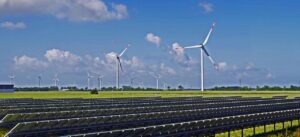
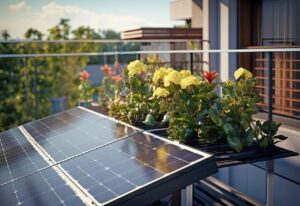
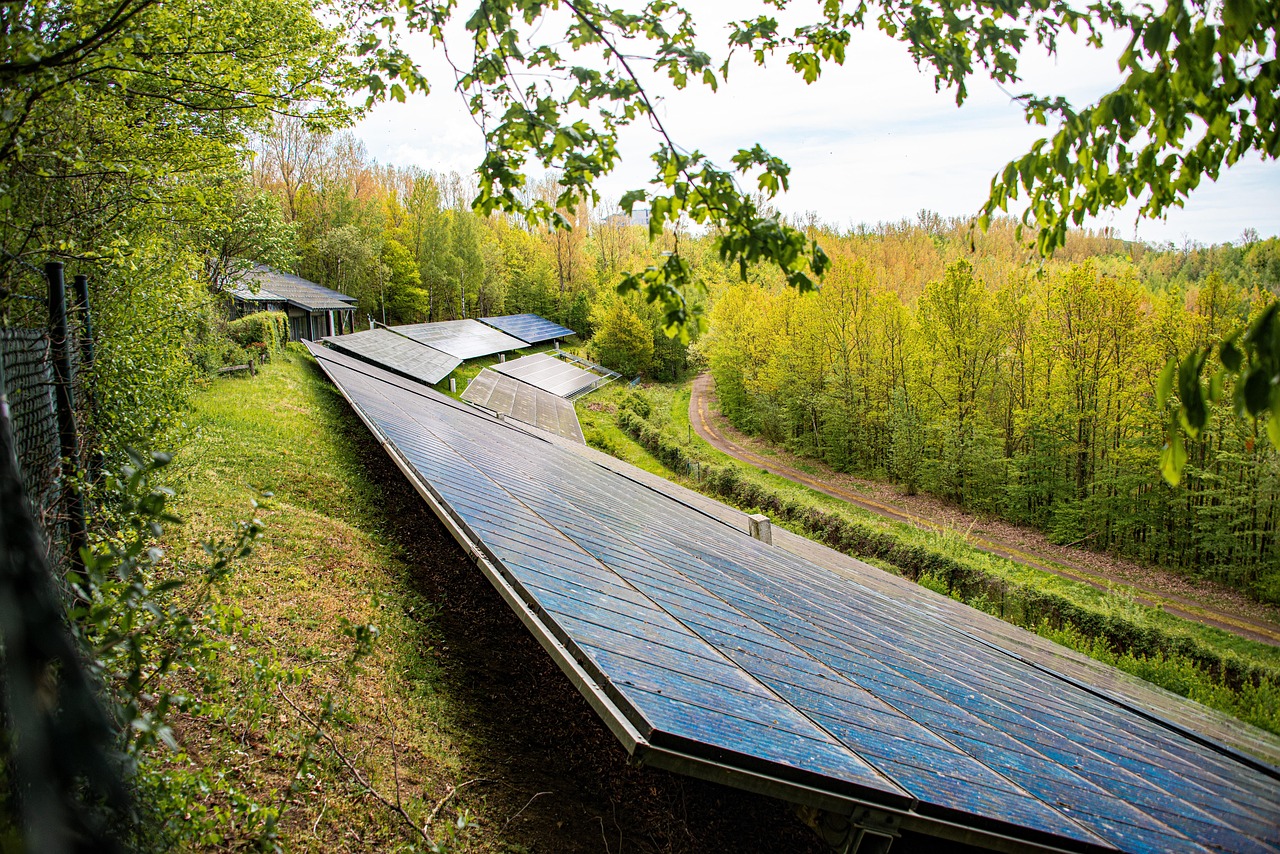
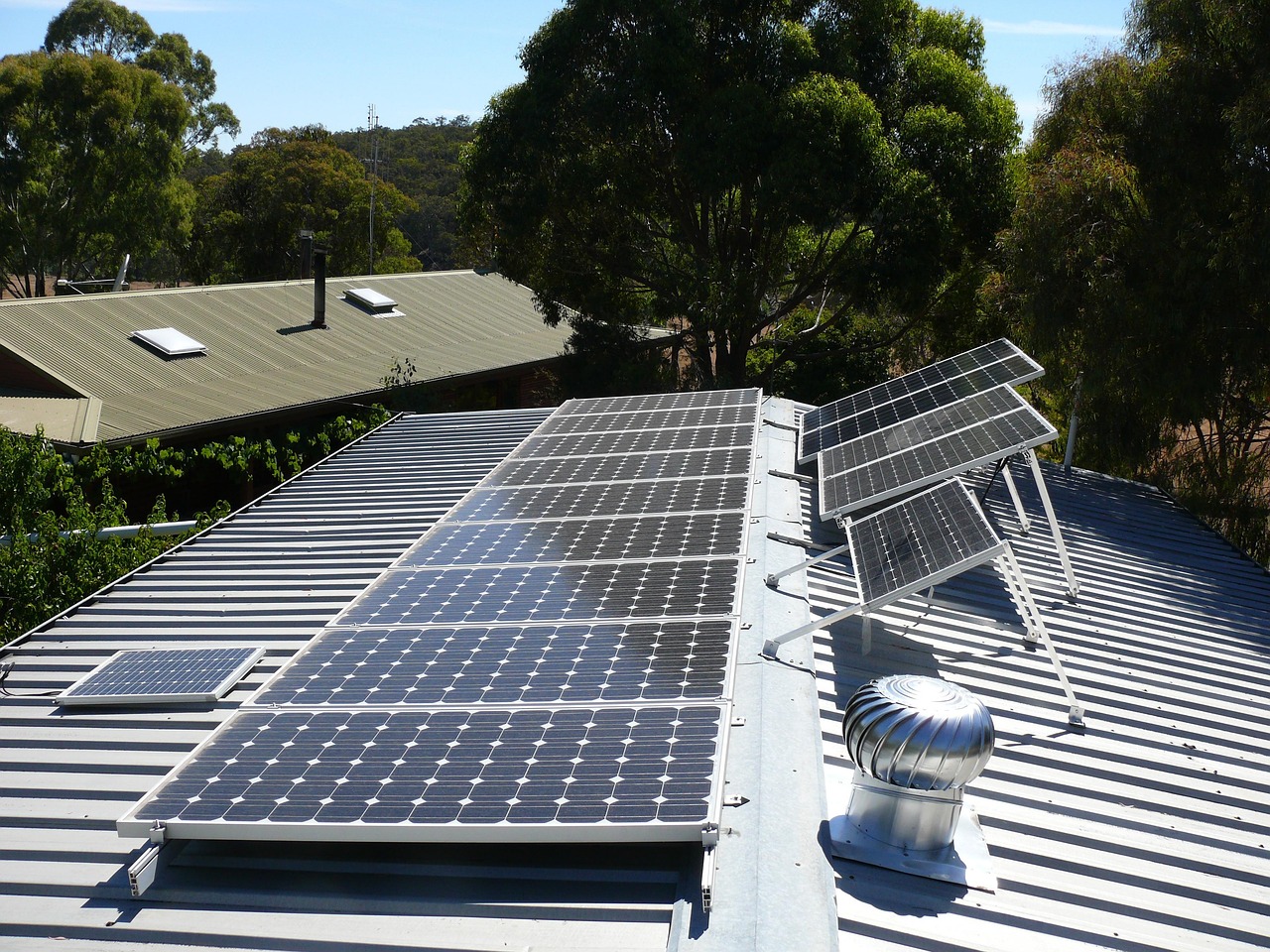
Solar PV works on roofs, carports, open land, and many industrial parks. It is modular, usually faster to install than many other power assets, and simple to monitor. Wind can produce well at night or in winter in the right region, which may balance solar output. A hybrid design can be more useful than one large single-source system, especially when production continues into the evening. The site load pattern should decide the mix, not the sales brochure.
Battery Storage for Peaks and Backup
Batteries get a lot of attention because they turn clean generation into power that can be used at a better time. The U.S. Energy Information Administration reported that U.S. utility-scale battery capacity increased 66% in 2024, though it was still only 2% of the country’s 1,230 GW utility-scale generating capacity. EIA also noted planned 2025 additions of 19.6 GW. That shows how quickly storage is moving from optional equipment to a normal part of power planning. (eia.gov)
Heat Pumps and Efficient Loads
Clean energy is not only about making electricity. It is also about using less fuel for heat and hot water. Heat pumps move heat instead of creating it by burning fuel or using resistance coils. The U.S. Department of Energy says today’s heat pumps can cut electricity use for heating by up to 75% compared with electric resistance heating. For hotels, dormitories, offices, and factories with hot water demand, this can be a practical upgrade that does not need much daily attention. (energy.gov)
How Do You Size Clean Energy Systems for Real Projects?
Sizing should start with data, not rough guesses. A clean brochure design can fail if it ignores weekend loads, local dust, storm season, transformer limits, or a planned production line. You need the site’s energy pattern, hour by hour if possible. Monthly bills are useful, but they often hide the short peaks that drive cost.
Start with a Load Profile
Collect at least 12 months of utility bills and, if available, 15-minute interval data. Mark seasonal peaks, shutdown periods, night loads, and critical circuits. A textile plant with steady motors behaves very differently from a cold chain warehouse with compressors cycling all day. For backup, list what must run during an outage, such as lights, safety systems, servers, pumps, process controls, or full production. This list keeps the battery from being too small to help or too large to pay back. It also gives suppliers a clear base for comparison.
Match Generation to Local Resources
Solar design should check roof strength, shading, panel tilt, soiling, fire access, and inverter placement. Wind needs measured resource data and enough clear space away from people and buildings. Batteries need temperature control, fire safety spacing, and a dispatch plan that the site can follow. A simple field rule is worth using here. If a component needs perfect weather, perfect staff behavior, and perfect pricing to work, it is probably too weak for a busy site.
Plan for Growth and Maintenance
Future load growth can turn a tight design into a short design. Add EV chargers, a new packaging line, or a larger HVAC system, and yesterday’s correct capacity may no longer be enough. Plan cable routes, inverter room space, spare breakers, and monitoring access early. Maintenance also needs a budget. Cleaning panels, checking battery cooling, testing protection devices, and updating controls are normal operating tasks, not optional extras. See also: EVs.
Clean Energy Systems vs Traditional Power Which Is Better?
The straight answer is that it depends on the site and the target. Traditional power can be familiar, easy to dispatch, and simple to run when fuel is available. Clean energy systems can reduce fuel exposure, cut emissions, and give the owner better control over energy use. Many real projects still keep a grid connection or a backup generator, but the generator runs fewer hours.
Fuel Risk and Price Swings
Diesel and gas systems carry fuel price risk, delivery risk, and, in some regions, emissions fees. Clean systems usually need more money upfront, then use less fuel over time. That changes the risk profile for the owner. For a remote telecom site, fewer fuel deliveries may matter as much as the power savings. For a city warehouse, avoiding peak utility charges may be the larger gain. The better option depends on where the cost pressure is coming from.
Reliability Needs More Than One Asset
Reliability is not a label printed on a battery cabinet. It comes from design, installation, testing, and operating rules. You need correct protection settings, safe islanding, tested transfer switches, enough stored energy, and clear instructions for site staff. Lawrence Berkeley National Laboratory’s hybrid power plant update lists 543 U.S. hybrid projects installed through 2024, showing that co-located generation and storage is no longer a small trial market. The numbers are growing because owners want backup and lower operating cost in the same package. (emp.lbl.gov)
Carbon and Customer Expectations
Many buyers now ask suppliers for energy and emissions data. Clean energy systems make that data easier to collect because the owner can track how much power came from solar, how much grid power was avoided, and when batteries discharged. The data still has to be honest. If a claim cannot be supported by meter data, contract records, or a recognized public factor, it should not go into customer documents. In supplier audits, unclear energy claims often create more trouble than no claim at all.
What Should Buyers Check Before Choosing a Supplier?
A supplier is not only selling equipment. They are influencing how your site will use power for 10 to 25 years. The lowest quote may look good when the budget is tight, but clean energy equipment sits on your roof, connects to your switchgear, and may affect production. It is worth slowing down during supplier checks because small gaps at this stage can become costly later.
Certifications and Grid Compliance
Ask for inverter certificates, battery safety documents, grid compliance records, and test reports for the destination market. For export projects, packaging, labeling, documentation, and after-sales response also matter. A clean energy system that cannot pass local inspection is not a bargain. It is expensive stock sitting in the wrong place.
Project Experience in Similar Sites
Look for proof of similar work, not only general company claims. A supplier that has built rooftop solar for schools may still be learning when the site is a high-dust cement plant or a cold storage warehouse. Ask for layout samples, single-line diagrams, monitoring screenshots, and maintenance records. These documents show how the supplier handles real site conditions. The goal is not to make the supplier uncomfortable. The goal is to see whether they know the messy details before they start work on your site.
After-Sales Service and Monitoring
Monitoring should show generation, load, battery state, alarms, and savings in plain language. Good service includes spare parts planning, remote diagnosis, firmware support, and clear response times. A small alarm ignored for three weeks can become a failed inverter during the hottest part of summer. Site teams need to know who answers, what data to send, and how fast help will come. Nobody wants that call at 6 p.m. on a Friday.
FAQ
Q1: What Are Clean Energy Systems? A: Clean energy systems combine renewable power, storage, controls, and efficient equipment to reduce fossil fuel use and manage energy in a more controlled way.
Q2: Are Clean Energy Systems Only for Large Companies? A: No. Small commercial roofs, farms, schools, hotels, and remote sites can all use scaled systems if the design matches the load and budget.
Q3: Do Batteries Make Every Project Better? A: Not always. Batteries help when you have peak charges, backup needs, time-of-use pricing, or excess solar. Without those drivers, the payback may be weak.
Q4: How Long Does a Clean Energy Project Take? A: A simple rooftop solar project may take a few months including permits. Larger systems with storage, grid studies, or civil work can take much longer.
Q5: What Is the First Step Before Buying? A: Gather utility bills, interval load data, site drawings, and backup requirements. With that information, you can compare designs instead of comparing guesses.