
Why Does Solar Power Installation Matter More in 2026?
A solar power installation is no longer just for off-grid cabins or expensive houses. It is now a normal power project for homes, warehouses, farms, shops, schools, and light industrial sites. If you are checking solar products, system types, or project plans, the solar solutions section is a useful place to review first before talking with an installer.
Market Growth Backed by Public Data
The global market gives a clear signal. The International Renewable Energy Agency reported in Renewable Capacity Statistics 2026 that renewable power capacity reached 5,149 GW at the end of 2025 after 692 GW of new additions. Solar PV accounted for 510.3 GW of solar additions in 2025.
These numbers do not mean every solar power installation is a good deal by default. They do show that solar is now a common power source, with a deeper supply chain, more trained installers, and more field experience than it had a few years ago.
Lower Grid Risk for Daily Operations
Power demand is going up in many regions because of data centers, heat pumps, electric vehicles, and factory electrification. In the United States, the Energy Information Administration said in February 2026 that developers planned 43.4 GW of new utility-scale solar capacity for 2026 if projects move forward as planned.
For a business owner, this wider market shift is not just news. Grid capacity, utility rates, and peak charges can all show up on the monthly bill, so having part of your power produced on site can be worth a close look.
A Practical Fit for Homes and Businesses
Solar works best when daytime power use lines up with sunny hours. A bakery running ovens early, a cold storage building cooling hard in the afternoon, or a family charging an EV at home can each get value in a different way.
The project still has to be checked site by site. A shaded roof, weak structure, or poor buyback tariff can change the payback quickly, even when the panel price looks fine.
What Should You Check Before You Start a Solar Power Installation?
The better solar projects often look simple on paper: clear roof, short wiring path, stable ownership, and steady electricity use. That may not sound exciting, but it helps avoid costly surprises. Before asking for prices, collect your utility bills, roof details, and a few photos of the main electrical panel.
Roof Condition and Load Capacity
A solar array may stay on the roof for decades, so the roof should not be near the end of its life. If shingles, metal sheets, or waterproofing need repair within the next few years, handle that work first.
For commercial roofs, a structural check is usually worth the small delay. Ballasted mounting, wind zones, snow load, and roof membrane rules can all change the final design and cost.
Sun Path, Shade, and Local Weather
Shade is a small site issue that can spoil a good-looking proposal. A chimney shadow at 9 a.m. may be acceptable, but a tall tree crossing the roof every afternoon is a different problem.
The National Renewable Energy Laboratory PVWatts tool bases its output range on 30 years of historical weather data, which is why many designers use it for first estimates. Even then, a site survey still needs to check real shade, roof tilt, azimuth, soiling, and nearby buildings.
Electric Bills, Tariffs, and Load Profile
Do not size solar from roof space alone. Start with kWh use, time-of-use rates, demand charges, and export rules.
A factory with high daytime load may use most solar on site. A home that exports a lot at noon may depend more on net billing rules or a battery, so the same 10 kW system can have very different payback in two nearby areas.
How Do You Size and Price a Solar Power Installation?
Good sizing is not about covering every open square foot with panels. It is about matching generation, usage, budget, and the local grid rule book. In some cases, a slightly smaller system that uses more power on site can beat a larger system that exports too much at a low credit rate.
Annual kWh Use Comes First
Look at at least 12 months of bills. If you plan to add EV charging, heat pumps, new machines, or longer business hours, include that future load as well.
A useful first pass is simple:
- List annual electricity use in kWh.
- Mark daytime loads that solar can directly serve.
- Check the roof or ground area available for panels.
- Ask the installer to show expected monthly production, not just annual production.
Monthly production matters because a system that matches yearly kWh on paper may still make too much power in spring and too little in winter.
Cost per Watt Needs Context
Price is often discussed as dollars per watt, but that figure can hide many job details. A simple asphalt-shingle roof may cost less than a tile roof with difficult access.
A commercial carport costs more than a flat roof array, but it may also provide shaded parking. EnergySage reported a median quoted residential solar price of $2.48 per watt in its H1 2025 marketplace report, which is useful background but not a fixed price for your address.
Payback Depends on Local Rules
Payback depends on installed cost, avoided electricity price, export credit, maintenance, financing, and incentives. These items vary a lot by country, state, utility, and customer type.
Incentives can also change with little warning. For example, IRS guidance updated in January 2026 described the U.S. residential clean energy credit as 30% for qualifying systems installed from 2022 through December 31, 2025, so for any 2026 purchase, do not build a payback sheet around old incentive terms without checking current local rules and asking a tax professional.
Which Equipment Choices Make the Biggest Difference?
Most buyers look at the panel brand first. Panels do matter, but the system is more than glass on a roof. Inverters, mounting, cables, protection devices, monitoring, and workmanship often decide how the system performs after year five or year ten.
Panels, Inverters, and Mounting Hardware
Choose panels with the right power rating, efficiency, temperature behavior, and warranty support for your market. Inverters convert DC power into AC power, and they also handle safety shutoff and performance tracking.
Mounting hardware should match the roof type and wind zone. A clean-looking array is good, but a watertight roof attachment matters more because leaks are harder to fix later.
Batteries for Backup and Self-Use
A battery is not required for every solar power installation. If your utility gives fair export credits and the grid is steady, solar-only may be the cheaper and simpler first step.
Batteries make more sense where outages are common, evening rates are high, or export payments are low. Be clear about the goal, because backup power for key loads is different from whole-building backup; a fridge, router, lights, and one outlet circuit are easier to support than central air conditioning.
Monitoring and Safety Devices
Monitoring is the part many owners ignore until production drops. A good portal should show daily production, alerts, inverter status, and, for batteries, state of charge.
Safety devices such as rapid shutdown, surge protection, labels, disconnects, and clean cable management are not decoration. They help electricians, firefighters, inspectors, and future owners understand the system without guessing.
How Does the Installation Process Work from Quote to Switch-On?
A solar power installation is often quicker on the roof than it is in the paperwork stage. This can surprise first-time buyers. Installers may finish the panels in two or three days, then the project may wait longer for inspection and utility approval. That is common in many markets.
Site Survey, Engineering, and Permit Pack
After a quote, the installer should confirm roof measurements, panel layout, electrical panel condition, wire routes, and internet access for monitoring. These checks reduce change orders and help the engineering team prepare the permit pack correctly.
Then engineering drawings are prepared for permit review. The U.S. Department of Energy notes in its homeowner solar guidance that physical PV installation generally takes only a few days, while permits, inspections, and interconnection can take weeks to months, so that timing should be part of your project schedule.
Physical Installation and Utility Approval
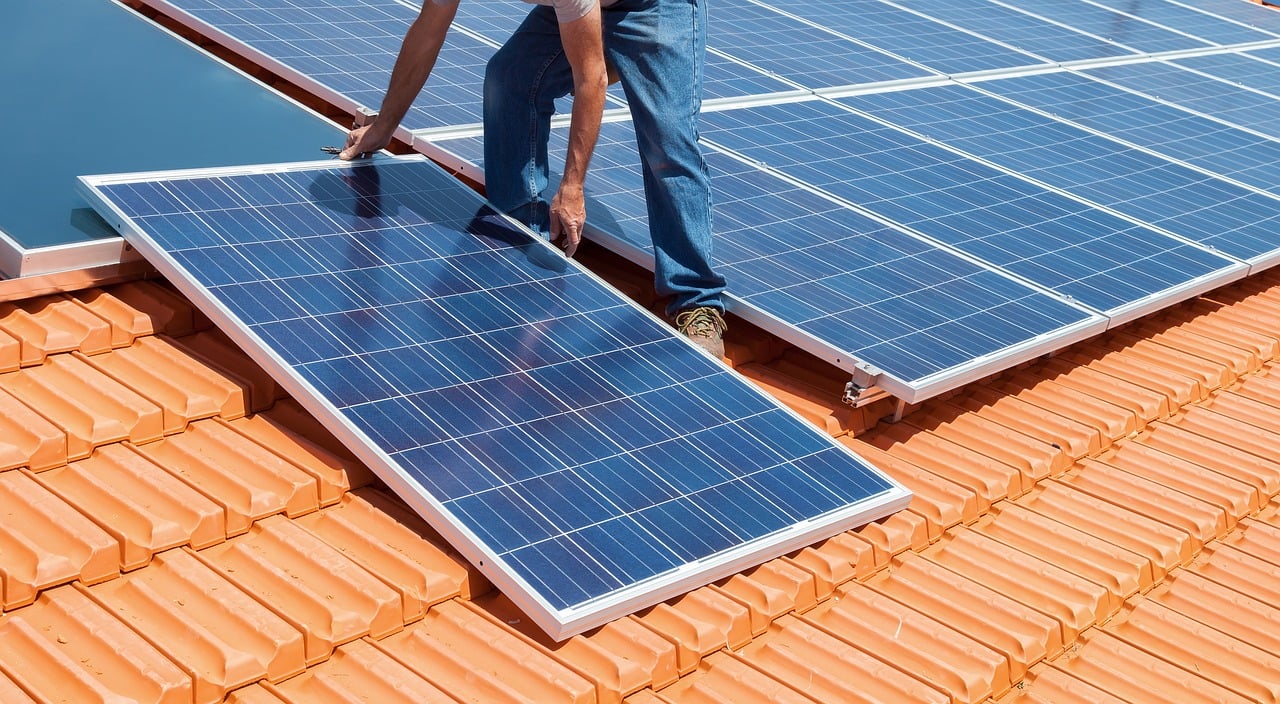
On installation day, the crew sets anchors or ballast, rails, panels, inverters, wiring, and labels. For a home, expect ladders, roof work, some noise, and at least one power shutoff.
For a business, ask early about work hours, parking, roof access, and safety barriers. After installation, the system still needs inspection and permission to operate before it can legally export power to the grid.
Maintenance After the First Sunny Week
Solar does not need daily care, but it should not be ignored either. Check the monitoring app after the first sunny week and compare production with the installer estimate.
Keep trees trimmed, watch for warning lights, and schedule cleaning only when dust, pollen, bird droppings, or nearby construction clearly reduce output. Berkeley Lab says its distributed solar database now covers roughly 4.5 million U.S. systems installed through the end of 2024, which is a useful reminder that long-term solar performance is now tracked at serious scale, not just guessed from a sales sheet.
FAQ
Q1: How Long Does a Solar Power Installation Take? A: The physical installation often takes a few days for a typical home. Permits, inspection, and utility approval can take weeks or months depending on the local process.
Q2: Do You Need a Battery With Solar Panels? A: Not always. A battery helps with backup power, evening use, and low export rates, but a solar-only system may be cheaper and simpler where grid service and buyback rules are favorable.
Q3: What Is the Best Roof Direction for Solar? A: In the northern hemisphere, south-facing roofs often produce the most annual energy. East and west roofs can still work well, especially when your power use is higher in the morning or afternoon.
Q4: How Many Solar Panels Do You Need? A: It depends on annual kWh use, panel wattage, usable roof area, shade, and local sunlight. Ask for a monthly production estimate rather than only a panel count.
Q5: Is the Cheapest Solar Quote a Good Deal? A: Sometimes, but not always. Compare equipment, warranties, roof work, permit scope, monitoring, installer experience, and after-sales support before choosing the lowest price.