
Is Tesla Solar Still Worth It in 2026?
If you are checking Tesla Solar against other solar resources, I would not look at the logo first. I would check whether the system lowers your bill, fits the roof without awkward design changes, matches your utility rate plan, and gives backup power when the grid is down. As of July 2026, the U.S. home solar market is not the same market many buyers saw before. The IRS says the federal homeowner tax credit window for newly installed owner-purchased systems ended after December 31, 2025, so the quote and local incentive check now matter more than they did a year earlier. (irs.gov)
Lower Bill Potential
Tesla Solar can reduce how much electricity you buy from the grid, but the savings are tied to daytime use, net billing rules, roof direction, and local power rates. A family running air conditioning during sunny afternoons may use more solar on-site than a home that sits empty most of the day. That usage pattern looks small on paper, but it can change the payback.
Cleaner Backup Options
Solar panels by themselves usually shut down during an outage for safety reasons. When you add a battery, the system works in a different way. Powerwall can store solar energy for evening use and backup loads, so your fridge, Wi-Fi, lighting, and selected circuits can keep running through many outages.
A Brand-Led Service Model
Tesla fits homeowners who want one setup for solar, battery storage, EV charging, and app control. That model is convenient, but service can still differ by region. Before you sign, ask who installs the system and who comes back for warranty work. Also ask what response time looks like in your ZIP code, not just in the sales material.
What Makes Tesla Solar Different From Standard Rooftop Solar?
Most rooftop solar systems do the same basic work. Panels make DC electricity, inverters convert it, and your home uses that power first. Tesla tries to separate itself through panel design, mounting hardware, battery pairing, and software. In practice, the difference is more about whether the full package suits your home than about any single part.
18 Power Zones per Panel
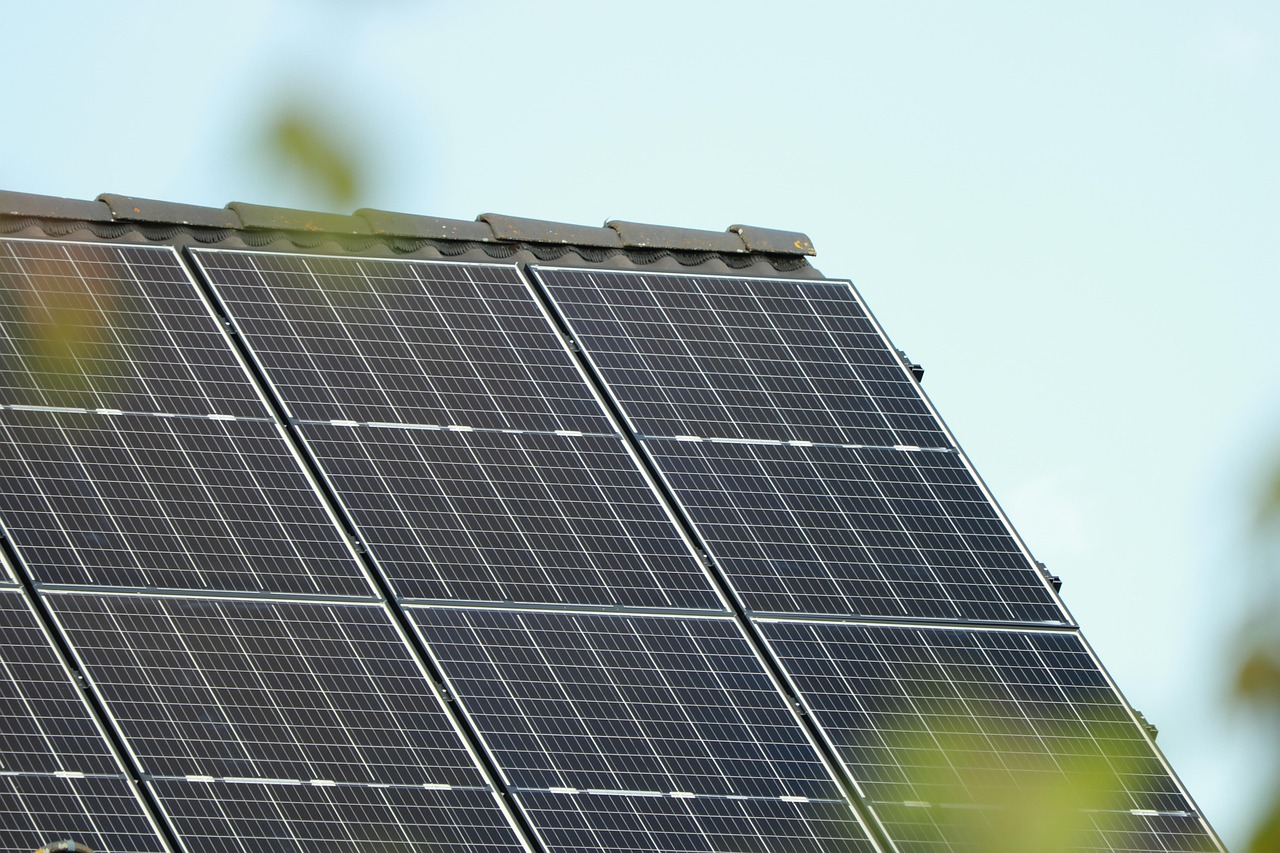
Tesla says its newer solar panels use laser-cut cells that create 18 power zones, which can help reduce production drops when shade or dirt affects part of a panel. That still does not make shade harmless. A chimney shadow at 3 p.m. will still lower output. The point is that the panel design is built to deal with partial shading with fewer losses than a basic layout. (tesla.com)
Low-Profile Panel Mounts
The Tesla Panel Mount is made without visible rails or clamps. Tesla states that, in a 12-panel contiguous array example, the system can install up to 33% faster than conventional rail-based systems and use up to 15% fewer roof penetrations. For a homeowner, the day-to-day point is simple. There are fewer visible parts, and the roof line looks less busy. (tesla.com)
App-Based Energy Control
The Tesla app is one of the main reasons buyers choose the brand. You can see solar production, home usage, battery charge, and grid flow in one place. If you already own a Tesla vehicle or plan to add home charging, using one app can make system management easier. Not every home needs that, but it is useful when the rest of the setup matches.
How Much Can Tesla Solar Cost and What Changes the Price?
There is no single public national average price for Tesla Solar installations in 2026 that fits every home. Tesla prices can move by state, installer channel, roof complexity, battery count, electrical upgrades, permitting costs, and local demand. As a market reference, EnergySage reported a median U.S. residential solar price of $2.48 per watt in the first half of 2025, based on marketplace data from all 50 states and Washington, D.C. Tesla quotes may come in lower, close to that level, or higher in your area. (energysage.com)
System Size and Roof Shape
A simple 8 kW system on a wide south-facing asphalt roof usually prices better per watt than a small system spread across several roof planes. Steep roofs, tile, metal, dormers, vents, and old decking all add labor. If the design looks like a puzzle, the quote will usually show it.
Battery Choices and Backup Loads
Adding Powerwall changes the budget right away. One battery may cover basic loads, while larger homes may need two or more units. Make a list of the loads that really matter to you, such as a refrigerator, medical device, garage door, heat pump, well pump, internet, or maybe just coffee. Backup planning becomes site-specific quickly.
Cash, Loan, or Lease Terms
The payment method can change the final numbers. Cash gives the easiest payback picture to read. Loans spread the cost but add interest, and EnergySage reported median solar loan rates of 7.5% in the first half of 2025. Lease or third-party ownership offers can reduce upfront cost, but you need to read escalation clauses, transfer terms, and buyout rules carefully. (energysage.com)
Is Tesla Solar Better With Powerwall?
Powerwall is not required for every solar buyer. If your utility still gives retail-value credits for exported power, panels alone may work well enough. If your utility pays little for exports, charges higher evening rates, or your area loses power during storms, storage becomes much more practical.
Daytime Solar Savings
During sunny hours, your panels can feed your home first. If your air conditioner, pool pump, dishwasher, or EV charger runs while solar is producing, you may buy less grid power. This is usually the lowest-cost use of solar energy because you avoid sending valuable kilowatt-hours back for a weak credit.
Nighttime Battery Use
Powerwall 3 has 13.5 kWh of nominal battery energy. Tesla lists output configurations up to 11.5 kW AC, solar-to-home or grid efficiency of 97.5%, and a 10-year warranty. Those specs are worth checking because a battery needs both energy capacity and power output. If a battery has enough stored energy but not enough output, heavy loads can still trip it when they start. (energylibrary.tesla.com)
Outage Backup Planning
Backup is not the same as living off-grid all the time. A practical plan separates essential loads from comfort loads. Keep the fridge, lights, router, and a few outlets on the list first. Be careful with whole-home backup if you have electric heat, large HVAC, or a well pump. It can be done, but the load sizing needs to be honest. See also: clean energy.
What Should You Check Before Ordering Tesla Solar?
A good solar purchase starts before anyone shows you a production chart. Your roof, utility tariff, electrical panel, and local rules decide whether the system will work well. A few checks at the start can save a lot of back-and-forth later.
Roof Age and Sun Exposure
If your roof has less than 10 years of life left, replace or repair it before the panels go on. Removing and reinstalling solar later is costly and inconvenient. You should also check shade in every season. Bare winter trees, summer leaves, and a neighbor’s second-story addition can all change the result. A roof that looks clear in one month may not stay clear all year.
Utility Rate Rules
Net metering, net billing, time-of-use rates, demand charges, and minimum bills can make two similar homes show very different returns. The Solar Energy Industries Association reported that U.S. residential solar installed 4,647 MWdc in 2025, down 2% from 2024, and it expected a steeper 2026 contraction after the Section 25D expiration. These policy details are not a small footnote because they affect real cash flow. (seia.org)
Installer Availability
Ask whether Tesla crews, certified installers, or subcontractors will handle the work. Also ask how design changes are handled after the site survey. A quote built from satellite images may change after an electrician checks your main panel or a roofer finds brittle tiles.
How Does Tesla Solar Compare With Local Installers?
Tesla is not the only route worth checking. A capable local installer may offer more equipment choices, quicker communication, and better knowledge of nearby roofs and utility paperwork. Tesla may offer a more connected ecosystem and brand-backed hardware. The better choice depends on what you value most, not on brand loyalty.
Brand Ecosystem Strength
Tesla Solar makes the most sense when you want solar, Powerwall, EV charging, and energy monitoring in one environment. If you like app-based control and already use Tesla products, that is a practical benefit. It can make the project feel less scattered because the main energy pieces sit under one system.
Quote Transparency
Compare quotes by price per watt, panel count, inverter design, battery capacity, workmanship warranty, roof work, and estimated annual production. Do not rank bids by monthly payment only. A low monthly number can hide a long loan, dealer fee, or escalator. In solar buying, the plain spreadsheet often tells you more than the sales brochure.
Service and Warranty Expectations
Tesla states that purchased solar panel systems carry a 25-year panel performance warranty, with panels guaranteed by the manufacturer to at least 80% of nameplate power capacity for at least 25 years. That is useful, but it is not the only warranty point to review. Workmanship, roof penetrations, inverter service, and battery warranty terms should also be checked before you sign. (tesla.com)
FAQ
Q1: Is Tesla Solar the Cheapest Solar Option? A: Not always. Tesla may be competitive in some markets, but local installers can beat or exceed Tesla pricing depending on equipment, labor, roof type, and service scope. Compare at least three detailed quotes before you choose.
Q2: Can Tesla Solar Work Without Powerwall? A: Yes. Tesla Solar can be installed without a battery in many areas. Without storage, though, most grid-tied solar systems will not power your home during an outage.
Q3: How Long Do Tesla Solar Panels Last? A: Tesla says its solar panels have a 25-year performance warranty and are guaranteed by the manufacturer to at least 80% of nameplate capacity for at least 25 years.
Q4: Does the Federal Solar Tax Credit Still Apply in 2026? A: For typical owner-purchased residential solar, the IRS states that the 30% Residential Clean Energy Credit applied to qualified property installed from 2022 through December 31, 2025. Confirm current tax treatment with a qualified tax professional before buying.
Q5: Who Should Choose Tesla Solar? A: Tesla Solar is a good fit if you value a low-profile roof look, Powerwall backup, app-based control, and a connected EV charging path. If you want custom equipment choices or very hands-on local service, compare reputable local installers too.