
Why Are Renewable Energy Systems Becoming a Business Priority?
For many buyers, renewable energy systems are not a small green project anymore. They are becoming part of the power plan for factories, farms, logistics sites, offices, and remote facilities that need cleaner electricity and more predictable costs over time. If you are checking power options for a commercial site, the wider clean energy market is worth watching: solar, wind, storage, and control systems are now part of normal business planning, not only ESG reports.
Market Growth Is Moving from Niche to Normal
The International Energy Agency said in its Renewables 2024 report that the world is expected to add more than 5,500 GW of new renewable capacity from 2024 to 2030. The same report said annual renewable capacity additions could reach almost 940 GW by 2030, about 70% higher than the 2023 record. For buyers, this scale is not just a headline. Larger markets usually mean more suppliers, more component options, and more project experience to compare before placing an order. (iea.org)
Energy Buyers Want Cleaner and Steadier Costs
Electricity prices can move with fuel costs, grid congestion, and local policy. A solar or hybrid system will not remove every risk, but it can make part of your power cost easier to see and manage as a long-term asset. This is why many procurement teams now ask for lifetime cost, not just the lowest equipment price. A cheap system that trips on hot afternoons will not stay cheap for long.
Grid Pressure Makes Local Power More Valuable
More electric vehicles, heat pumps, cooling demand, and digital equipment are putting more load on grids. Local renewable generation can lower peak grid draw when its output matches the site load. With storage, the system can move part of the daytime solar output into evening hours or short outage periods. The value is practical: fewer interruptions, lower demand charges in some markets, and better control of critical loads.
Which Technologies Belong in a Practical Renewable Energy System?
A good system is not just a set of popular equipment. It needs generation, storage, conversion, protection, controls, and monitoring that work together. The right mix depends on your load profile, site space, climate, grid rules, and budget. In day-to-day use, the system has to fit the work schedule, not the sales brochure.
Solar PV as the Daytime Workhorse
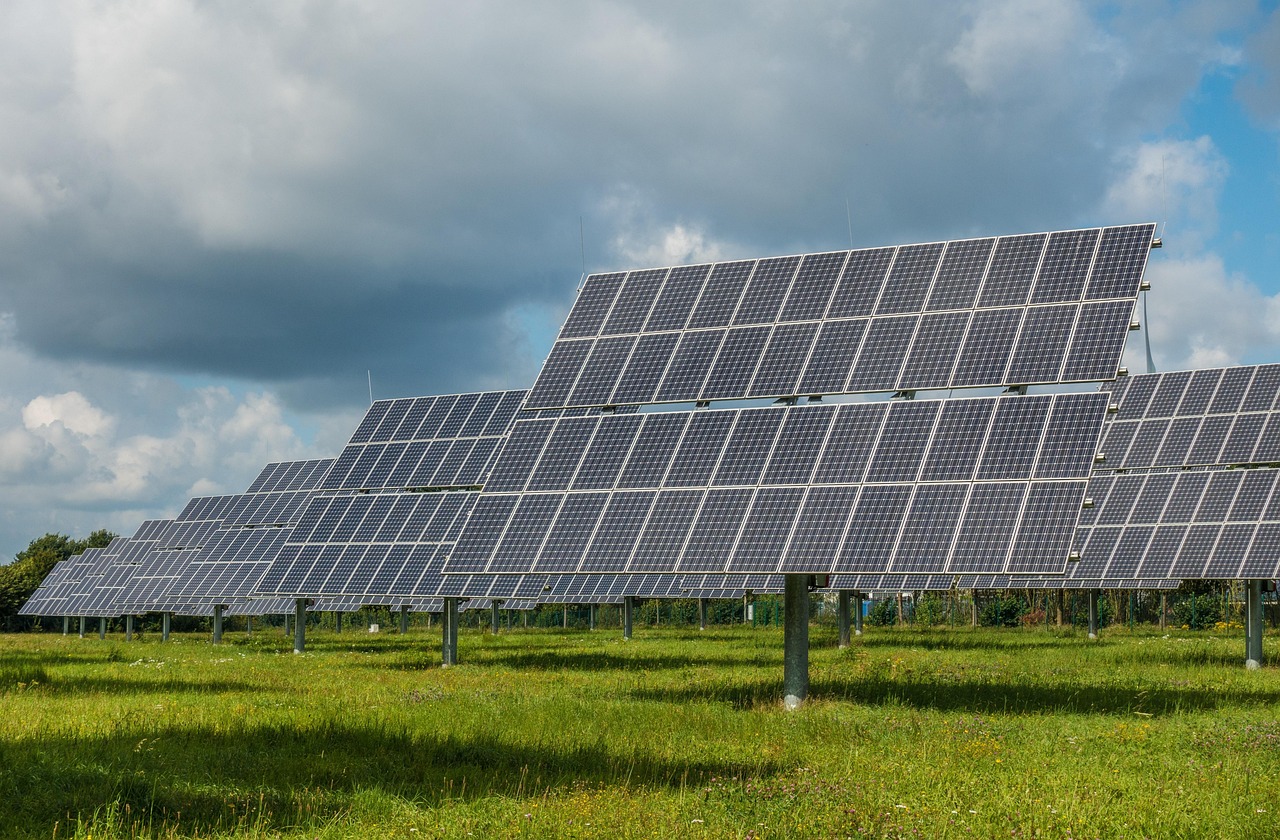
Solar photovoltaic systems are often the first option because panels are modular and can be installed on roofs, carports, or open land. They fit sites with daytime loads, such as cold storage, workshops, supermarkets, and offices with air conditioning. IRENA reported in Renewable Power Generation Costs in 2023 that the global weighted average levelized cost of electricity for utility-scale solar PV fell to USD 0.044 per kWh in 2023, down 90% from 2010. Your local cost will be different, but the long price trend explains why solar appears on many project lists. (irena.org)
Wind Power for Sites with Strong Resource
Wind can work well with solar when the site has steady wind, enough setback distance, and suitable permitting. It can also produce power at night or in seasons when solar output is lower. The main point is simple: wind is very site-sensitive. A small turbine in a weak wind area may underperform, while a well-sited turbine can add useful supply diversity. Before choosing wind, you need measured wind data or a bankable resource study.
Battery Storage and Smart Controls for Smoother Output
Batteries do not create energy, but they make renewable electricity easier to use on site. They can store midday solar, limit export, support backup loads, and reduce sudden power changes. Controls are just as important as the battery itself. A smart controller decides when to charge, discharge, curtail, or draw from the grid. Without good controls, even good hardware can run poorly, like a trained team working without a shift plan.
How Do You Size a Renewable Energy System Without Wasting Budget?
Sizing is where many projects either become useful or become awkward. Bigger is not always better. If the system is too small, it barely changes the bill. If it is too large, you may deal with wasted energy, export limits, extra grid studies, or batteries that sit idle. Meter data is not exciting, but it usually tells the truth.
Load Data Comes First
Start with at least 12 months of electricity bills, interval data if available, and a list of major equipment. You need to know peak demand, daily use, weekend load, seasonal changes, and critical loads. A factory with two shifts has a different load shape from a farm irrigation site or a hotel. The best renewable design follows that shape as closely as possible.
Site Resource Sets the Real Ceiling
Roof area, shading, land space, wind quality, dust, snow, temperature, and grid connection limits all set the real boundary. A warehouse roof may look large from the ground, then lose usable area to skylights, fire pathways, vents, and weak structural zones. For solar, the practical design area is rarely the full roof. For wind, local turbulence can cut output even when regional wind maps look good.
Future Expansion Needs Space and Electrical Headroom
If you plan to add new machines, EV chargers, cold rooms, or electric boilers, tell the system designer early. Extra conduit space, inverter room, transformer capacity, and switchgear planning can save money later. It is much easier to reserve space during the first build. Reopening walls or replacing a crowded panel after production has started is usually slower and more expensive.
What Costs and Returns Should You Check Before Buying?
Price per watt is easy to compare, but it can hide details that matter in operation. A buyer should check energy output, warranty terms, finance cost, maintenance, insurance, grid charges, taxes, and downtime risk. One number does not tell the full story, even if a sales table makes it look that way.
Generation Cost Is Only One Part
IRENA reported that 2023 global weighted average LCOE reached USD 0.033 per kWh for onshore wind and USD 0.044 per kWh for utility-scale solar PV. These are global benchmarks, not a quote for your site. Local labor, mounting structure, grid work, permitting, financing, and import duties can change the final price. Use public data as a reference point, then make the buying decision with site-specific bids. (irena.org)
Storage Changes the Payback Story
Battery storage can increase self-use and backup value, but it also adds upfront cost. The U.S. Energy Information Administration said solar and battery storage were expected to make up 81% of new U.S. electric-generating capacity in 2024. That does not mean every business needs a large battery. It means solar-plus-storage has become a common planning option in a major power market. The useful size depends on tariffs, outage risk, and the value of keeping operations running. (eia.gov)
Maintenance and Warranty Terms Protect the Long Game
Panels, inverters, batteries, turbines, meters, and controllers age in different ways. Ask who handles maintenance, how fast replacement parts can ship, and what data is needed to confirm a fault. A warranty with unclear paperwork can become a problem when a production line is waiting. Clear service terms may not look exciting in a proposal, but they protect returns year after year. See also: EVs.
How Can Renewable Energy Systems Support Resilience and Compliance?
Renewables are often discussed as a carbon solution, but resilience can matter just as much for a business site. If your site loses power during a storm, voltage event, or grid repair, a renewable system with the right storage and protection can support selected loads. The word selected is important. Backup design should focus on what must keep running, not every device with a plug.
Microgrids Keep Critical Loads Running
A microgrid can disconnect from the main grid and supply critical circuits with local generation and storage. NREL describes modern hybrid energy systems as combinations of resources such as solar, wind, storage, hydrogen, and controls for more reliable operation. For a business site, this may mean keeping security, refrigeration, IT, pumps, or emergency lighting active while noncritical loads stay off. That kind of design needs clear priorities before the hardware is selected. (nrel.gov)
Clean Power Helps Scope 2 Reporting
If your customers ask for carbon data, on-site renewable generation can support electricity-related emissions reporting. You still need proper metering, certificates where applicable, and records that match accepted reporting rules. Do not treat a dashboard screenshot as a full compliance file. Keep bills, generation data, equipment records, and contract terms in one place so the numbers can be checked later.
Better Forecasting Reduces Operational Surprises
Forecasting helps you plan battery dispatch, equipment schedules, and backup readiness. Weather data, load history, and control software can help the system prepare for clouds, high winds, or peak prices. It is not magic. It is better timing, and in energy management, better timing often means fewer bad surprises at the end of the month.
What Should You Ask Before Choosing a Supplier?
The supplier decision is where technical quality meets real service. A good proposal should explain the design, expected output, limits, safety method, data access, and support plan in clear language. If a proposal only shows glossy photos and a payback promise, slow down and ask for the missing details.
Proven Components Beat Fancy Claims
Ask for component brands, certifications, datasheets, warranty periods, and project references. For solar, check module degradation terms and inverter replacement planning. For storage, ask about battery chemistry, cycle life, fire safety, thermal management, and end-of-life handling. For wind, request tower, blade, brake, and noise information. Plain answers are usually a good sign.
Engineering Documents Need Plain Answers
A professional package should include a single-line diagram, layout, production estimate, structural notes, protection settings, monitoring plan, and grid connection steps. You do not need to be an engineer to spot missing items. If the supplier cannot explain how power moves from panel or turbine to your loads, the design is not ready for purchase. It is better to find that out before paying the deposit.
After Sales Support Matters More Than Brochure Promises
Renewable assets run for years, so support should be agreed from day one. Ask about remote monitoring, response times, spare parts, software updates, cleaning, inspection schedules, and staff training. A slightly higher bid with real support can be better than a low bid that leaves you looking for help after the first fault code. This is especially true for sites where downtime has a direct cost.
FAQ
Q1: What Is a Renewable Energy System? A: It is a power system that uses renewable sources such as solar, wind, hydro, biomass, or geothermal energy, often paired with inverters, storage, controls, and monitoring.
Q2: Are Renewable Energy Systems Good for Small Businesses? A: Yes, if the site has suitable space, steady electricity demand, and fair local rules. Small systems can cut grid use, support backup loads, and give customers a visible clean power step.
Q3: Do You Need Batteries with Solar Power? A: Not always. Batteries help when you need backup, higher self-use, peak shaving, or evening power. If daytime demand already matches solar output, a smaller battery or no battery may make sense.
Q4: How Long Does a Commercial Renewable Project Take? A: Simple rooftop solar may take a few months from survey to operation. Larger hybrid systems can take longer because of engineering, permits, grid studies, procurement, and commissioning.
Q5: What Is the Biggest Mistake When Buying Renewable Energy Systems? A: The biggest mistake is buying only by upfront price. You should compare lifetime output, safety, warranties, service response, monitoring quality, and how well the design fits your actual load.