

Why Are Clean Energy Fuels Moving from Option to Priority?
Clean energy fuels are no longer something companies look at only for a trial project. They matter to firms that move goods, run production sites, or sell to buyers who ask about carbon. If you are comparing fuel choices, the useful question is not whether clean energy matters. It is which fuel fits your route, site, budget, and buyer expectations without making daily work harder than it needs to be.
Rising Renewable Power Supply
The power base is changing quickly. The International Renewable Energy Agency reported in Renewable Capacity Statistics 2026 that global renewable power capacity reached 5,149 GW in 2025 after adding 692 GW in one year. Renewables made up 85.6% of net capacity expansion. This does not mean every grid is clean today, but it does mean electricity can become a better clean fuel choice year by year, especially in markets where solar and wind keep growing.
Transport Demand Pressure
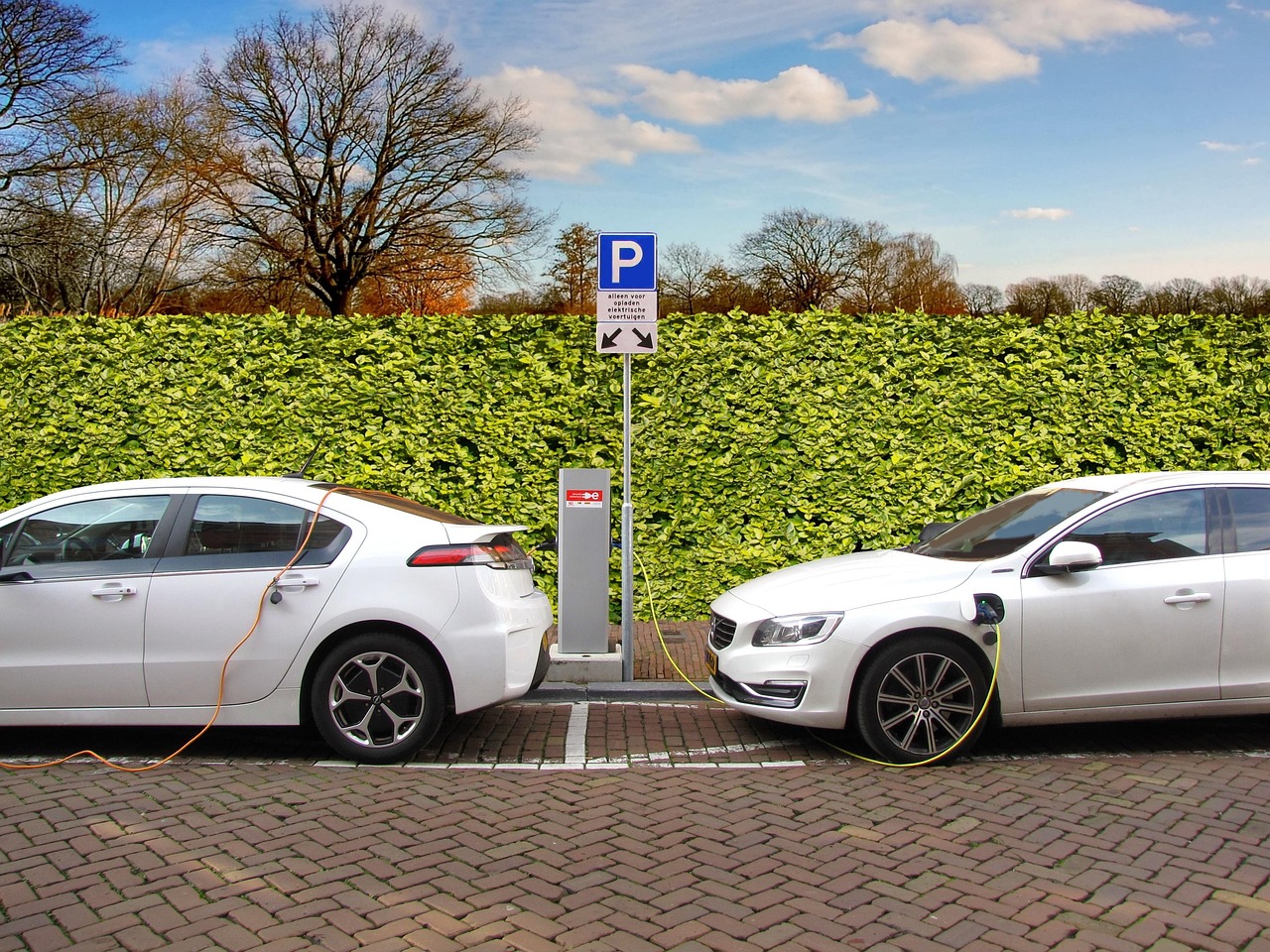
Transport still needs fuel that works in the field, not slogans. A delivery van, a port tractor, and a long-haul truck do different jobs, so they should not be judged by the same fuel plan. The International Energy Agency said in Global EV Outlook 2026 that electric car sales exceeded 20 million in 2025, up 20% from 2024, and reached 25% of the global car market. That puts electricity into real transport use at scale, although heavy freight still needs careful route and charging checks.
Policy Signals That Shape Fuel Markets
Fuel policy is also moving the market. In the United States, the Environmental Protection Agency finalized Renewable Fuel Standard volumes for 2026 and 2027. The final total renewable fuel applicable volumes were 26.81 billion RINs for 2026 and 27.02 billion RINs for 2027, with one RIN equal to one ethanol-equivalent gallon. For buyers, this points to steady demand for qualifying renewable fuels, especially biofuels that can work inside existing liquid fuel systems.
Which Clean Energy Fuels Matter Most for Real Projects?
Clean energy fuels do not fix the same problem. Some fit light duty vehicles and building loads. Some help diesel assets cut fossil fuel use while those assets are still in service. Others are still costly, limited, or difficult to store. A simple fuel map can stop a company from buying a popular option that the site team struggles with six months later.
Renewable Electricity for Direct Use
Electricity is often the most practical daily choice when equipment returns to base, has enough parking time to charge, and uses a load pattern that can be planned. City buses, forklifts, airport ground support, vans, small trucks, and on-site machines are common examples. The IEA Global Energy Review 2026 reported that renewables produced 34% of global electricity in 2025, up from 32% in 2024. Cleaner grids make electric equipment easier to justify, but local peak tariffs and charger queues can still create real operating costs.
Biofuels for Liquid Fuel Assets
Biofuels fit projects where assets cannot be replaced quickly. Renewable diesel, biodiesel, ethanol blends, biomethane, and sustainable aviation fuel can use parts of the current fuel chain, depending on engine approvals and local rules. The practical value is speed. A fleet with tanks, pumps, trained mechanics, and fixed routes may cut fossil fuel use sooner with a certified drop-in or blend than with a full equipment change.
Clean Hydrogen for Hard Loads
Hydrogen can help where batteries are too heavy, charging time costs too much, or high temperature process heat is needed. It should still be treated as a fuel with limits, not as a simple answer for every job. The IEA Global Hydrogen Review 2026 said low emissions hydrogen production grew 20% in 2025 to almost 1 Mt, while total hydrogen demand passed 100 Mt and remained mostly tied to refining and industry. That gap is important because hydrogen has potential, but available low emissions supply is still narrow.
How Do Clean Energy Fuels Compare with Fossil Fuels?
The fair comparison is not just pump price. Buyers need to look at carbon intensity, downtime, supply risk, site work, safety, and the cost of changing normal work habits. Fossil fuels feel simple because the supply system is already mature. Clean energy fuels can feel harder at the start because the buyer may need to build part of the new system on-site.
Lower Carbon Intensity Over the Fuel Life Cycle
Life cycle carbon decides whether a fuel is actually cleaner. Renewable electricity from a wind-heavy grid gives a different result from charging on a coal-heavy grid. Biofuel carbon results depend on feedstock, land use, processing, and transport. Hydrogen depends on production method. The IEA reported in 2026 that low emissions power generation reached a record 43% of global electricity generation in 2025, including renewables and nuclear. That helps the background case, but certificates and local data still need to be checked.
Price Risk Beyond the Pump
Fossil fuels carry global commodity risk. Clean fuels carry other risks, including electric demand charges, renewable fuel certificate prices, feedstock swings, electrolyzer uptime, or a missing spare part. These items are less eye-catching than a fuel price chart, but this is where money is often lost. For a warehouse fleet, a five-minute charging delay at shift change may matter more than a small difference in cents per kilowatt-hour.
Infrastructure Fit and Downtime
Infrastructure fit often decides whether a project works. A depot may need new transformers, trenching, fire review, traffic flow changes, or staff training. A biofuel switch may need tank cleaning, seal checks, cold weather review, and supplier paperwork. Hydrogen needs storage, compression or delivery, leak detection, and clear safety practice. A good fuel choice feels normal in daily use. Drivers arrive, equipment runs, records match, and nobody has to invent a workaround during a busy shift.
Where Do Buyers See the Fastest Payback?
No public source can give one honest payback number for every clean fuel project. Tariffs, duty cycles, local incentives, equipment prices, and fuel contracts vary too much. Reliable public data can show market direction, but site-level savings need meter data, route logs, maintenance history, and supplier quotes from the actual project.
Fleet Depots and Daily Routes
Fleet depots often move first because the route is known. A van that drives 80 miles a day and returns at 6 p.m. is much easier to plan than a truck that crosses three states. Charging can happen overnight, and maintenance can be scheduled around normal downtime. For buses, refuse trucks, yard tractors, and delivery vans, clean energy fuels work best when vehicles return to the same base and managers can control fueling time.
Industrial Heat and Process Fuel
Factories need a stricter review. Low and medium temperature heat may fit electrification, heat pumps, biomass, biogas, or renewable power contracts. High temperature heat can point toward hydrogen, biomethane, or renewable liquid fuels, depending on the process. Food plants, ceramics, chemicals, and metals all have different operating problems. The plain details matter here because burners, permits, product quality, and maintenance windows decide whether the switch works.
Backup Power and Remote Sites
Remote sites usually judge fuels by reliability first. Solar plus batteries can cut diesel runtime at telecom towers, farms, mines, and island facilities. Renewable diesel or biodiesel can lower fossil content where generators still have to stay in use. Hydrogen fuel cells may fit some backup jobs, but only where storage and delivery are secure. If a storm blocks the road, the cleanest fuel is not useful unless the site can still run. See also: EVs.
What Should You Check Before Choosing a Fuel?
A clean fuel purchase should start with evidence, not a brochure. Ask what the fuel is, where it comes from, how it is certified, how it performs in your equipment, and what happens on the worst operating day. A case study from a mild climate may not help a cold depot in January, so local conditions need to be part of the check.
Verified Supply and Certificates
Ask for product specifications, sustainability certificates, chain of custody documents, and emissions factors. For renewable electricity, check the grid mix, contract type, and certificate rules. For biofuels, confirm feedstock, blend level, cold flow properties, and engine approval. For hydrogen, ask whether it is produced by electrolysis, reforming with capture, biomass routes, or another method. If the supplier cannot document the claim, treat the claim as marketing, not data.
Equipment Compatibility
Compatibility is not just a yes or no box. Engines, seals, filters, tanks, pumps, chargers, software, and warranties all matter. A small blend change can affect storage practice. A charger can overload a weak panel. A hydrogen system needs trained staff and detection equipment. Before signing, ask the equipment maker, the fuel supplier, the insurer, and the site safety lead to review the same plan.
Local Rules and Incentives
Rules change by country, state, and sector. Some places support renewable fuel credits. Some focus on zero emission vehicle mandates. Some reward low carbon intensity through fuel standards. The U.S. Department of Energy also set a Hydrogen Shot target to cut clean hydrogen cost by 80% to $1 per kilogram within a decade from its 2021 launch, a target rather than a current market price. Treat incentives as upside, not as the only reason the project works.
How Can Clean Energy Fuels Support Export and Brand Growth?
For an export business, clean energy fuels are not only an operations issue. They can help answer buyer questions about carbon, supply risk, and long-term value. This matters more when customers sell into markets with product carbon reporting, green procurement rules, or retailer climate targets.
Cleaner Products for Carbon-Sensitive Buyers
Many buyers now ask how products are made and moved. If your factory uses renewable electricity, if your warehouse fleet is electric, or if your logistics partner uses certified renewable fuel, you have a clearer story to share. Keep it factual. Do not say a product is carbon free unless the data supports it. A simple statement backed by invoices and certificates is stronger than a polished claim with no proof.
Better Risk Position in Long Contracts
Long contracts reward stable energy plans. Clean energy fuels can reduce exposure to fossil price jumps, future carbon fees, and buyer pressure. That does not make every project cheap. It does make energy risk easier to explain during tenders. A buyer may not pay more on day one, but a cleaner and documented fuel plan can help you stay on a preferred supplier list.
Practical Messages for Sales Teams
Sales teams need plain language. Instead of saying the company has a transformational decarbonization pathway, say what changed: electric forklifts replaced diesel units at the warehouse, certified renewable diesel is used for a defined fleet, or solar power covers a share of site demand. Add the source, date, and boundary. Buyers trust clear limits, and a careful sentence often sounds more credible than a perfect one.
FAQ
Q1: What Are Clean Energy Fuels? A: Clean energy fuels are energy carriers that can cut fossil fuel use or lower life cycle emissions. Common examples include renewable electricity, certified biofuels, biomethane, and low emissions hydrogen.
Q2: Are Clean Energy Fuels Always Zero Carbon? A: No. Carbon results depend on feedstock, power source, production method, transport, and use. Always ask for life cycle data and certificates before making a claim.
Q3: Which Fuel Is Best for a Delivery Fleet? A: Electric vehicles often fit short and predictable routes that return to base. Biofuels may fit mixed or longer routes where existing diesel assets must stay in service.
Q4: Is Hydrogen Ready for Every Business? A: Not yet. Hydrogen can fit heavy loads and some industrial uses, but public IEA data shows low emissions hydrogen supply is still small compared with total hydrogen demand.
Q5: How Should You Start a Clean Fuel Project? A: Start with route logs, site power data, equipment warranties, fuel certificates, safety review, and total operating cost. Then test one controlled use case before scaling.