
Why Does Clean Solar Energy Matter for Buyers Now?
Clean solar energy is no longer only a line in a sustainability slide. If you are checking power choices for factories, warehouses, farms, offices, or export projects, the wider clean energy category is a good place to start. Solar still has limits, and a wet week can affect output, but current market numbers make it hard for buyers to ignore.
A Fast Growing Power Source
The International Energy Agency reported in Renewables 2023, published in January 2024, that the world added almost 510 GW of renewable power capacity in 2023, up 50% from the previous year, and solar PV made up about three quarters of those additions. For buyers, that scale matters. Large markets usually mean more available parts, more trained installers, and pricing that is easier to compare.
Lower Operating Emissions
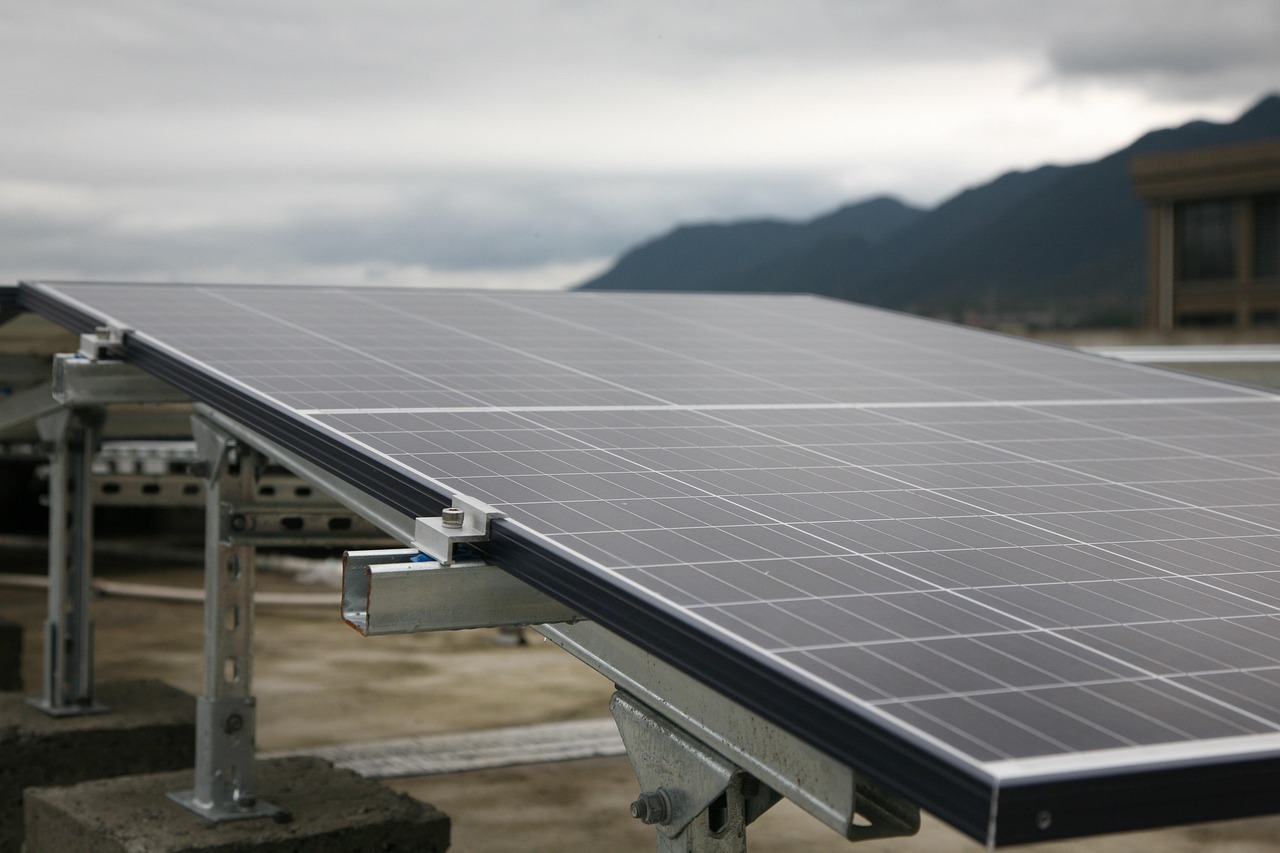
During operation, a PV array makes electricity without burning fuel. The IPCC Sixth Assessment Report states that solar PV produces far less carbon dioxide per unit of electricity than fossil power across its life cycle, although results change by manufacturing location and grid mix. For a buyer, the main point is clear: solar can cut operating emissions without replacing every machine inside the building.
A Practical Fit for Export Oriented Sites
Export buyers often deal with customers who ask for cleaner production records. A rooftop or ground-mounted PV system can support that discussion with meter data, not loose claims. It also gives the site a visible energy asset. In real customer visits, panels on a warehouse roof are easier to notice than a spreadsheet, and that can help in commercial talks.
How Clean Is Solar After Manufacturing and Disposal?
A fair view of clean solar energy has to cover the full system life, from silicon processing to transport, operation, and end-of-life handling. Panels use glass, aluminum, silicon, copper, and polymers. They are industrial products, so they have impacts. The practical question is whether those impacts are low compared with the electricity they replace.
Lifecycle Carbon Stays Low
The IPCC AR6 Working Group III report notes that recent solar PV life-cycle emissions are commonly far below coal and natural gas generation, with cited modern PV ranges around 18 to 60 gCO2 per kWh in supporting literature. That does not make every panel the same. Cleaner manufacturing electricity, better production yield, and longer service life all help improve the final result.
Energy Payback Is Short
NREL published an updated U.S. utility-scale solar life-cycle assessment in 2024 and found energy payback time from about 0.5 to 1.2 years, with a benchmark value near 0.6 years. In plain buyer language, a well-built utility PV project can produce the energy used across its life-cycle stages in a short time. After that, it can spend many years making net clean electricity.
Recycling Needs Early Planning
End-of-life planning should not wait until year 25. The U.S. Environmental Protection Agency said in 2025 that the United States could have as much as one million total tons of solar panel waste by 2030. IRENA and IEA-PVPS also estimated in a 2016 report that global PV panel waste could reach 60 to 78 million metric tons by 2050. Recycling is not a small note at the end of the file; it should be written into procurement terms early.
Can Clean Solar Energy Cut Costs Without Hiding Risk?
Solar cost claims can look too neat on a proposal sheet. A price may seem strong at first, then change after roof checks, grid studies, labor review, or tariff updates. Even so, public cost data explains why solar has become attractive for many power buyers. It is better to treat solar as a long-term energy asset, not as a quick discount line.
Falling Project Costs
Berkeley Lab’s Utility-Scale Solar 2024 Edition reported that new U.S. utility-scale solar projects completed in 2023 had an average levelized cost near $46 per MWh before tax credits and about $31 per MWh after federal incentives. That is not a direct quote for every site. It does show why developers and commercial buyers still keep solar in the budget discussion.
Better Price Control
Grid electricity prices can move with fuel, transmission, peak demand, and policy costs. A solar system moves part of your power supply into a capital asset with output that is easier to forecast. For sites with daytime loads, this can be useful. Cold storage, machining, office parks, and water pumping are common examples. The system produces most when many businesses are already using power.
Site Conditions Still Decide Returns
A low module price cannot fix a poor site. Shading from a taller building, weak roof structure, dust, snow, bad cable routes, or limited grid export can reduce returns. A warehouse roof does not respond to slogans; it responds to weight, shade, and access paths. Careful due diligence keeps a clean-looking proposal from becoming a field problem.
What System Choices Shape Real Solar Performance?
Performance comes from the full system, not from the module alone. Clean solar energy depends on panels, inverters, mounting, wiring, protection devices, software, service response, and user habits. A better design can beat a louder sales claim. For commercial buyers, the question is not only how many kilowatts can be installed, but how many useful kilowatt-hours the site can use.
Panels, Inverters, and Layout
Panel power ratings are easy to read, but layout often decides daily output. Tilt, orientation, string design, ventilation, mismatch losses, and safe maintenance space all matter. Inverters need close review because they turn DC power into usable AC power. They also manage many safety functions. A solid inverter plan can reduce downtime when one part has a fault.
Storage for Evening Loads
Batteries can move noon solar power into evening use, reduce peak demand, and support backup plans. The U.S. Energy Information Administration said in 2025 that solar and battery storage were expected to lead new U.S. generating capacity additions that year, after solar added a record 30 GW of utility-scale capacity in 2024. For buyers, that pairing is no longer unusual. It is being used because many sites need power after the sun drops.
Monitoring and Maintenance Habits
Solar maintenance is usually light, but it is not zero. Soiling, loose connectors, inverter alarms, vegetation, water drainage, and animal damage can cut production. A live monitoring portal helps you spot a weak string before the monthly bill shows the loss. Simple habits also matter. Checking alarms after storms can save real money over a 25-year project life. See also: EVs.
How Should You Compare Clean Solar Energy vs Other Options?
Solar should be judged against the job the site needs it to do. A factory may need lower daytime energy cost. A farm may need remote pumping. A data room may need stable power, not only low emissions. No single option wins in every case, so many clean energy plans mix solar with grid power, storage, load control, and sometimes backup generation.
Solar vs Grid Electricity
Grid power is simple because it is already connected. It can still carry changing prices and a mixed generation profile. Solar gives the site local production and clearer emissions accounting for part of the load. If the site uses most power during daylight hours, self-consumption may be worth more than exporting unused electricity at a lower rate.
Solar vs Diesel Backup
Diesel generators are still useful for emergency power. They also burn fuel, need regular testing, make noise, and add local air pollution. Solar cannot replace a generator at every site, especially at night without storage. In remote or weak-grid locations, it can cut generator runtime. Less runtime means fewer fuel deliveries and fewer maintenance issues.
Solar Plus Storage vs Standalone Solar
Standalone solar is usually simpler and lower cost. Solar plus storage costs more, but it can serve more evening load and reduce demand charges where tariffs reward peak shaving. The right answer depends on the site load curve. Ask for hourly modeling, not only an annual production estimate. Annual totals can hide bad afternoon or evening gaps.
What Should Buyers Check Before Signing a Solar Contract?
A solar contract should make risk clear. Good documents list equipment, energy assumptions, warranties, safety standards, grid steps, delivery dates, acceptance testing, and service duties. If a proposal avoids detail, slow down. The lowest bid can become expensive when roof repairs, inverter replacement, or permit delays appear after signing.
Load Data and Roof Strength
Start with at least 12 months of electricity bills and, if possible, interval meter data. Then check roof age, load capacity, waterproofing, fire access, and future expansion plans. A new PV system on a roof that needs replacement in five years is a costly mistake. Structural review may feel dull, but it protects the budget. These checks are basic work, not paperwork for show.
Warranty Terms and Service Access
Panel warranties, inverter warranties, workmanship coverage, and response times are not the same item. Read them one by one. You should know who answers service calls, where spare parts come from, and how lost production is handled. A simple commercial checklist can include:
- Module product and performance warranty terms
- Inverter replacement process and lead time
- Mounting system corrosion rating
- Monitoring access for the site owner
- Clear end-of-life and recycling responsibilities
Supplier Quality and Bankability
IEA’s Solar PV Global Supply Chains report highlighted heavy concentration in PV manufacturing, with China holding more than 80% of global module manufacturing capacity and about 95% for wafers at the time of the analysis. This does not mean buyers should avoid Chinese supply. It means supply chain checks, factory quality records, certifications, and after-sales support need real review. For commercial projects, supplier follow-up after delivery is often as important as the product price.
FAQ
Q1: Is Clean Solar Energy Reliable for Daily Business Use? A: Yes, when the site has good sun access, sound engineering, and a maintenance plan. For night loads or backup needs, add storage or keep grid and generator support.
Q2: How Long Do Solar Panels Usually Last? A: Many commercial PV modules are designed for about 25 to 30 years of service, though output slowly declines. Contract terms should state the allowed annual degradation and warranty process.
Q3: Does Solar Work for Small Commercial Roofs? A: Often yes. The key points are usable roof area, shade, roof condition, electricity rate, and daytime load. A small system that is used well can beat a large system that exports too much low-value power.
Q4: What Is the Biggest Mistake in Solar Purchasing? A: Choosing only by panel price. A better review compares total installed cost, expected production, inverter quality, warranty support, safety design, and service access.
Q5: Should You Add Battery Storage Immediately? A: Not always. Storage makes sense when evening loads, outages, demand charges, or export limits justify the added cost. Ask for hourly financial modeling before making that decision.