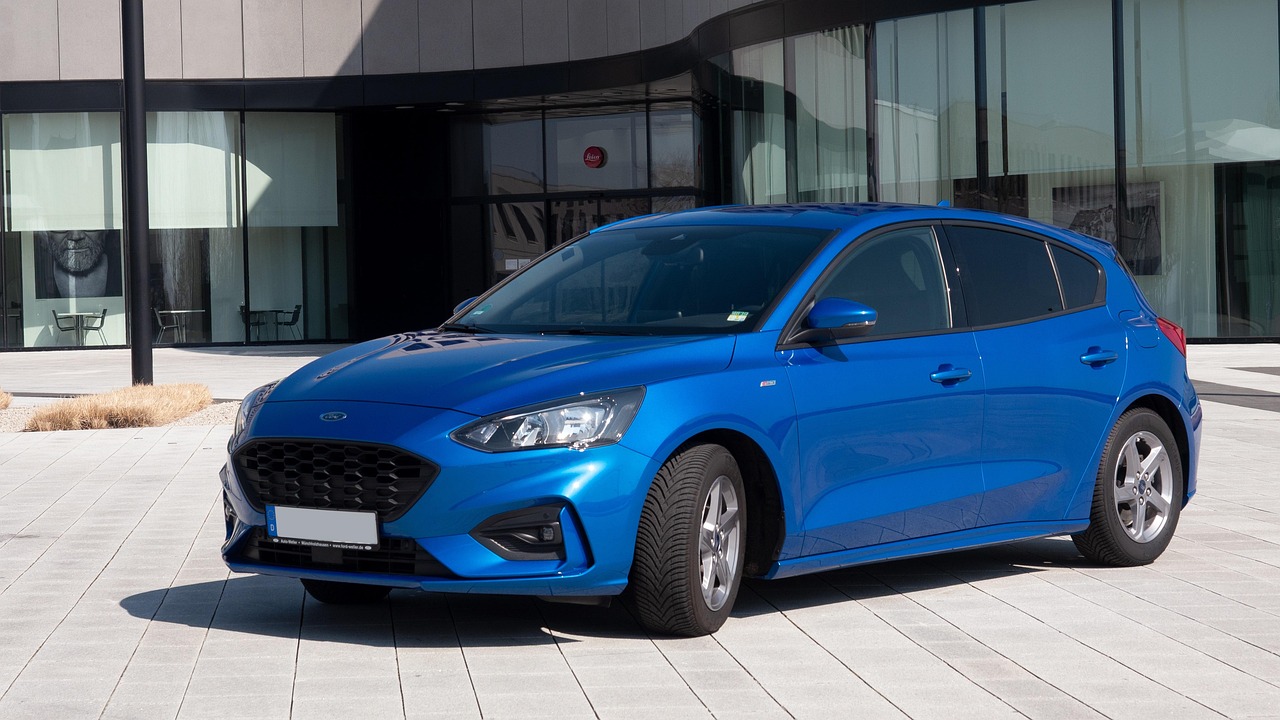

Ford EVs are in a more practical buying market in 2026. Buyers still get familiar Ford shapes, from the Mustang Mach-E SUV to electric work vans, but price, charging access, and real use now matter more than hype. If you are checking wider electric vehicle options, the EVs section is a useful place to compare trends before choosing a model.
Yes, for the right driver. It is not a simple yes for every driveway or fleet yard. Public data points in two directions at once: global EV demand is still rising, while the U.S. market has become more careful. The International Energy Agency reported that electric car sales passed 20 million globally in 2025 and projected 23 million in 2026, equal to 28% of total car sales. In the United States, EV sales were just under 10% of car sales in 2025, so buyer behavior is still more mixed than in China or Europe. (iea.org)
The Short Answer for Daily Drivers
If your week is mainly commuting, school runs, grocery stops, and a few weekend drives, a Ford EV can feel like a normal car. Many buyers forget that because EV talk often jumps to long road trips, cold weather, or towing. A home charger, a steady route, and a sensible range buffer matter more than the largest battery listed in the brochure. For daily use, the boring setup is often the best setup.
The Market Is Bigger but Tougher
Ford reported 84,113 U.S. electric vehicle sales in 2025 across three nameplates, with Mustang Mach-E sales at 51,620 units. Those numbers show Ford EVs are not trial products sitting on the side of the market. At the same time, they still face price pressure, changing incentives, and close checks from buyers. People now compare leases, charging benefits, software, and resale value with more care. (fromtheroad.ford.com)
Ford’s Shift Toward Affordable Trucks
Ford’s July 2, 2026 U.S. sales release pointed to retooling at Louisville Assembly Plant for an affordable small four-door electric pickup planned for the following year. That detail matters because it shows Ford moving from early headline EVs toward vehicles built for lower cost and higher volume. For buyers who mainly want an electric pickup, waiting may be worth a look. The decision depends on whether you need a truck now or can hold off for the next product cycle. (sec.gov)
Which Ford EVs Should You Compare First?
Start with the work the vehicle has to do, not the badge on the front. Ford’s electric options serve different use cases, and a poor match can feel expensive even when the vehicle itself is sound. A solo commuter, a family of four, and a delivery operator should not use the same buying checklist.
Mustang Mach-E for Families and Commuters
The Mustang Mach-E is the Ford EV many households can picture using every day. Ford lists the 2026 Mustang Mach-E with up to 320 miles of EPA-estimated range on the Premium model with the available extended-range battery and rear-wheel drive. That gives a decent buffer for a 40-mile commute, errands, and an extra evening trip without turning charging into a daily problem. It is still worth matching the exact trim to your driving pattern before signing. (ford.com)
F-150 Lightning for Truck Buyers
The F-150 Lightning keeps the basic truck idea familiar: electric pickup layout, quick torque, a front trunk, and job-site power features. In 2026, availability and model-year timing need a careful dealer check. Ford is also talking more about its next electric pickup path, so buyers should not rely only on old launch news. If you need a truck right now, compare actual inventory, battery size, payload, towing needs, and warranty terms.
E-Transit for Commercial Routes
E-Transit is mainly a business tool, not a lifestyle purchase. It fits fixed routes, depot charging, urban deliveries, contractors, campuses, and service teams that return to base. If your vans run similar miles each day, electric vans are often easier to plan than one-off consumer road trips. A plumber driving 55 local miles per day has a different problem from a courier crossing three states. The better the route data, the easier the buying call becomes.
How Much Range and Charging Ease Do You Really Need?
Range anxiety gets a lot of attention, but the charging routine matters more in daily ownership. A 300-mile EV with poor charging access can still feel stressful. A 240-mile EV with a steady overnight plug can feel simple. That simple part is what many owners are really buying.
A 320-Mile Rating Fits Many Families
For the Mach-E, the headline range number is useful, but it is not a promise for every day. Cold weather, highway speed, roof boxes, hills, and heavy cabin heat can cut real range. A practical rule is to buy enough range so your normal day uses far less than the battery offers. If you regularly drive 90 miles, a 260-mile or 320-mile estimate is usually workable. If you tow or run long interstate routes, use a stricter margin.
Home Charging Changes the Math
Home charging is the quiet advantage of EV ownership. Plugging in at night feels more like charging a phone than making a fuel stop. Ford also promotes home charging support through its Ford Power Promise program and says eligible buyers or lessees can receive a home charge station with expert help, subject to program terms. Confirm the current offer before signing, because automaker programs can change quickly. (ford.com)
Public Charging Has Grown
Public charging is no longer a small side network, but route quality still varies. The Joint Office of Energy and Transportation reported 256,900 public EV charging ports nationwide, more than double the amount available in 2020. That is a real improvement for buyers. Still, one broken fast charger at a rural stop can ruin the plan for that day. Check your actual routes in a charging app before buying. (driveelectric.gov)
What Costs Matter Beyond the Sticker Price?
The monthly payment is only one part of the cost. For Ford EVs, the real picture includes electricity rates, insurance, tires, home electrical work, incentives, resale value, and how often you use public fast charging. A cheap lease may not stay cheap if you depend on high-priced highway chargers every week.
Electricity Price vs Gas Price
EVs usually cost less to fuel when most charging happens at home. The EPA says EVs typically have lower annual fuel costs than similar gasoline vehicles, though local electricity and gas prices can change the result. A simple check helps here. Multiply your expected kWh per month by your utility rate, then compare that number with your current gas receipts. (epa.gov)
Maintenance Is Simpler but Not Free
No oil changes are a clear plus, but an EV still needs tires, brakes, filters, software attention, recalls, coolant service, and inspections. Ford’s own EV guidance recommends basic maintenance every 10,000 miles, cabin filter changes at 40,000 miles and every 20,000 miles after, plus coolant service at 200,000 miles. So the maintenance list is shorter than many gasoline vehicles. It is not zero-maintenance, and buyers should budget that way. (ford.com)
Depreciation and Incentives Need Checking
Do not assume last year’s tax credit, lease deal, or rebate is still available. Federal rules, state programs, income limits, assembly rules, dealer discounts, and battery sourcing rules can change. Ask the dealer for the out-the-door price with and without incentives. Then check any public incentive on the official program page before counting it as savings. See also: clean energy.
When Are Ford EVs a Bad Fit?
An EV can be the wrong tool, and it is better to say that before a buyer regrets the purchase. Ford EVs are strongest when charging is predictable and daily mileage is known. They are harder to justify when one vehicle has to do every job, in every place, with no planning.
Long Highway Towing
Electric torque works well for towing, but range can fall fast when you pull a trailer at highway speed. Charging with a trailer attached can also be awkward because many fast chargers are not pull-through stalls. If you tow a camper 300 miles several times a month, test that exact use case before buying. A short city test drive will not tell you enough.
No Home or Workplace Plug
If you cannot charge at home or work, ownership depends on public stations. That can still work in a dense city with reliable chargers nearby. It is less pleasant if the nearest fast charger is 25 minutes away and often busy. Apartment buyers should ask management about Level 2 plans, assigned spaces, and billing before shopping trims.
Unclear Commercial Duty Cycles
For a business, the wrong EV decision can hurt daily schedules. Before buying E-Transit vans, map daily miles, dwell time, parking layout, charger power, driver behavior, winter loads, and backup plans. One pilot van can teach a lot. Ten vans without depot power can become a branded problem in the parking lot.
How Should You Choose the Right Ford EV?
A good buying process is simple and not very glamorous. Look at your real week, drive the vehicle on real roads, and check charging before getting pulled in by screen size or paint color. Those features are nice, but they should not lead the decision.
Match the Vehicle to a Weekday
Write down your five busiest driving days from the last month. Include school, work, errands, airport runs, tools, passengers, and weather. Then compare that list with the vehicle’s usable range and cargo space. If the EV can handle the rough weekday, it will handle the easy Saturday.
Check Charging Before the Test Drive
Look at home panel capacity, charger installation cost, utility time-of-use rates, and the public chargers near your common routes. If you plan road trips, check charger spacing from 10% to 80% battery, not from 0% to 100%. Real EV travel is built around shorter and better-timed stops.
Ask About Software and Support
Ask the dealer how software updates work, what connected features cost after trial periods, and which charging networks appear in the Ford app. Ford says its app can show charging updates, charging history, and energy use, which helps if you track operating costs. Also ask who handles charger support after the sale. That is often when the real ownership work starts.
FAQ
Q1: Are Ford EVs Reliable for Daily Commuting? A: Yes, they can be reliable for daily commuting if your route is predictable and you have steady charging at home, work, or nearby public stations.
Q2: Which Ford EV Is Best for Most Families? A: The Mustang Mach-E is often the easiest fit for families because it offers SUV space, available all-wheel drive, and up to 320 miles of EPA-estimated range on select configurations.
Q3: Should You Wait for Ford’s Next Affordable Electric Pickup? A: If you want a lower-cost electric pickup and do not need a truck right away, waiting may make sense. Ford has publicly discussed an affordable small electric pickup tied to its Universal Electric Vehicle platform.
Q4: Do Ford EVs Save Money on Fuel? A: Often yes, mainly with home charging. The savings depend on your electricity rate, gas price, driving miles, and how often you use public fast chargers.
Q5: What Is the Biggest Mistake When Buying a Ford EV? A: The biggest mistake is buying only for the maximum range number. Charging access, real routes, weather, cargo, towing, incentives, and service support matter just as much.