
If you are looking at solar systems for a home, factory, farm, school, or small commercial roof, panel price is only one part of the job. The system has to match your load, local sun hours, roof space, battery plan, grid rules, and service support after installation. For product ideas and category guidance, check the solar systems section before you narrow down a design.
Public energy data explains why more buyers now treat solar as a normal power option, not just a green add-on. The International Energy Agency, in its Global Energy Review 2025, reported that solar PV supplied about 7% of global electricity generation in 2024, while renewables together produced about one-third. IRENA’s Renewable Power Generation Costs in 2024 report, published in 2025, said global solar PV capacity reached over 1,859 GW by the end of 2024, with 452 GW added that year. These are not trial project figures. They show a power source that is already widely used, though every site still needs a proper check.
How Do Solar Systems Work in Real Buildings?
From the ground, a solar system may look simple: panels on the roof, maybe a battery on the wall, and an app showing power flow. On site, the work is more practical and detailed. Each part does a clear job, and one weak part can reduce the output of the whole system.
Panels Convert Sunlight into DC Power
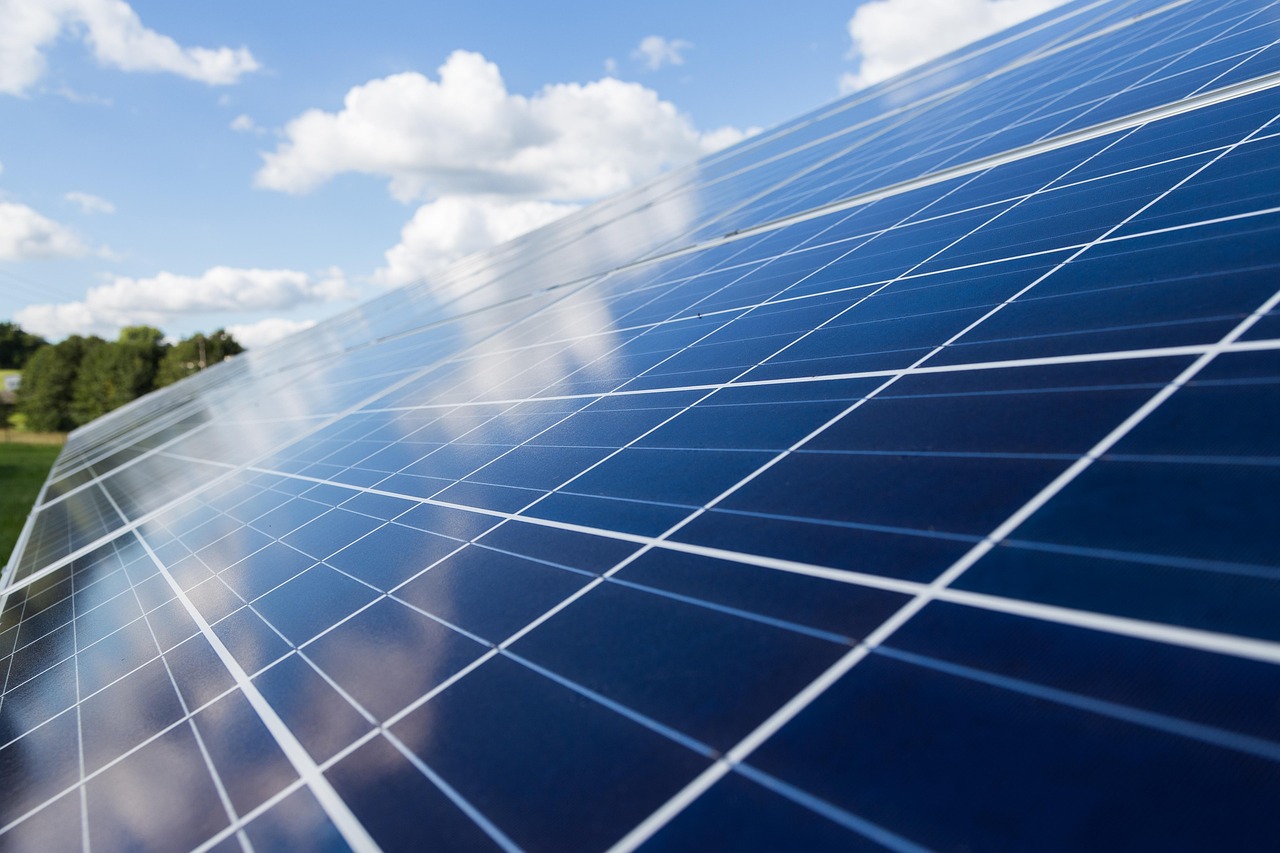
Solar modules use photovoltaic cells to turn sunlight into direct current power. Lab ratings are based on standard test conditions, often 1,000 W/m² of sunlight and 25°C cell temperature, as described in U.S. Department of Energy PV performance guidance. Real roofs are hotter, dustier, and sometimes partly shaded. Because of that, actual output is usually lower than the nameplate number.
Inverters Make Grid Friendly AC Power
The inverter changes DC power into AC power used by appliances, motors, lighting, and the grid. For a simple house, one string inverter may do the job. For a roof with several angles or shade points, microinverters or power optimizers can help each module work with less effect from the others. The main point is to match inverter size with the panel array and local voltage rules.
Mounting and Wiring Carry the Daily Load
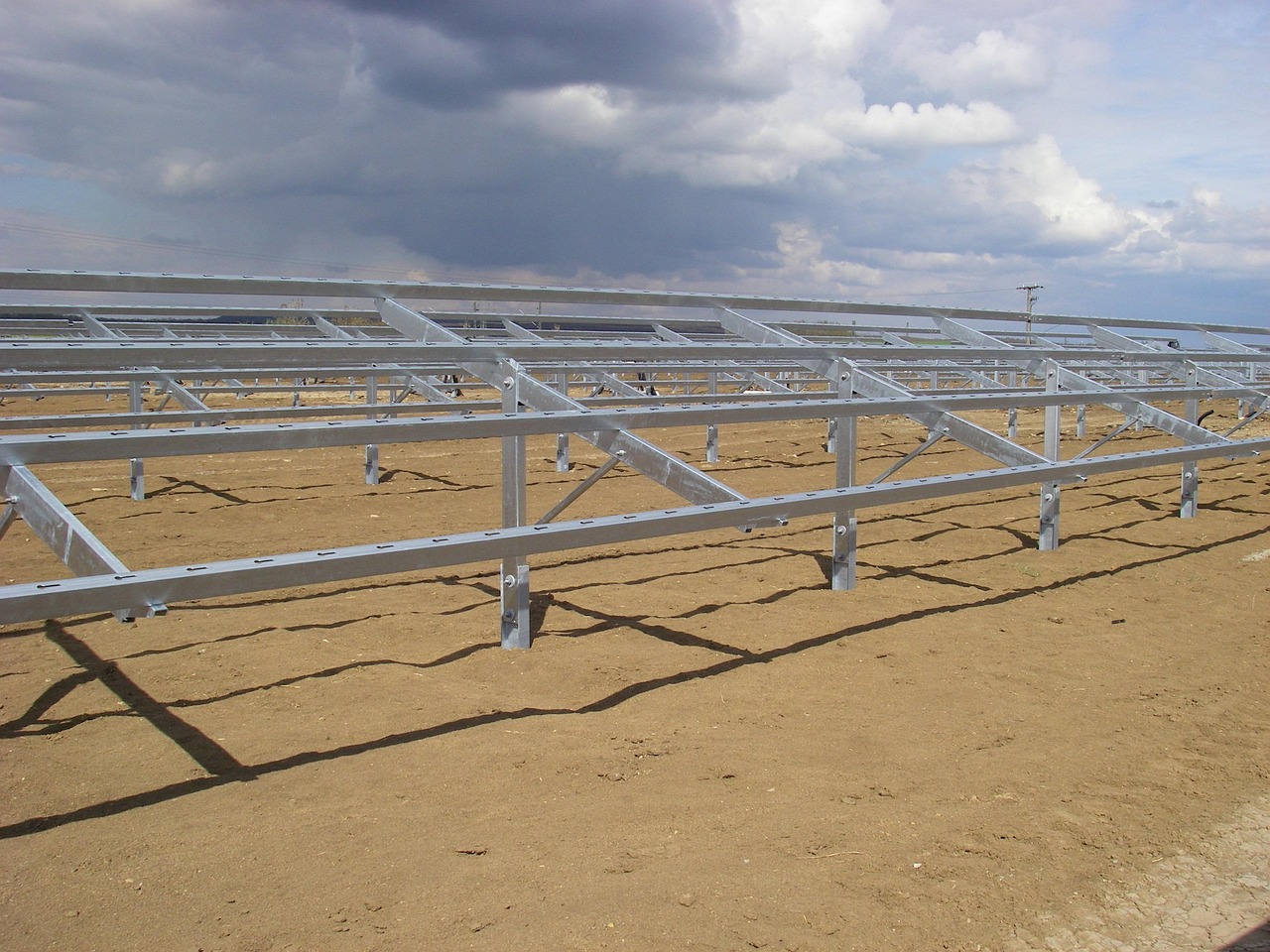
Racking, cable, combiner boxes, breakers, and earthing parts do not get much attention in sales talks, but they matter on the roof. Coastal air, strong wind, farm dust, and factory roof heat all put extra stress on hardware. A low-cost clamp or a bad cable route can cause problems years before a good module reaches midlife. That is why the small parts should be checked as carefully as the panels.
Why Are Solar Systems Worth Considering in 2026?
Solar is not judged only by environmental targets now. Buyers also look at power cost, grid reliability, peak demand charges, carbon reporting, and energy independence. A clean kilowatt-hour is useful, but a stable and planned kilowatt-hour can matter even more for a busy site.
Demand Is No Longer a Niche Signal
The U.S. market is a clear example. SEIA and Wood Mackenzie reported in the Solar Market Insight 2024 Year in Review that the United States installed nearly 50 GWdc of solar capacity in 2024, a 21% rise from 2023. That increase came from large utility projects, commercial sites, and distributed systems. It was not only driven by early adopters.
Power Prices Make Payback Personal
There is no single payback period that works for every country or every customer. Utility tariffs, export rates, taxes, installation labor, financing, and daytime load can be very different. A small shop that uses most of its power during sunny hours may get a stronger result than a holiday home that sits empty from Monday to Friday. The bills should be checked before anyone promises a fixed payback time.
Lower Equipment Costs Change the Math
IRENA’s 2025 cost report stated that new solar PV reached a global weighted average levelized cost of about USD 0.043 per kWh in 2024. IRENA also noted that solar PV was, on average, 41% cheaper than the lowest-cost fossil fuel alternatives for new power projects in 2024. This does not mean every rooftop project is cheap. It does give buyers a better starting point when they compare options.
What Size Solar System Do You Really Need?
Oversizing sounds good until export limits, unused midday power, or battery cost show up in the calculation. Undersizing can leave too much bill saving unused. A sensible system starts with the load profile, not with the roof area.
Your Annual kWh Use Sets the Base
Check at least 12 months of electricity bills before sizing the system. For a home, look for seasonal air conditioning, heating, EV charging, or pool pump use. For a business, separate weekday load from weekend load. A bakery, cold storage room, or small workshop often uses power while the sun is up, so solar can fit those sites well.
Roof Space and Sun Hours Set the Limit
A clean south-facing roof in the Northern Hemisphere is helpful, but east and west roofs can still work, especially when morning or afternoon use is high. Shade from trees, chimneys, water tanks, or neighboring buildings needs real measurement. Guessing shade is one of the common reasons output gets overstated. A short site visit can prevent a wrong design.
Future Loads Need a Plain Check
If you plan to add heat pumps, electric vehicles, irrigation pumps, or new production equipment, mention it before design starts. Adding panels later may be possible, but inverter capacity, roof layout, cable paths, and permits can make it difficult. A small allowance in the first design can save extra work later. It also helps avoid changing major equipment too soon.
Which Parts Matter Most in a Reliable Solar System?
A solar offer should not be judged by panel wattage alone. Reliability comes from the match between module quality, inverter choice, protection devices, structure, software, and after-sales support. The lowest quote may still be workable, but the bill of materials must be clear.
Modules Decide Lifetime Energy
Look at module efficiency, temperature coefficient, product warranty, and power warranty. NREL’s PV Fleet research, published in 2024, studied data from about 25,000 inverters across almost 2,500 U.S. commercial and utility-scale PV sites. It found a median performance loss near 0.75% per year. That small yearly drop is normal, and it should be included in energy forecasts.
Inverters Shape Daily Output
Inverters usually have shorter warranty periods than panels, so they need careful review. Ask about surge protection, cooling, monitoring, replacement terms, and local service. If a site has unstable grid voltage or frequent outages, the inverter specification becomes even more important. A nice module brochure will not help much if the inverter keeps tripping. See also: clean energy.
Batteries Add Control, Not Magic
Batteries can move solar power into the evening, support backup loads, and reduce peak demand. They also add cost, space needs, and more design work. Critical loads should be listed clearly, such as fridge, router, lights, medical devices, gate motor, or selected factory controls. Whole-building backup can be expensive, and some buyers only notice that after the first quotation.
How Can You Compare Solar Systems Without Getting Lost in Specs?
Spec sheets can bury a buyer in acronyms. A better comparison starts with a few practical questions: how much energy the system will produce, how much of that energy you will use, what risks are covered, and who answers the phone after installation.
Look at Energy Yield, Not Only Watts
A 10 kW system in one city will not produce the same annual energy as a 10 kW system in another city. Tilt, azimuth, temperature, dust, inverter clipping, and grid downtime all change the result. Ask for the expected annual kWh, the assumed degradation rate, and the software or method used for the estimate. This makes two offers easier to compare.
Check Warranties and Real Degradation
A warranty is useful only when the supplier, installer, and documents can still be found. Keep serial numbers, commissioning photos, data sheets, test results, and purchase records. For commercial buyers, these files help with insurance, audits, and future resale. The paperwork may feel dull, but it is very useful when a claim appears in year nine.
Ask for a Simple Single Line Design
You do not need to be an electrical engineer to ask for a clear drawing. A single line diagram shows how panels, inverters, breakers, meters, batteries, and the grid connect. It also helps you see missing protection or strange design choices before the equipment is installed. A supplier that cannot provide this drawing should be questioned.
- Ask for module brand, model, and quantity.
- Ask for inverter rating and battery capacity, if included.
- Ask where isolators, meters, and protection devices will sit.
- Ask who handles grid application and inspection.
What Should Buyers Check Before Installation?
The best solar projects are sorted out before the first bracket goes onto the roof. Site checks, permits, grid paperwork, shipping details, and maintenance plans help reduce delays. This is especially important for cross-border equipment supply, where voltage, certification, and language documents can slow the project.
Site Survey Before Final Price
A proper site survey checks roof material, structure, waterproofing, shade, cable routes, switchboard space, and safety access. For ground-mount systems, soil, drainage, fencing, and pile design also matter. Photos are helpful, but photos alone are not always enough for a serious commercial price. A supplier should be clear about what has been assumed and what still needs checking.
Grid Rules and Permits Before Shipping
Some utilities limit export power. Some require approved inverter lists, anti-islanding settings, special meters, or remote shutdown. Local fire rules may also set roof access paths. Confirm these items early, because changing inverter models after shipping creates cost and delay for everyone.
Maintenance Plan After Commissioning
A solar system is low maintenance, not no maintenance. Panels may need cleaning in dusty areas. Cables, clamps, corrosion points, inverter fans, error logs, and battery settings need periodic checks. Monitoring alerts should go to someone who will actually respond, not to an email inbox nobody opens.
FAQ
Q1: How Long Do Solar Systems Usually Last? A: Many quality solar panels are designed for 25 years or more, while inverters may need replacement earlier. NREL field data shows performance loss is commonly well below 1% per year, but local weather, installation quality, and maintenance still affect results.
Q2: Are Solar Systems Good for Small Businesses? A: Yes, when daytime electricity use is steady. Shops, warehouses, farms, cold rooms, offices, and light factories can often use solar power as it is produced, which may improve savings compared with exporting most power to the grid.
Q3: Do You Always Need a Battery? A: No. A grid-tied system without a battery can still cut power bills. A battery makes more sense when evening use is high, backup power is important, or peak demand charges are expensive.
Q4: What Is the Biggest Mistake When Buying Solar? A: Choosing only by the lowest price is the common trap. A better quote shows energy yield, equipment models, mounting details, grid paperwork, warranty terms, and service responsibility in clear language.
Q5: Can Solar Systems Work in Cloudy Areas? A: Yes, but output is lower than in sunnier regions. Cloudy sites need careful yield estimates based on local solar resource data, not broad claims. The system can still make sense if electricity prices, self-use, and roof space support the project.